Artwork
Mr. de Robert Macaire Restaurateur
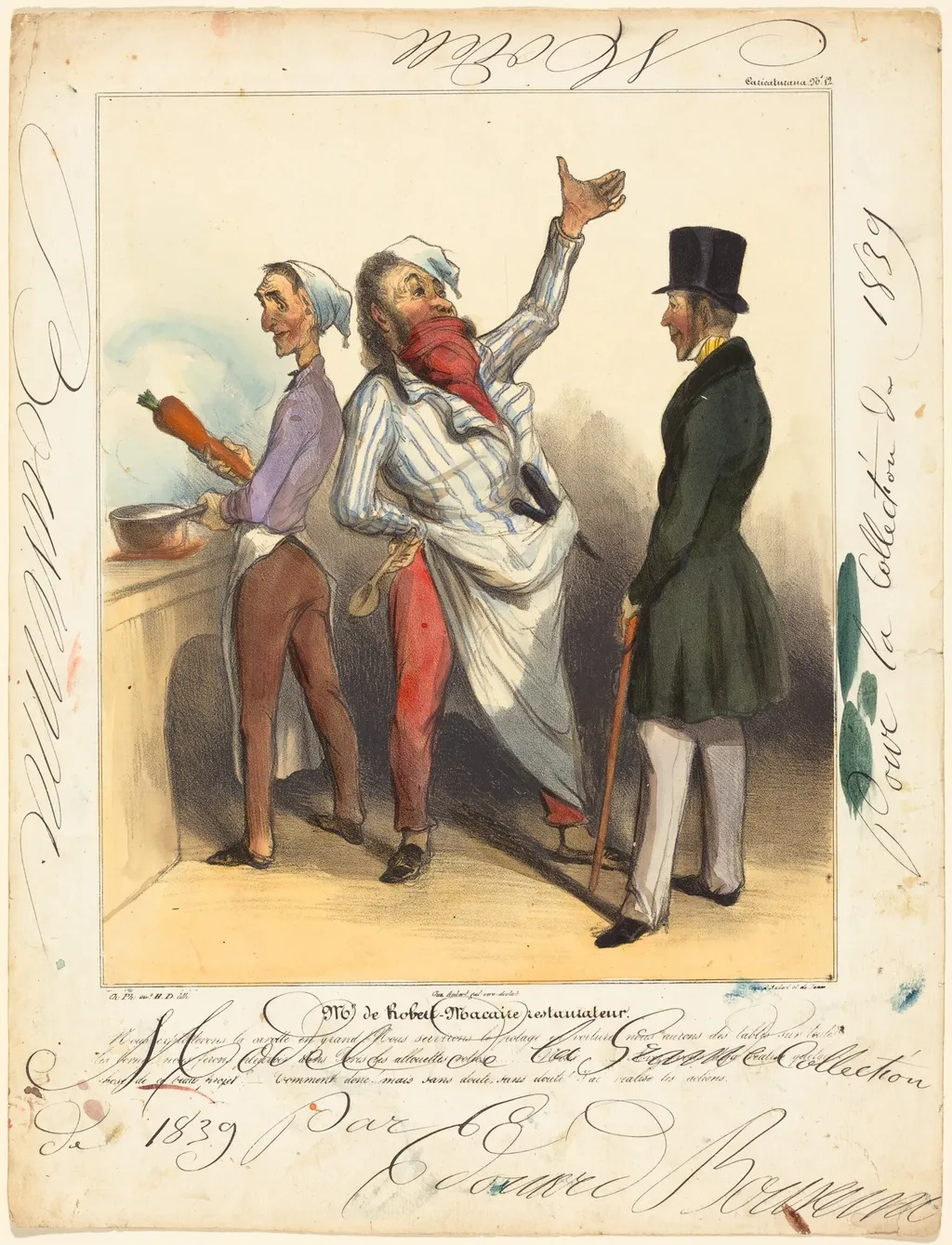
Mr. de Robert Macaire Restaurateur is an ink print by the Romanticist artist Honoré Daumier. It dates from 1836 and is held in the collection of the National Gallery of Art.
About this work
Overview
Honoré Daumier's *Mr. de Robert Macaire Restaurateur* (1836) is a hand-colored lithograph that satirizes French society during the July Monarchy. The print critiques class and power dynamics through a restaurant scene.
Subject & Meaning
The image features three men in a kitchen/shop: a gesturing figure in a striped apron and red scarf, a amused man in purple holding a bowl, and a calm, finely dressed onlooker. The scene implies a humorous, possibly fraudulent, culinary scenario, commenting on bourgeois pretensions.
Technique & Style
Daumier employed quick, sketchy lines and hand-coloring to create a lively, exaggerated atmosphere. The lithographic technique allowed for mass production, amplifying the print's satirical reach.
History & Provenance
Created in 1836 for publication in a satirical journal (likely *La Caricature* or *Le Charivari*), the print is part of Daumier's broader critique of the monarchy, aristocracy, and clergy during the July Monarchy.
Context
The July Monarchy's social and political climate, marked by rising bourgeois influence and perceived hypocrisy, provided the backdrop for Daumier's satire. Restaurants, as emerging public spaces, symbolized the era's class shifts.
Legacy
*Mr. de Robert Macaire Restaurateur* contributes to Daumier's legacy as a sharp commentator on 19th-century French society. The work remains a notable example of mid-19th-century satirical printmaking.
Artist & collection
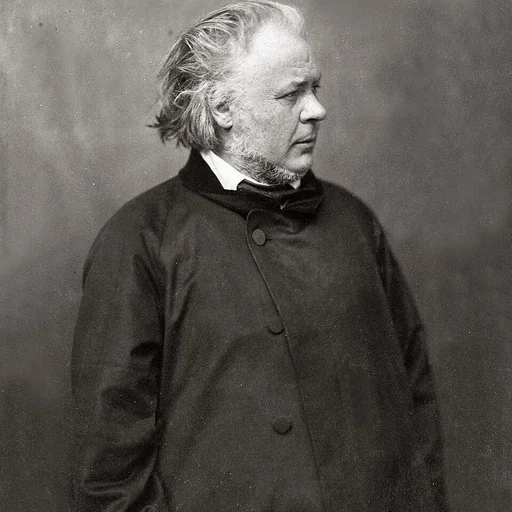
Artist
Honoré-Victorin Daumier was a French painter, sculptor, and printmaker, whose many works offer commentary on the social and political life in France, from the Revolution of 1830 to the fall of the Second French Empire in 1870.









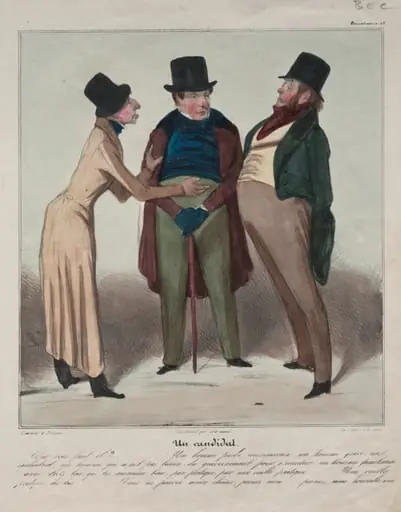 A Candidate
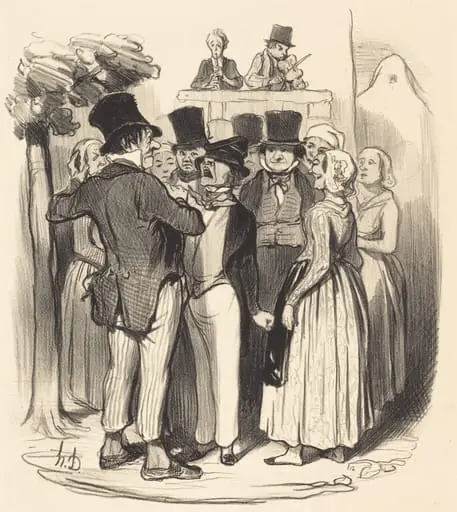 Ah! Gringalet d'Paris... tu viendras faire danser...
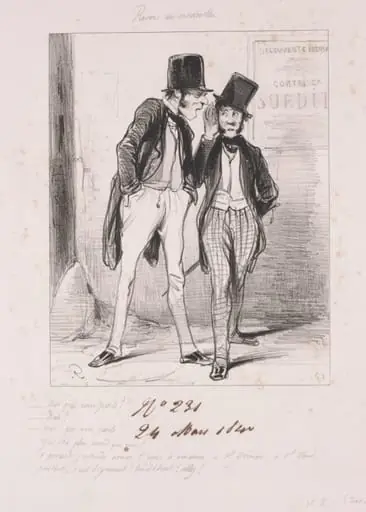 Revers des médailles: Moi qui vous parle
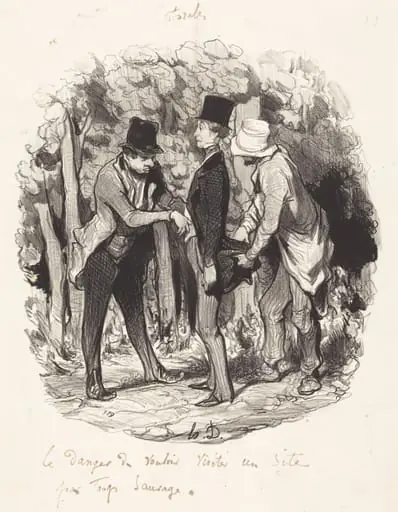 Le Danger de... visiter un site par trop sauvage
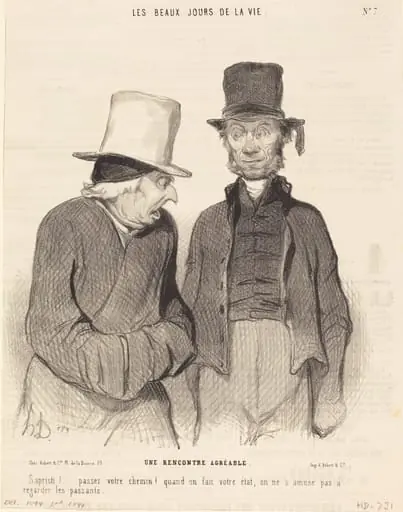 Une Rencontre agréable
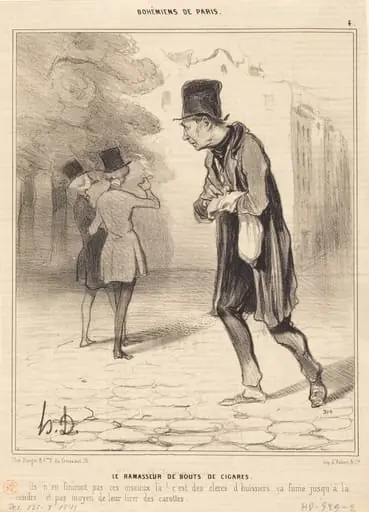 Le Ramasseur de bouts de cigares
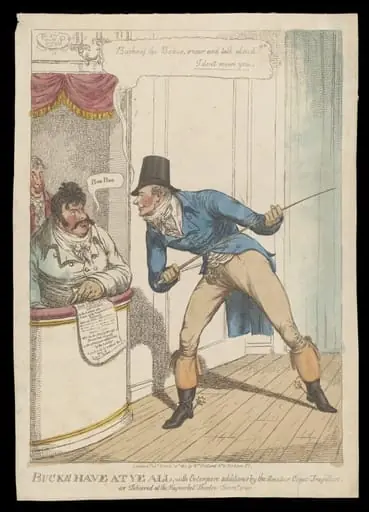 H Beard Print Collection
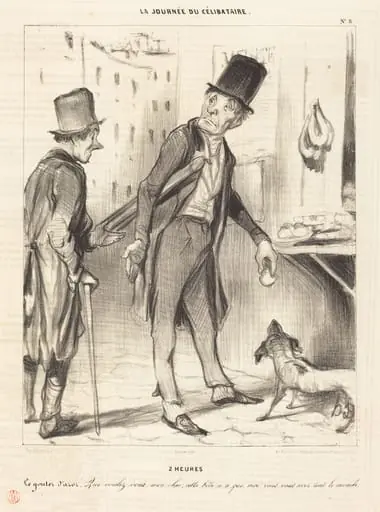 2 heures - Le gouter d'Azor
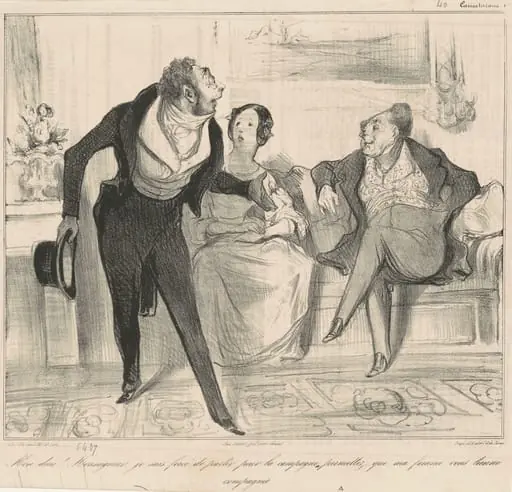 Mon Dieu! Monseigneur, je suis...
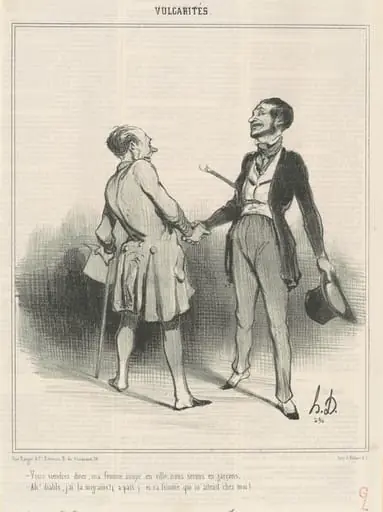 Vous viendrez diner, ma femme soupe en ville ...
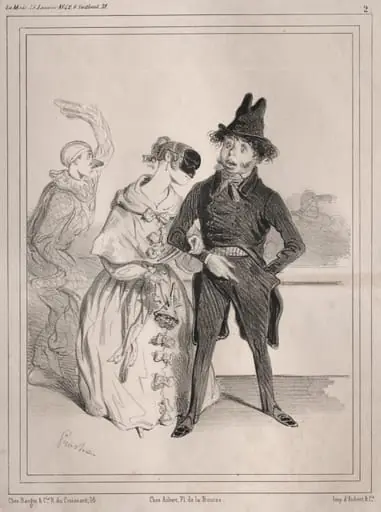 Pochades de carnaval: C'est singulier! elle me dit que je suis Philibert Désormeaux, et que je passe pour un imbecile!! ....où diable à-t-elle sù cela?
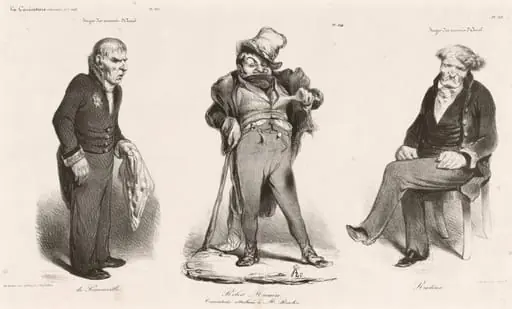 Huguet de Sémonville - Robert Macaire (Thiers) - Comte Roederer