Artwork
Nouveautés philantropiques...
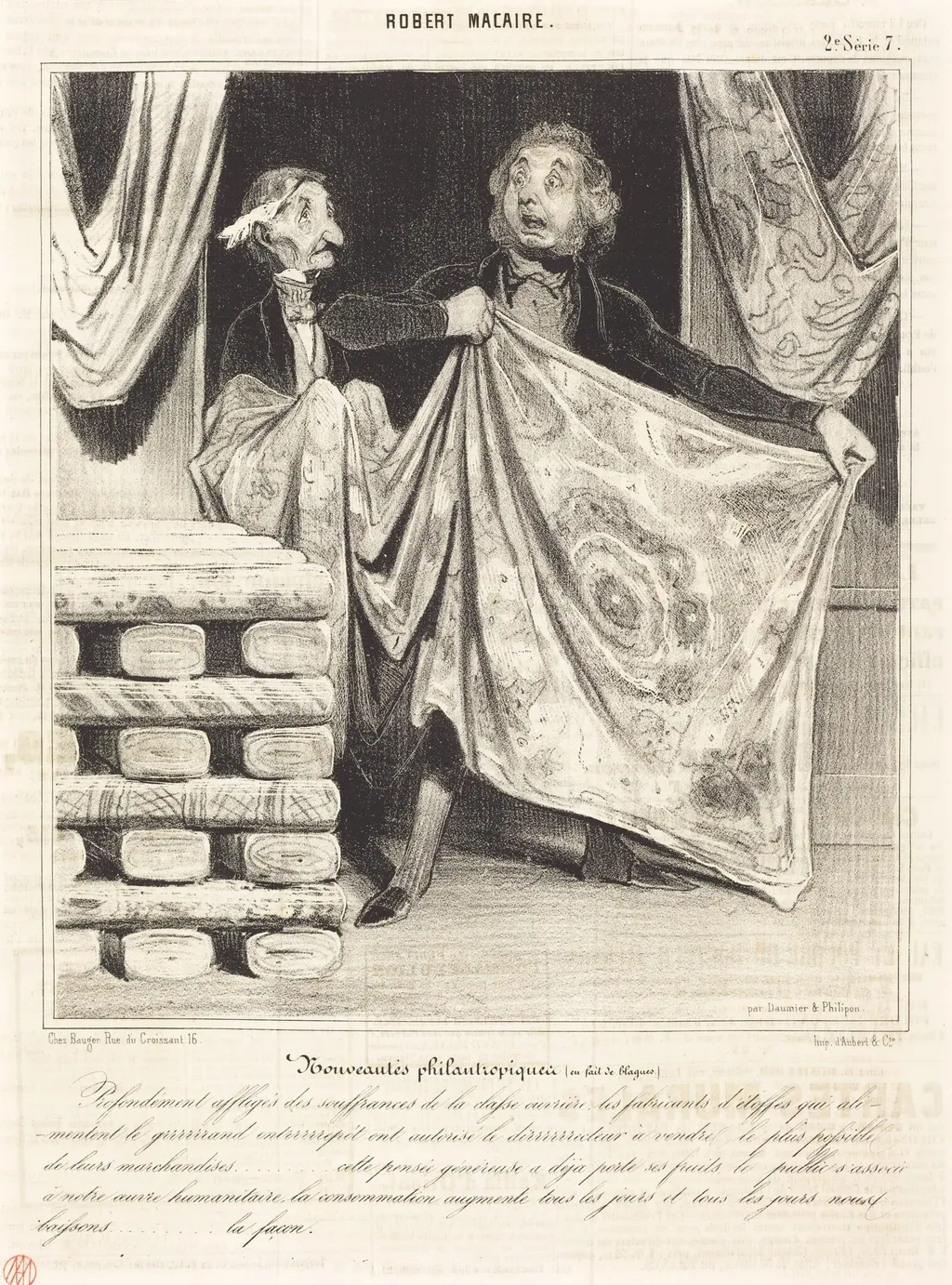
Nouveautés philantropiques... is an ink print by the Romanticist artist Honoré Daumier. It dates from 1841 and is held in the collection of the National Gallery of Art. Created in 1841, this lithograph on newsprint bears the title *Nouveautés philantropiques.
About this work
A man in a top hat hands out scraps of paper labeled "charity." A woman in a bonnet looks skeptical. The room is dark except for a single lamp.
Daumier made this in 1841. He used lithography, a new way to print pictures cheaply. This let him mock rich people who pretended to help the poor.
Look up lithography if you want to see how this bold style works.
Overview
Created in 1841, this lithograph on newsprint bears the title *Nouveautés philantropiques...*. The work exemplifies Daumier’s engagement with the print medium as a vehicle for social critique, employing a single illuminated scene to draw attention to the disparity between proclaimed charity and its reception.
Subject & Meaning
The composition shows a well‑dressed gentleman in a top hat distributing papers marked “charity” while a woman in a bonnet watches with evident doubt. The contrast between the donor’s ostentatious gesture and the recipient’s skepticism underscores Daumier’s commentary on the superficiality of philanthropic displays among the affluent.
Technique & Style
Executed with lithography—a relatively new, inexpensive method for reproducing images—Daumier achieved stark chiaroscuro by limiting the palette to dark tones punctuated by a solitary lamp. This economical approach allowed rapid production and wide dissemination, reinforcing the satirical impact of the image.
History & Provenance
The print emerged during Daumier’s prolific period of political caricature, when he contributed regularly to satirical journals such as *La Caricature* and *Le Charivari*. Its use of newsprint reflects the everyday material of the press, aligning the artwork with the very media it critiqued.
Context
Situated amid the turbulent years between the 1830 Revolution and the eventual collapse of the Second French Empire, the work mirrors republican democratic sentiments that opposed the self‑serving charity of the monarchy, aristocracy, and clergy. Daumier’s republican leanings inform the biting tone of the piece.
Legacy
As an early example of socially engaged lithography, the print illustrates how inexpensive reproduction techniques expanded the reach of political satire in 19th‑century France, influencing subsequent generations of artists who employed print media for critique.
Artist & collection
Artist
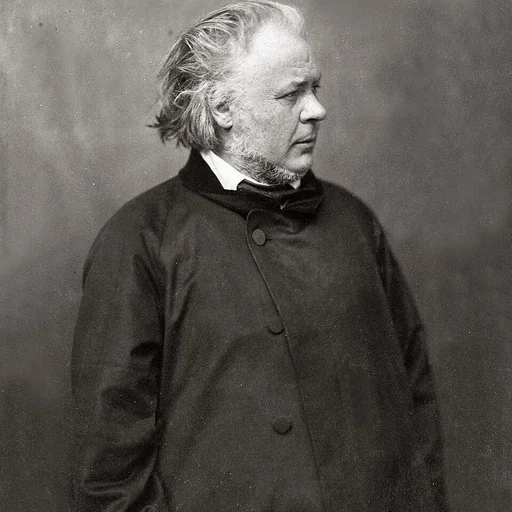
Honoré-Victorin Daumier was a French painter, sculptor, and printmaker, whose many works offer commentary on the social and political life in France, from the Revolution of 1830 to the fall of the Second French Empire in 1870.









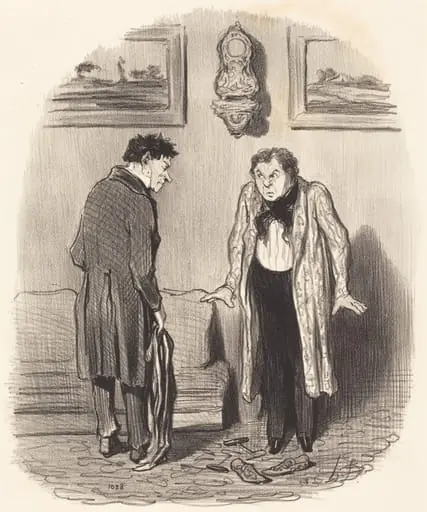 Mais quand je vous dis que je ne peux pas remuer les pieds...
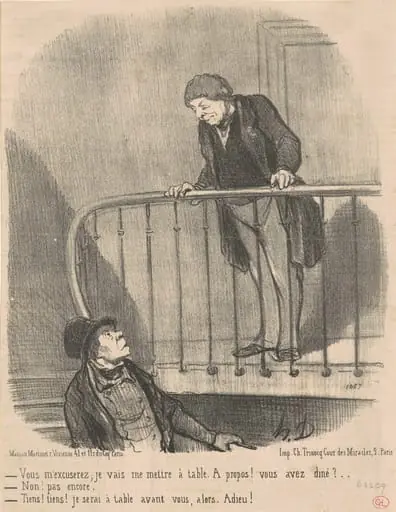 Vous m'excuserez: je vais me mettre a table ...
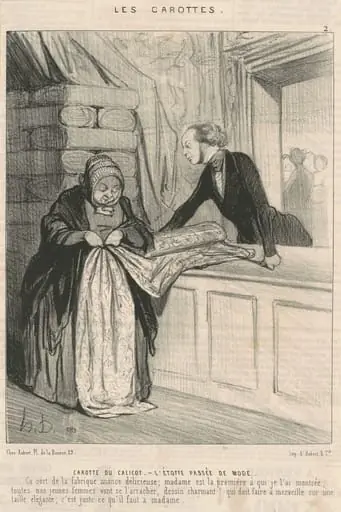 Carotte du calicot
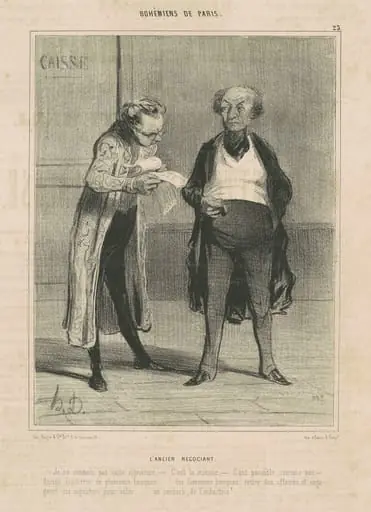 L'ancien négociant
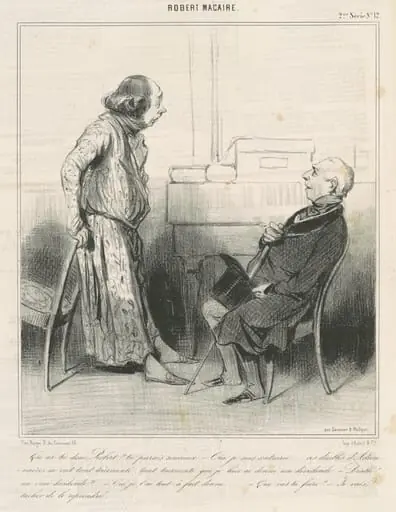 Qu'as-tu donc, Robert? ...
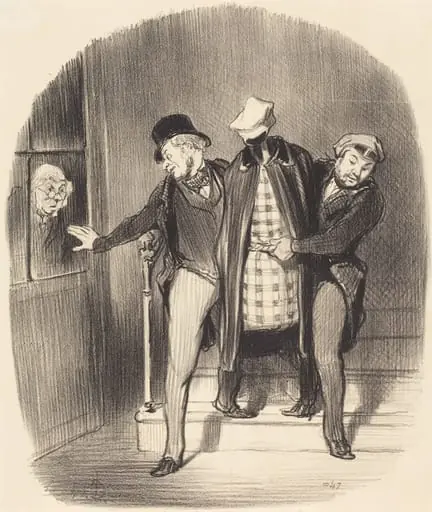 Un Déménagement furtif
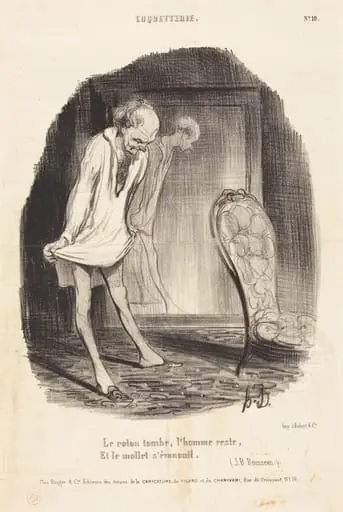 Le coton tombe, l'homme reste...
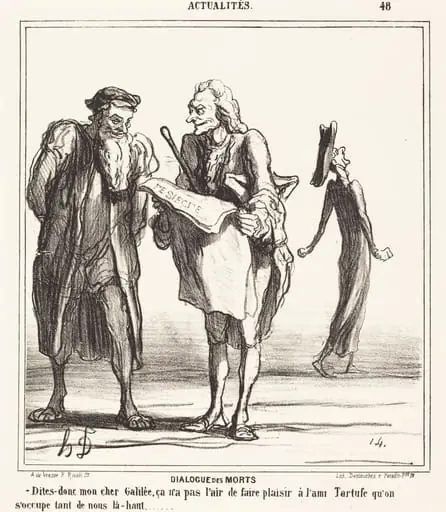 Dialogue des morts
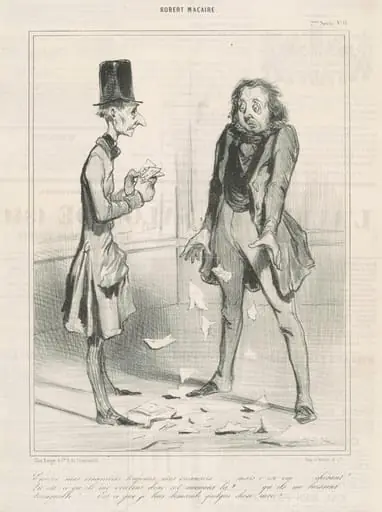 Encore mes créanciers, toujours ...
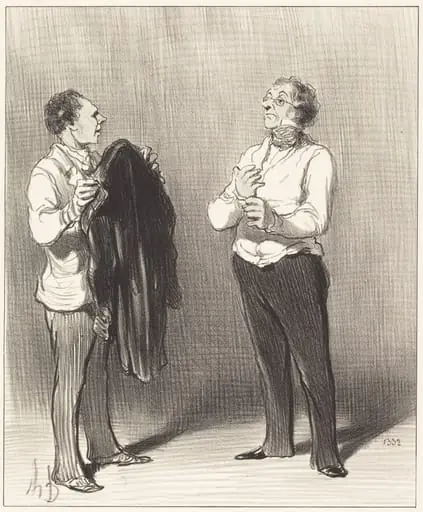 (Le Domestique) - Monsieur ferait bien...