Artwork
P.J. Proudhon
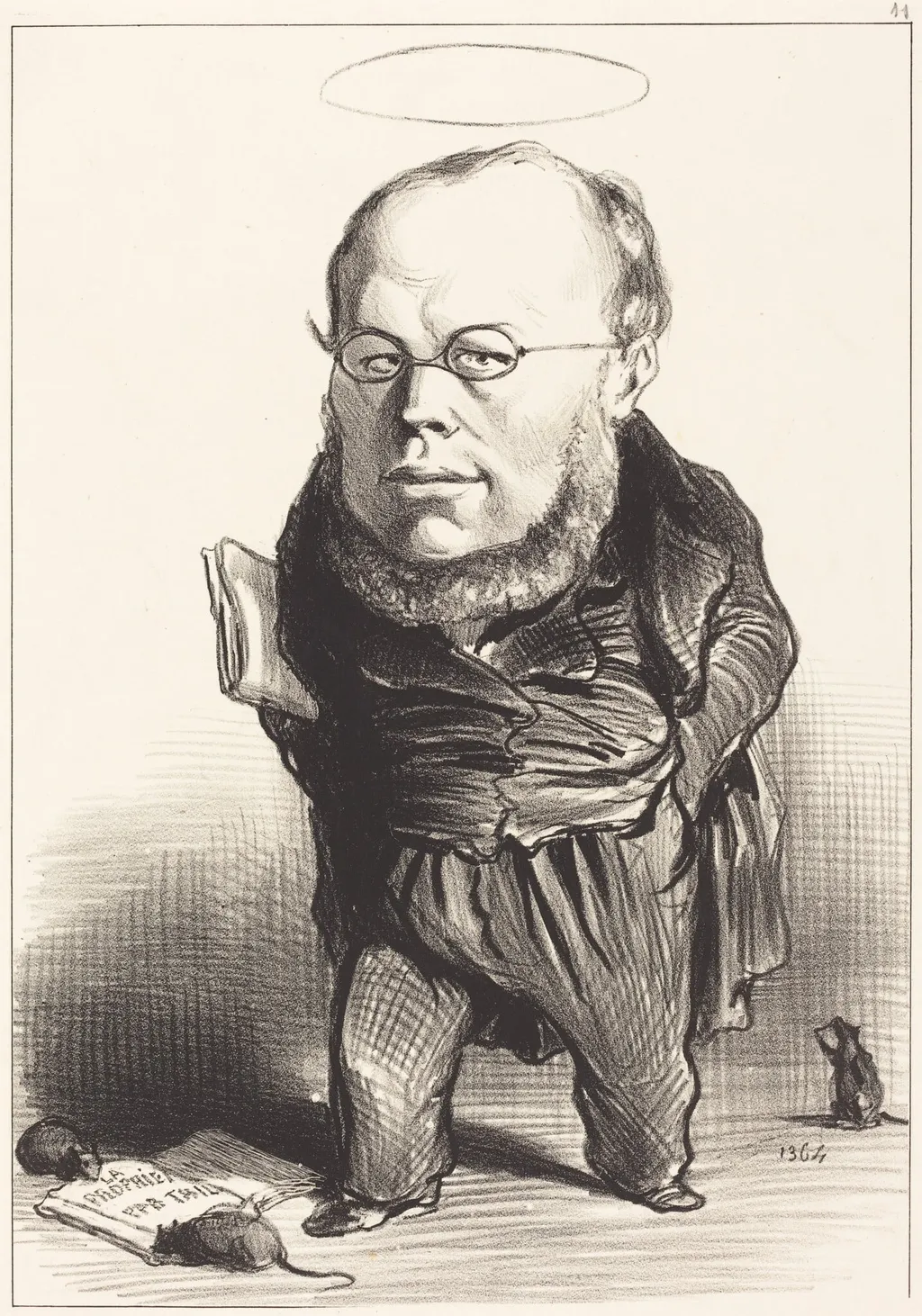
P.J. Proudhon is an ink print by the Romanticist artist Honoré Daumier. It dates from 1849 and is held in the collection of the National Gallery of Art.
About this work
Overview
Honoré Daumier's 1849 lithograph *P.J. Proudhon* is a portrait of the influential French philosopher and socialist Pierre-Joseph Proudhon, rendered in Daumier's characteristic satirical style.
Subject & Meaning
The subject, Proudhon, was a prominent republican democrat known for critiquing authority and inequality. The lithograph's depiction—a serious figure in a dark coat holding a book, with a halo—conveys Proudhon's intellectual and authoritative presence, potentially with ironic undertones given Daumier's satirical bent.
Technique & Style
Executed as a lithograph, the work showcases Daumier's proficiency in this medium, characteristic of his prolific output in satirical publications like *La Caricature* and *Le Charivari*. The style blends realism with subtle satirical elements, typical of Daumier's political commentary.
History & Provenance
Created in 1849, a time of significant social upheaval in France, the lithograph reflects Daumier's ongoing engagement with social and political issues of his era. Provenance details are not specified in available information.
Context
The work is situated within the broader context of 19th-century French social and political turmoil, where figures like Proudhon and artists like Daumier played crucial roles in critiquing the status quo through their respective works.
Legacy
As part of Daumier's satirical oeuvre, *P.J. Proudhon* contributes to the artist's lasting legacy as a vocal critic of his time, influencing future generations of artists and satirists. Its specific impact on the reception of Proudhon's ideas is less documented.
Artist & collection
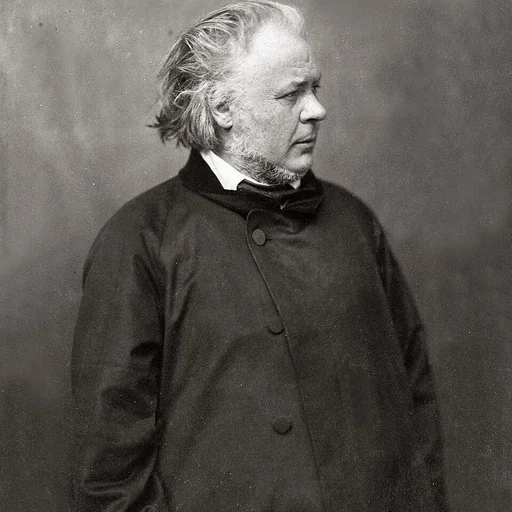
Artist
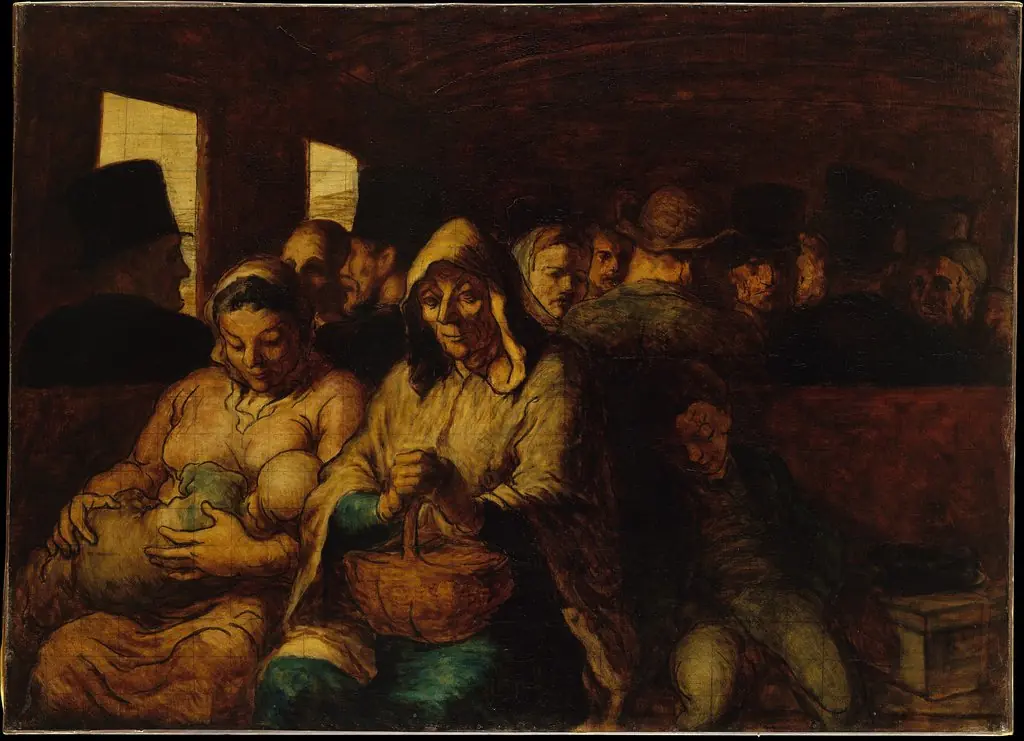
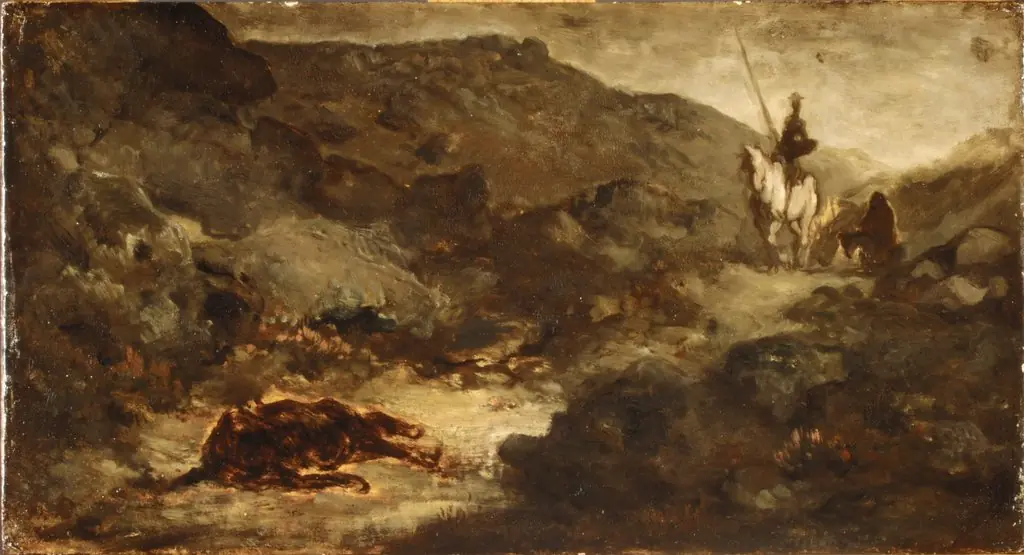
Honoré-Victorin Daumier was a French painter, sculptor, and printmaker, whose many works offer commentary on the social and political life in France, from the Revolution of 1830 to the fall of the Second French Empire in 1870.

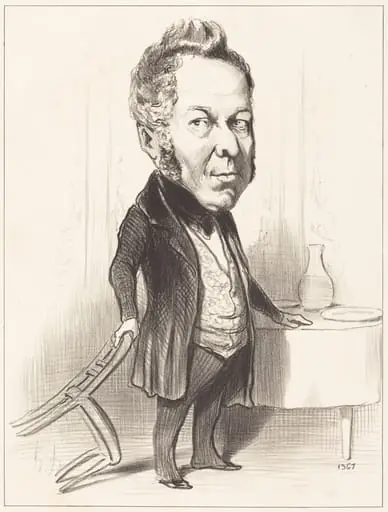 A.P.F. Deslongrais
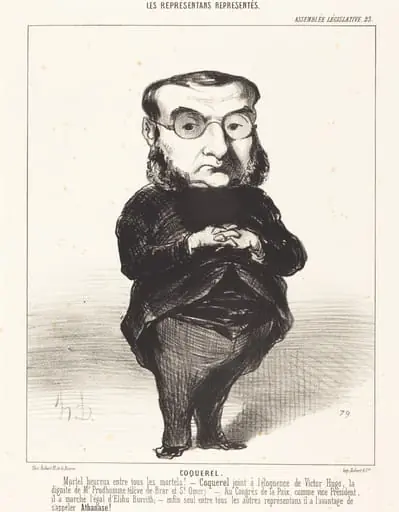 Ath. L. Charles Coquerel
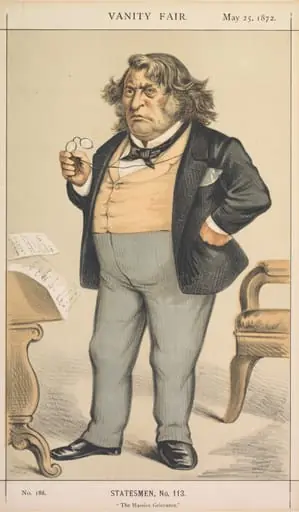 Vanity Fair: Statesman, No. 113 "The Massive Grievance"
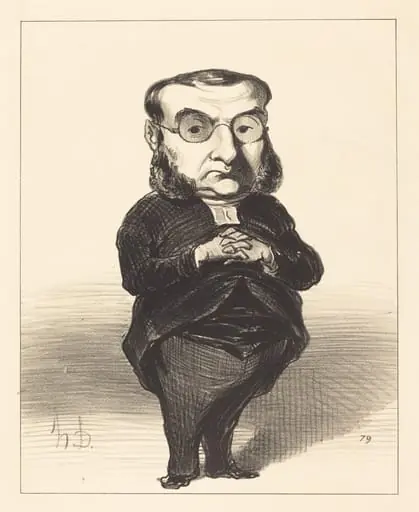 Ath. L. Charles Coquerel
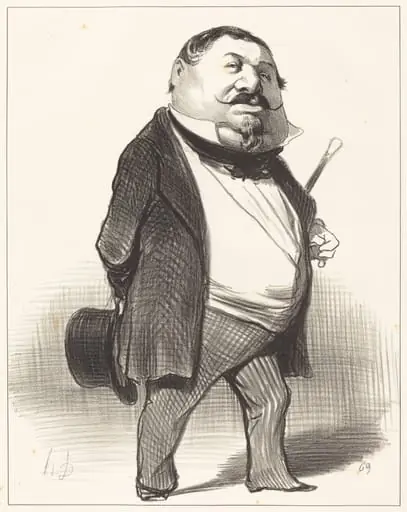 Prince Lucien Murat
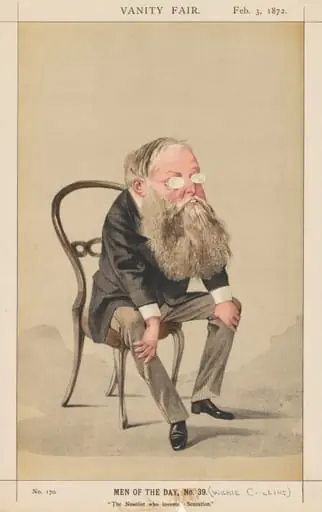 Vanity Fair: Men of the Day, No. 39 "The Novelist who invented Sensation"
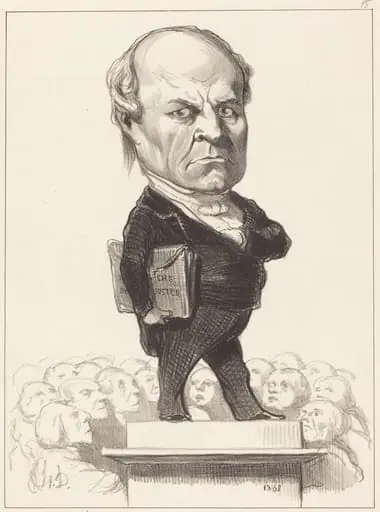 C.H. Odilon Barrot
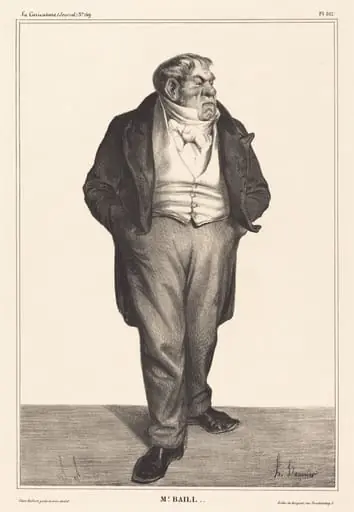 Baillot
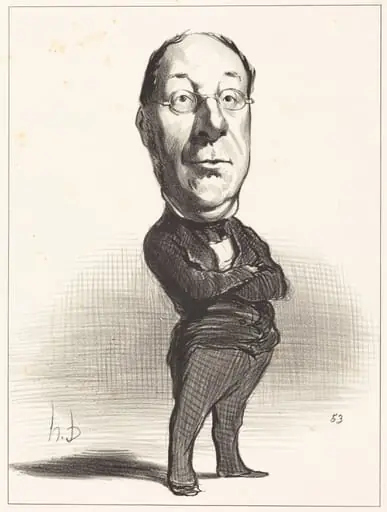 J.-B. Gustave de Laboulie
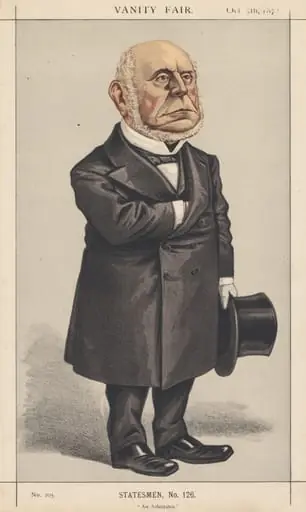 Vanity Fair: Statesman, No. 126 "An Arbitrator"