Artwork
R.P.L. Ségur d'Aguesseau
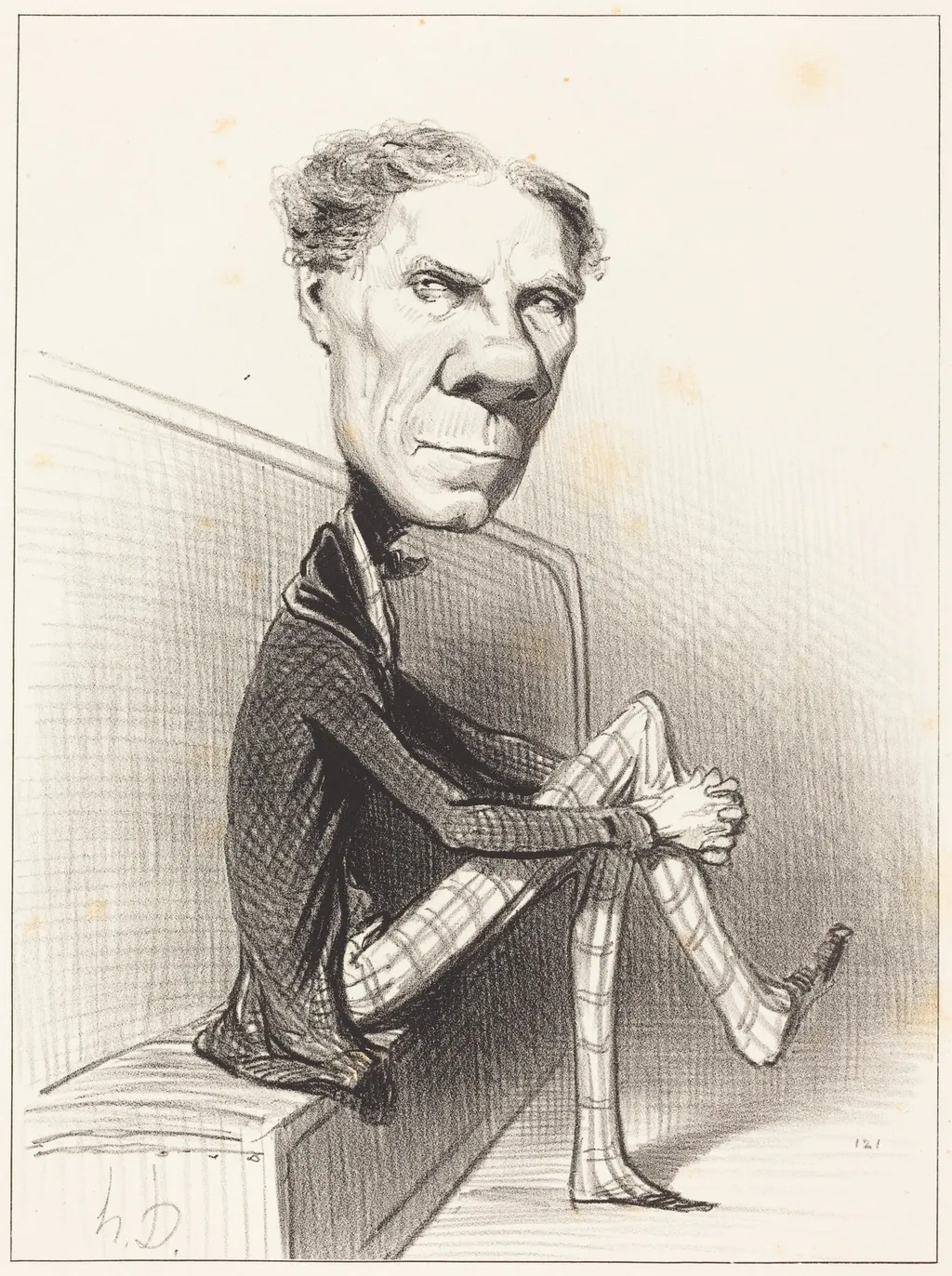
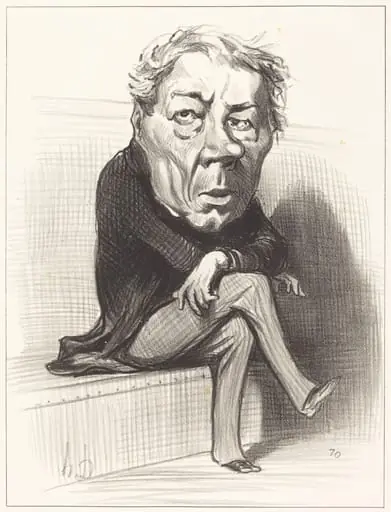
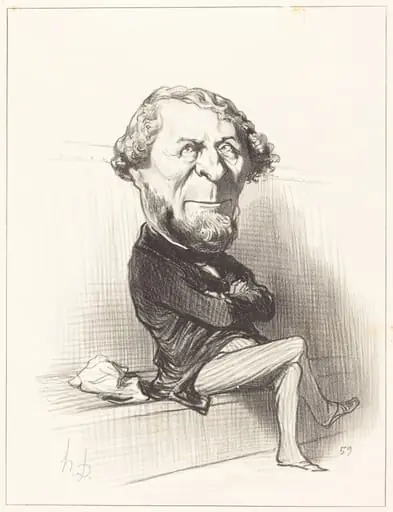
R.P.L. Ségur d'Aguesseau is an ink print by the Impressionist artist Honoré Daumier. It dates from 1850 and is held in the collection of the National Gallery of Art.
About this work
Overview
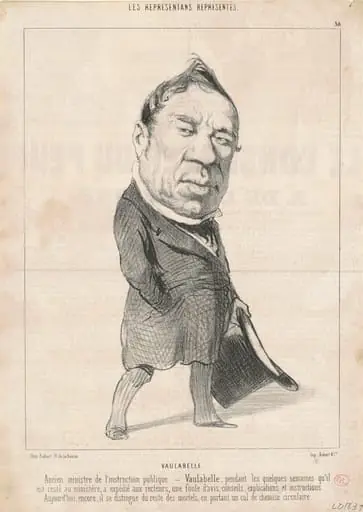
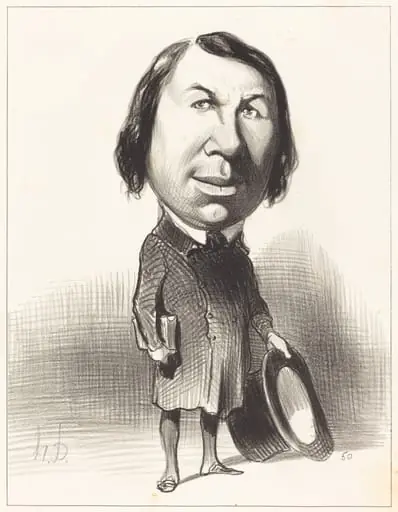
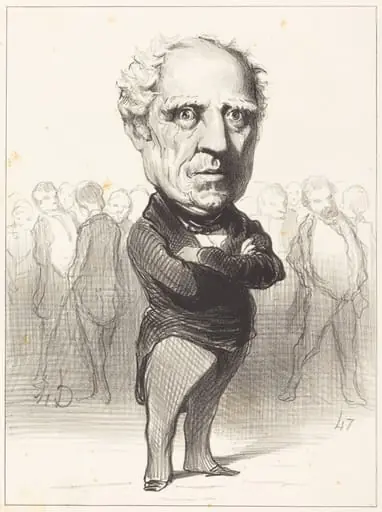
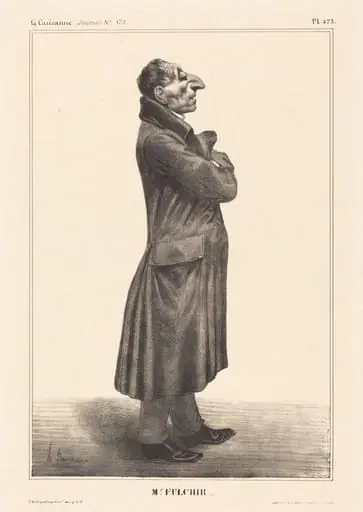
Created in 1850, this lithograph by Honoré Daumier depicts a seated gentleman with crossed legs, a cane in hand, and a solemn expression. Rendered primarily in pencil and ink, the work employs loose, gestural lines that suggest the subject’s demeanor while emphasizing the texture of his clothing.
Subject & Meaning
The figure appears to be a member of the French elite, presented with a restrained posture that hints at the social stature of the period. Daumier’s choice to portray him with a serious visage and modest attire aligns with his broader practice of subtly critiquing the aristocracy and established institutions.
Technique & Style
Executed as a lithographic print, the image combines pencil sketching with ink washes, allowing for delicate shading of folds and fabric. Daumier’s rapid, fluid line work reflects the 19th‑century French penchant for immediacy in drawing, capturing the sitter’s character with minimal detail.
History & Provenance
Daumier, renowned for his caricatures in publications such as La Caricature and Le Charivari, produced this work during a period of political turbulence in France. While primarily known for his satirical prints, this lithograph illustrates his engagement with portraiture as a vehicle for social commentary.
Context
The lithograph emerged amid the upheavals following the 1848 Revolution, when republican ideas challenged the monarchy, aristocracy, and clergy. Daumier’s republican sympathies informed his visual language, using portraiture to subtly question the authority of France’s upper classes.
Artist & collection
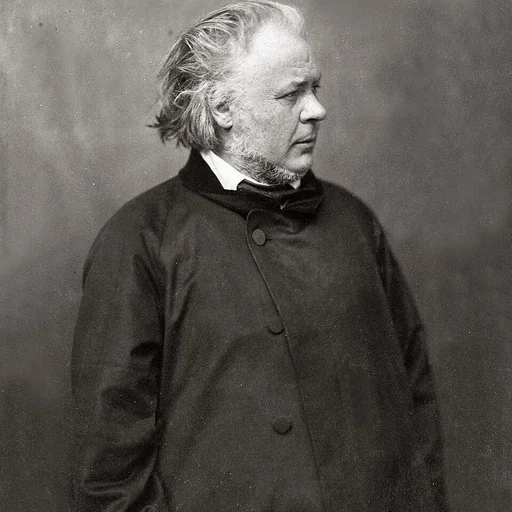
Artist
Honoré-Victorin Daumier was a French painter, sculptor, and printmaker, whose many works offer commentary on the social and political life in France, from the Revolution of 1830 to the fall of the Second French Empire in 1870.