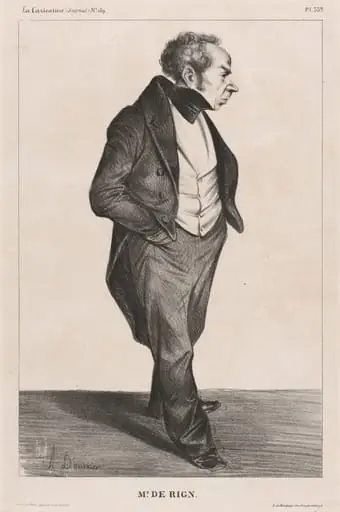
Artwork
H.M. Augustin Corne
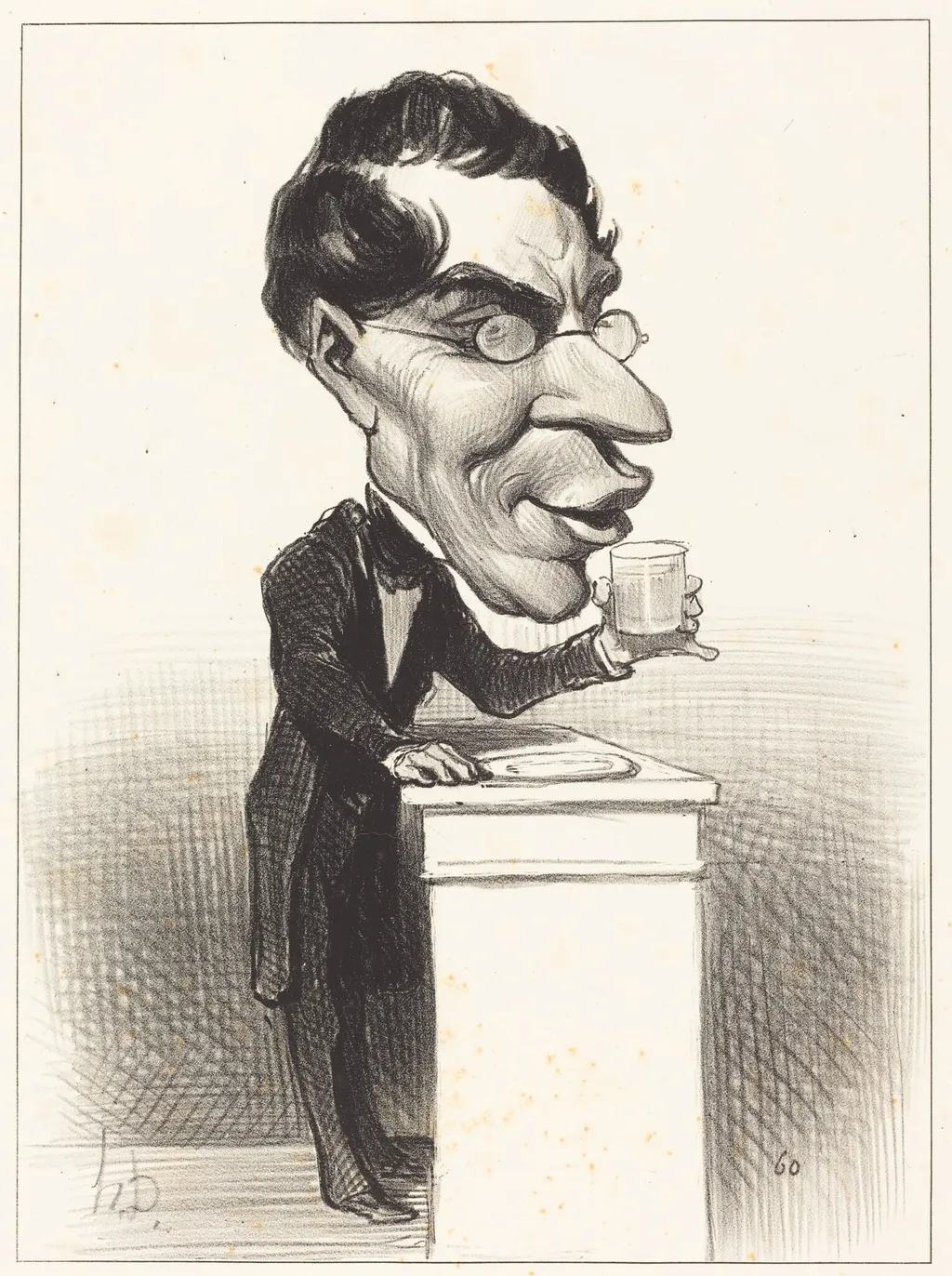
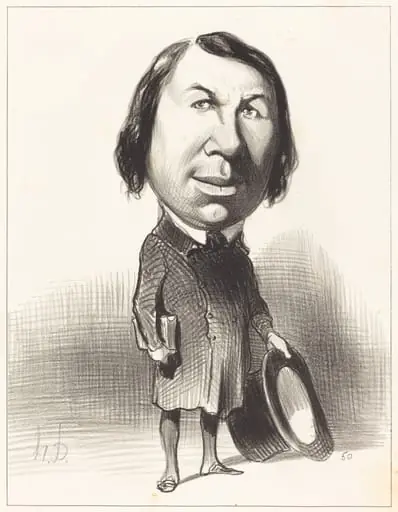
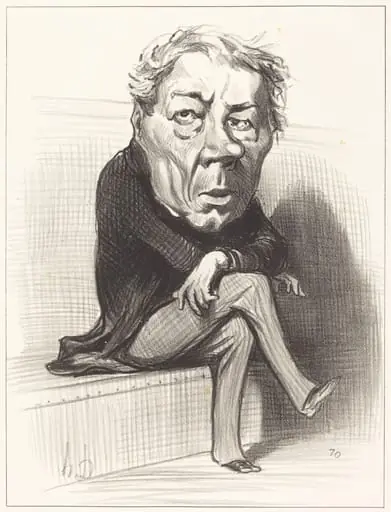
H.M. Augustin Corne is an ink print by the Romanticist artist Honoré Daumier. It dates from 1849 and is held in the collection of the National Gallery of Art. H.
About this work
Overview
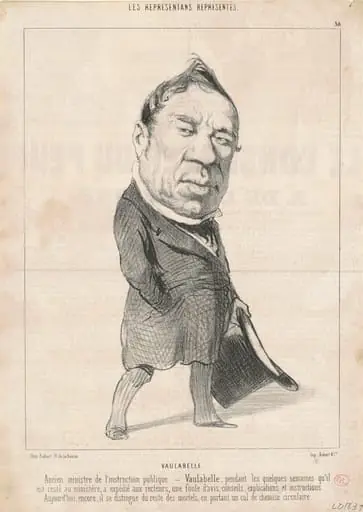
H.M. Augustin Corne is a lithograph created by Honoré Daumier in 1849, exemplifying the artist's use of satire to critique societal hierarchies.
Subject & Meaning
The print depicts a caricatured figure, identified as H.M. Augustin Corne, with exaggerated facial features, conveying Daumier's republican democrat stance through visual humor, targeting the excesses or pretensions of the depicted individual, likely a figure of authority or social prominence.
Technique & Style
Characterized by loose, sketchy lines and bold strokes, the lithograph employs a style reminiscent of contemporary political cartoons, with shading adding depth to the composition, particularly emphasizing the subject's face.
History & Provenance
Produced during a period of French upheaval, this work was likely created for publication in satirical journals like *La Caricature* or *Le Charivari*, though specific provenance details for this piece are not provided.
Context
Emerging in mid-19th century France, the piece reflects Daumier's broader critique of the monarchy, aristocracy, and clergy, aligning with his political activism through art.
Artist & collection
Artist
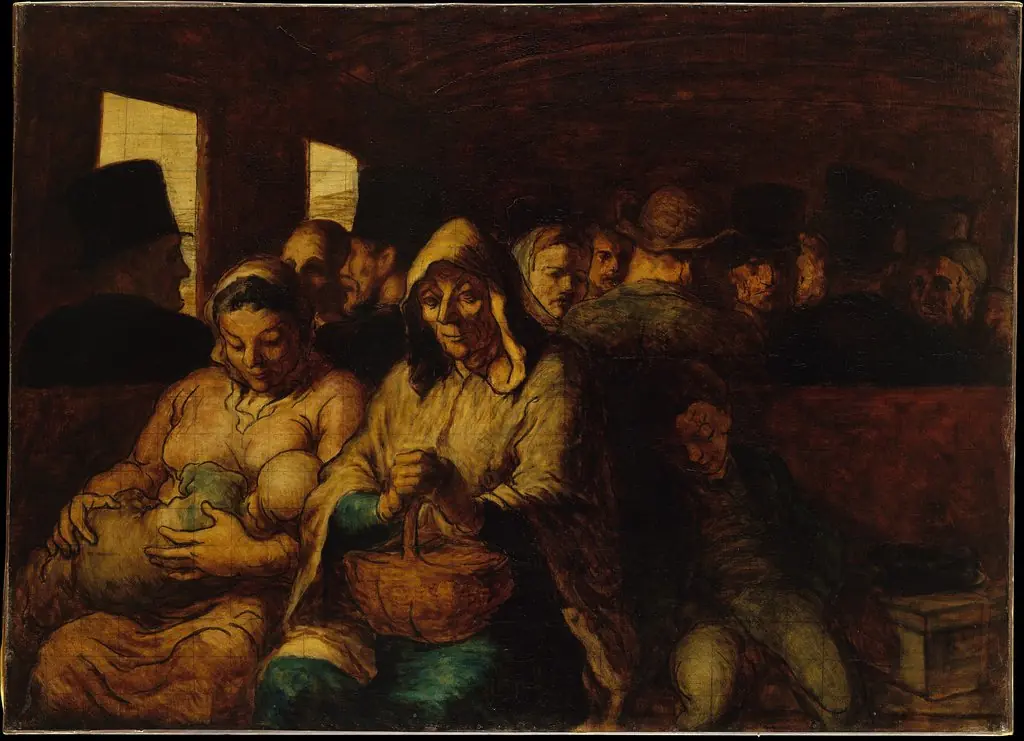
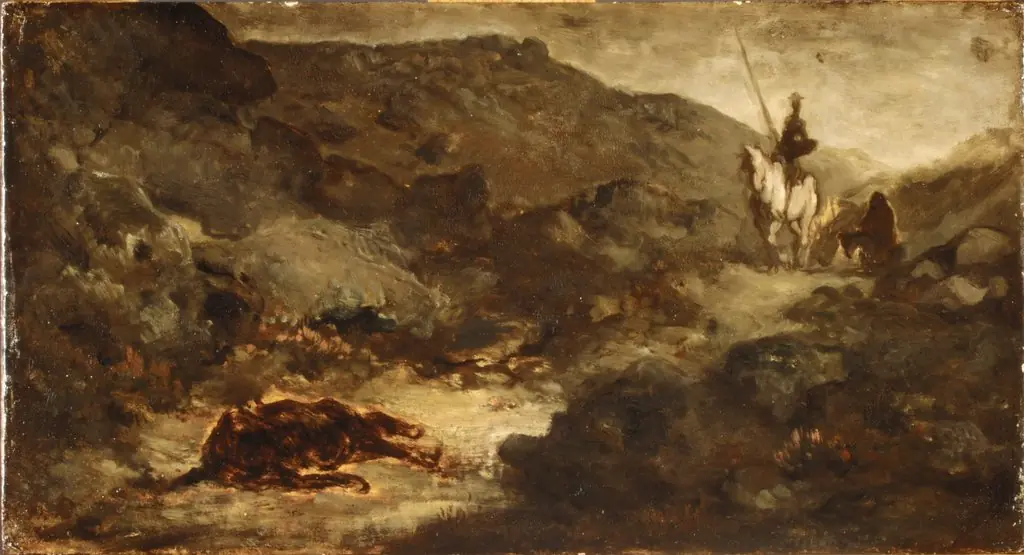
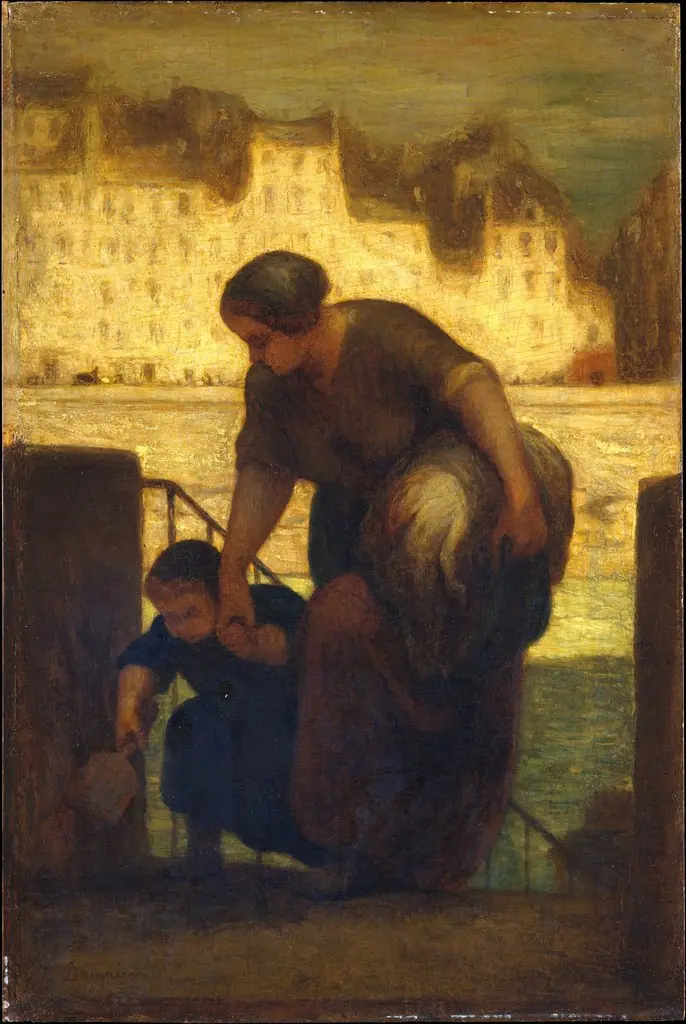
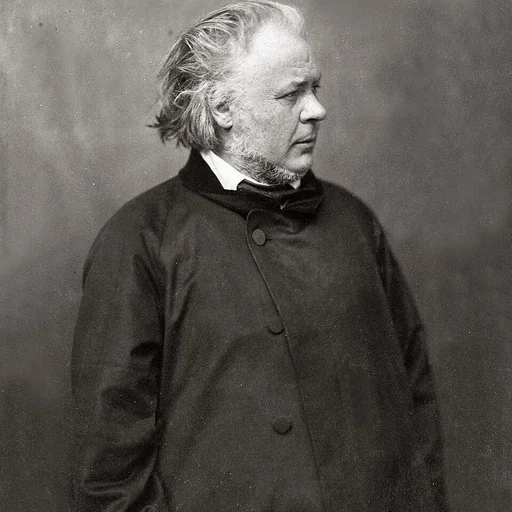
Honoré-Victorin Daumier was a French painter, sculptor, and printmaker, whose many works offer commentary on the social and political life in France, from the Revolution of 1830 to the fall of the Second French Empire in 1870.