Artwork
Alex. Ch. Henri de Tocqueville
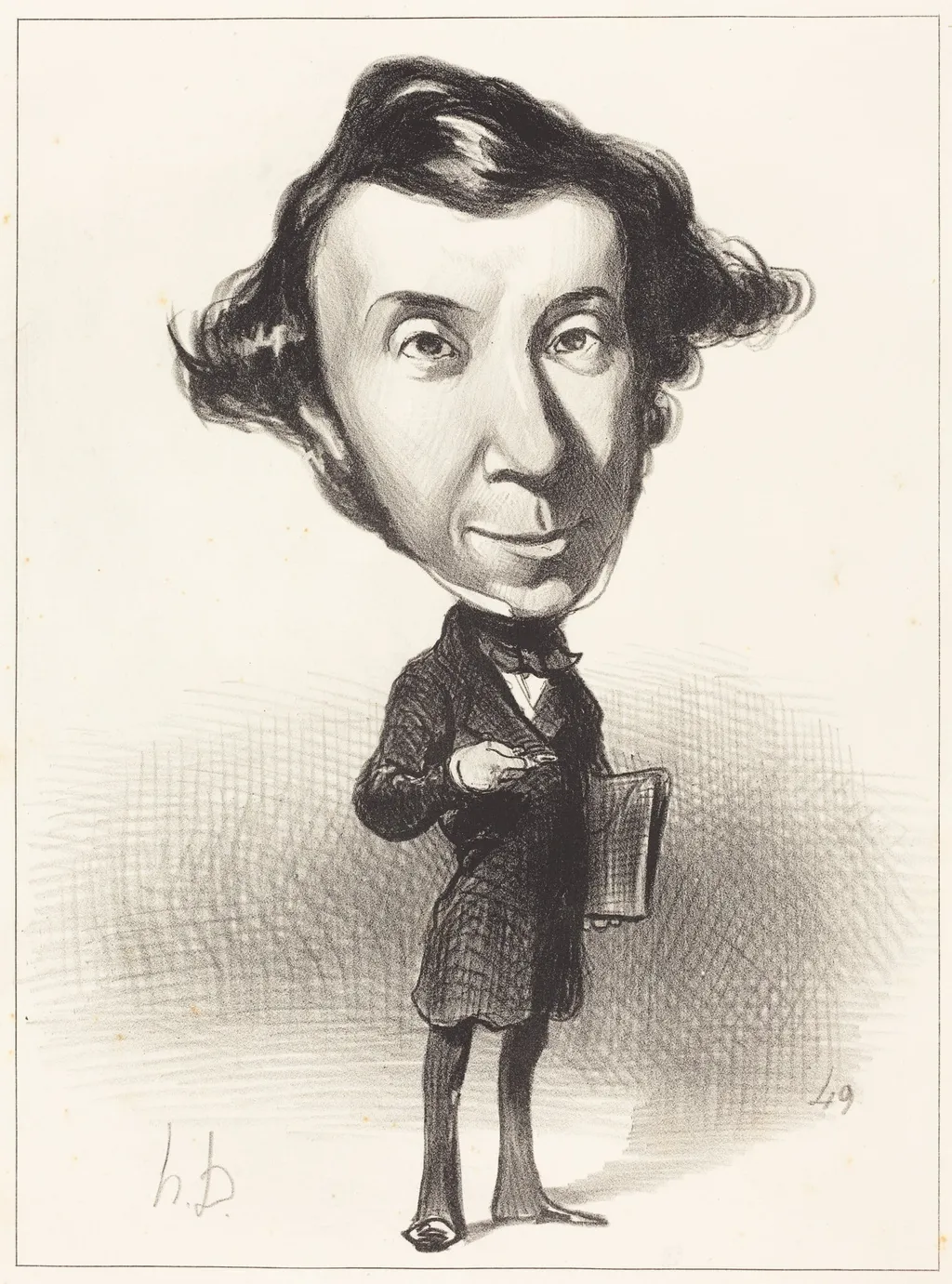
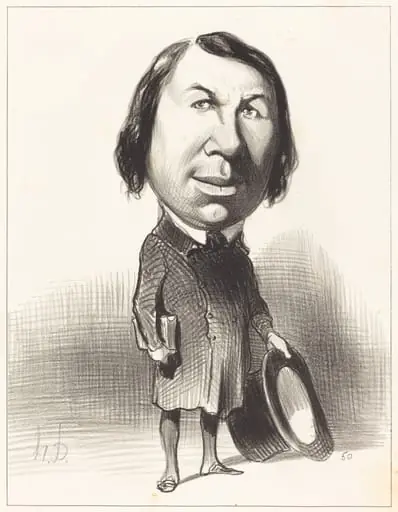
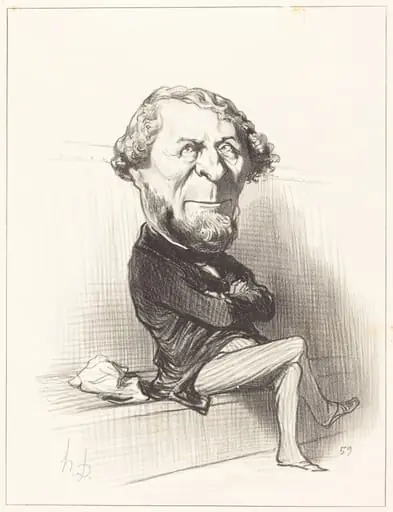
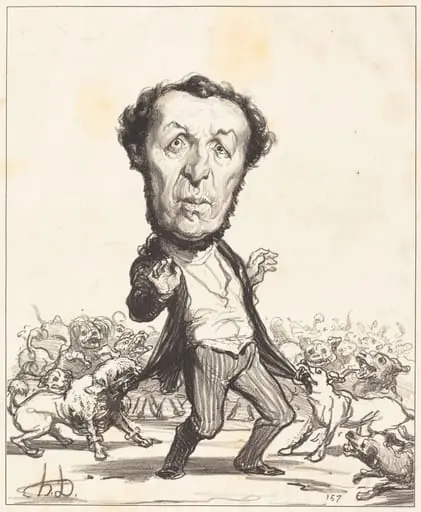
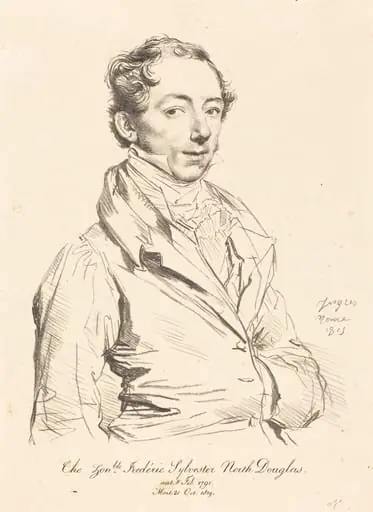
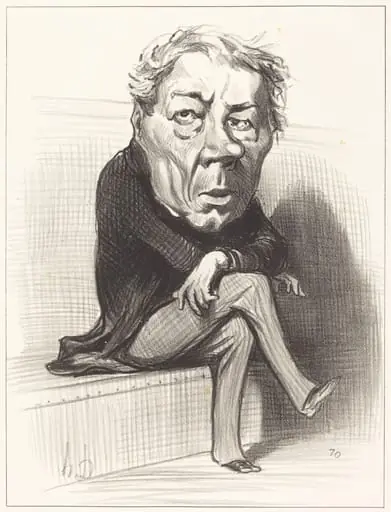
Alex. Ch. Henri de Tocqueville is an ink print by the Romanticist artist Honoré Daumier. It dates from 1849 and is held in the collection of the National Gallery of Art.
About this work
Overview
Unlike his more overtly satirical works, this portrait balances observation with restraint, capturing a thinker rather than a target of ridicule.
This 1849 lithograph by Honoré Daumier portrays Alexis de Tocqueville, the French political writer and former deputy. Executed during a time of intense political upheaval in France, the print reflects Daumier’s engagement with public figures who shaped the nation’s democratic discourse. Unlike his more overtly satirical works, this portrait balances observation with restraint, capturing a thinker rather than a target of ridicule.
Subject & Meaning
Alexis de Tocqueville was known for his analyses of democracy in America and his concerns about the rise of egalitarianism in France. Daumier’s depiction emphasizes Tocqueville’s intellectual presence—his furrowed brow and focused gaze suggest contemplation. The book or document he holds reinforces his role as a writer and reformer. The image avoids caricature, instead presenting him as a serious figure amid a climate skeptical of elite intellect.
Technique & Style
Daumier employed lithography, a process allowing direct drawing on stone with greasy crayon, then printing the image. His loose, energetic lines and bold shading create a sense of immediacy. The thick contours and tonal contrasts define Tocqueville’s features without fine detail, emphasizing expression over precision. The sketchlike quality suggests a rapid, intuitive approach, typical of Daumier’s journalistic output for periodicals.
History & Provenance
The print was likely produced for a political or literary publication, though its original context remains unconfirmed. Daumier frequently contributed to *Le Charivari*, where portraits of public figures appeared alongside satirical commentary. This image may have been part of a series profiling influential thinkers. Its survival as a standalone print suggests it was valued for its psychological insight rather than its political edge.
Context
Created during the early years of the Second Republic, the lithograph emerged amid debates over suffrage, class, and governance. Daumier, a committed republican, often critiqued power structures, yet here he refrains from mockery. Tocqueville, though aristocratic by birth, advocated for democratic institutions—a complex figure whose ideas resonated with reformers. The portrait reflects a moment when intellectuals were both admired and distrusted.
Legacy
Daumier’s lithograph stands as one of the few serious portraits he made of a political theorist, distinguishing it from his broader body of satire. It contributes to a visual record of 19th-century French intellectual life, preserving Tocqueville’s likeness in a style that prioritizes character over idealization. The work remains a quiet testament to the intersection of art, politics, and public thought in a turbulent era.
Artist & collection
Artist
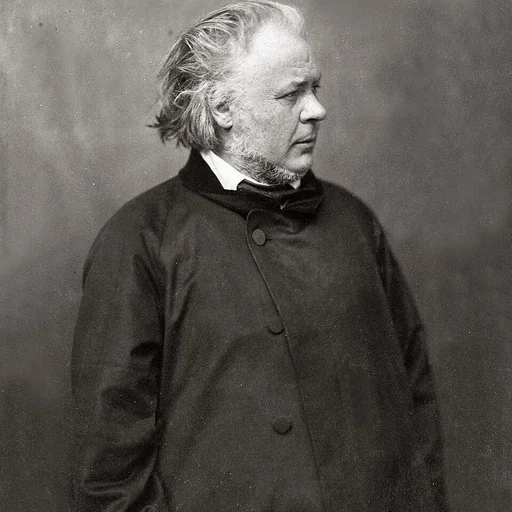
Honoré-Victorin Daumier was a French painter, sculptor, and printmaker, whose many works offer commentary on the social and political life in France, from the Revolution of 1830 to the fall of the Second French Empire in 1870.