Artwork
The Prodigal Son
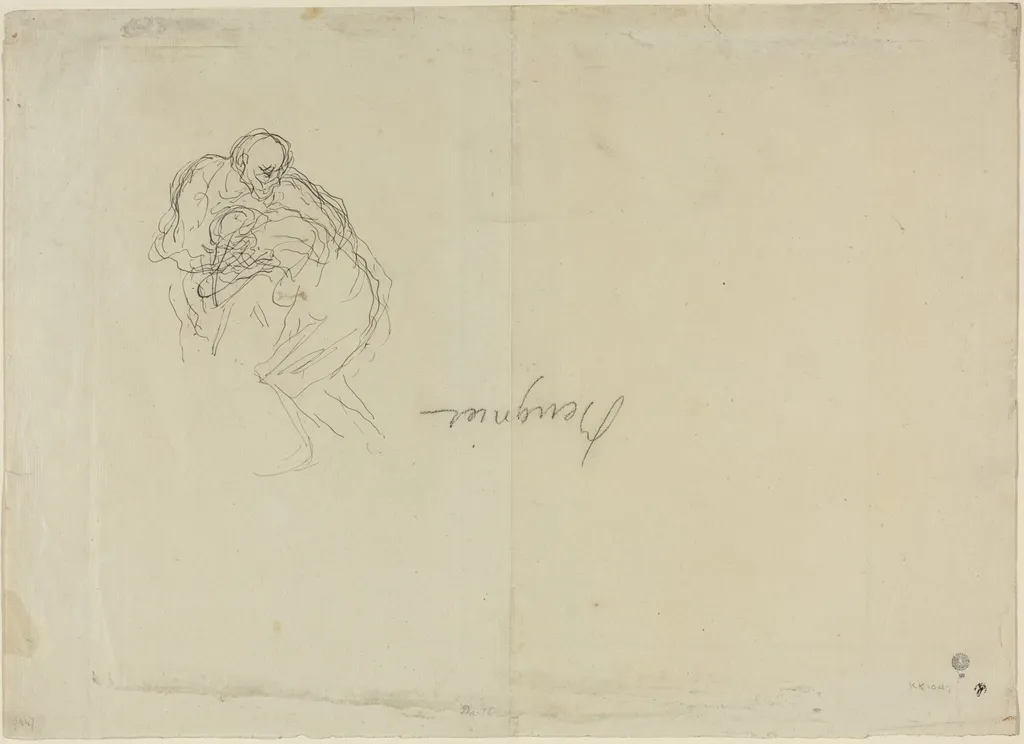
The Prodigal Son is an ink drawing by the Romanticist artist Honoré Daumier. It dates from 1844 and is held in the collection of the National Gallery of Art.
About this work
Overview
The Prodigal Son is a drawing created by French artist Honoré Daumier in 1844, executed in pen and black ink on laid paper. Characteristic of Daumier's style, the work blends social commentary with artistic expression.
Subject & Meaning
While the title references the biblical parable, Daumier's interpretation is imbued with subtle social critique, reflecting his republican democratic leanings. The subject may serve as a vehicle for commentary on the excesses or redemption of France's elite classes.
Technique & Style
Daumier's use of pen and black ink on laid paper in *The Prodigal Son* demonstrates his mastery of expressive line work, a hallmark of his caricature background. The medium, common in his periodical illustrations, lends a sense of immediacy to the composition.
History & Provenance
Created in 1844, the drawing aligns with Daumier's active period producing caricatures for French publications like *La Caricature* and *Le Charivari*. Provenance details are not specified in available information.
Context
*The Prodigal Son* was produced amidst 19th-century France's social and political turmoil. Daumier's work often targeted the monarchy, aristocracy, and clergy, reflecting his critique of the existing social order.
Legacy
As part of Daumier's oeuvre, *The Prodigal Son* contributes to the artist's legacy as a pioneering figure in social commentary through art. Its impact lies within the broader context of his critically charged works from the period.
Artist & collection

Artist
Honoré-Victorin Daumier was a French painter, sculptor, and printmaker, whose many works offer commentary on the social and political life in France, from the Revolution of 1830 to the fall of the Second French Empire in 1870.









![Study of the "Ecorché" [recto], by Paul Cezanne](https://artifactworldgallery.com/img/paul-cezanne--study-of-the-ecorche-recto--1614b86d796e004d-w320.webp) Study of the "Ecorché" [recto]
Study of the "Ecorché" [recto]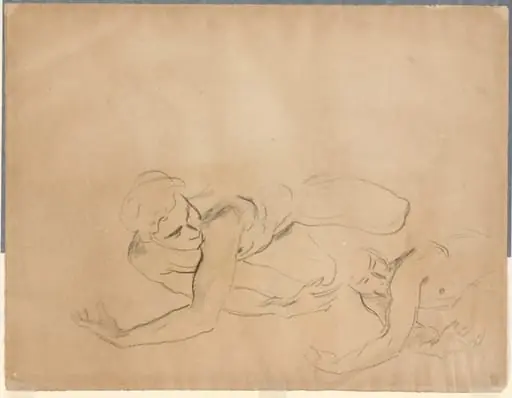 Studies of a Male Nude (verso)
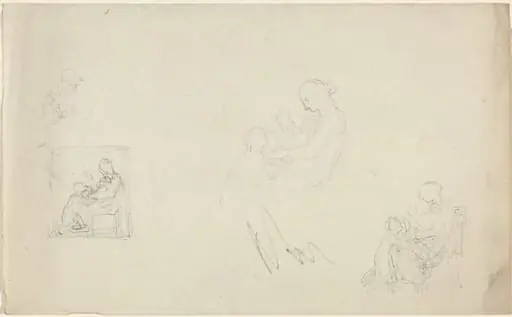 Four Studies of a Seated Woman with Children at Her Feet (Sketches for the Monument to Lady FitzHarris?)
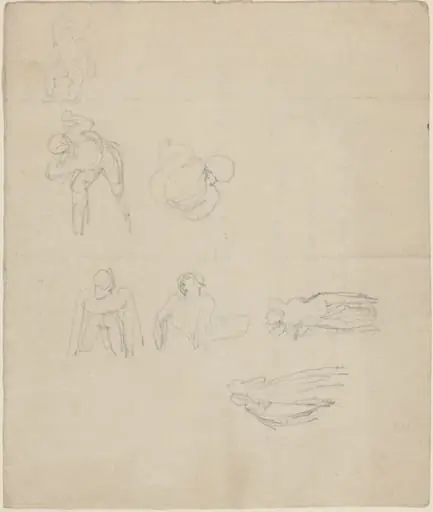 Sheet of Figures Studies
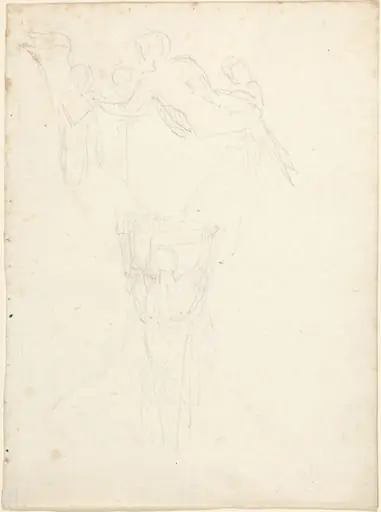 Figure Studies
![Sheet of Studies [recto and verso], by John Flaxman](https://artifactworldgallery.com/img/john-flaxman--sheet-of-studies-recto-and-verso--af59e52d5279d768-w320.webp) Sheet of Studies [recto and verso]
Sheet of Studies [recto and verso]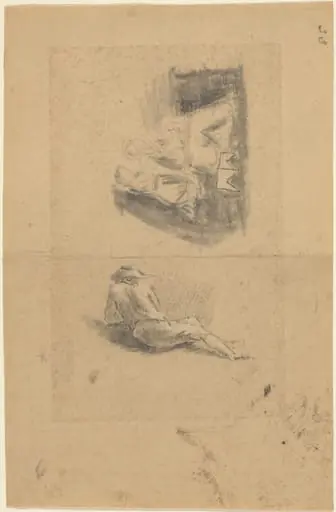 Reclining Man; Two Women
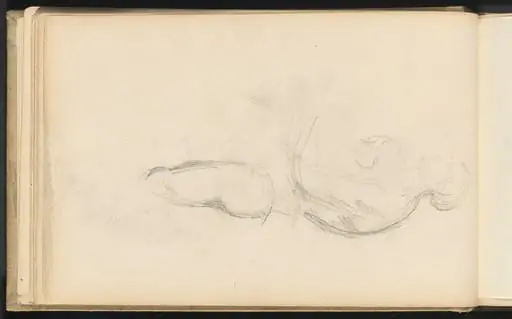 Study of the Allegorical Figure of Health in Rubens' "The Birth of Louis XIII"
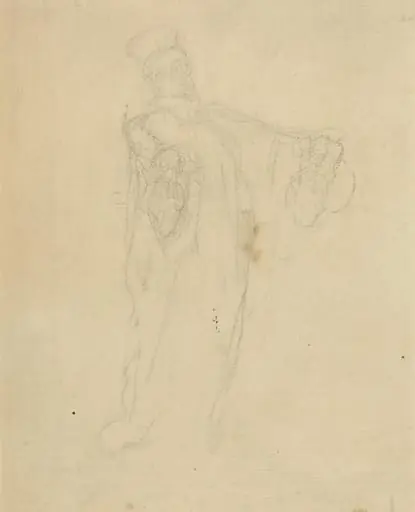 Lawyer