Artwork
Toujours les Hippophages
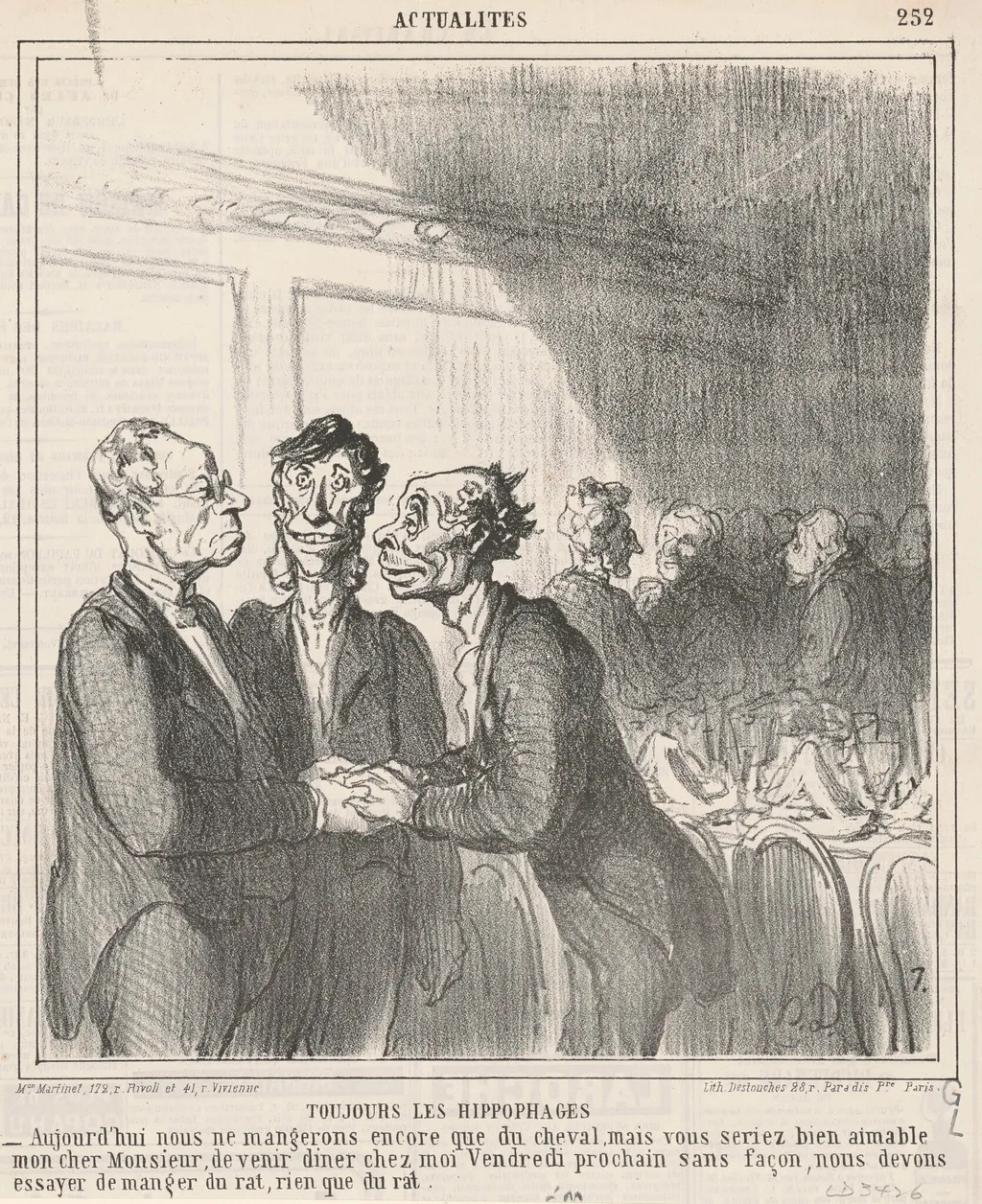
Toujours les Hippophages is an ink print by the Impressionist artist Honoré Daumier. It dates from 1865 and is held in the collection of the National Gallery of Art.
About this work
Daumier draws them with sharp lines and dark shadows to make the scene feel alive.
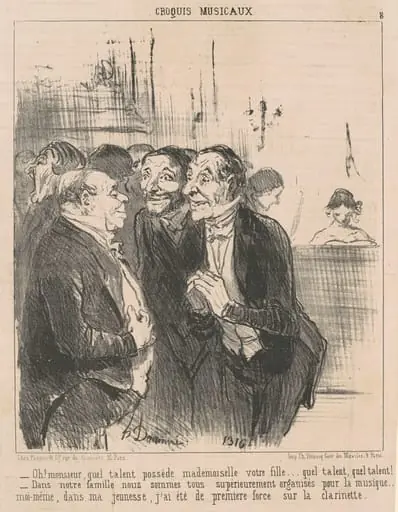
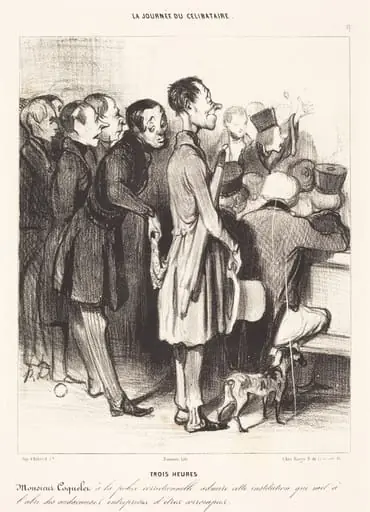
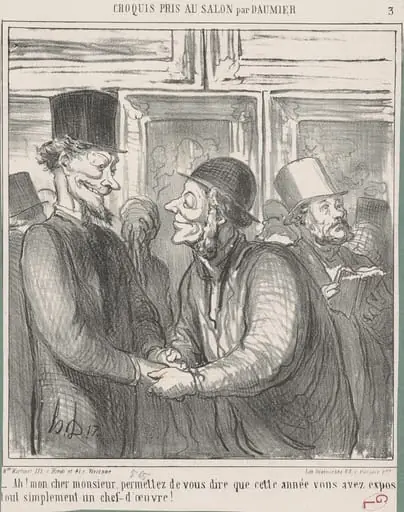
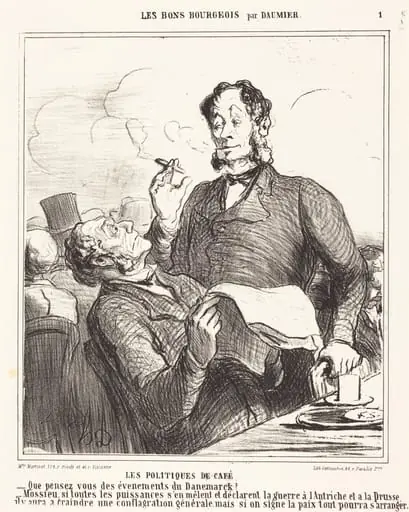
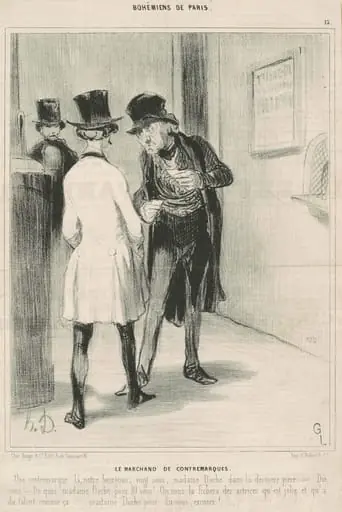
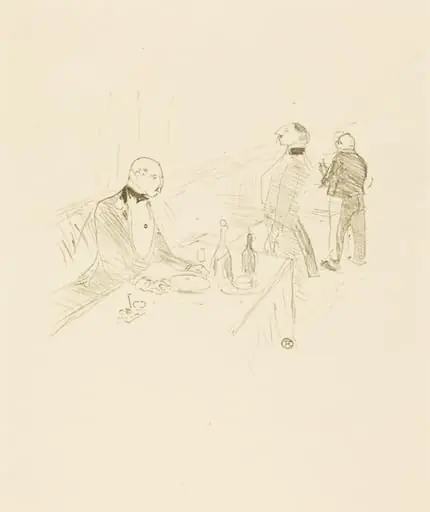
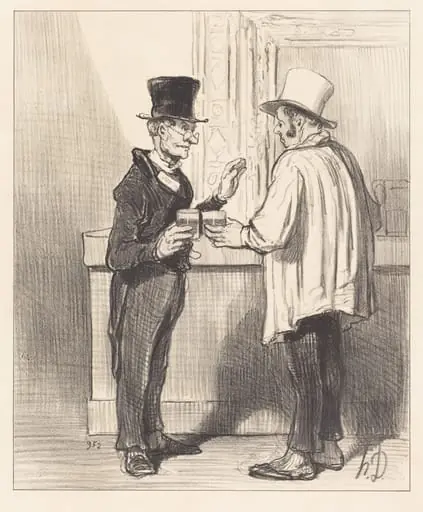
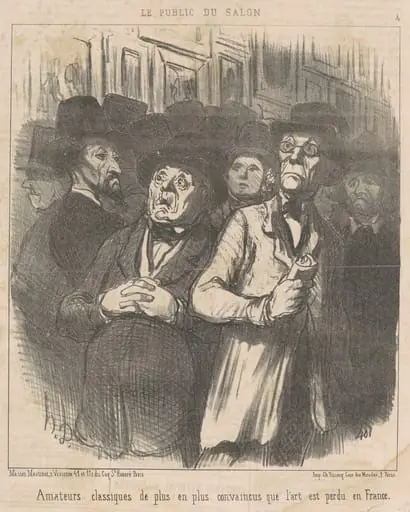
This lithograph shows a crowded room where cartoon-like people argue over food. Their big heads and small bodies look silly on purpose. Daumier draws them with sharp lines and dark shadows to make the scene feel alive.
The artist pokes fun at rich men who brag about fine dining while wasting food. It feels like a joke about greed from 1865.
Look up lithography to see how this printmaking trick works.
Overview
Toujours les Hippophages is a monochrome lithograph created by Honoré Daumier in 1865, capturing a bustling social scene with caricatured figures.
Subject & Meaning
The print satirically portrays a gathering of exaggerated, cartoon-like individuals, particularly targeting the wastefulness and pretentiousness of wealthy men in their consumption of food.
Technique & Style
Daumier employed sharp lines and expressive shading to achieve depth and vitality, characteristic of his lithographic technique, which emphasized bold contrasts.
History & Provenance
Created in 1865, the work reflects Daumier's mid-19th-century commentary on societal norms, though specific provenance details are not provided.
Context
The piece is rooted in the social satire common in Daumier's era, critiquing the excesses of the bourgeoisie through humorous, distorted representations.
Artist & collection
Artist
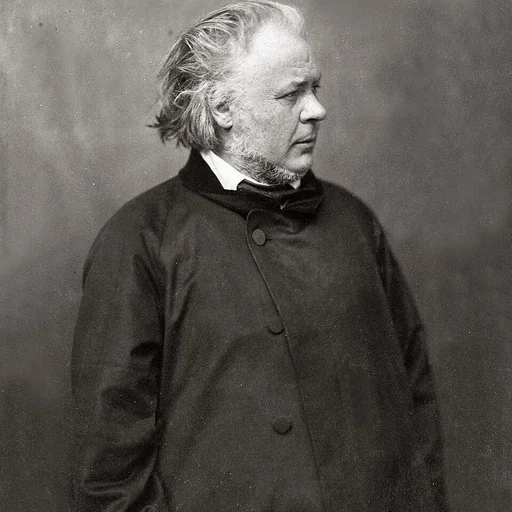
Honoré-Victorin Daumier was a French painter, sculptor, and printmaker, whose many works offer commentary on the social and political life in France, from the Revolution of 1830 to the fall of the Second French Empire in 1870.