Artwork
Un divertissement qui ... de mode
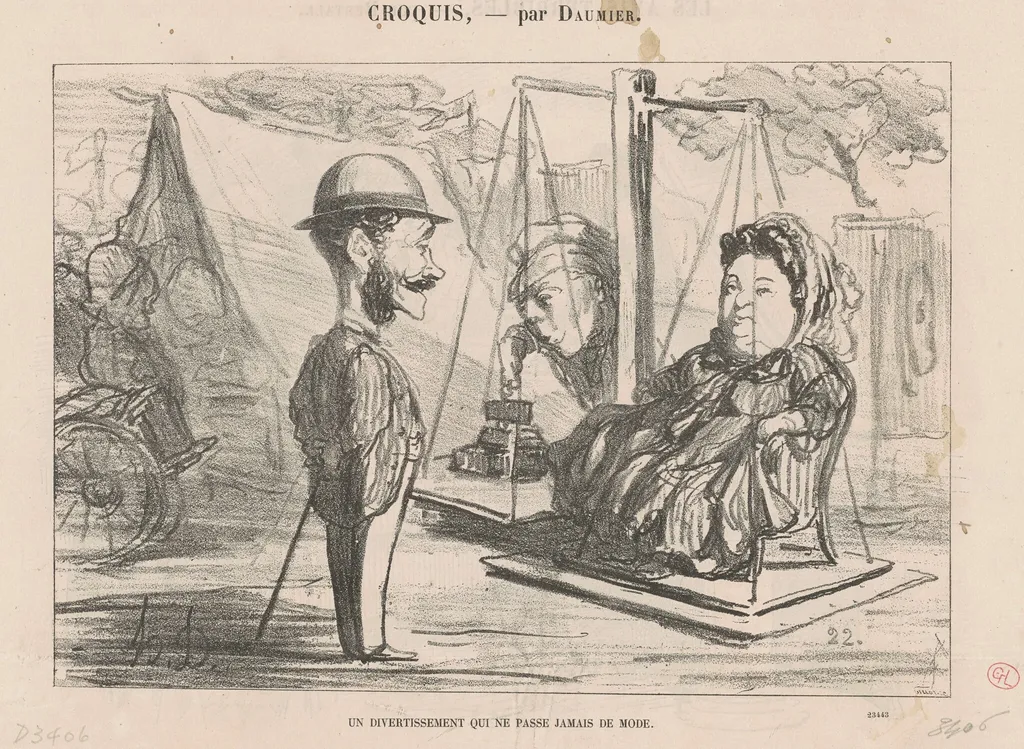
Un divertissement qui ... de mode is an ink print by the Impressionist artist Honoré Daumier. It dates from 1865 and is held in the collection of the National Gallery of Art.
About this work
Overview
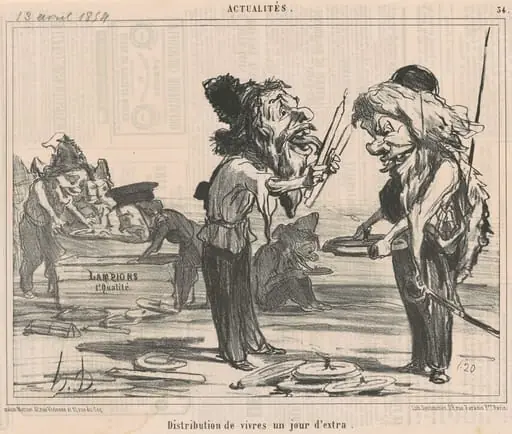
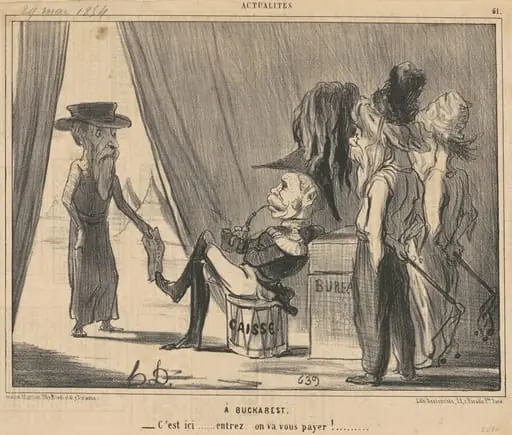
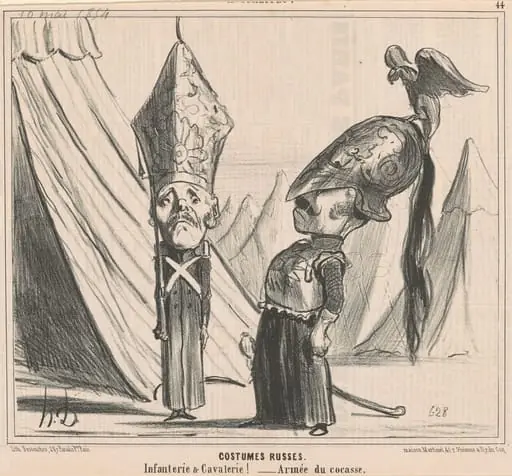
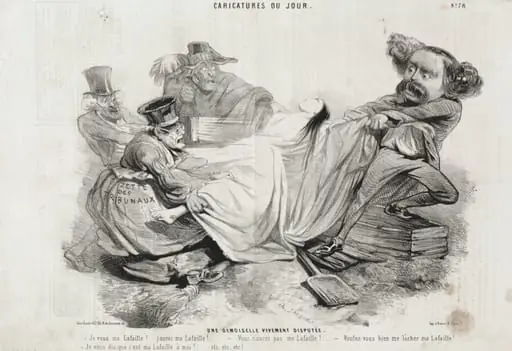
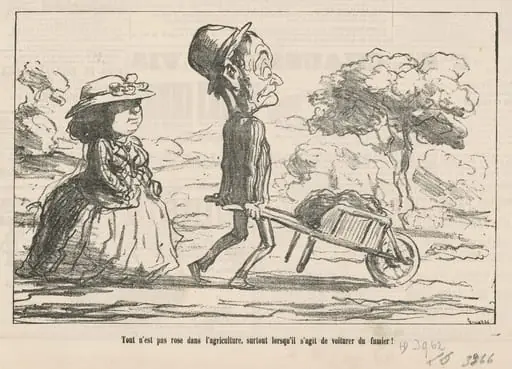
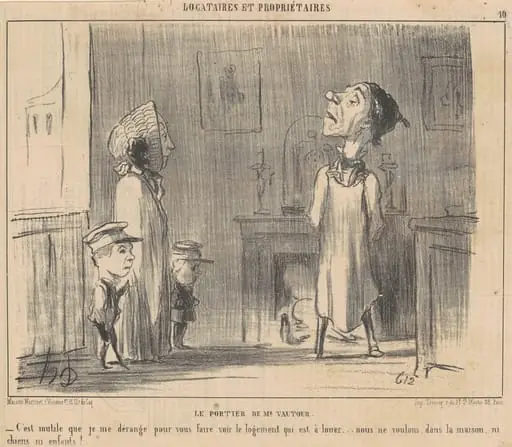
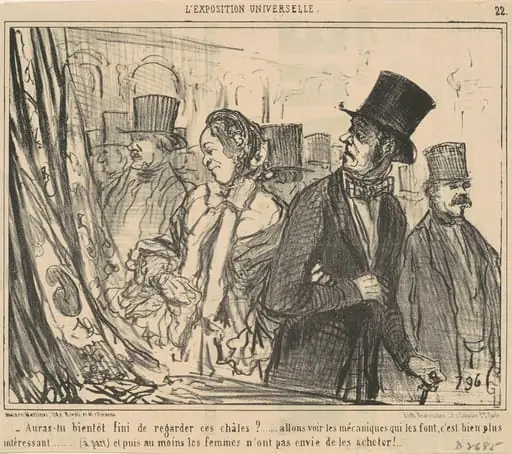
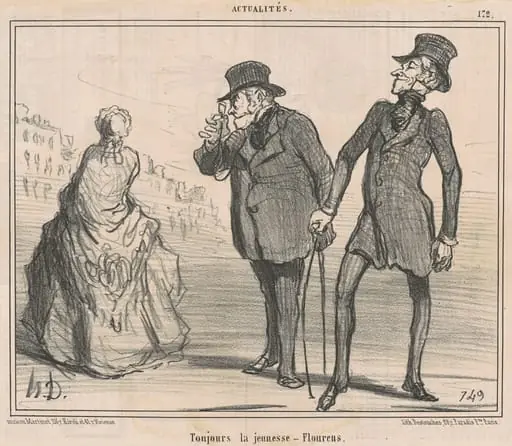
Created in 1865, this lithograph by Honoré Daumier captures a fleeting, absurd moment involving three figures. Rendered in the medium of stone lithography, the work belongs to a series of satirical prints Daumier produced for periodicals. Its informal composition and theatrical setting reflect his interest in everyday social performances, rendered with wit rather than grandeur.
Subject & Meaning
The scene portrays three individuals engaged in an exaggerated, almost ritualistic display, possibly mocking fashion trends or social pretensions. Their distorted physiognomies and awkward postures suggest a critique of performative behavior among the middle class. The tent and trees frame the scene like a roadside spectacle, reinforcing the idea of public spectacle as a form of social theater.
Technique & Style
Daumier employed lithography to achieve rapid, expressive lines and tonal contrasts, typical of his journalistic approach. The ink work is loose yet deliberate, emphasizing gesture over detail. Shadows and contours are simplified, heightening the caricatured effect. This technique allowed for mass reproduction, aligning with his aim to reach a broad audience through illustrated newspapers.
History & Provenance
The print was likely published in a French periodical of the 1860s, where Daumier regularly contributed satirical imagery.
The print was likely published in a French periodical of the 1860s, where Daumier regularly contributed satirical imagery. Though its original publication context is not fully documented, it aligns with his later works that turned away from overt political commentary toward broader social observation. The print survives in museum and private collections, valued for its insight into mid-century French urban life.
Context
In 1860s France, the rise of the bourgeoisie and the proliferation of public leisure activities created new social rituals for artists to observe. Daumier, long critical of class pretensions, used humor to expose the absurdities of conformity. His prints, often dismissed as ephemeral, now serve as records of how ordinary people performed identity in an era of rapid social change.
Legacy
Daumier’s lithographs, including this one, influenced later generations of illustrators and cartoonists who adopted his blend of observation and exaggeration. Though not widely exhibited in his lifetime as fine art, his work is now recognized for its psychological depth and formal innovation. This print exemplifies how satire, when grounded in keen observation, can outlast its immediate context.
Artist & collection

Artist
Honoré-Victorin Daumier was a French painter, sculptor, and printmaker, whose many works offer commentary on the social and political life in France, from the Revolution of 1830 to the fall of the Second French Empire in 1870.