Artwork
Voila une femme qui, a l'heure solennelle...
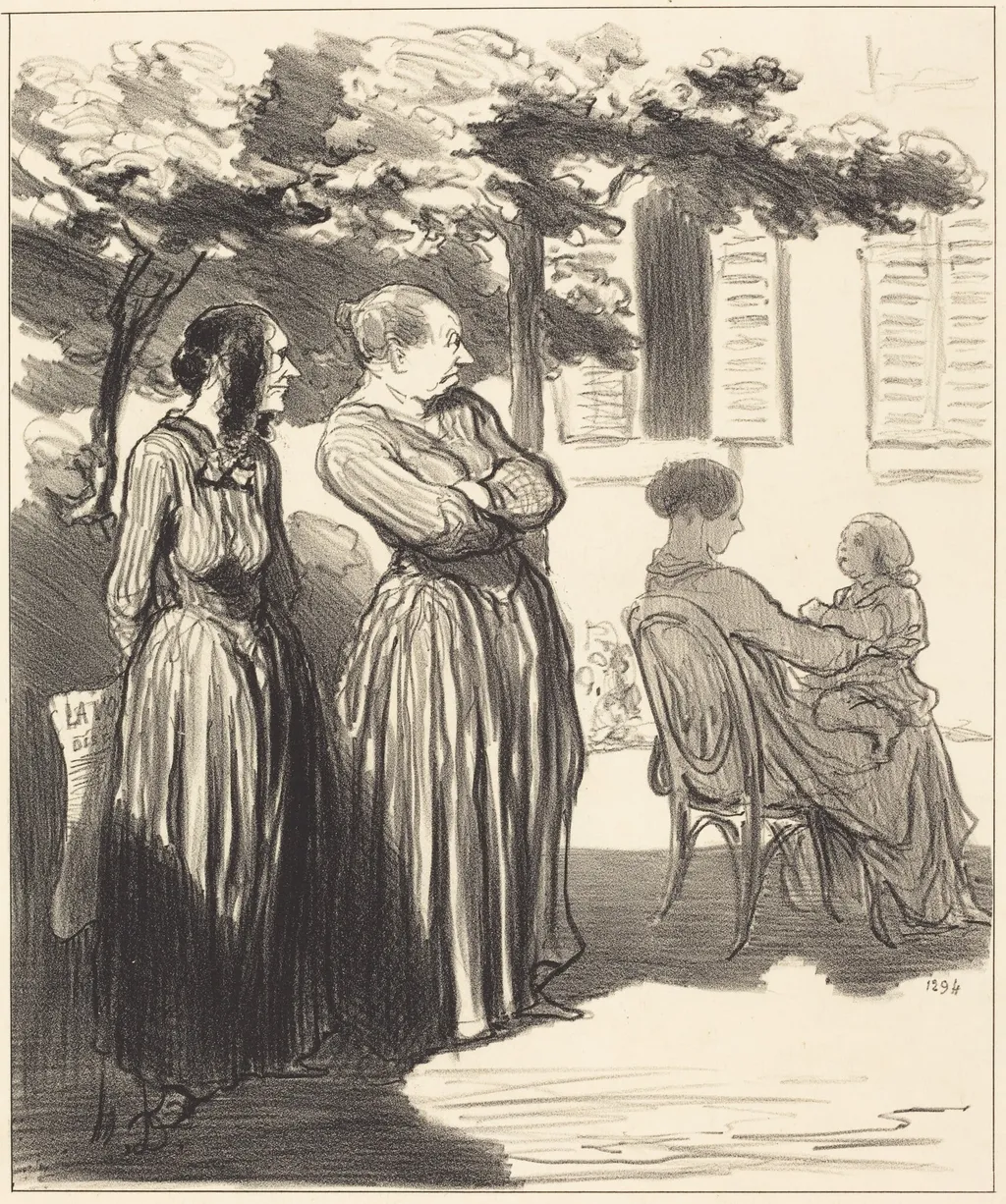
Voila une femme qui, a l'heure solennelle... is an ink print by the Romanticist artist Honoré Daumier. It dates from 1848 and is held in the collection of the National Gallery of Art.
About this work
Overview
Honoré Daumier's 1848 lithograph *Voila une femme qui, à l'heure solennelle...* is a satirical print critiquing societal elements through caricature, characteristic of the artist's republican democratic stance during France's turbulent mid-19th century.
Subject & Meaning
The lithograph depicts a serene scene of four individuals contemplating artworks in a setting with subtle hints of commentary. Two women, a man with a baby, and another leaning forward, all engaged, possibly discussing the art, amidst a backdrop of trees and clouds.
Technique & Style
Executed in lithography, the work features quick, sketchy lines conveying movement and mood. The intimate grouping of figures suggests a shared moment of contemplation, underscored by the artist's expressive, dynamic drawing style.
History & Provenance
Created during the Second Republic, this lithograph was part of Daumier's contributions to satirical publications like *La Caricature* and *Le Charivari*, outlets through which he was widely recognized for his political commentary.
Context
Emerging between the 1830 Revolution and the fall of the Second Empire, the work reflects Daumier's engagement with the social upheaval of his time, targeting the monarchy, aristocracy, and clergy through satire.
Legacy
As part of Daumier's prolific output, *Voila une femme...* contributes to his legacy as a sharp political commentator of 19th-century France, notable for his use of caricature in lithographic prints.
Artist & collection
Artist
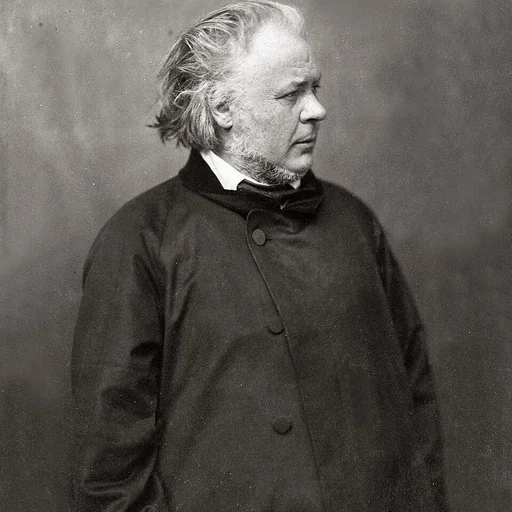
Honoré-Victorin Daumier was a French painter, sculptor, and printmaker, whose many works offer commentary on the social and political life in France, from the Revolution of 1830 to the fall of the Second French Empire in 1870.








 Two Women before a Mirror
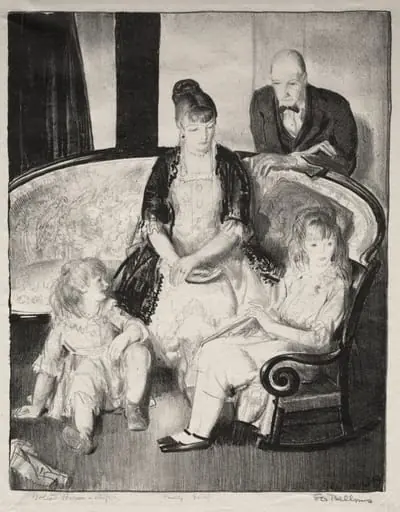 My Family, Second Stone
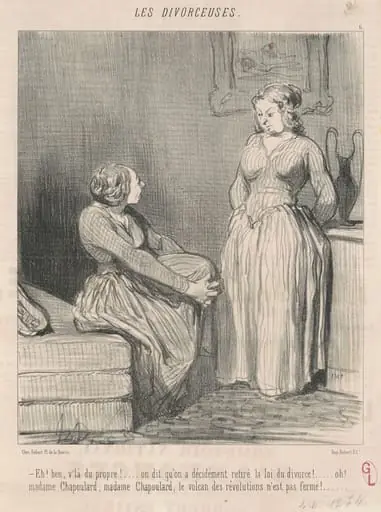 Eh! Ben, v'la du propre! ... on dit ...
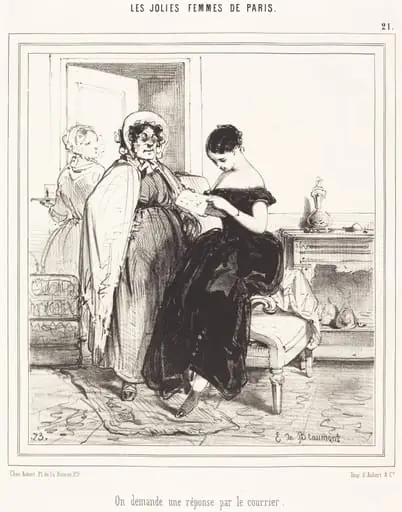 On demande une réponse par le courrier
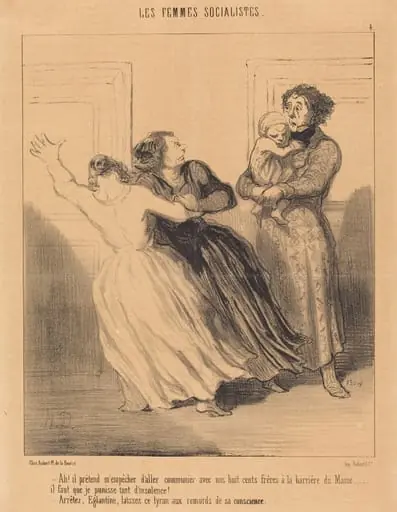 Ah! il prétend m'empêcher d'aller...
 Pierre Copies the Virgin from the Portal of the Church of Marly (Pierre Copie la Vierge du Portail de L'Église de Marly)
 (1er Bas Bleu) - Profitons de l'occasion...
 Mary Cassatt at the Louvre: The Etruscan Gallery
 Le garde national Rifolard ...
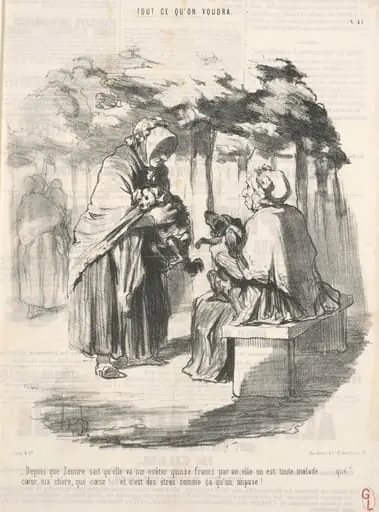 Depuis que Zémire sait qu'elle va me couter quinze francs ...
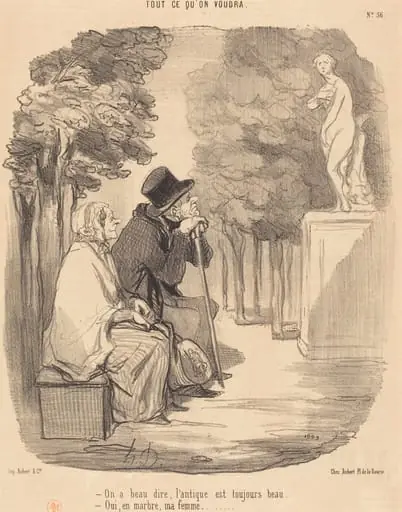 On a beau dire, l'antique est toujours beau...
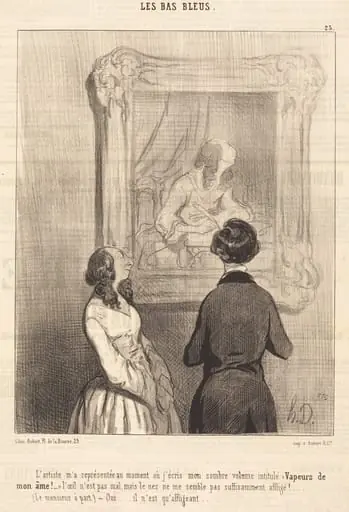 L'Artiste m'a représentée au moment ou j'écris