Artwork
Mary, Queen of Scots
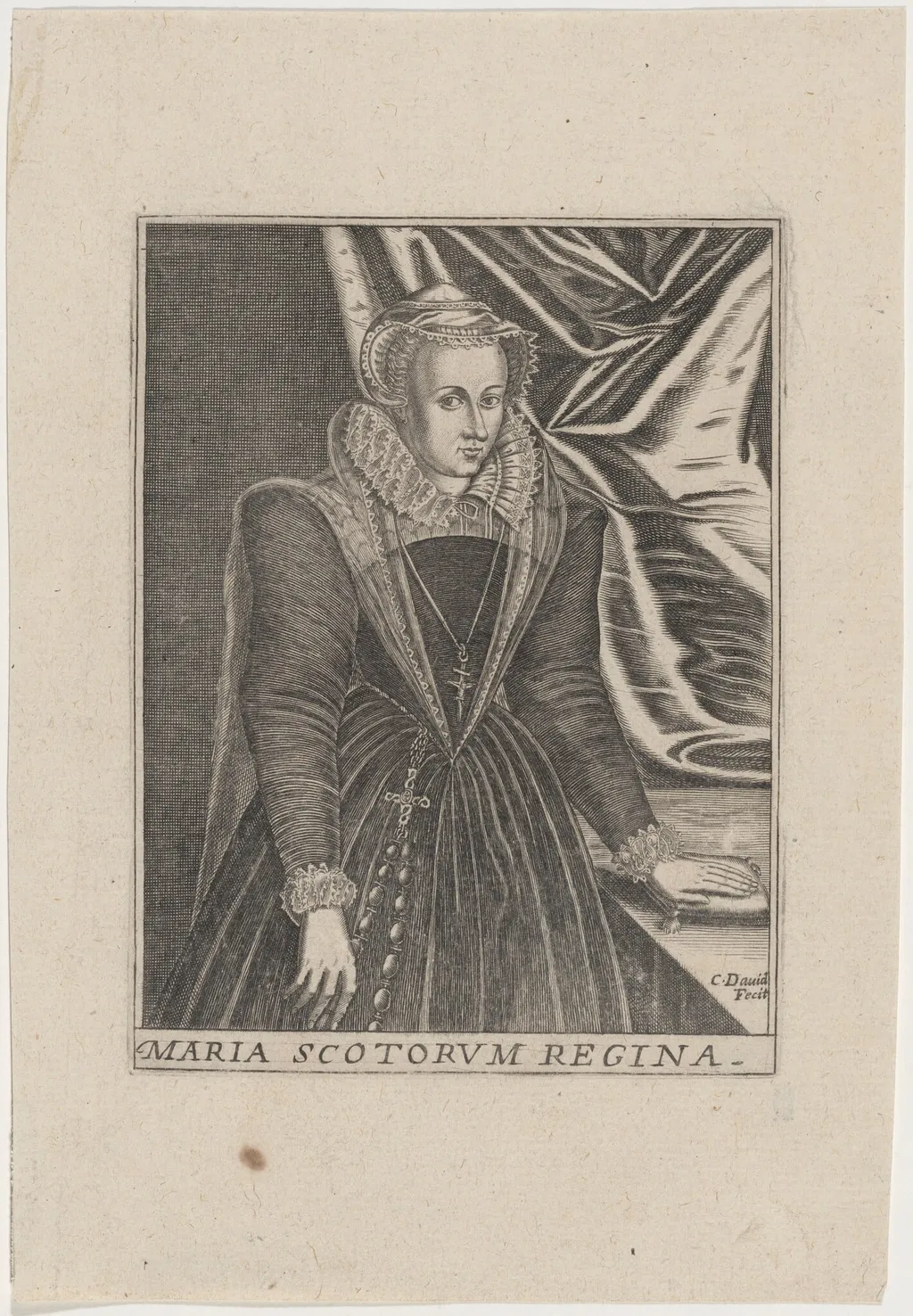
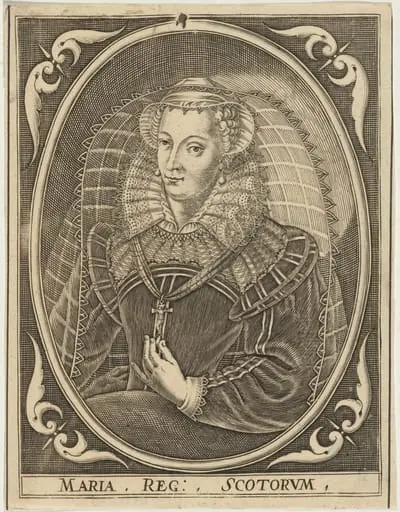
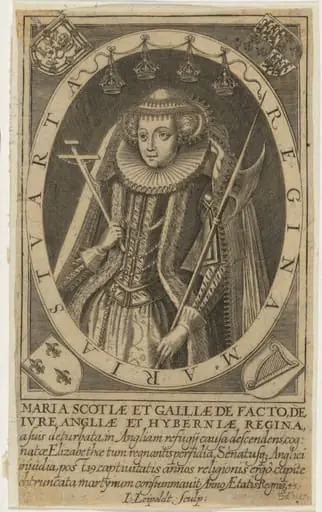
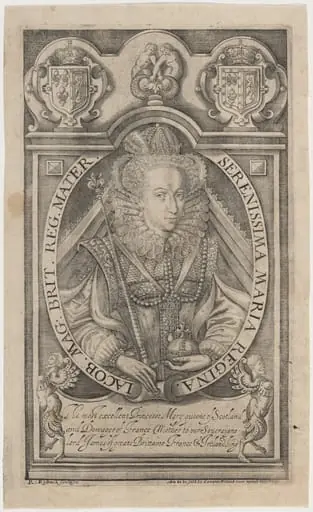
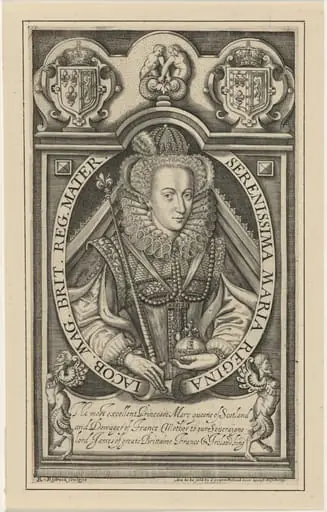
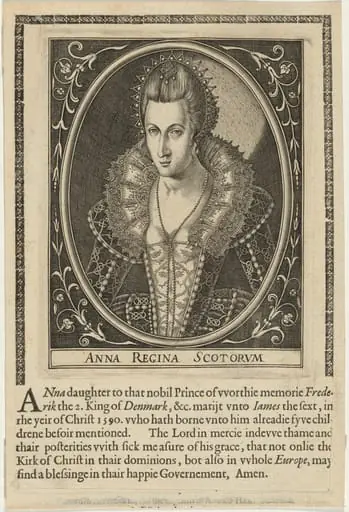
Mary, Queen of Scots is an ink print by the Baroque artist Charles David. It dates from 1619 and is held in the collection of the National Gallery of Art.
About this work
Overview
Charles David’s 1619 engraving presents a portrait of a woman identified by the inscription *Maria Scotorum Regina* as the queen of Scotland. Rendered in black and white, the image captures the sitter in elaborate early‑seventeenth‑century attire, complete with a high ruffled collar, a dark gown, and a pearl necklace, while a fan rests in one hand.
Subject & Meaning
The portrait depicts Mary, Queen of Scots, emphasizing her regal status through luxurious clothing and accessories. Elements such as the fan, the book, and the flower suggest cultivated refinement and intellectual pursuits, aligning the queen’s image with contemporary ideals of noble femininity and authority.
Technique & Style
Executed as an engraving, the work relies on fine incised lines to convey texture and depth, from the intricate ruffles of the collar to the subtle shading of the fabric. The artist’s hand is evident in the precise rendering of the hair, hat, and decorative details, typical of early Baroque printmaking.
History & Provenance
Created in 1619, the print reflects the period shortly after Mary’s execution (1587) and the ongoing interest in her legacy across Europe. The small signature in the corner confirms Charles David’s authorship, though the print’s subsequent ownership and exhibition history remain undocumented.
Context
During the early seventeenth century, portrait engravings served as a means of disseminating royal imagery beyond courtly circles. This image would have circulated among collectors and sympathizers, reinforcing Mary’s symbolic presence despite her exile and death.
Artist & collection

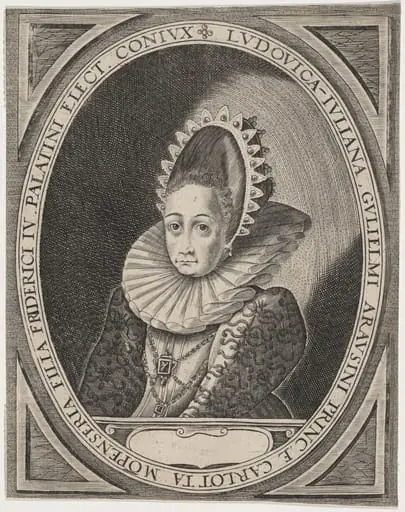 Louise Juliana, Wife of Frederick IV
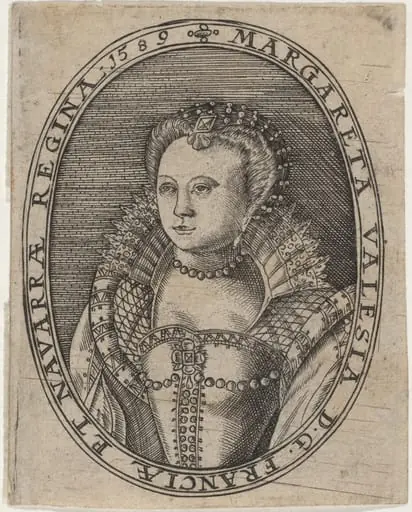 Marguerite de Valois, Wife of Henry of Navarre
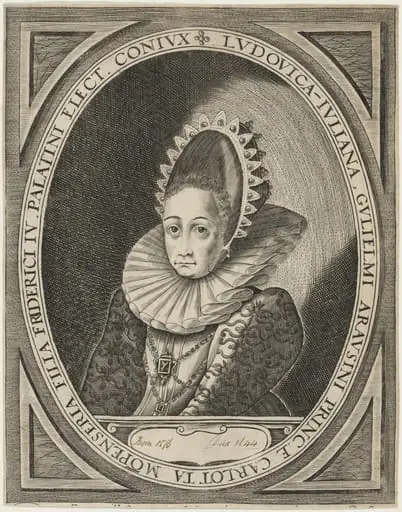 Louise Juliana, Wife of Frederick IV
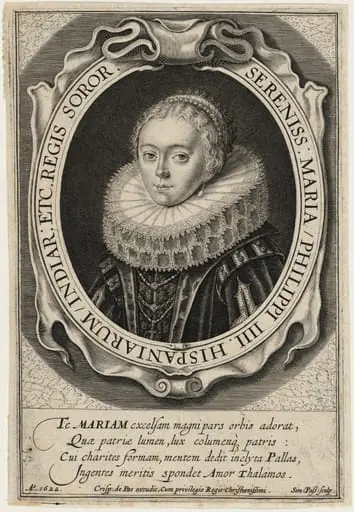 Maria of Austria, Infanta of Spain
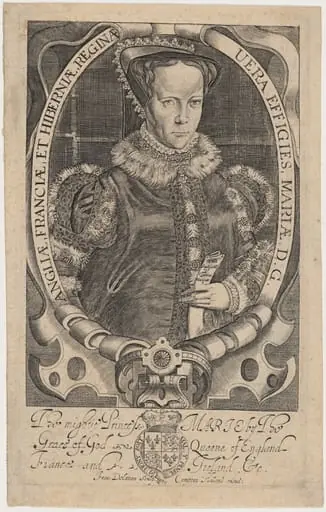 Mariae, D.G. Angliae, Franciae et Hiberniam Reginae (Mary I)
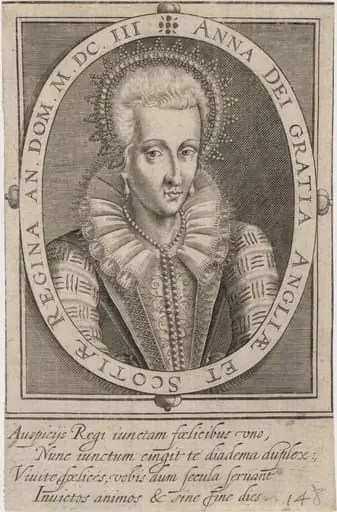 Anne of Denmark, Queen of James I
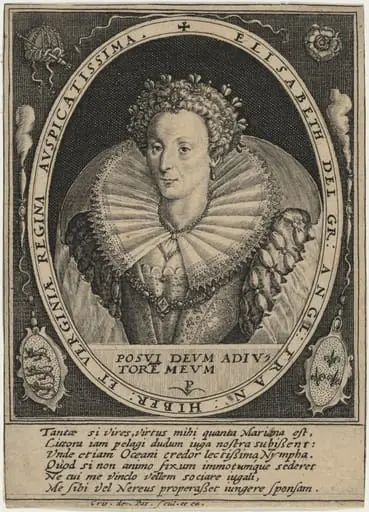 Elizabeth, Queen of England
 Anne of Denmark, Queen of James VI of Scotland