Artwork
Mary, Queen of Scots
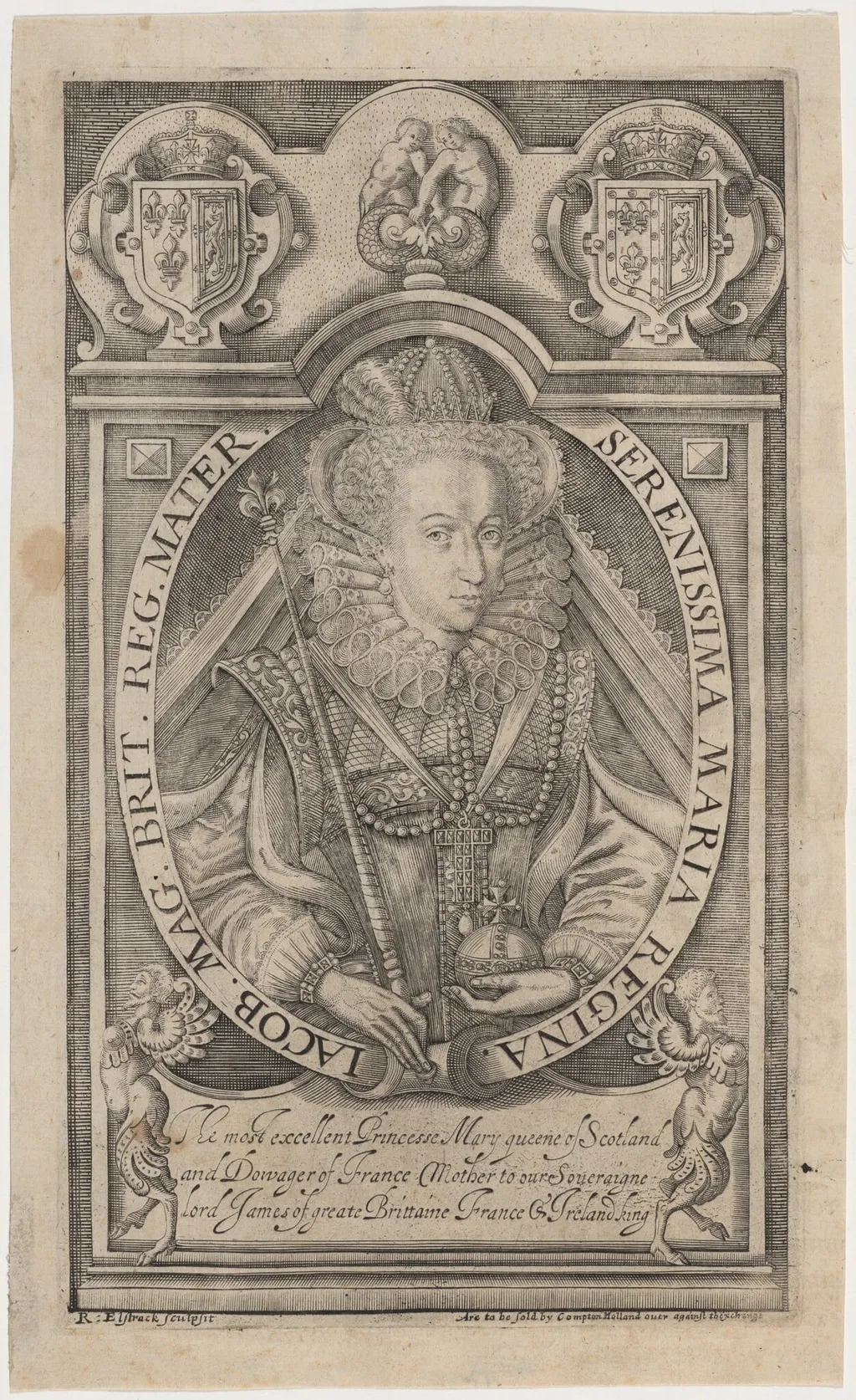
Mary, Queen of Scots is an ink print by the Renaissance artist Renold Elstrack. It dates from 1598 and is held in the collection of the National Gallery of Art.
About this work
Overview
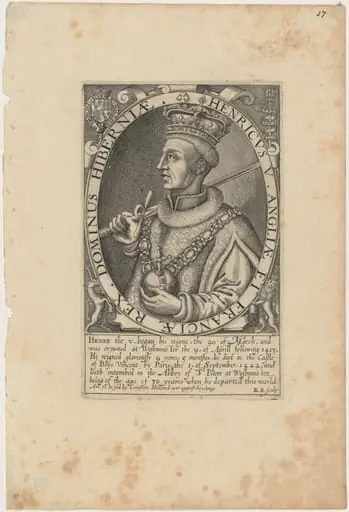
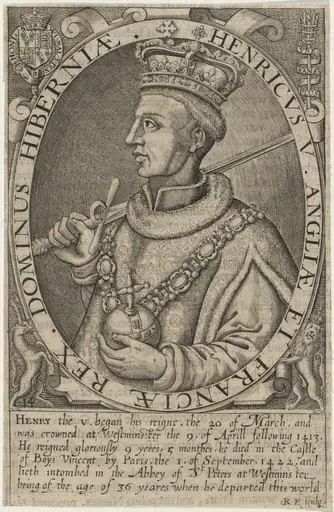
Executed in fine line work typical of late 16th-century printmaking, the image presents her in profile stance, holding symbols of sovereignty.
An engraving by Renold Elstrack, dated 1598, portrays Mary, Queen of Scots in formal regalia. Executed in fine line work typical of late 16th-century printmaking, the image presents her in profile stance, holding symbols of sovereignty. The composition is framed by an ornamental border containing inscriptions and heraldic elements, reflecting the conventions of royal portraiture in early modern Europe.
Subject & Meaning
The figure represents Mary, Queen of Scots, depicted not as she appeared in life but as an idealized monarch. Her scepter and orb signify royal authority, while the elaborate attire and rigid posture convey dignity and permanence. The direct gaze and solemn expression reinforce her status as a sovereign, even in exile, aligning the image with propaganda efforts to sustain her legitimacy among Catholic supporters.
Technique & Style
Elstrack employed fine-line engraving on copper, a technique demanding precision and patience. The intricate detailing of lace, beads, and fabric folds demonstrates mastery of tonal gradation through cross-hatching. The stylized rendering of the ruff and sleeves follows Northern European courtly conventions, while the symmetrical composition and decorative border reflect Renaissance print traditions influenced by Flemish and Dutch models.
History & Provenance
Created in 1598, during Mary’s posthumous veneration, the engraving likely circulated among Catholic sympathizers in England and Europe. Elstrack, a London-based engraver, produced multiple royal portraits for political and devotional use. The print’s survival in institutional collections suggests early acquisition by collectors or religious institutions invested in the Stuart cause.
Context
This image emerged amid intense political and religious conflict following Mary’s execution in 1587. As Protestant rule solidified under Elizabeth I, Catholic circles preserved her memory through visual symbols. Engravings like this served as quiet acts of resistance, offering a counter-narrative to official Tudor portrayals and reinforcing her image as a martyr-queen.
Legacy
Elstrack’s engraving became one of the most widely reproduced likenesses of Mary, Queen of Scots in the early modern period. Its formal composition influenced later portraiture and historical illustrations. Though not based on direct observation, it shaped enduring visual stereotypes of the queen, anchoring her image in public memory for centuries.
Artist & collection