Artwork
Mary, Queen of Scots
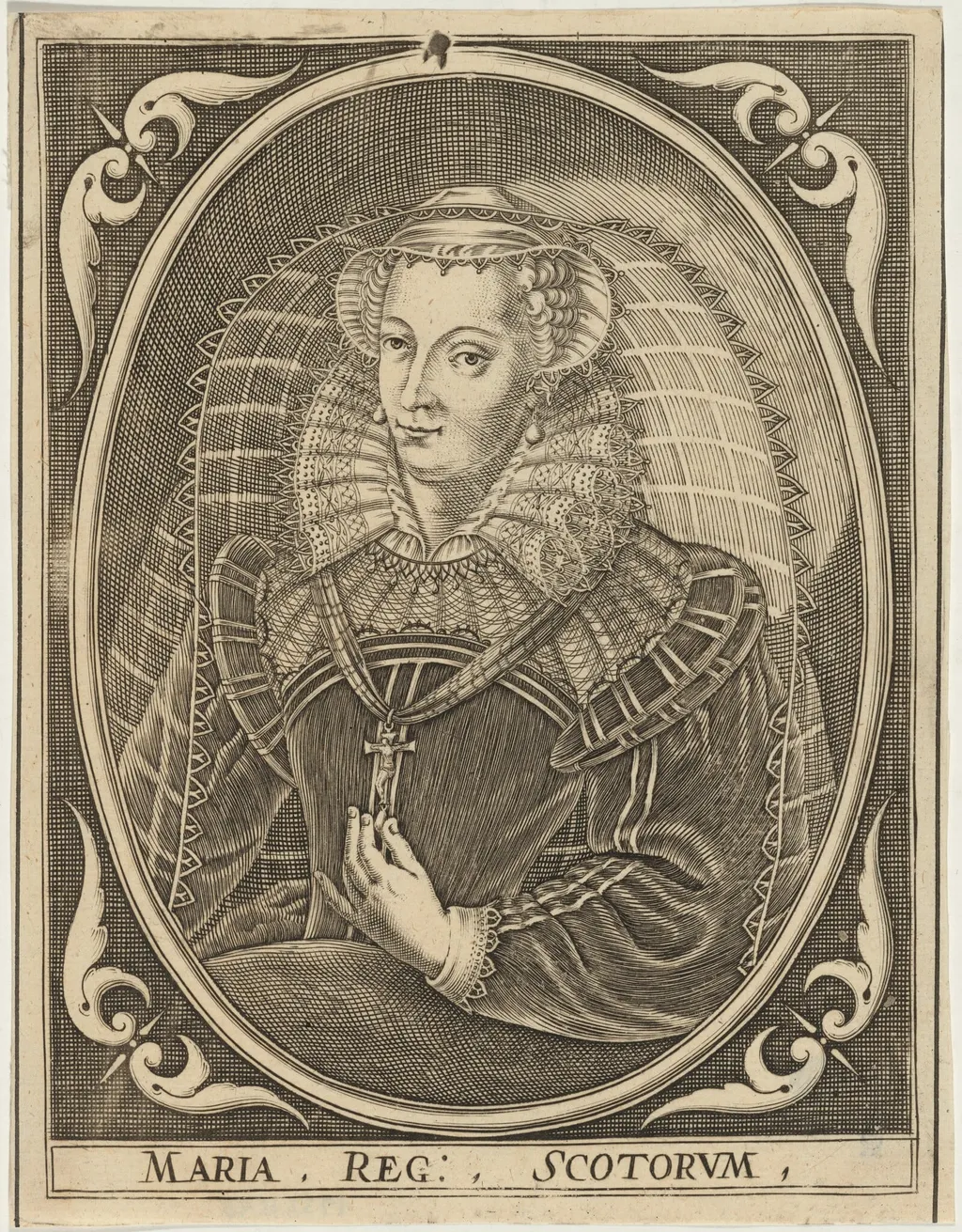
Mary, Queen of Scots is an ink print by the Baroque artist Unknown 19th Century. It dates from 1602 and is held in the collection of the National Gallery of Art.
About this work
Overview
Hand-engraved lines create texture and depth, reflecting the technical skill required to produce such images before mechanical reproduction.
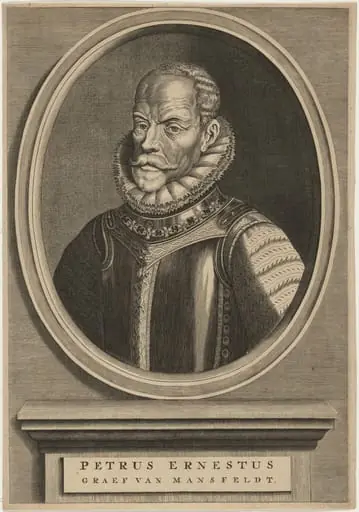
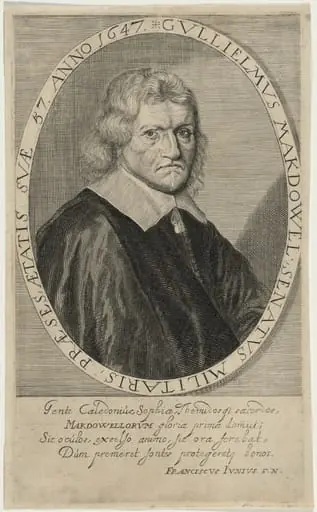
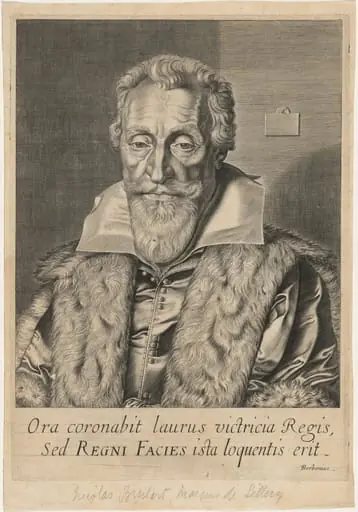
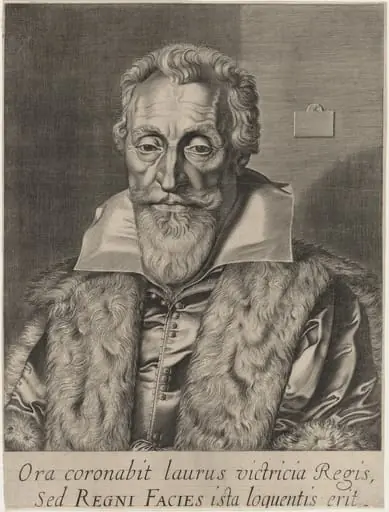
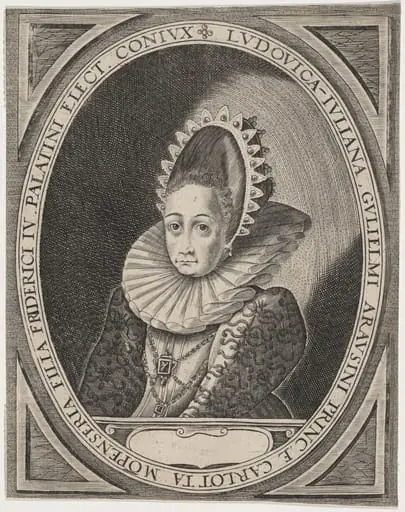
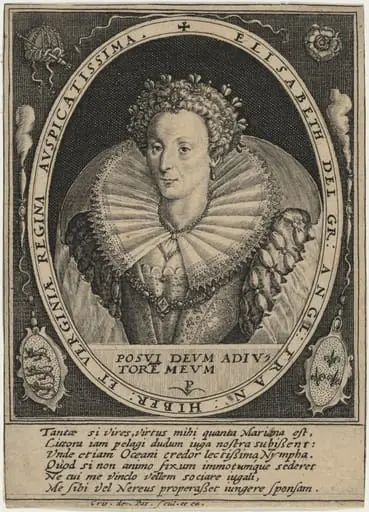
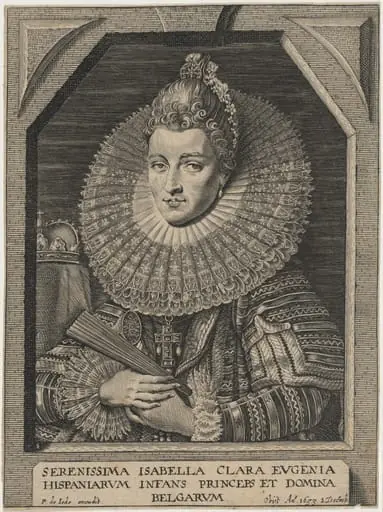
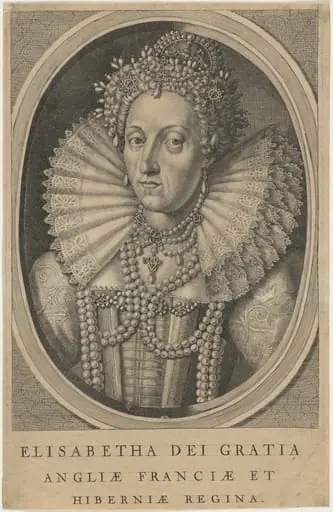
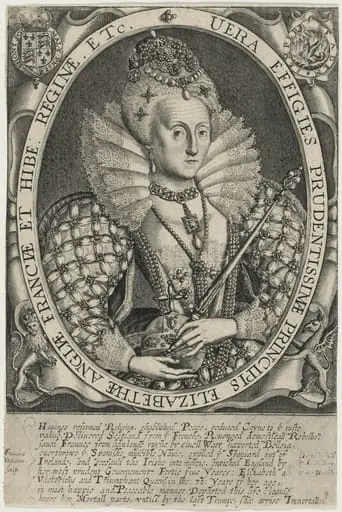
This 1602 engraving depicts Mary, Queen of Scots, rendered in fine linear detail typical of early modern printmaking. The portrait is framed by ornamental borders and bears the Latin inscription identifying her as queen of Scotland. The plain background focuses attention on her composed demeanor and precise attire, emphasizing status over narrative. Hand-engraved lines create texture and depth, reflecting the technical skill required to produce such images before mechanical reproduction.
Subject & Meaning
Mary is portrayed with solemnity, her gaze direct and unsmiling, conveying dignity amid political turmoil. The globe beneath her left hand suggests sovereignty over territory, while the small object in her right hand—possibly a symbol of authority or piety—remains ambiguous. The restrained composition avoids overt symbolism, instead projecting an image of regal composure, likely intended to reinforce her legitimacy in the eyes of viewers familiar with her contested reign.
Technique & Style
The image was created through hand-engraved lines on a metal plate, inked and pressed onto paper. Fine, controlled strokes model the folds of her ruff and the contours of her face, while cross-hatching builds subtle tonal gradations. The decorative border, with its swirling motifs, contrasts with the clarity of her portrait, highlighting the artisan’s dual focus on realism and ornamental tradition common in portraiture of the period.
History & Provenance
Produced in 1602, nearly half a century after Mary’s execution, the engraving emerged during a time when her legacy was being reevaluated in England and Europe. It likely circulated among collectors and political observers, serving as a visual reference for her identity. No specific printer or artist is recorded, but its craftsmanship suggests it originated from a professional print workshop in England or the Low Countries.
Context
In the early 17th century, printed portraits of historical figures were increasingly used to shape public memory. Mary’s image, though long deceased, remained politically charged due to her claim to the English throne and her Catholic faith. This engraving reflects a broader trend of using portraiture to stabilize historical narratives, particularly for figures whose lives had ended in controversy and violence.
Legacy
As one of the earliest widely circulated engravings of Mary, Queen of Scots, it contributed to the visual canon of her likeness in European culture. Though not based on a contemporary portrait, its formal qualities influenced later depictions. The work endures as an example of how print media helped preserve and standardize the appearance of historical figures long after their deaths.
Artist & collection

Artist