Artwork
Woman with a Mirror, from the Villa Borghese
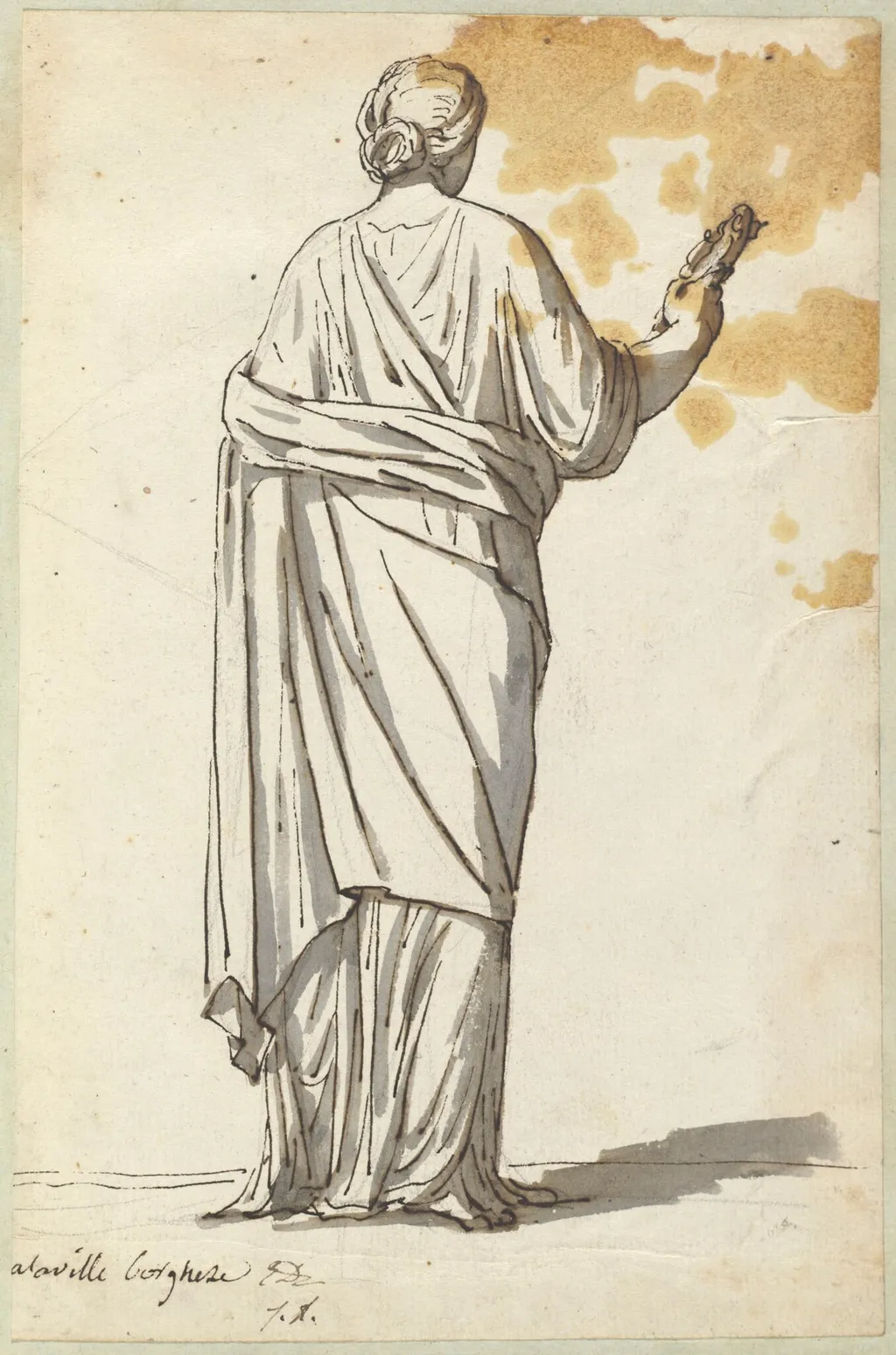
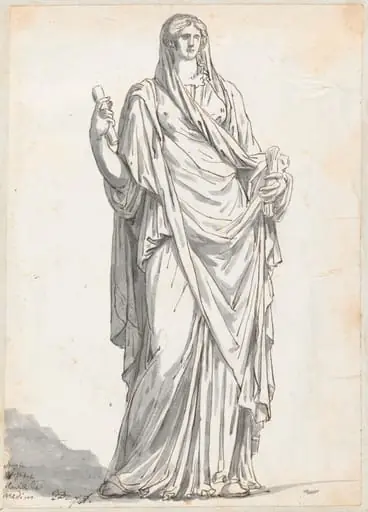
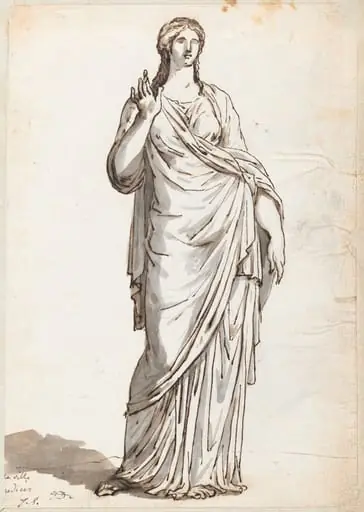
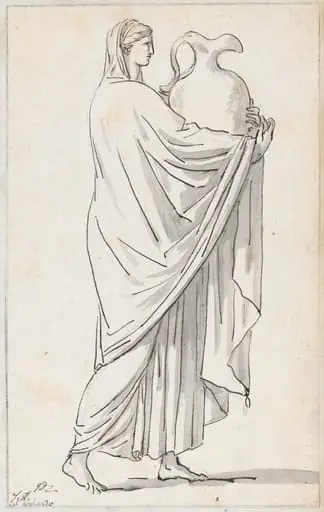
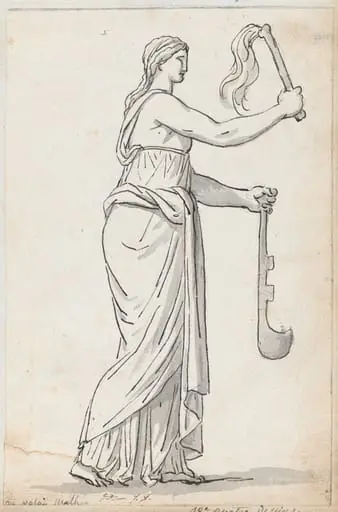
Woman with a Mirror, from the Villa Borghese is an ink drawing by the Neoclassicist artist Jacques-Louis David. It dates from 1778 and is held in the collection of the National Gallery of Art.
About this work
Overview
Woman with a Mirror, from the Villa Borghese is a drawing executed in brown ink with gray wash over graphite on laid paper, partially stained with oil. Created in 1778, it is attributed to the French artist Jacques-Louis David.
Subject & Meaning
The drawing depicts a woman viewed from behind, dressed in a long, intricately folded robe, with her hair styled in a bun. She stands on a flat surface, engaged with a mirror she holds, inviting interpretation of her introspective or vanity-driven moment.
Technique & Style
David employed a combination of brown ink for outlines, gray wash for shading, and graphite for initial sketches. The careful rendering of the robe's folds showcases his attention to detail and mastery of capturing texture through mixed media.
History & Provenance
Originally from the Villa Borghese, the drawing is now part of the National Gallery of Art's collection in Washington, D.C., as part of a broader assembly of David's works.
Context
Created during the Neoclassical period, the piece reflects David's early adherence to classical themes and techniques, though the subject's everyday, personal moment offers a nuanced take on traditional classical motifs.
Legacy
As part of David's oeuvre, the drawing contributes to the understanding of his development and the broader Neoclassical movement, though its specific impact or influence on later artists is not distinctly highlighted in available records.
Artist & collection
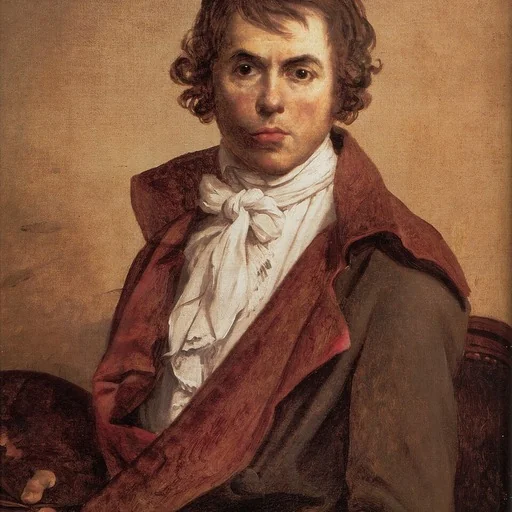
Artist
Jacques-Louis David was born in Paris on 30 August 1748 into a bourgeois family; his father died in a duel when the boy was nine, and a maternal uncle guided his education.

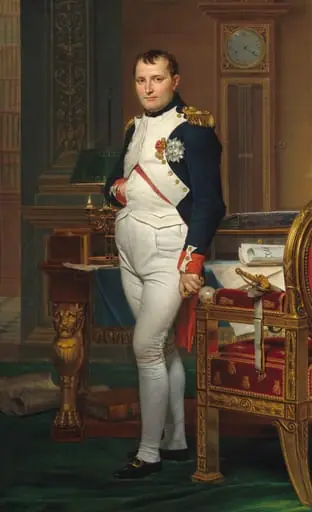 The Emperor Napoleon in His Study at the Tuileries
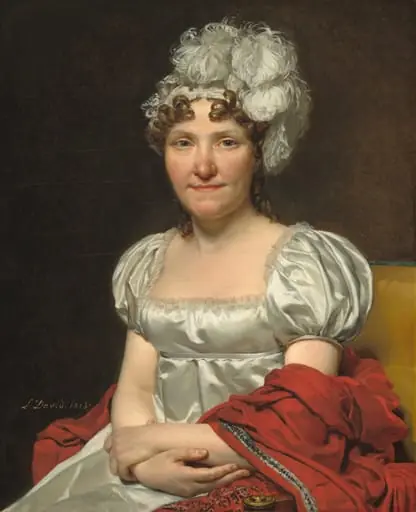 Madame David
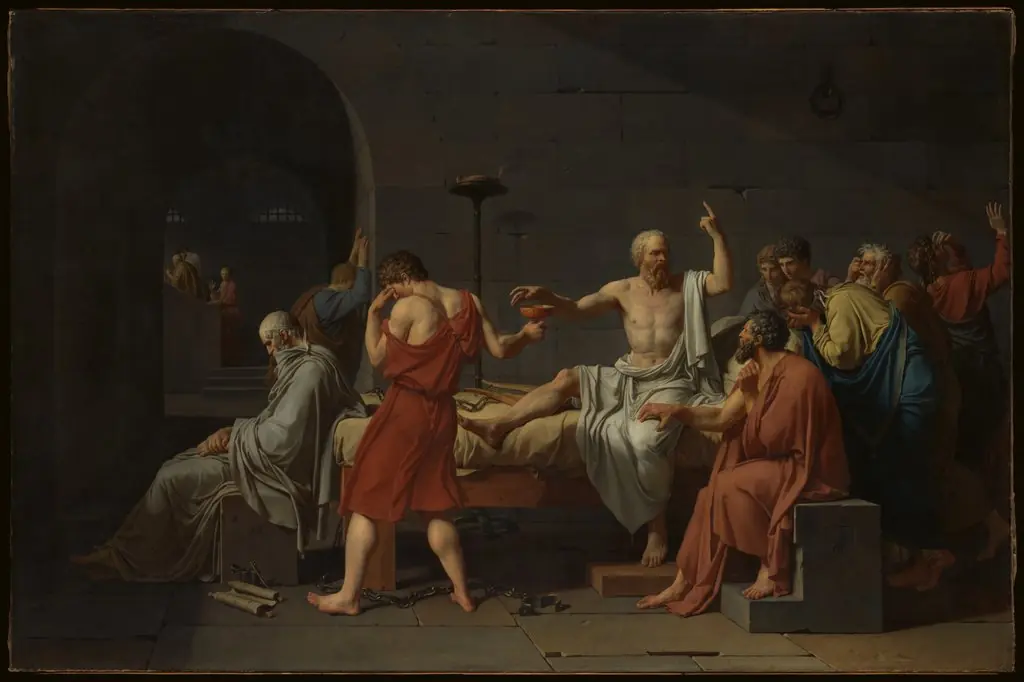 The Death of Socrates
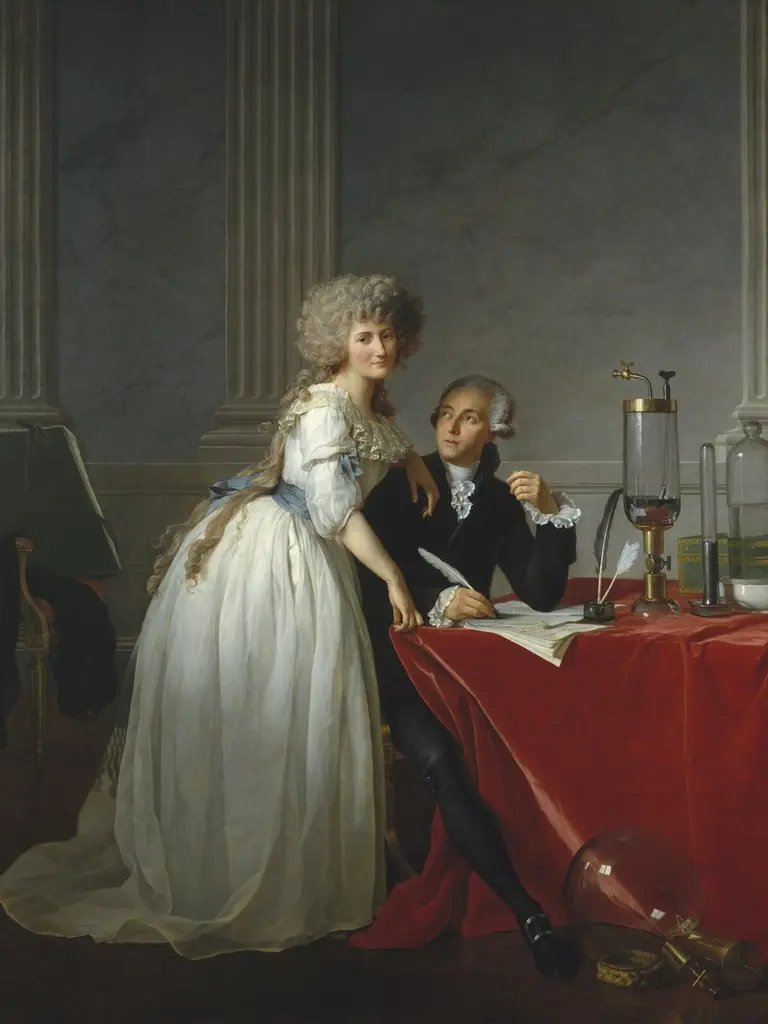 Portrait of Antoine-Laurent Lavoisier and his wife
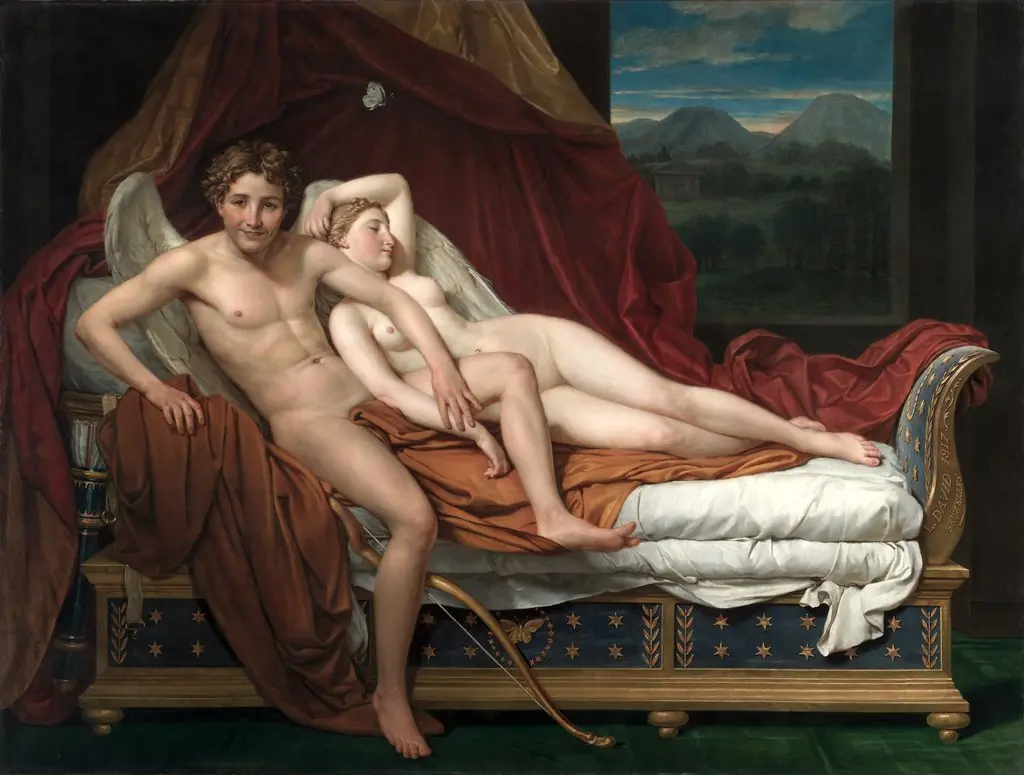 Cupid and Psyche
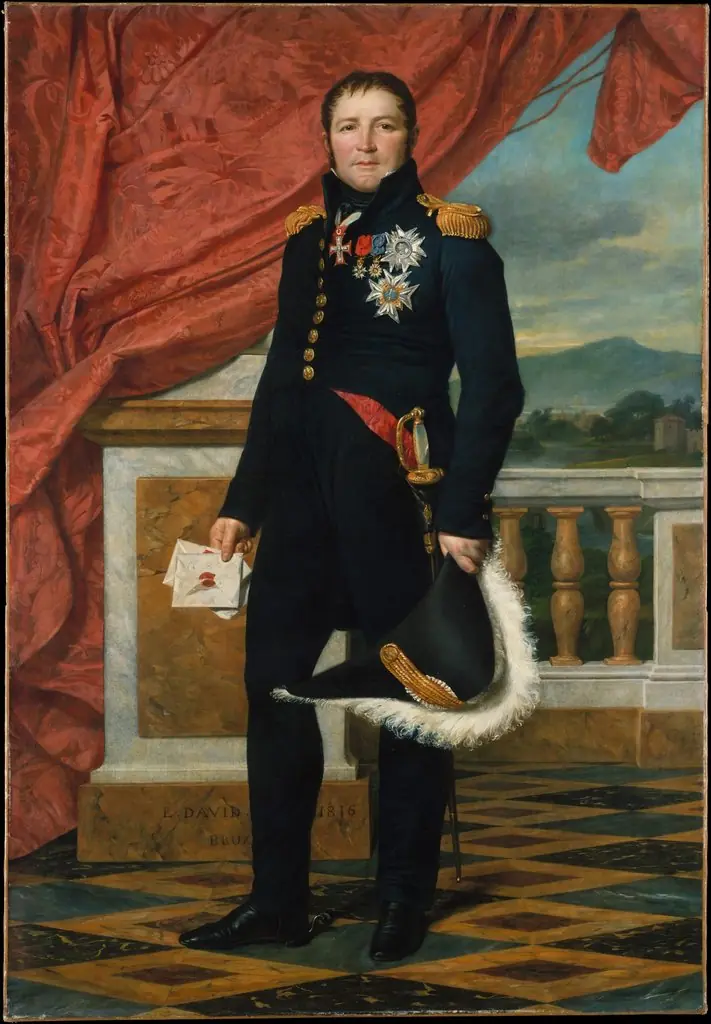 General Étienne-Maurice Gérard (1773–1852), Marshal of France
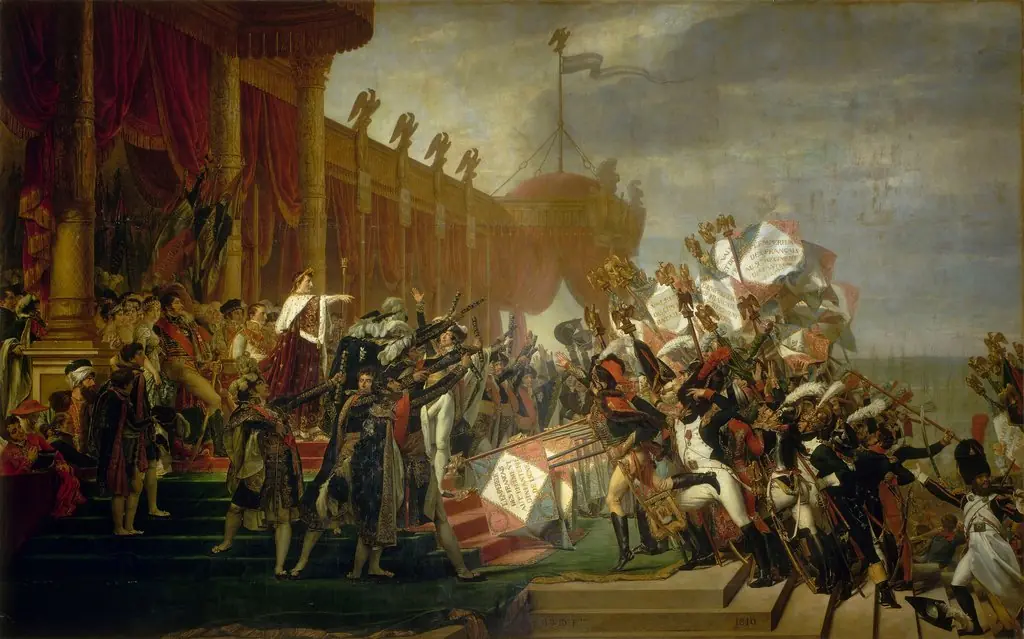 The Distribution of the Eagle Standards
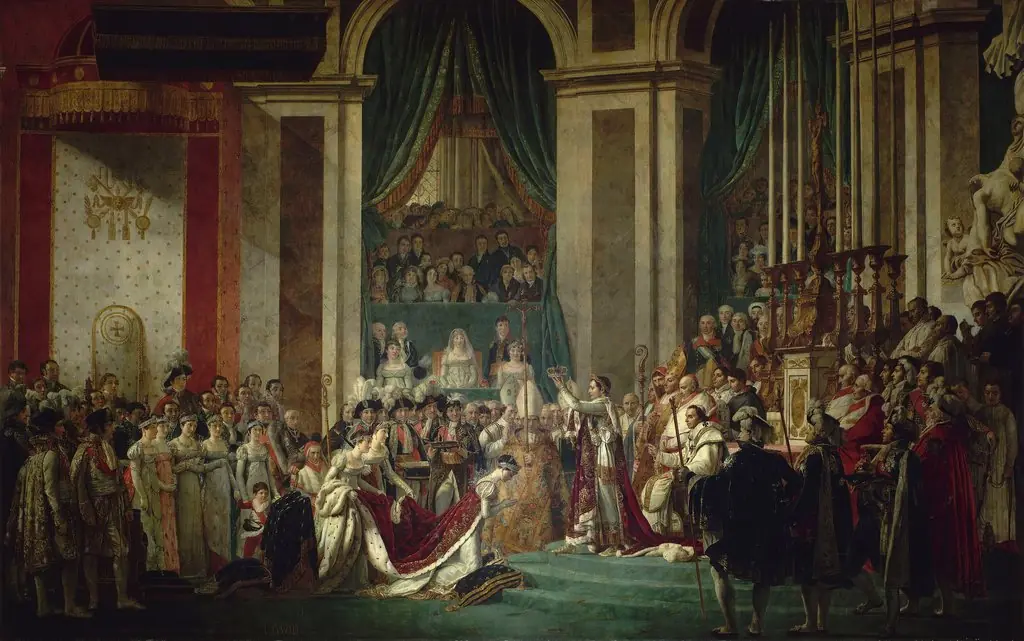 Coronation of Emperor Napoleon I and Coronation of the Empress Josephine