Artwork
Leucothea, Side View
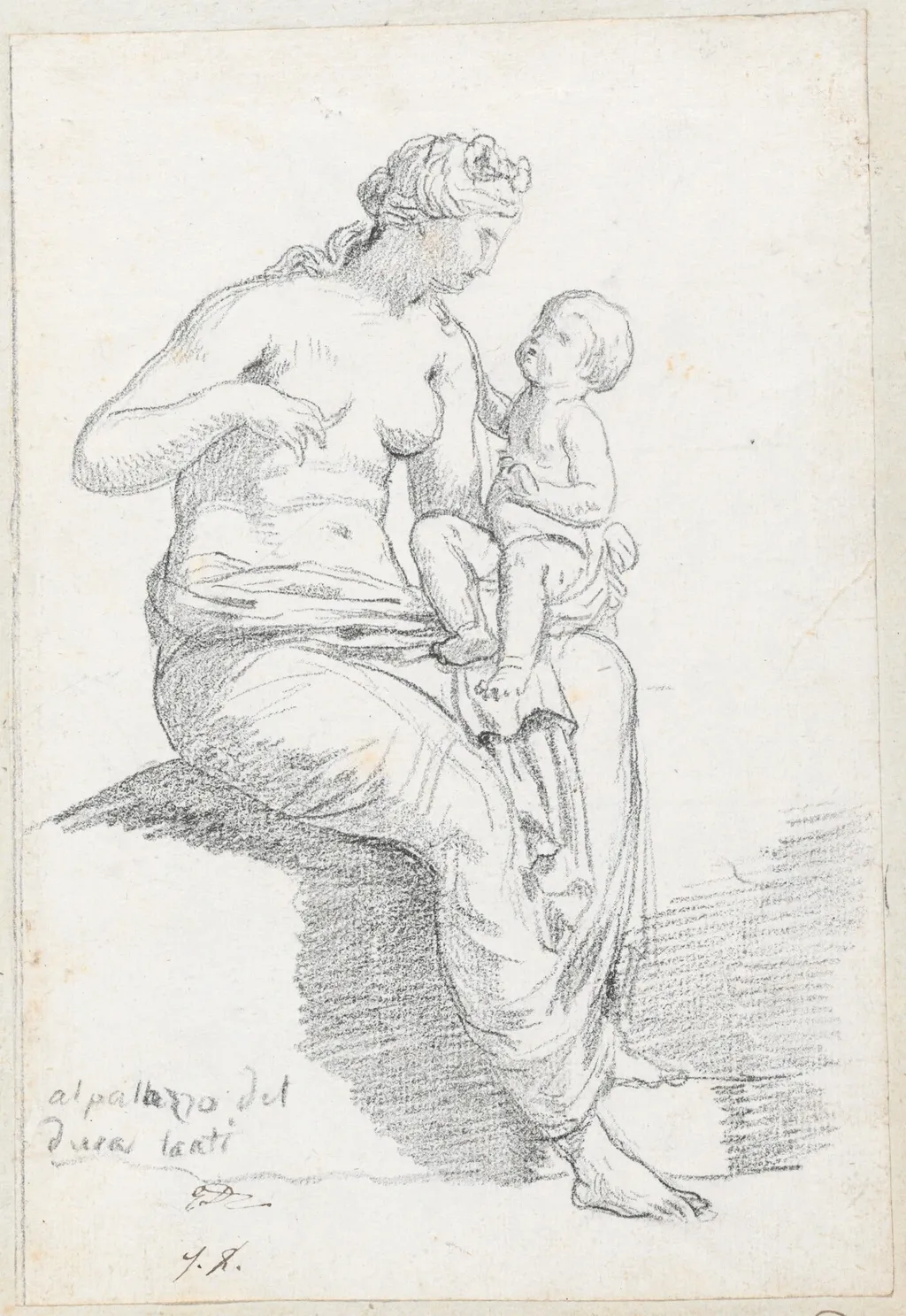
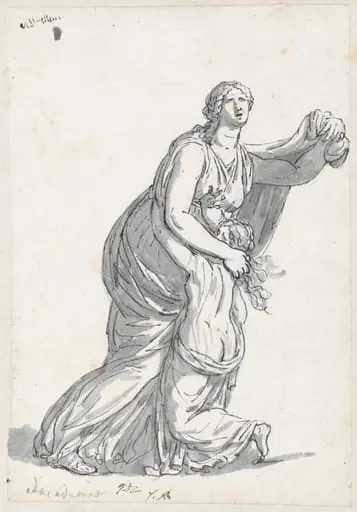
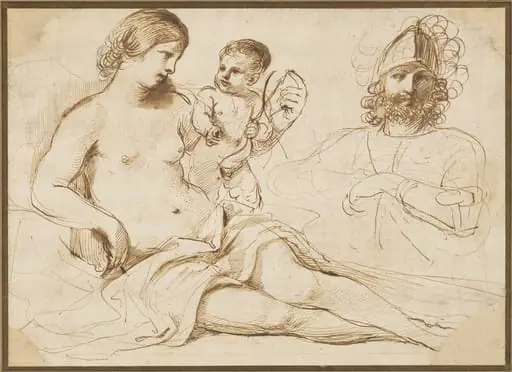
Leucothea, Side View is a chalk drawing by the Neoclassicist artist Jacques-Louis David. It dates from 1778 and is held in the collection of the National Gallery of Art.
About this work
Overview
The composition focuses on a quiet, intimate moment between a woman and an infant, rendered with careful attention to form and gesture.
This drawing, executed in 1778 by Jacques-Louis David, depicts a seated female figure in black chalk on laid paper. The composition focuses on a quiet, intimate moment between a woman and an infant, rendered with careful attention to form and gesture. The medium’s soft tonal range allows for subtle modeling of volume, characteristic of David’s early studies before his shift toward neoclassical history painting.
Subject & Meaning
The figure is identified as Leucothea, a sea goddess from Greek myth who, in some traditions, is associated with protection and maternal care. Here, she is portrayed not as a divine being in grandeur but as a tender, earthly mother, cradling her child with quiet dignity. The gaze exchanged between them suggests a moment of private connection, emphasizing humanity over mythological spectacle.
Technique & Style
David employed black chalk to achieve a range of soft grays and deep shadows, using hatching and smudging to define the contours of the body and fabric. The draped cloth is rendered with fluid lines that suggest weight and texture, while the bare upper torso is modeled with delicate gradations. The drawing’s intimacy and focus on anatomical truth reflect academic training and a preoccupation with classical ideals.
History & Provenance
Created during David’s time in Rome as a recipient of the Prix de Rome, this work belongs to a series of figure studies he made while absorbing classical sculpture and Renaissance art. It was likely a preparatory exercise for larger compositions, though no known finished painting directly corresponds to it. The drawing remained in David’s possession and later entered a private collection before being acquired by its current institution.
Context
In the late 1770s, David was immersed in the study of antiquity, producing numerous figure drawings to refine his understanding of form and expression. While Romanticism would later emphasize emotion and individualism, this work predates that movement, aligning instead with the emerging neoclassical emphasis on clarity, restraint, and idealized beauty drawn from ancient sources.
Legacy
Though not widely exhibited, this drawing exemplifies David’s rigorous approach to the human form during his formative years. It reveals his commitment to studying the body through direct observation, a practice that underpinned his later monumental works. As a private study, it offers insight into the quiet, methodical process behind his public achievements.
Artist & collection

Artist
Jacques-Louis David was born in Paris on 30 August 1748 into a bourgeois family; his father died in a duel when the boy was nine, and a maternal uncle guided his education.

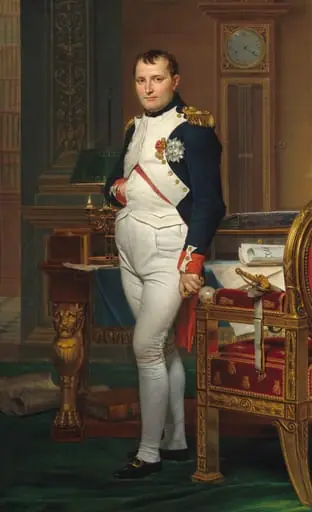 The Emperor Napoleon in His Study at the Tuileries
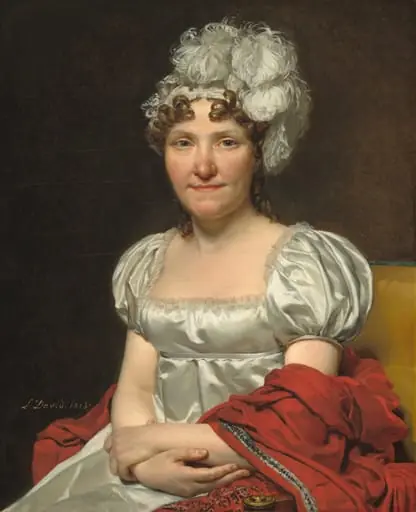 Madame David
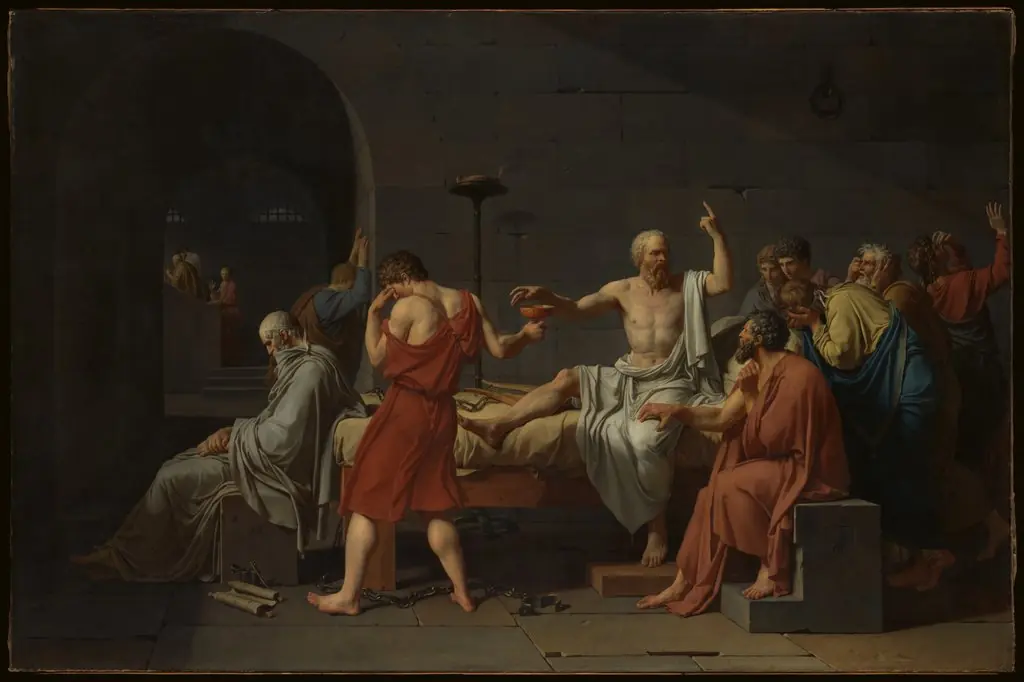 The Death of Socrates
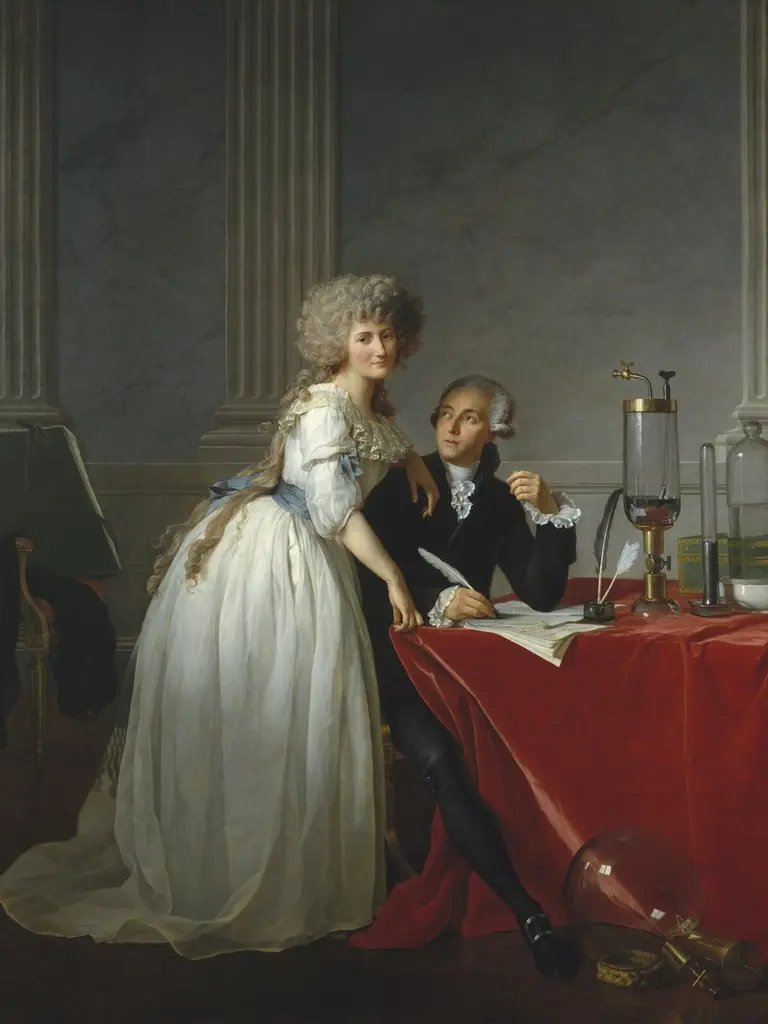 Portrait of Antoine-Laurent Lavoisier and his wife
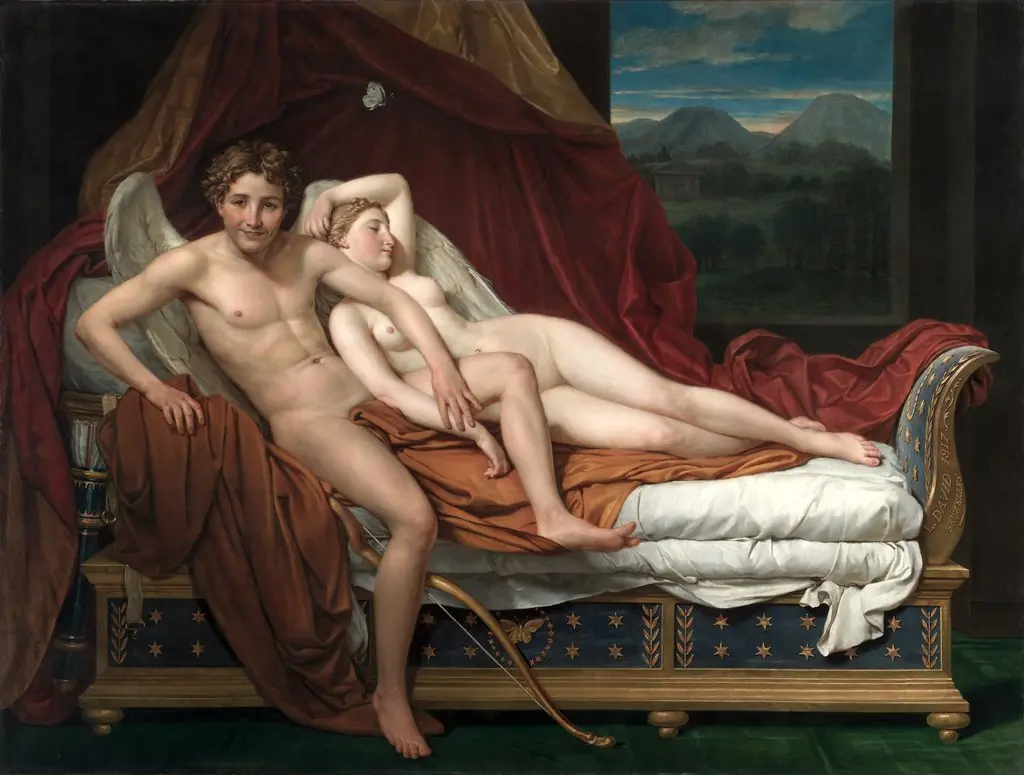 Cupid and Psyche
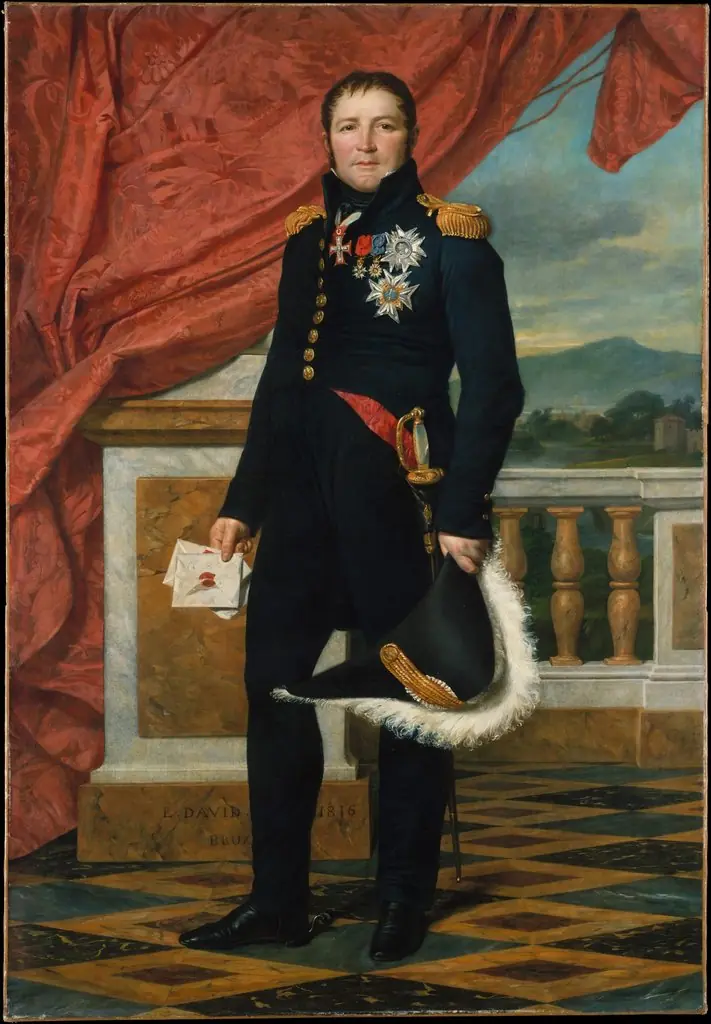 General Étienne-Maurice Gérard (1773–1852), Marshal of France
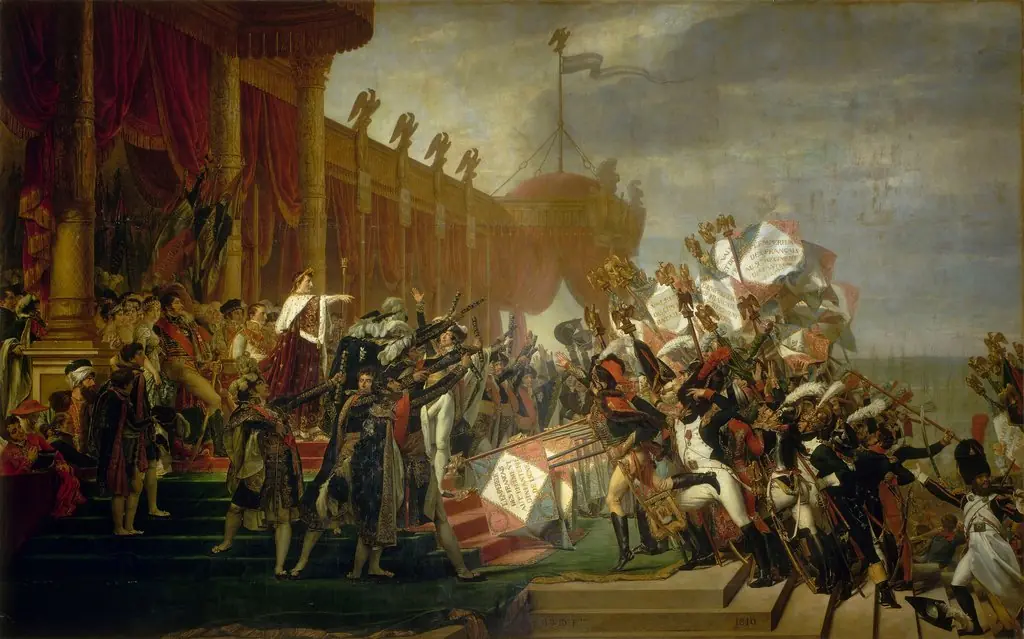 The Distribution of the Eagle Standards
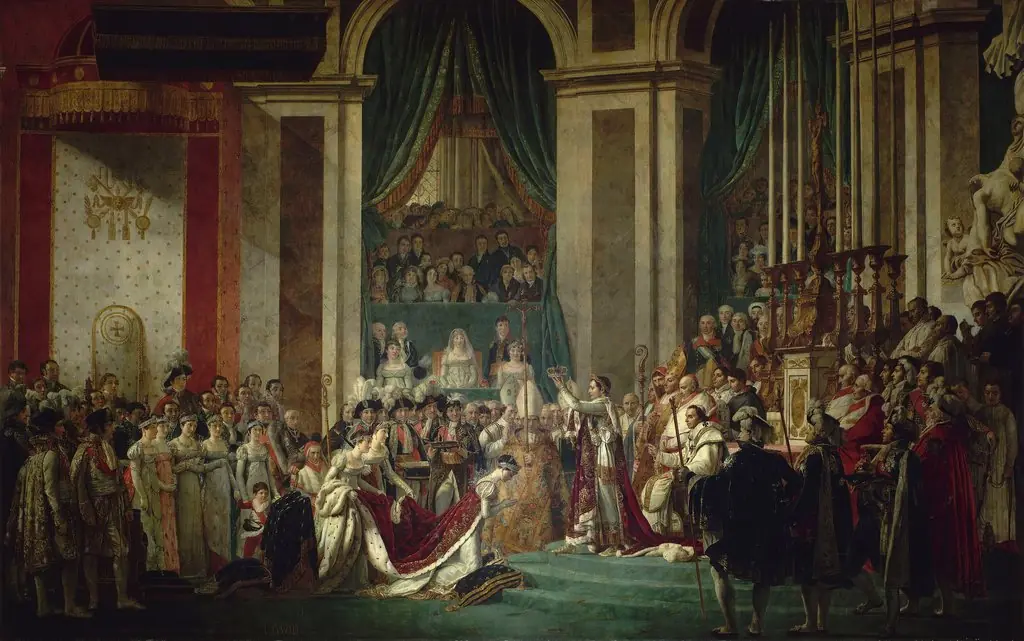 Coronation of Emperor Napoleon I and Coronation of the Empress Josephine