Artwork
Round Pitcher
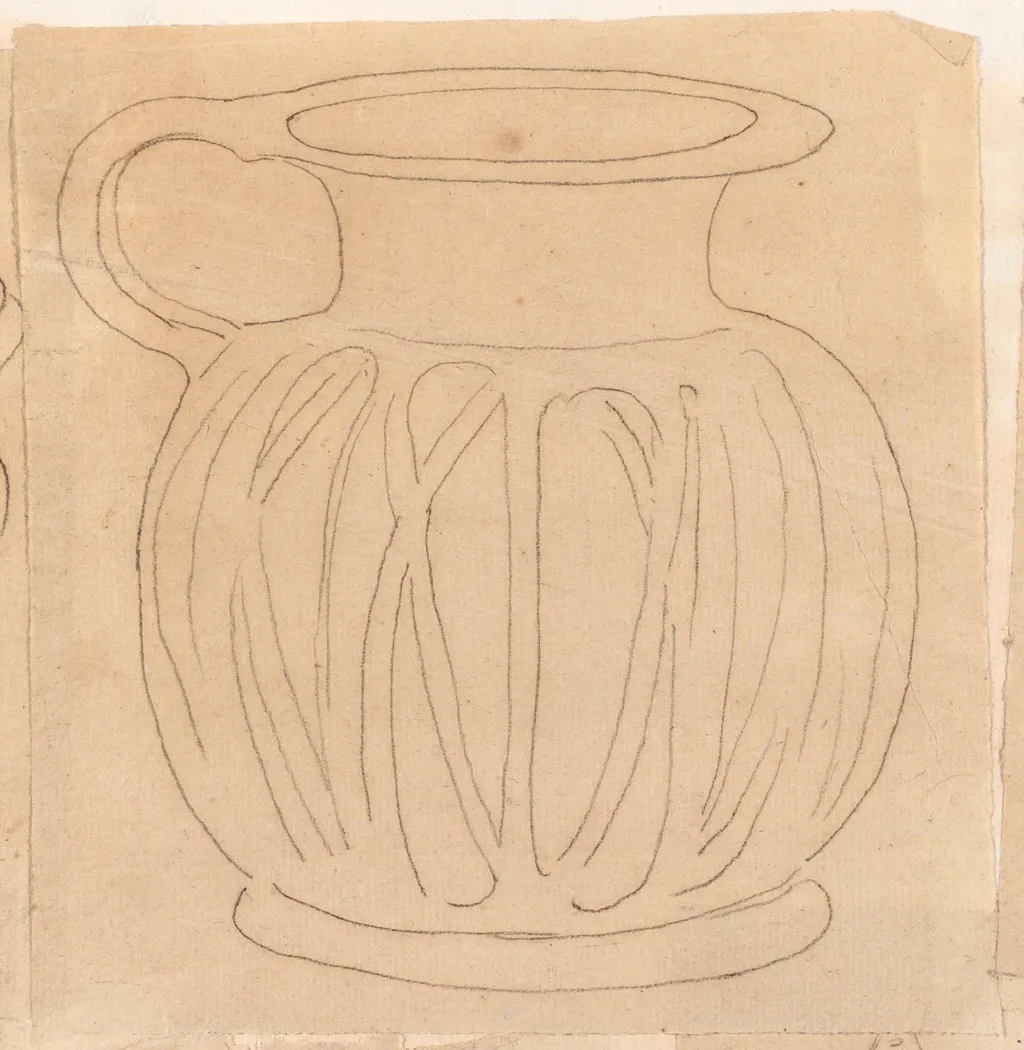
Round Pitcher is an oil drawing by the Neoclassicist artist Jacques-Louis David. It dates from 1778 and is held in the collection of the National Gallery of Art.
About this work
Overview
The absence of background or context emphasizes the pitcher as the sole subject, revealing David’s engagement with quiet, observational practice.
Round Pitcher is a drawing executed in 1778 by Jacques-Louis David using transfer tracing on oiled laid paper. Unlike his large-scale historical compositions, this work focuses on a single domestic object. The technique involves tracing pencil lines onto a surface treated with oil, resulting in softened, fluid contours. The absence of background or context emphasizes the pitcher as the sole subject, revealing David’s engagement with quiet, observational practice.
Subject & Meaning
The subject is a simple, rounded pitcher with a minimal handle and spout, rendered without ornamentation or symbolic intent. Its mundanity contrasts with David’s usual grand themes, suggesting a study in form and volume rather than narrative. The choice of an ordinary vessel may reflect an exercise in precision or a personal moment of stillness, offering insight into the artist’s private process beyond public commissions.
Technique & Style
David employed transfer tracing on oiled paper, a method that preserves the original pencil marks while introducing a subtle blurring effect. The oil medium allows the lines to bleed slightly, creating a tactile, almost atmospheric quality. The lack of erasure or revision gives the drawing a direct, unmediated feel, capturing the motion of the artist’s hand as it followed the pitcher’s contours with deliberate, unhurried strokes.
History & Provenance
Created during David’s early career, this drawing likely served as a preparatory study or personal exercise, possibly made while he was refining his draftsmanship before major commissions. Its survival suggests it was retained by the artist or his circle, valued for its technical clarity rather than its subject. No documented exhibition or ownership history exists prior to its inclusion in modern collections.
Context
In the late 1770s, David was transitioning from academic training to establishing his reputation as a history painter. While contemporaries focused on mythological or heroic themes, this work reveals a quieter side of his practice—engaging with still life not as a genre, but as a means to hone observation. Such studies were common among artists refining their handling of form, though few were preserved as independently significant.
Legacy
Round Pitcher stands as a rare example of David’s intimate, non-narrative work, offering a counterpoint to his monumental paintings. It illustrates how even artists known for grandeur engaged in quiet, tactile exploration. The drawing’s preservation highlights the value placed on process over product in artistic training, and it continues to inform understanding of his technical development beyond public acclaim.
Artist & collection
Artist
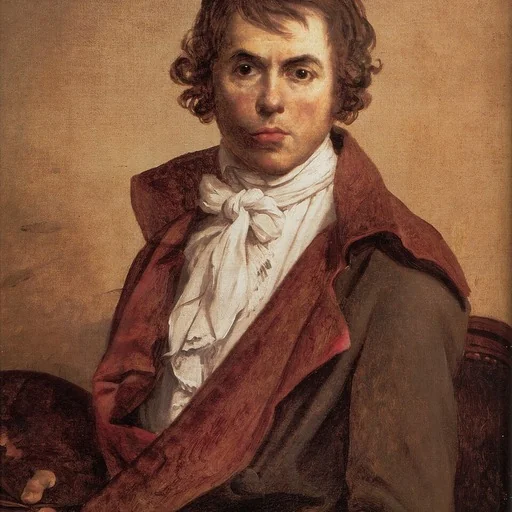
Jacques-Louis David was born in Paris on 30 August 1748 into a bourgeois family; his father died in a duel when the boy was nine, and a maternal uncle guided his education.

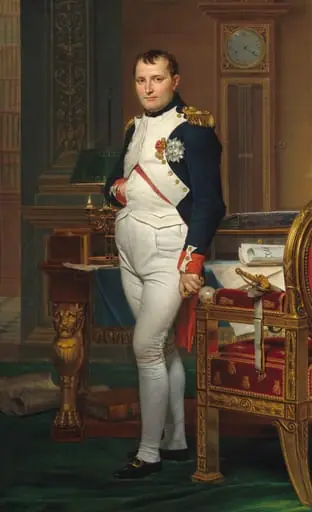 The Emperor Napoleon in His Study at the Tuileries
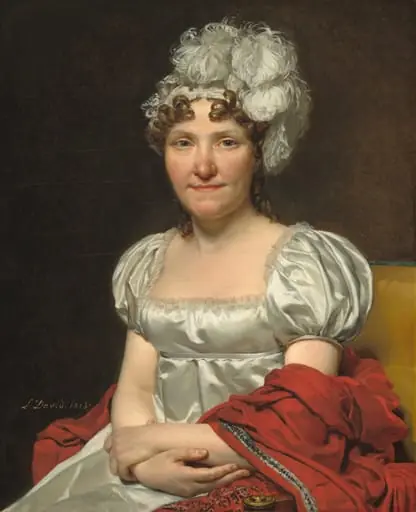 Madame David
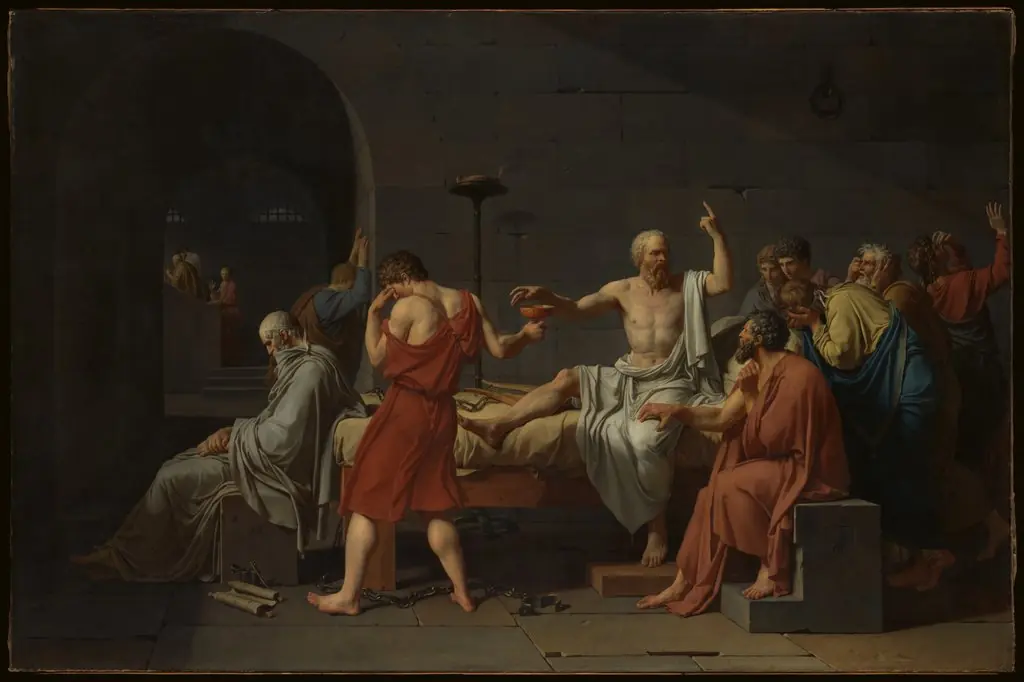 The Death of Socrates
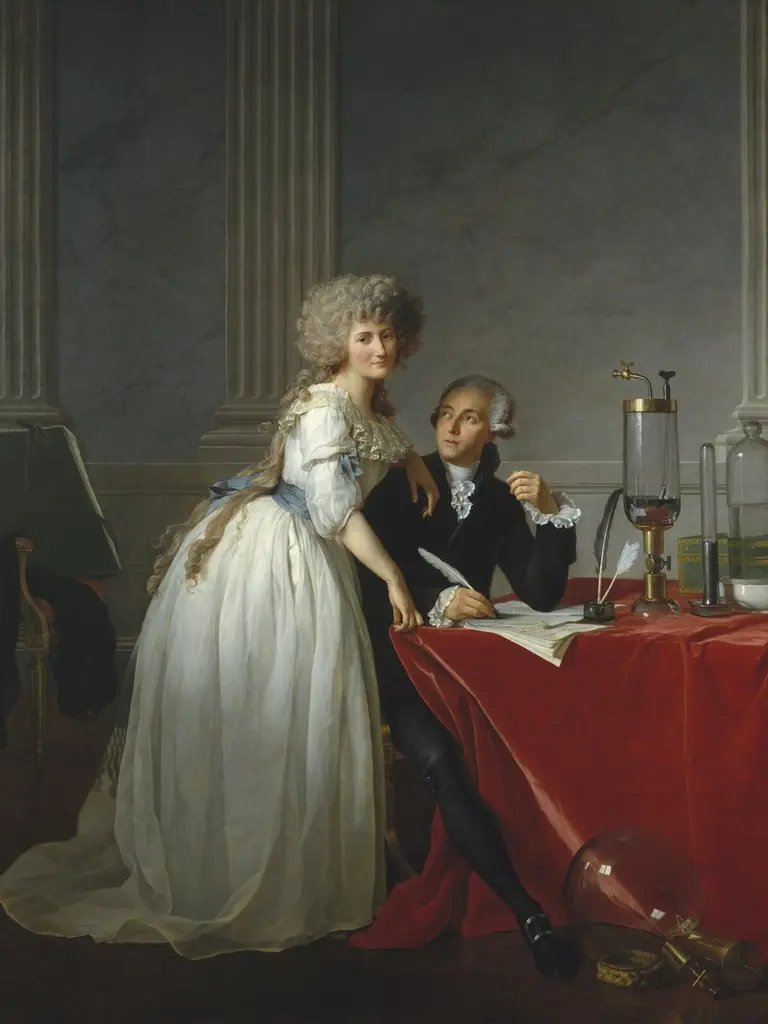 Portrait of Antoine-Laurent Lavoisier and his wife
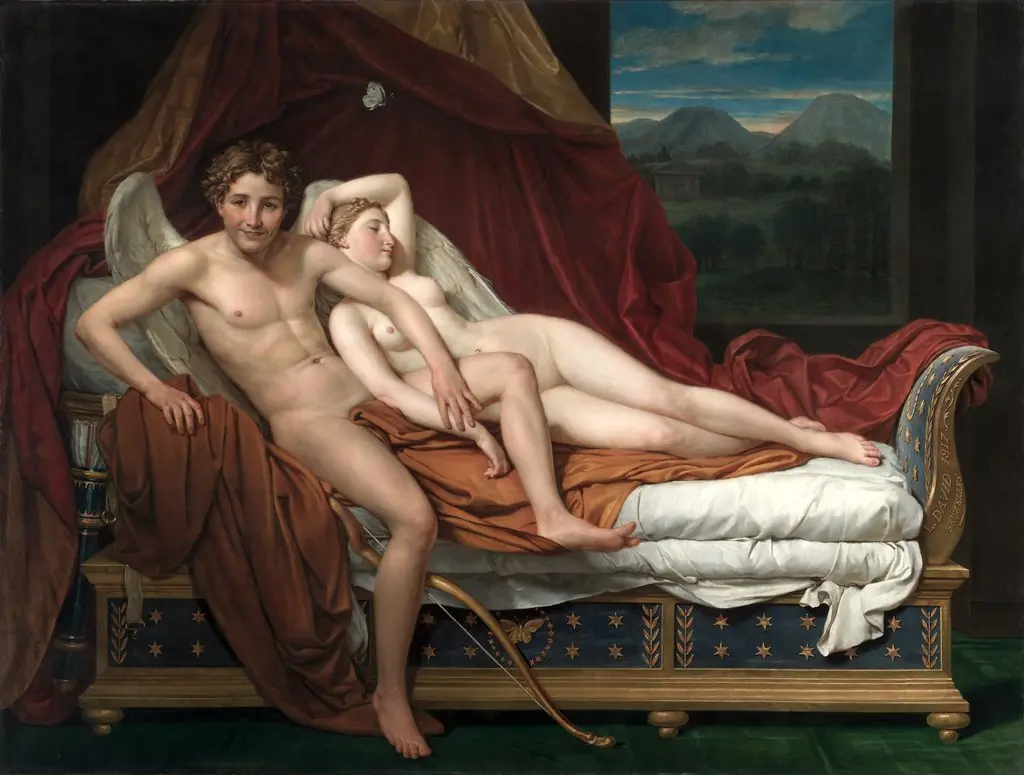 Cupid and Psyche
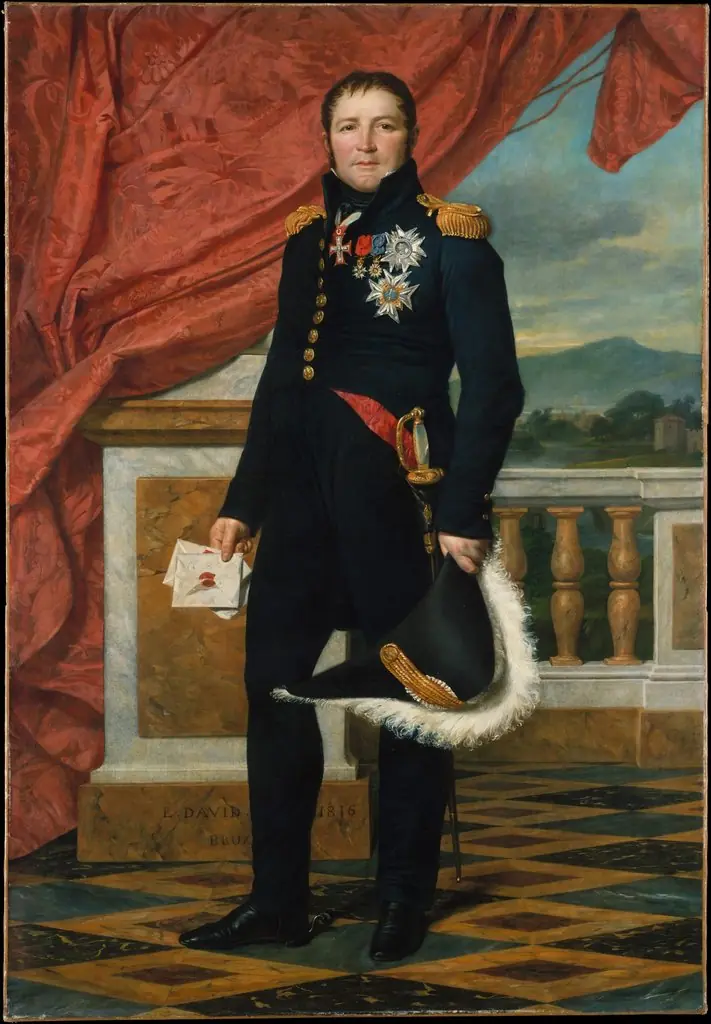 General Étienne-Maurice Gérard (1773–1852), Marshal of France
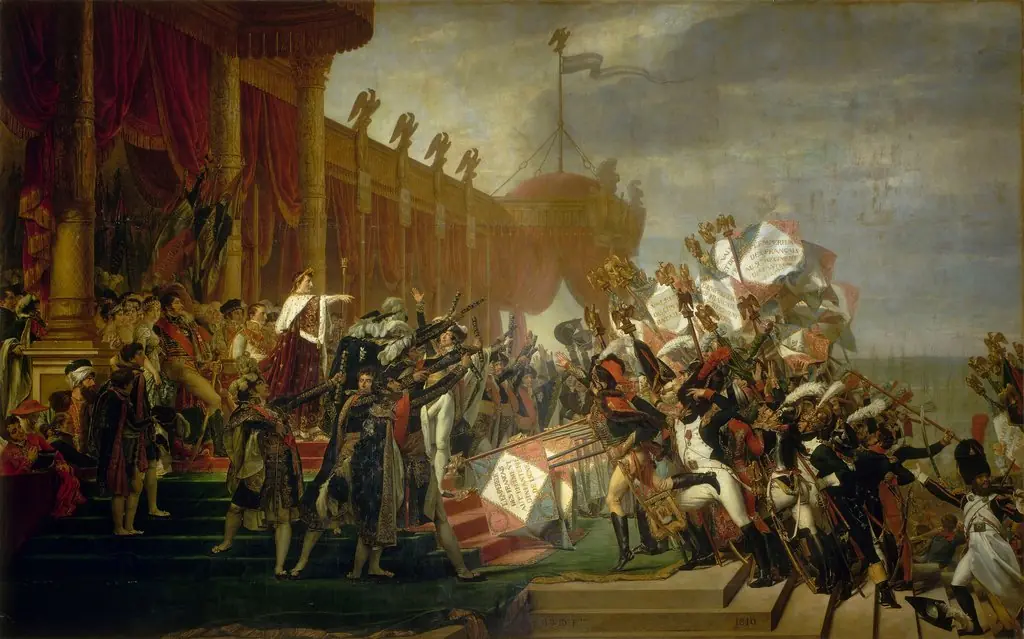 The Distribution of the Eagle Standards
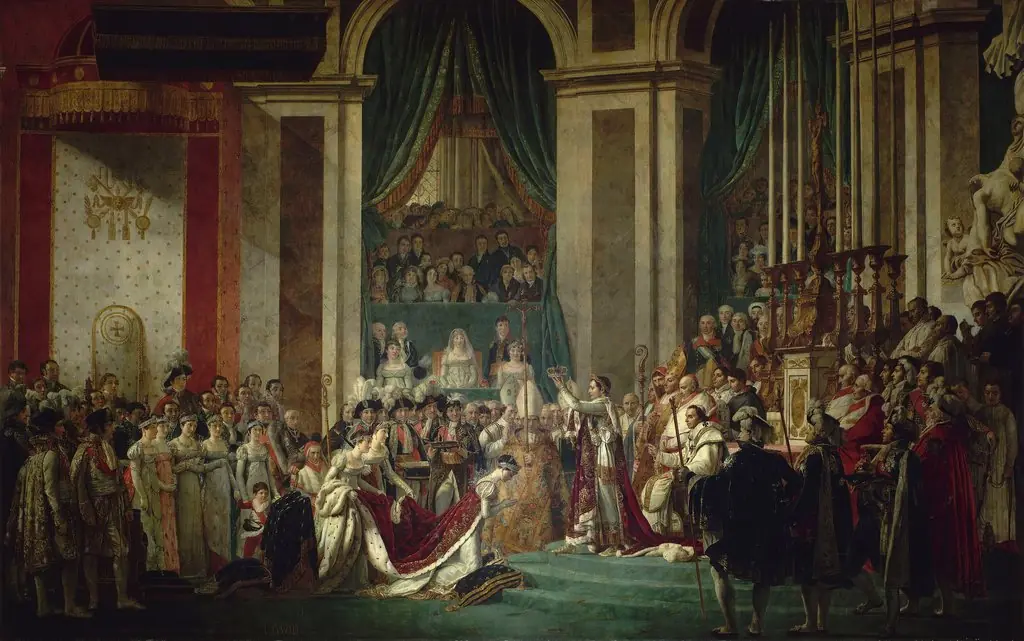 Coronation of Emperor Napoleon I and Coronation of the Empress Josephine
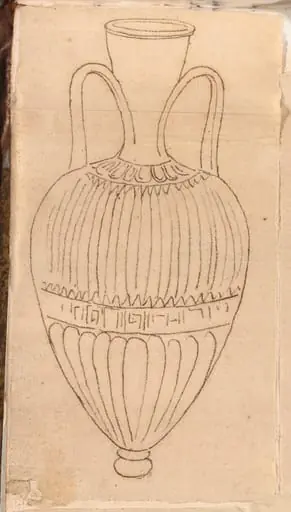 Double-Handled Vase
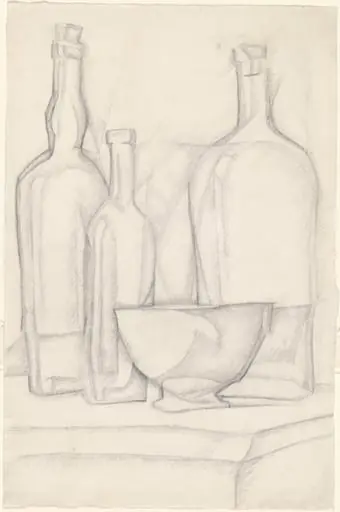 Bottles and Bowl
![Studies of Jugs and Vases; A Man with Moustache and a Boy with a Hat [recto], by Paul Gauguin](https://artifactworldgallery.com/img/paul-gauguin--studies-of-jugs-and-vases-a-man-with-moustache-and-a-boy-wit--f45745e972a40252-w320.webp) Studies of Jugs and Vases; A Man with Moustache and a Boy with a Hat [recto]
Studies of Jugs and Vases; A Man with Moustache and a Boy with a Hat [recto]![Four Studies of Breton Women; Shapes and Vases [verso], by Paul Gauguin](https://artifactworldgallery.com/img/paul-gauguin--four-studies-of-breton-women-shapes-and-vases-verso--9d4d602e9c3e8bff-w320.webp) Four Studies of Breton Women; Shapes and Vases [verso]
Four Studies of Breton Women; Shapes and Vases [verso] Banana or plantain leaves
 Two Church Facades
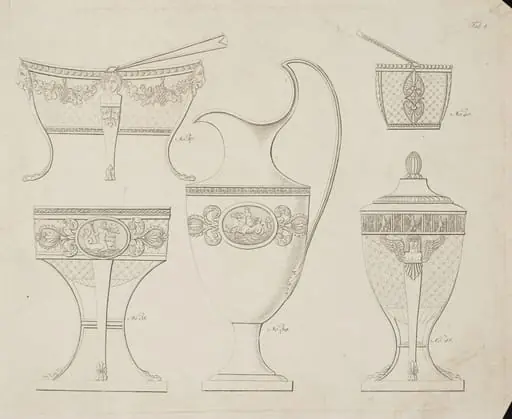 7 engraved prints
![Wash Basin and Scent Bottle [recto], by Paul Cezanne](https://artifactworldgallery.com/img/paul-cezanne--wash-basin-and-scent-bottle-recto--98bc433f4ab4350c-w320.webp) Wash Basin and Scent Bottle [recto]
Wash Basin and Scent Bottle [recto]![Father of the Artist [verso], by Paul Cezanne](https://artifactworldgallery.com/img/paul-cezanne--father-of-the-artist-verso--74e24a3aa4f42c1a-w320.webp) Father of the Artist [verso]
Father of the Artist [verso] Figure Study