Artwork
Two Studies of Virgil
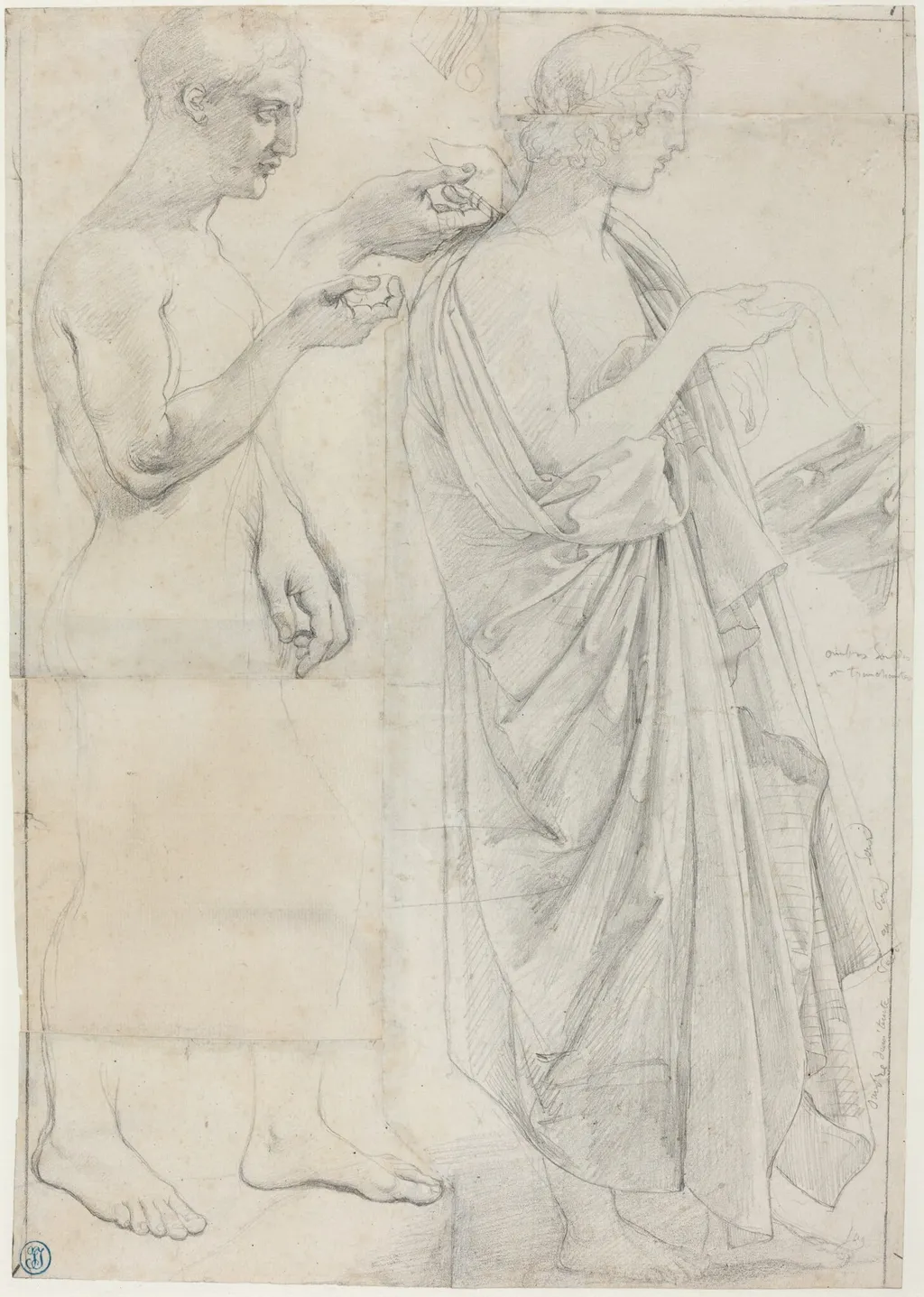
Two Studies of Virgil is a graphite drawing by the Romanticist artist Jean Auguste Dominique Ingres. It dates from 1812 and is held in the collection of the National Gallery of Art.
About this work
Overview
Created around 1812, this graphite drawing by Jean-Auguste-Dominique Ingres consists of five joined sheets, forming a single compositional study.
Created around 1812, this graphite drawing by Jean-Auguste-Dominique Ingres consists of five joined sheets, forming a single compositional study. Executed in a rapid, unpolished hand, it reveals the artist’s preliminary engagement with classical themes. Though Ingres later gained prominence for portraiture, this work underscores his early commitment to historical subjects and the formal discipline of academic drawing.
Subject & Meaning
The drawing depicts two figures associated with the Roman poet Virgil: one robed and gesturing, the other bare-chested and turned away. Their interaction suggests a moment of instruction or transmission, possibly Virgil guiding a disciple or muse. The ambiguity of their roles aligns with Ingres’s interest in classical narrative, where meaning emerges from gesture and posture rather than explicit detail.
Technique & Style
Ingres employed loose, varied graphite strokes—some tentative, others decisive—to capture movement and volume without finish. Smudges and overlapping lines preserve the drawing’s immediacy, rejecting refinement in favor of expressive rhythm. The absence of shading emphasizes contour, reflecting his belief in line as the foundation of form, a hallmark of his Neoclassical approach.
History & Provenance
The drawing dates to Ingres’s early career, likely produced during his time in Rome or shortly after his Prix de Rome win. It remained in his personal collection, suggesting its value as a working study rather than a finished piece. Its survival offers insight into his preparatory process, distinct from the polished oils he exhibited publicly.
Context
In the early 1810s, Ingres was navigating tensions between Neoclassical ideals and emerging Romantic sensibilities. This sketch, rooted in classical antiquity and executed with disciplined line, positions him as a steadfast advocate for academic principles. Unlike contemporaries who favored emotional drama, he sought clarity and structural harmony in historical subjects.
Legacy
The drawing exemplifies Ingres’s lifelong commitment to drawing as the core of artistic training. Its unfinished quality reveals his process, influencing later generations who valued preparatory work as a window into creative thought. Though not widely exhibited, it remains a key document in understanding his method and the enduring authority of line in academic art.
Artist & collection

Artist
Jean-Auguste-Dominique Ingres was a French Neoclassical painter. Ingres was profoundly influenced by past artistic traditions and aspired to become the guardian of academic orthodoxy against the ascendant Romantic…

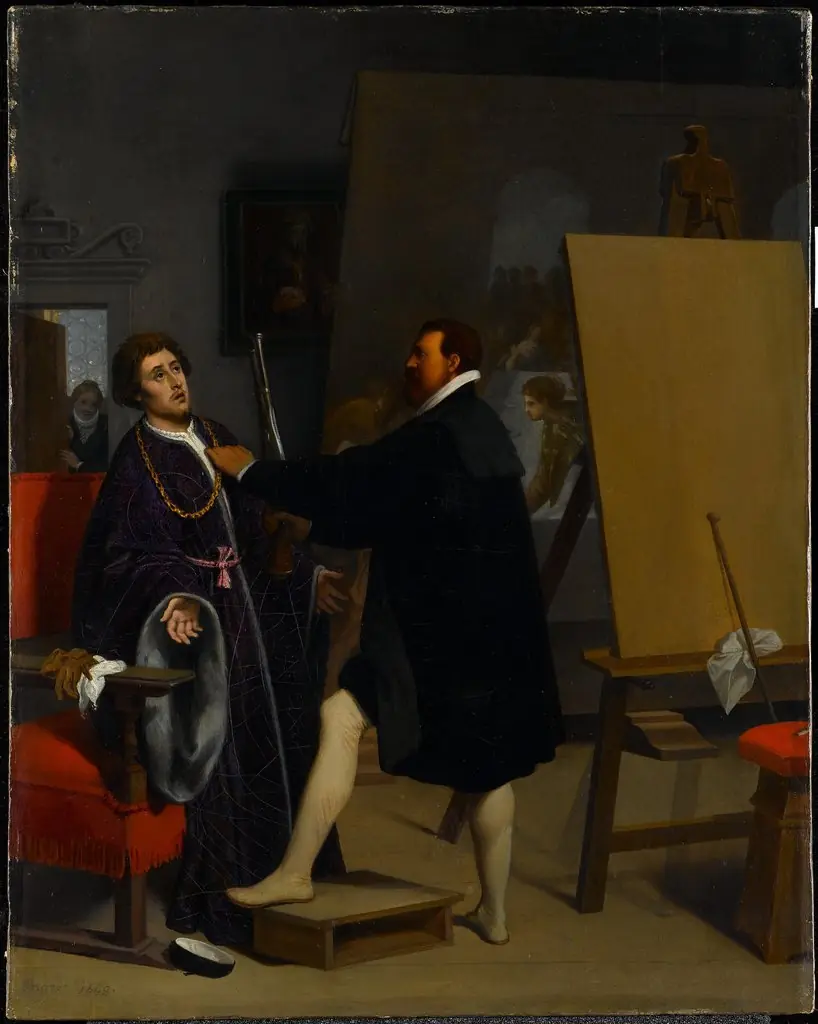
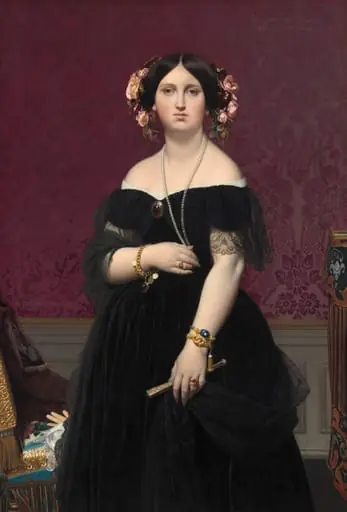
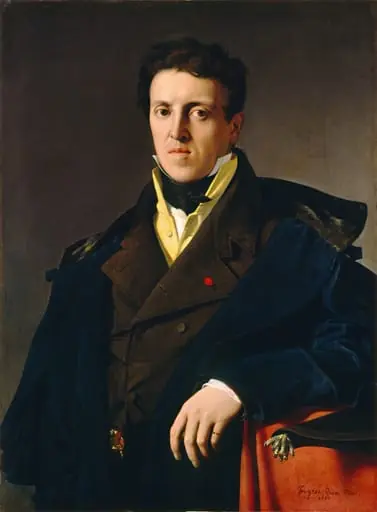
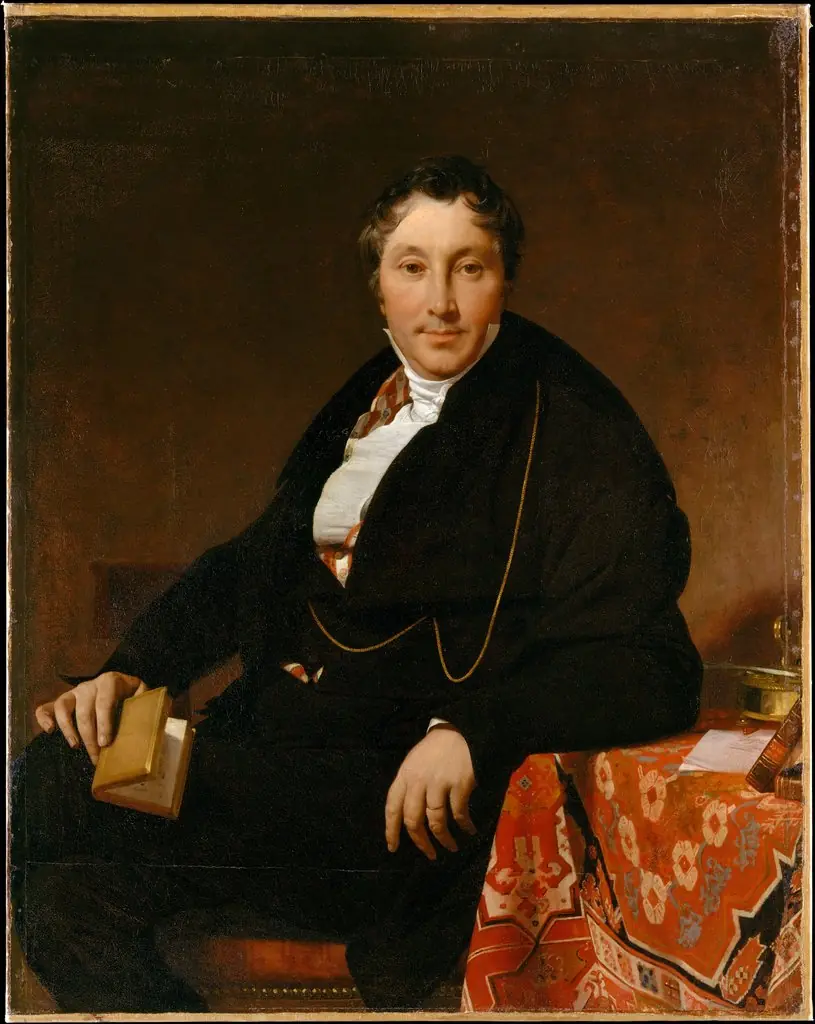
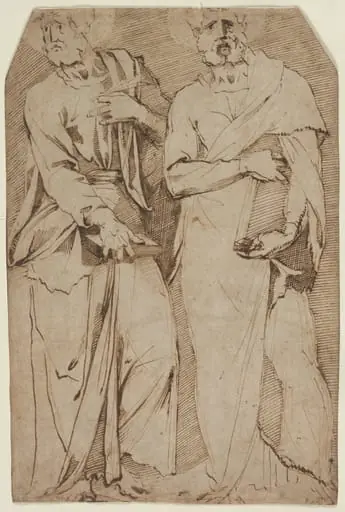 Two Standing Saints
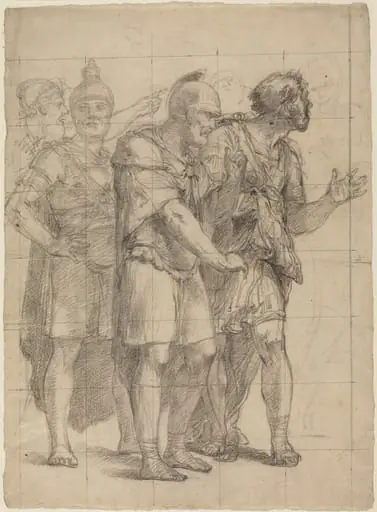 Four Standing Warriors
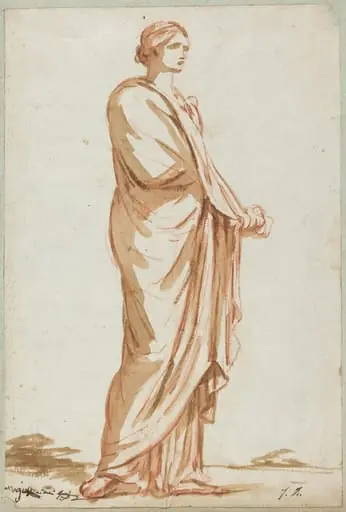 Roman Statue of a Standing Woman
![Studies of Men in Togas [recto], by Otto Greiner](https://artifactworldgallery.com/img/otto-greiner--studies-of-men-in-togas-recto--3d22c2162285bf09-w320.webp) Studies of Men in Togas [recto]
Studies of Men in Togas [recto]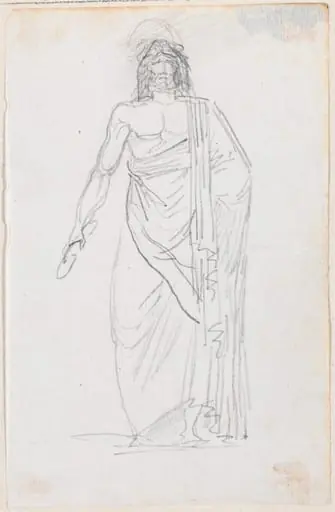 Statue of Zeus Holding a Thunderbolt
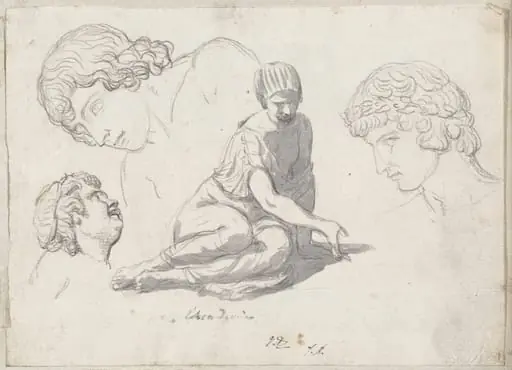 Dice-Thrower and Other Studies after Ancient Sculptures
![Woman in Toga [verso], by Hubert Robert](https://artifactworldgallery.com/img/hubert-robert--woman-in-toga-verso--1c4b04982206f60e-w320.webp) Woman in Toga [verso]
Woman in Toga [verso]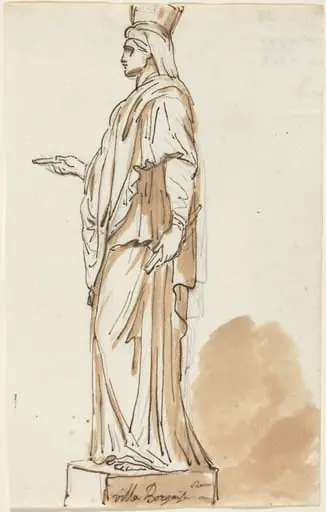 The Borghese Cybele
![Mucius Scaevola [recto], by John Hamilton Mortimer](https://artifactworldgallery.com/img/john-hamilton-mortimer--mucius-scaevola-recto--0de678fa443f7962-w320.webp) Mucius Scaevola [recto]
Mucius Scaevola [recto]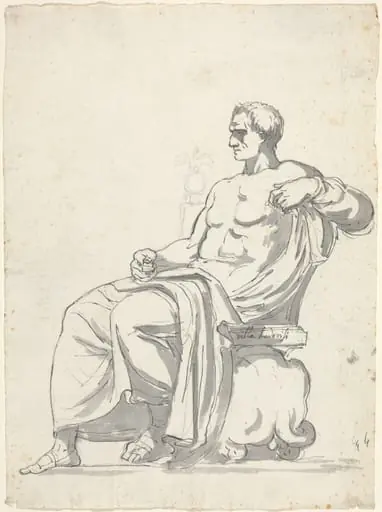 The Ludovisi Menander
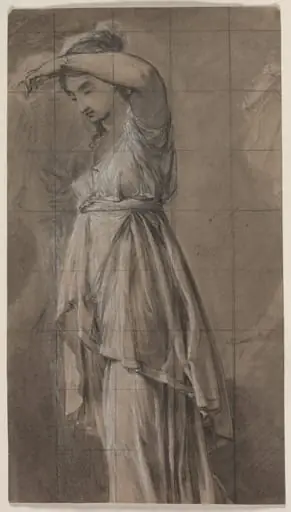 Study for Penelope
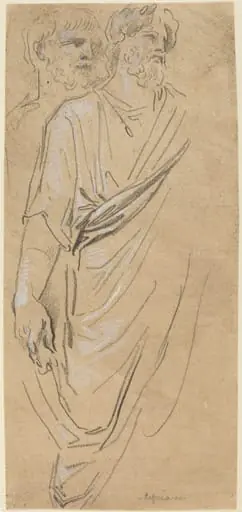 Studies of a Classical Figure