Artwork
Thirius de Pautrizel
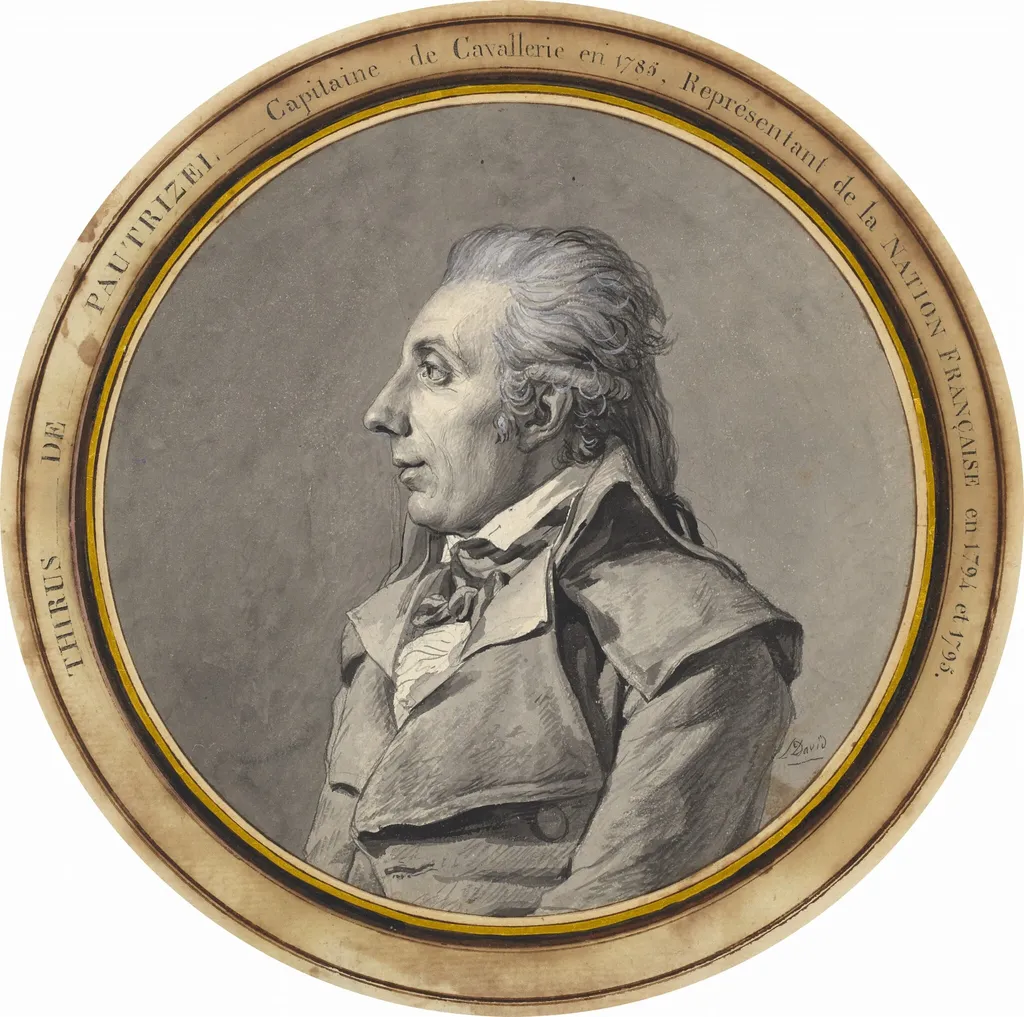
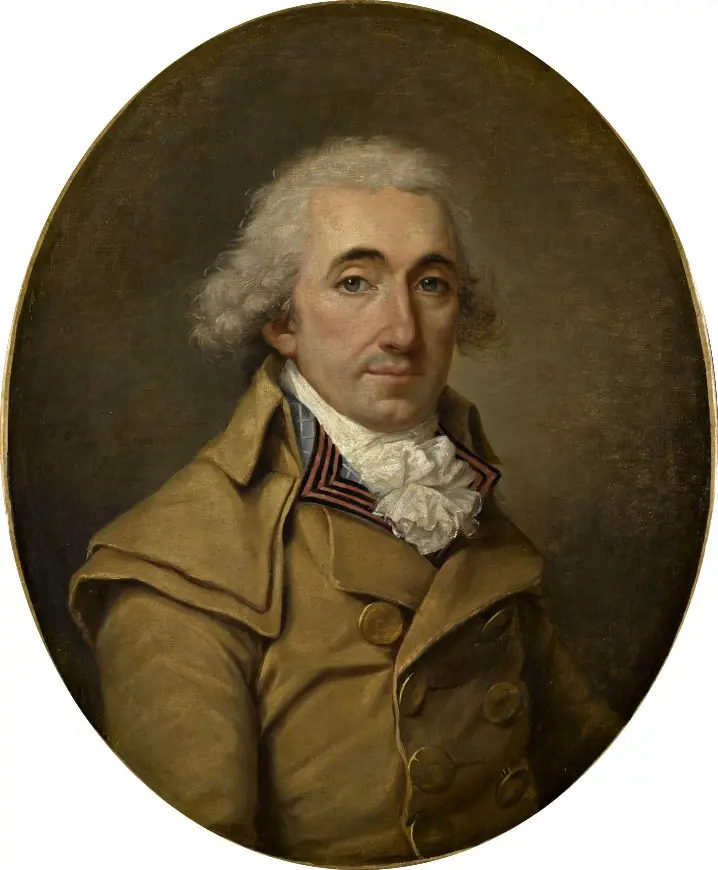
Thirius de Pautrizel is an ink drawing by the Neoclassicist artist Jacques-Louis David. It dates from 1795 and is held in the collection of the National Gallery of Art.
About this work
Overview
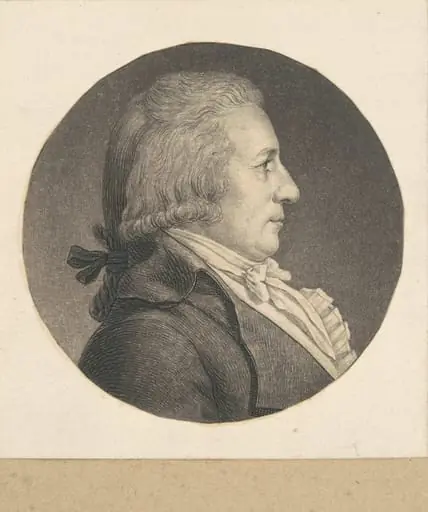
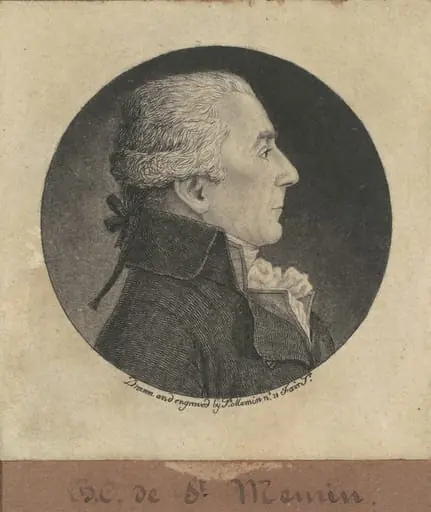
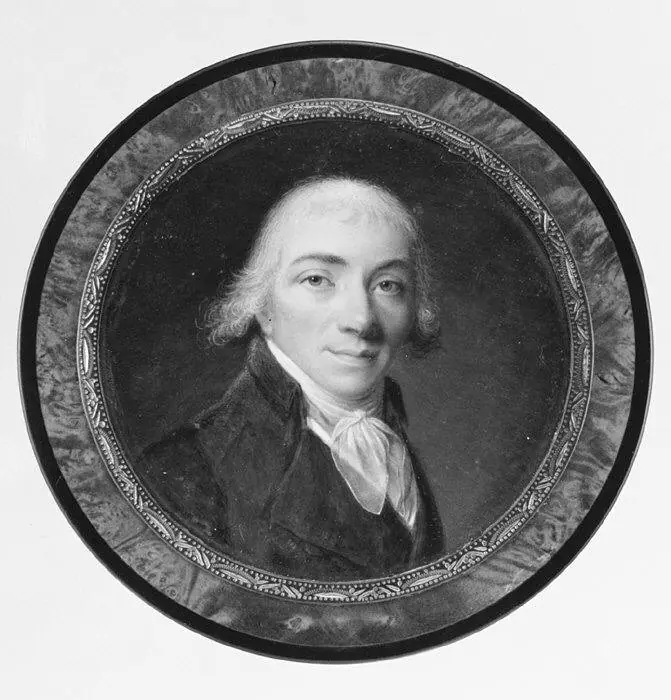
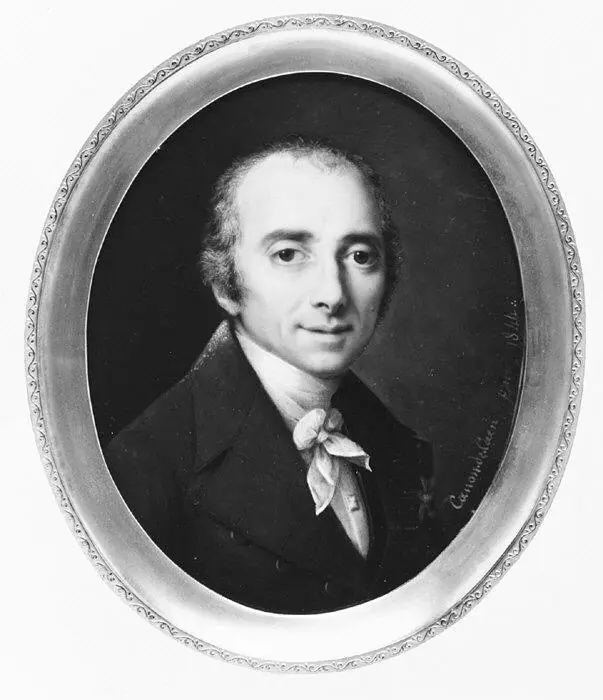
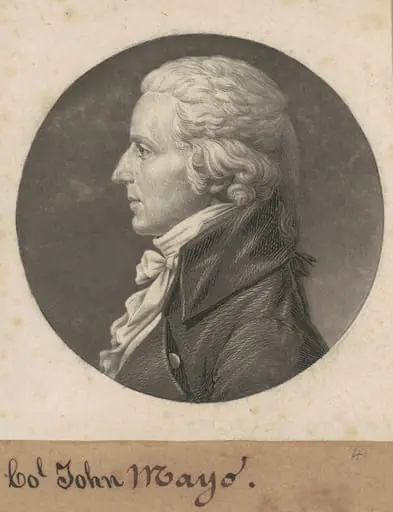
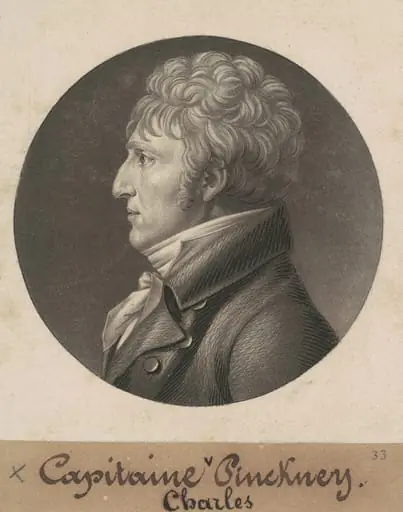
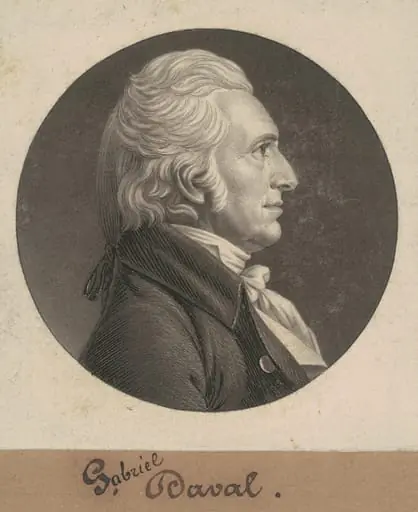
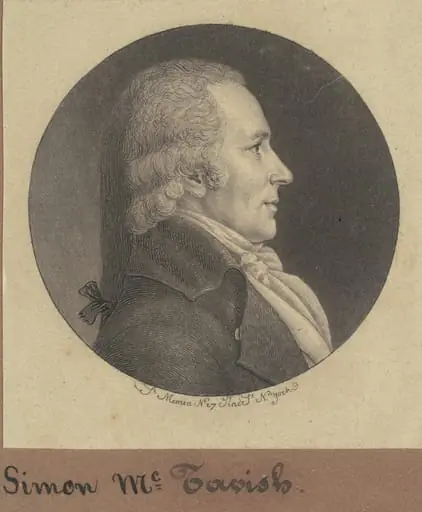
Thirius de Pautrizel is a portrait drawing executed on laid paper that has been mounted on an antiquated circular backing. The work presents a single male figure, rendered in a restrained palette of gray tones, with selective white gouache highlights that bring out facial features and elements of his attire.
Subject & Meaning
The sitter is depicted looking toward his left, dressed in a jacket and cravat, suggesting a formal or aristocratic bearing typical of the late eighteenth‑century portraiture. The circular frame and surrounding inscription hint at a commemorative purpose, though the identity of the individual remains undocumented.
Technique & Style
The artist employed pen and gray ink, augmented by gray and pale brown washes, to build tonal depth. Graphite underdrawings provide structural guidance, while white gouache is applied sparingly to accentuate the face and clothing. The overall effect is a monochromatic study with subtle chiaroscuro.
History & Provenance
Created in 1795, the drawing is attributed to Jacques‑Louis David, a leading French painter of the period. It has been preserved on a circular mount, indicating that it may have been part of a larger decorative or archival ensemble.
Context
The work dates from the turbulent years following the French Revolution, a time when David was producing both grand historical canvases and intimate portrait studies. The subdued palette and emphasis on line reflect his neoclassical training while also anticipating the more personal, sketch‑like approaches of later portraiture.
Artist & collection
Artist
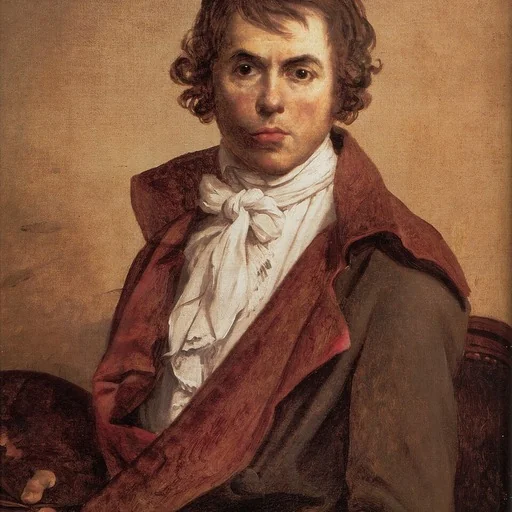
Jacques-Louis David was born in Paris on 30 August 1748 into a bourgeois family; his father died in a duel when the boy was nine, and a maternal uncle guided his education.

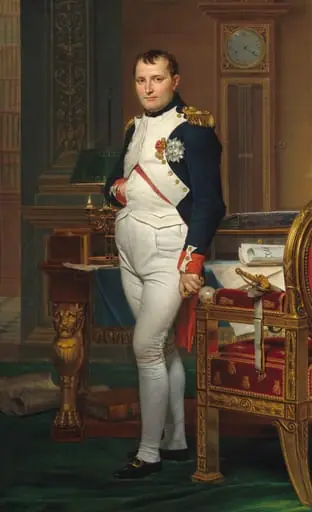 The Emperor Napoleon in His Study at the Tuileries
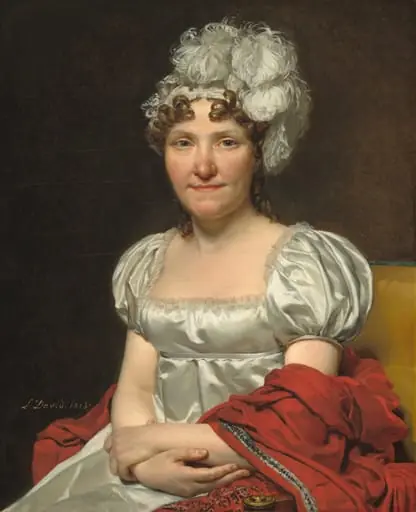 Madame David
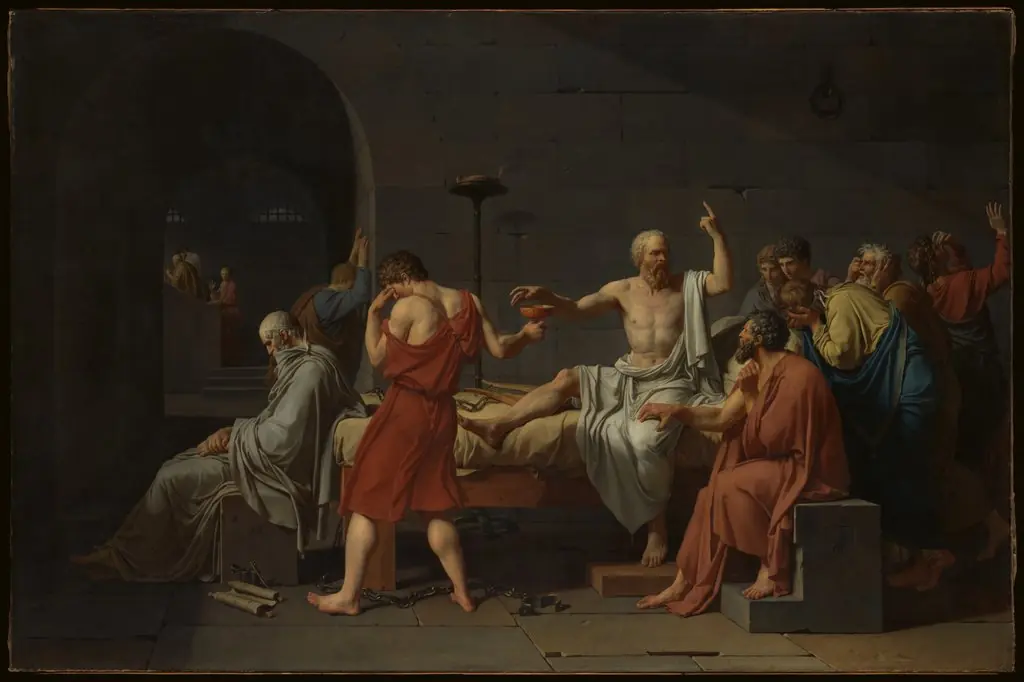 The Death of Socrates
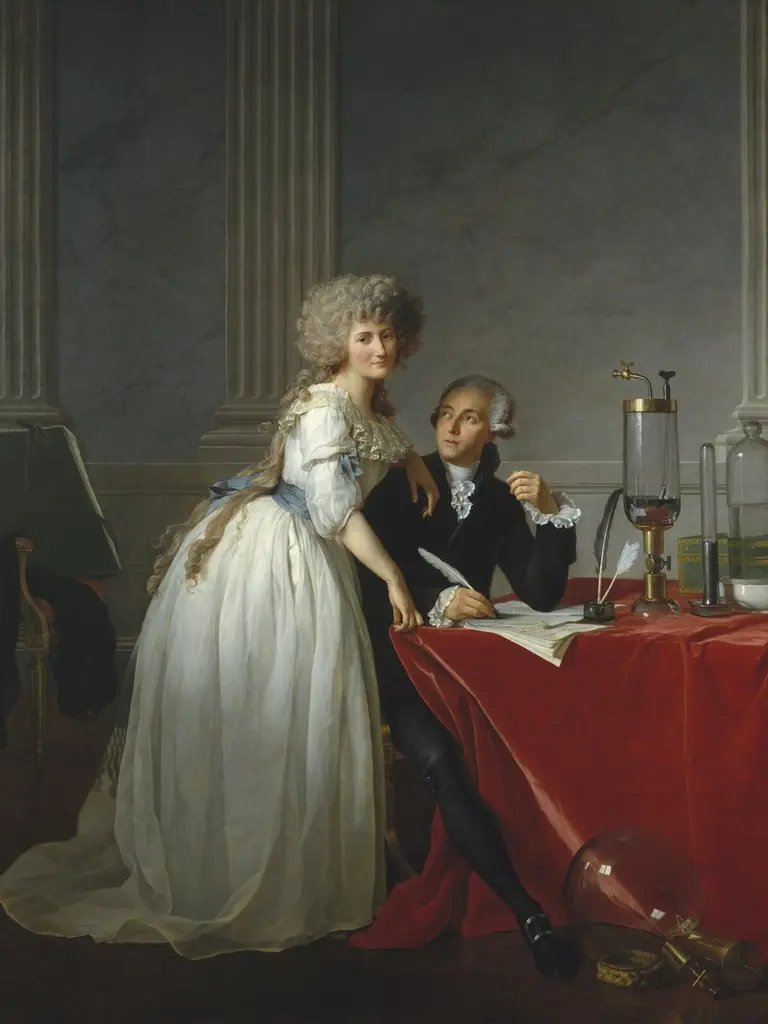 Portrait of Antoine-Laurent Lavoisier and his wife
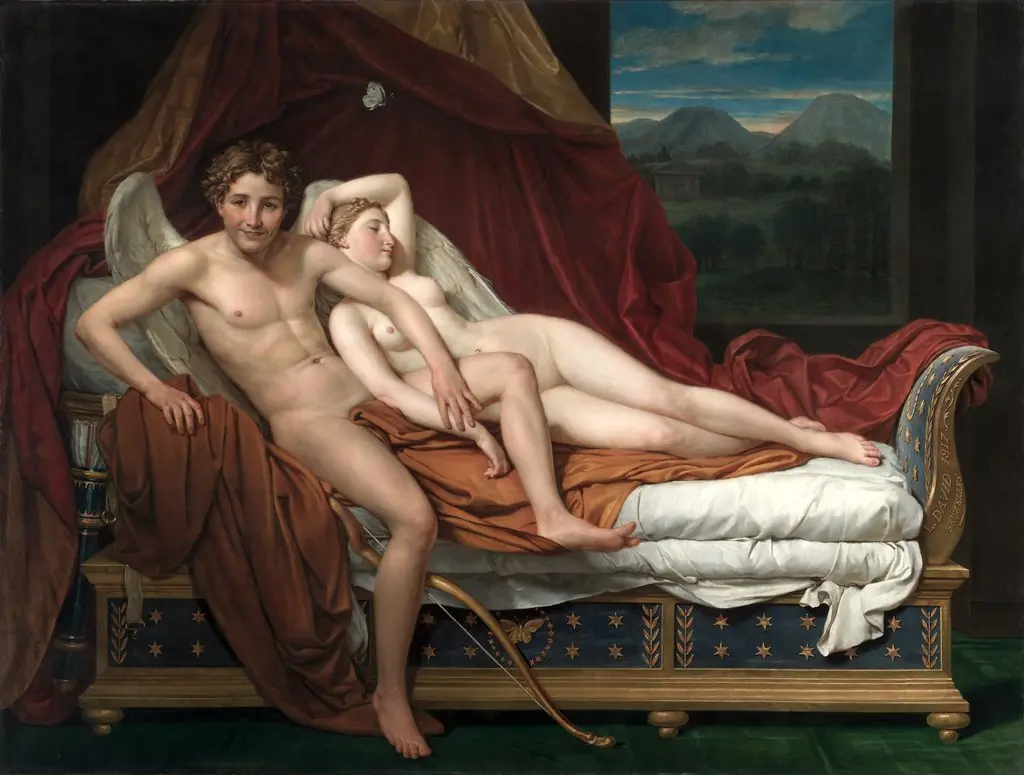 Cupid and Psyche
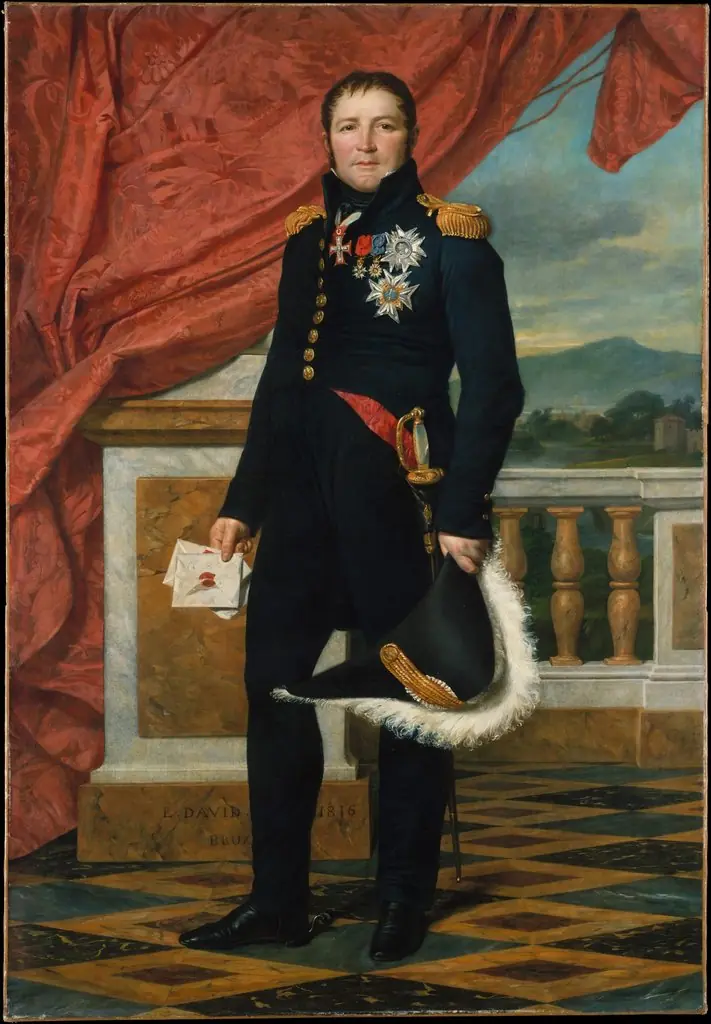 General Étienne-Maurice Gérard (1773–1852), Marshal of France
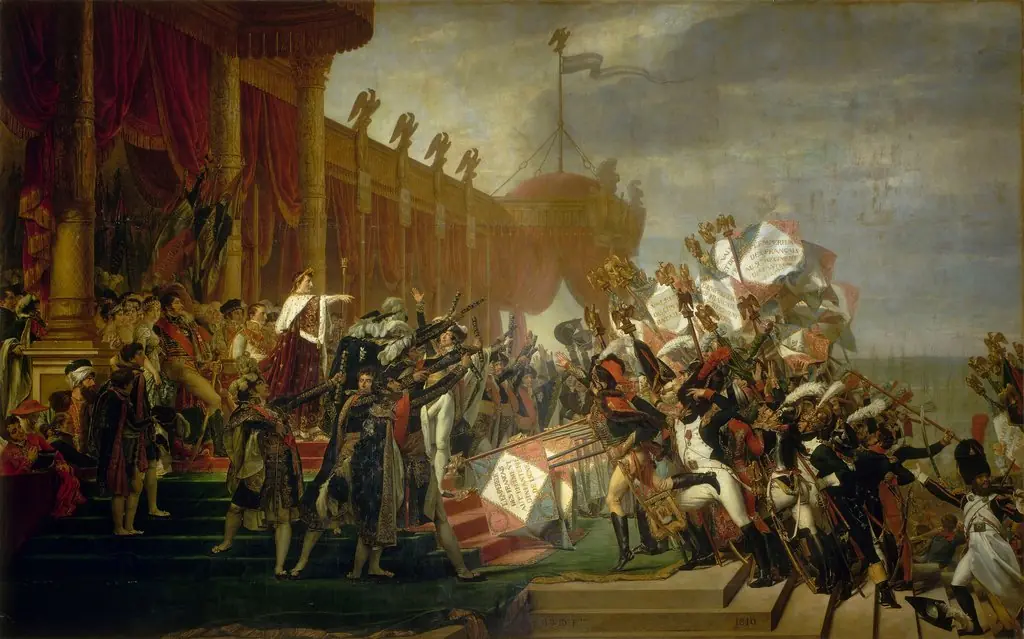 The Distribution of the Eagle Standards
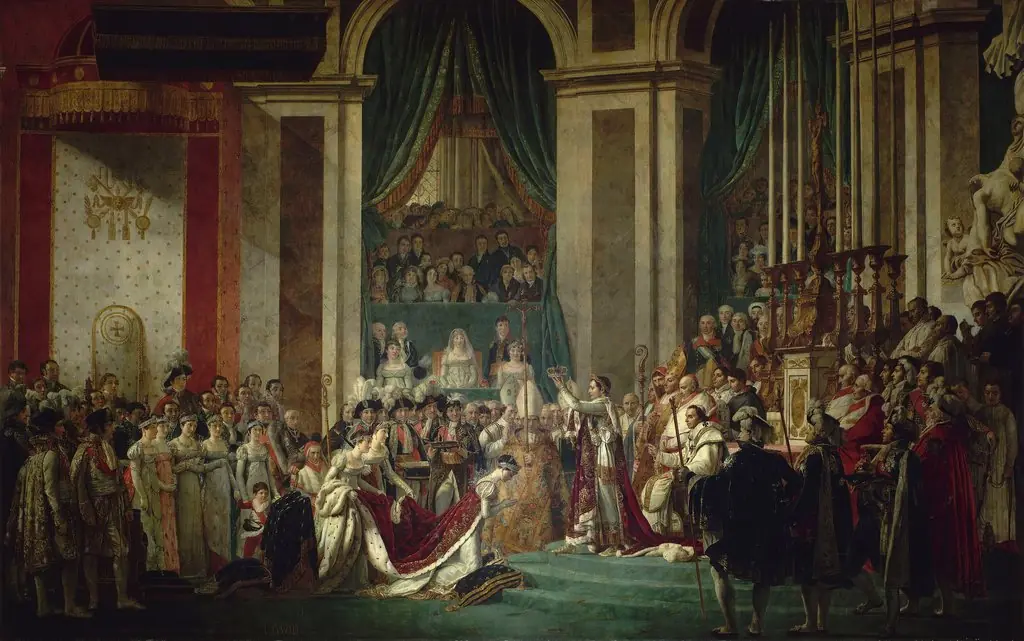 Coronation of Emperor Napoleon I and Coronation of the Empress Josephine