Artwork
Henry Fuseli
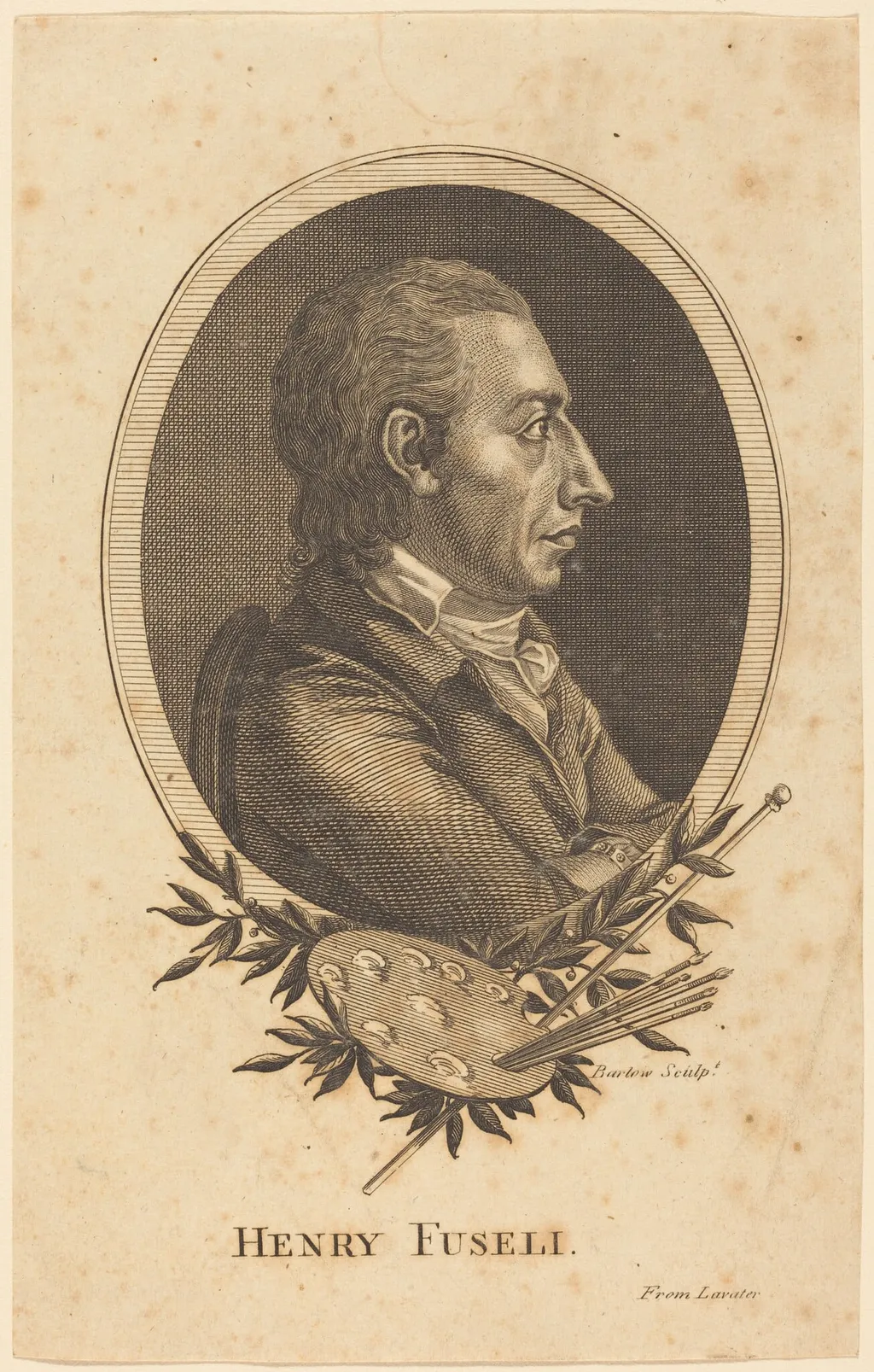
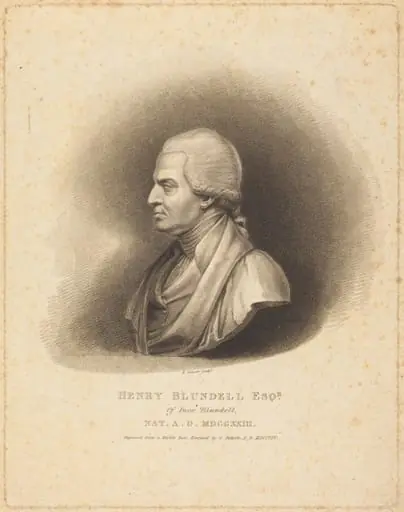
Henry Fuseli is an ink print by the Baroque artist Inigo Barlow. It dates from 1780 and is held in the collection of the National Gallery of Art.
About this work
Overview
The composition includes symbolic elements—a palette, brushes, and a laurel branch—situated beneath the figure, alluding to his artistic vocation.
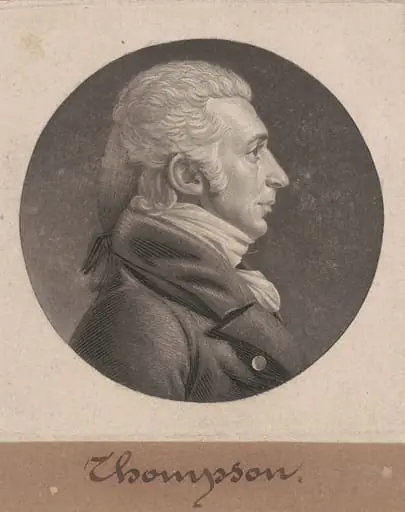
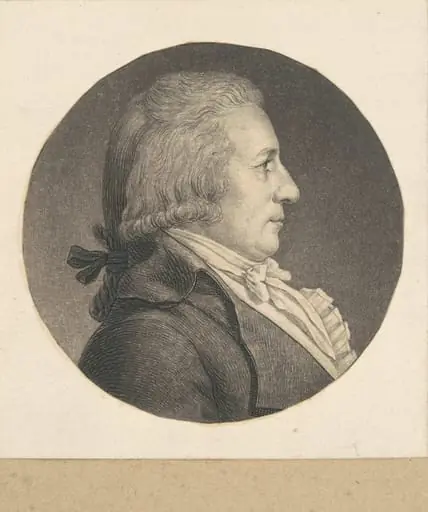
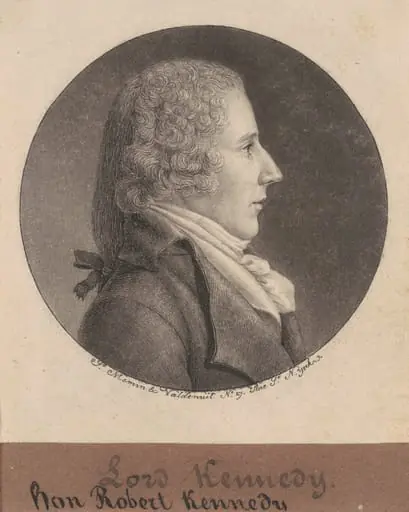
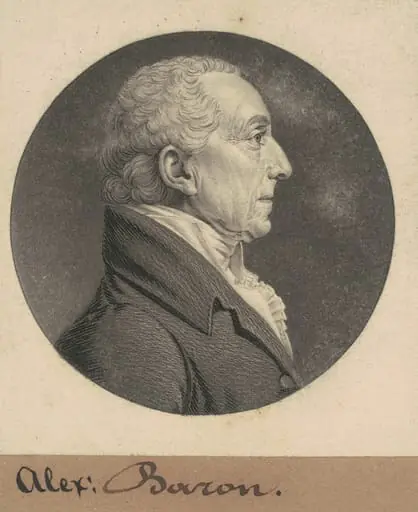
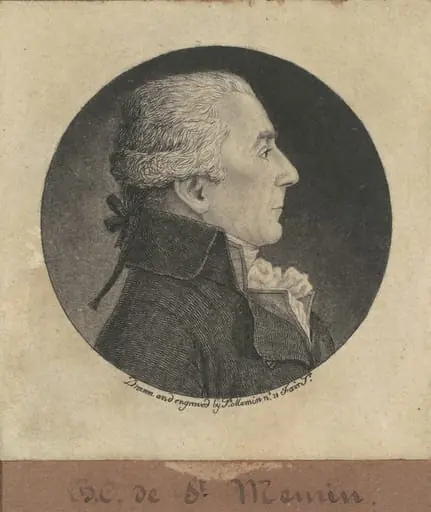
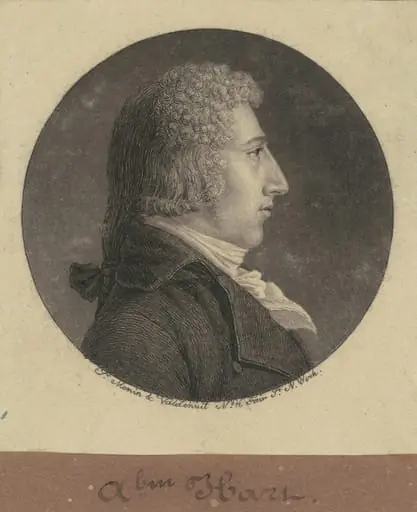
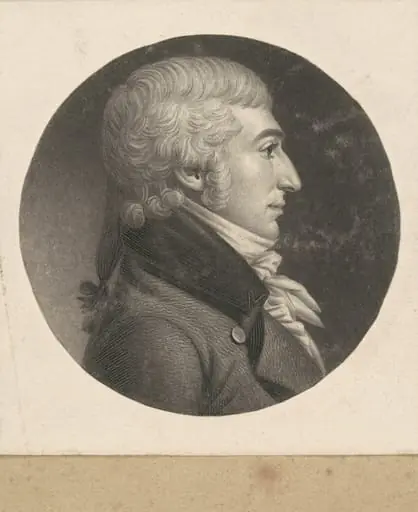
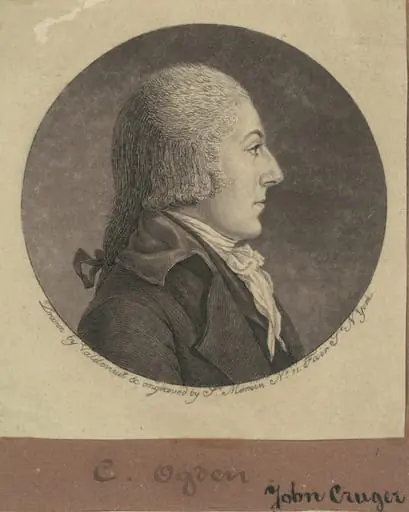
Created in 1780, this print is an engraved portrait of the artist Henry Fuseli, executed by the English engraver Inigo Barlow. The image presents Fuseli in profile against a dark field, his features rendered with careful line work that conveys both presence and restraint. The composition includes symbolic elements—a palette, brushes, and a laurel branch—situated beneath the figure, alluding to his artistic vocation.
Subject & Meaning
The sitter, Henry Fuseli, is shown in a three‑quarter profile, his head turned to the right, hair dark and attire formal: a dark coat over a white shirt with a high collar. The inclusion of the painter’s tools and the laurel suggests a celebration of his creative achievements, positioning him within the tradition of the learned artist.
Technique & Style
Barlow employs fine cross‑hatching typical of late Baroque printmaking, building tonal variation through dense networks of lines. This method creates a sense of depth in the facial features and the surrounding darkness, while the delicate rendering of the palette and brushes demonstrates meticulous craftsmanship. The overall effect balances chiaroscuro with intricate texture.
History & Provenance
The engraving was produced in London during the late eighteenth century, a period when portrait prints served both as commemorative items and as means of disseminating an artist’s likeness. While specific ownership records are scarce, the work has been catalogued in several collections of British prints and remains a reference point for studies of Fuseli’s contemporary reception.
Artist & collection