Artwork
Bethany
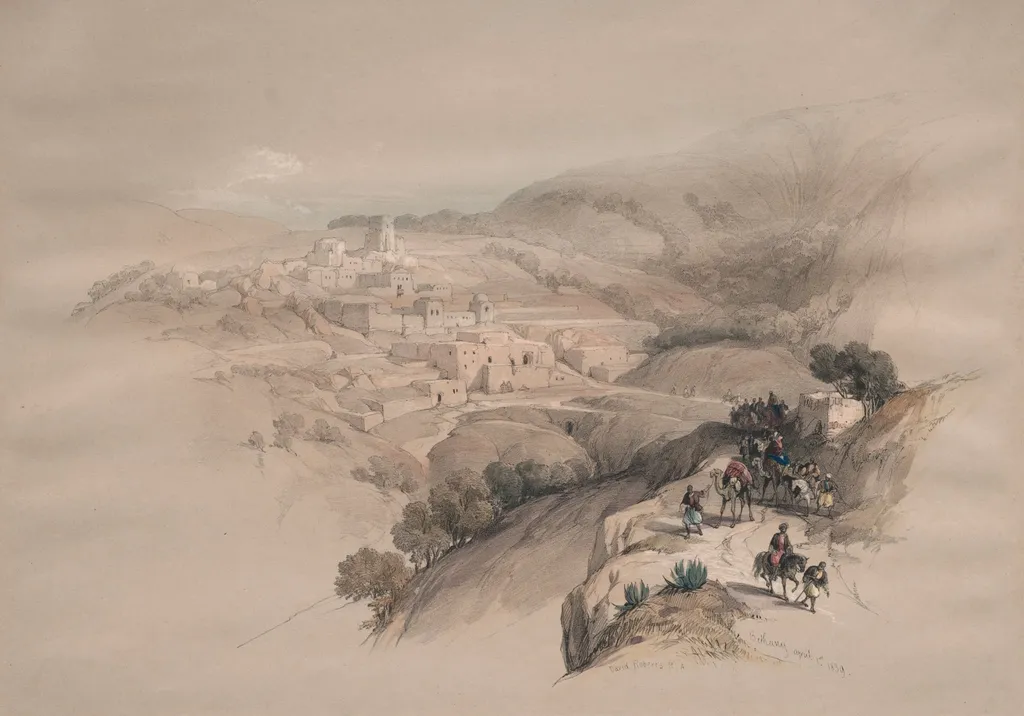
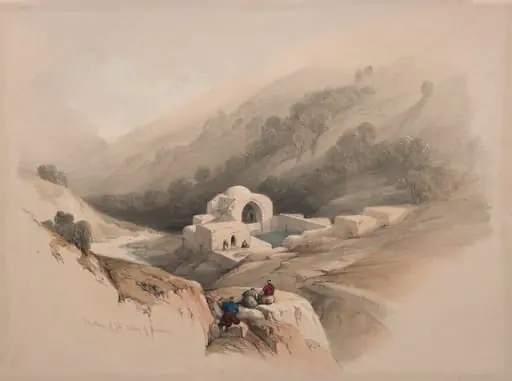
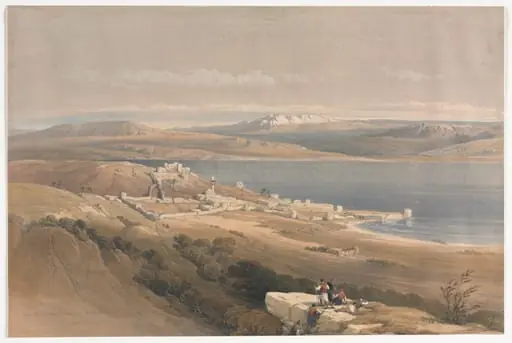
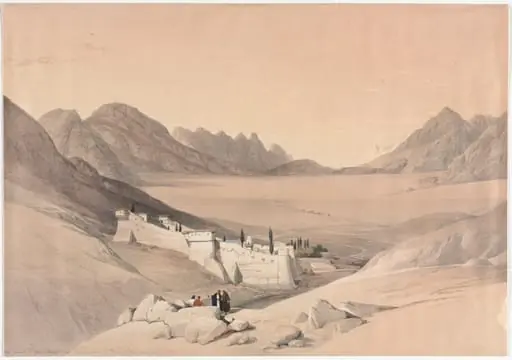
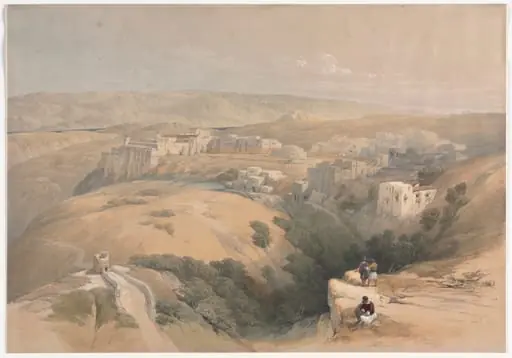
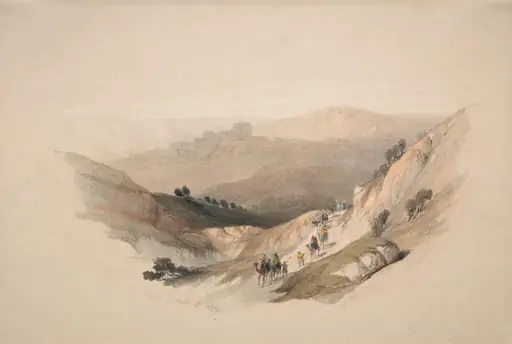
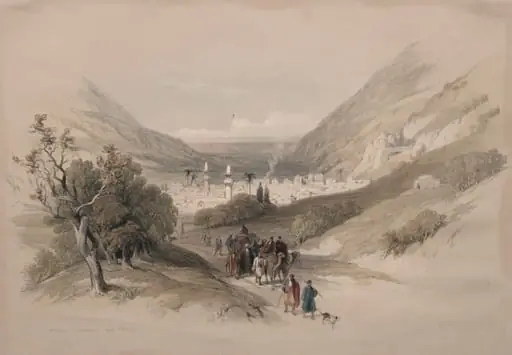
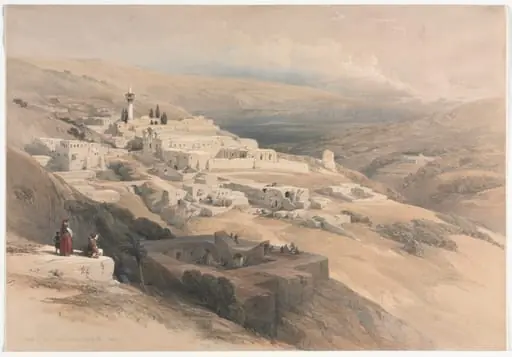
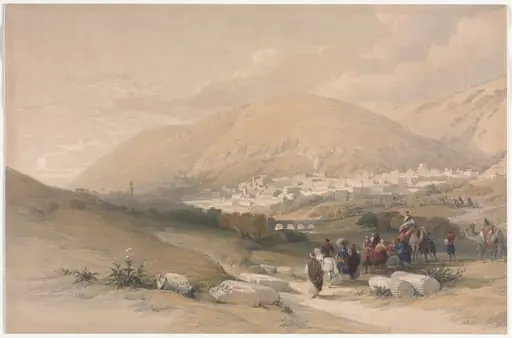
Bethany is a print by the Romanticist artist David Roberts. It dates from 1839 and is held in the collection of the Cleveland Museum of Art.
About this work
Overview
It later informed his acclaimed lithographic series on the Holy Land and surrounding territories.
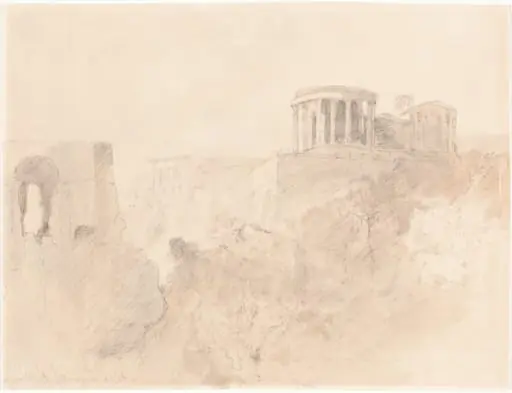
David Roberts, a Scottish artist renowned for his topographical studies of the Middle East, produced *Bethany* in 1839 during a period of extensive travel through the Levant. The work is a pencil sketch that captures a quiet moment in a rural settlement, reflecting his broader project to document architectural and landscape features of the region. It later informed his acclaimed lithographic series on the Holy Land and surrounding territories.
Subject & Meaning
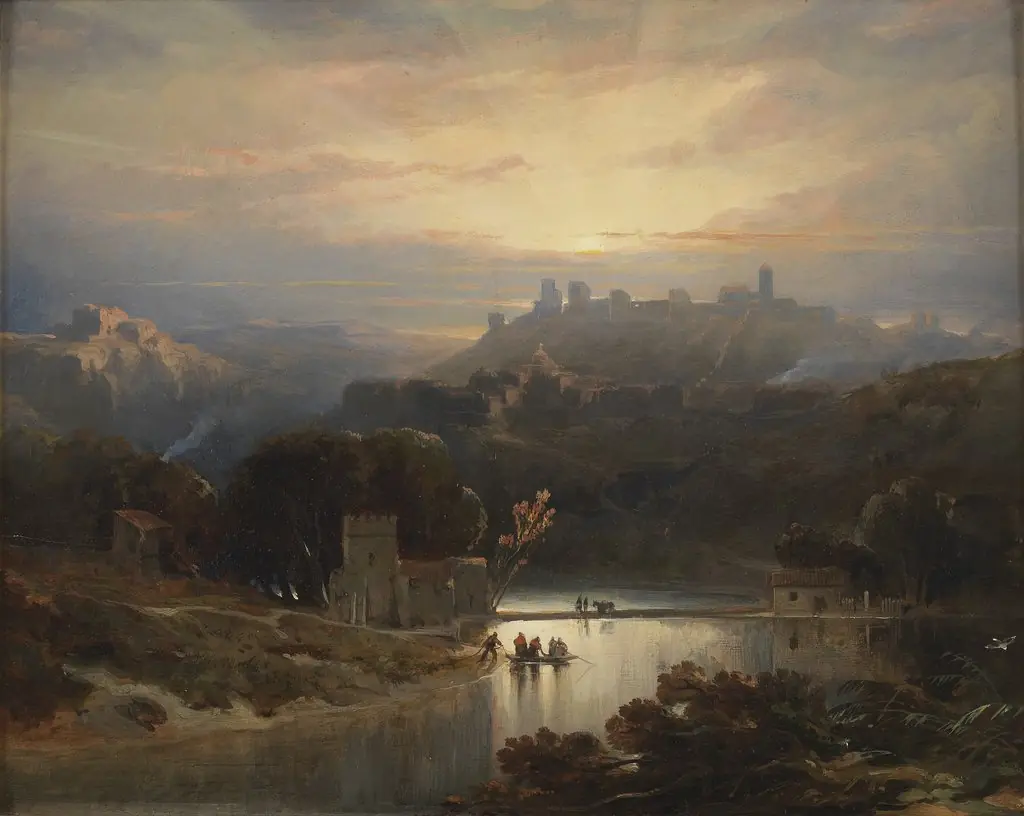
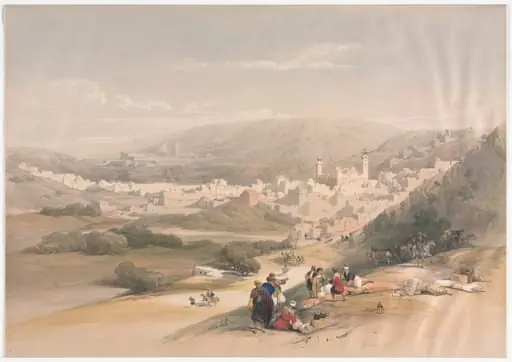
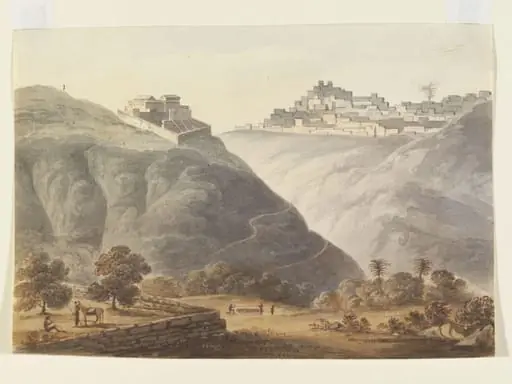
The scene depicts a modest village in the hills near Bethany, with travelers moving along a winding path toward simple stone dwellings. A distant ruin, possibly a remnant of ancient fortification, looms over the settlement, suggesting layers of history. The presence of people and animals implies daily life and pilgrimage, evoking the biblical associations of the site without overt narrative. The composition emphasizes stillness and solitude rather than religious symbolism.
Technique & Style
Roberts employed delicate pencil lines to convey the arid texture of the landscape, using light, broken strokes to suggest heat and dryness. The soft, diffused clouds contrast with the rugged, earth-toned terrain, creating a sense of atmospheric depth. The figures and structures are rendered with restrained detail, prioritizing mood over precision. This approach aligns with Romantic-era sensibilities, valuing emotional resonance over topographical exactness.
History & Provenance
Created during Roberts’s journey through Egypt and the Levant, *Bethany* was made as part of a larger observational project that culminated in his published lithographs. The sketch remained in private hands until entering the collection of The Cleveland Museum of Art, where it is preserved as a record of 19th-century European engagement with the Eastern Mediterranean. Its provenance reflects the growing interest in Orientalist documentation during the period.
Context
Roberts’s travels coincided with a surge of European interest in biblical geography and archaeological exploration. His sketches served both artistic and ethnographic purposes, contributing to Western visual knowledge of the region. While not overtly political, his work participated in a broader cultural trend of documenting sacred sites through the lens of Romanticism, blending observation with a sense of historical reverence.
Legacy
Roberts’s detailed field studies, including *Bethany*, helped shape 19th-century European perceptions of the Near East. His lithographic series became widely circulated, influencing both artists and travelers. Though later criticized for romanticized interpretations, his sketches remain valuable as primary records of landscapes and architecture before modern transformation, preserving a visual archive of places rarely documented at the time.
Artist & collection
Artist
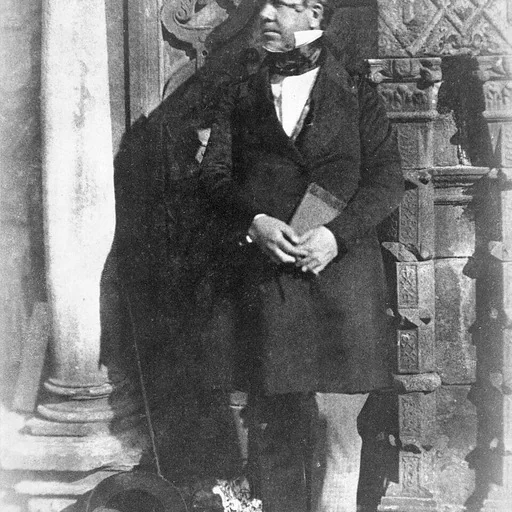
David Roberts (24 October 1796 – 25 November 1864) was a Scottish painter. He is especially known for The Holy Land, Syria, Idumea, Arabia, Egypt, and Nubia, a prolific series of detailed lithograph prints of Egypt and…