Artwork
City of Tiberias on the Sea of Galilee, looking towards Hebron
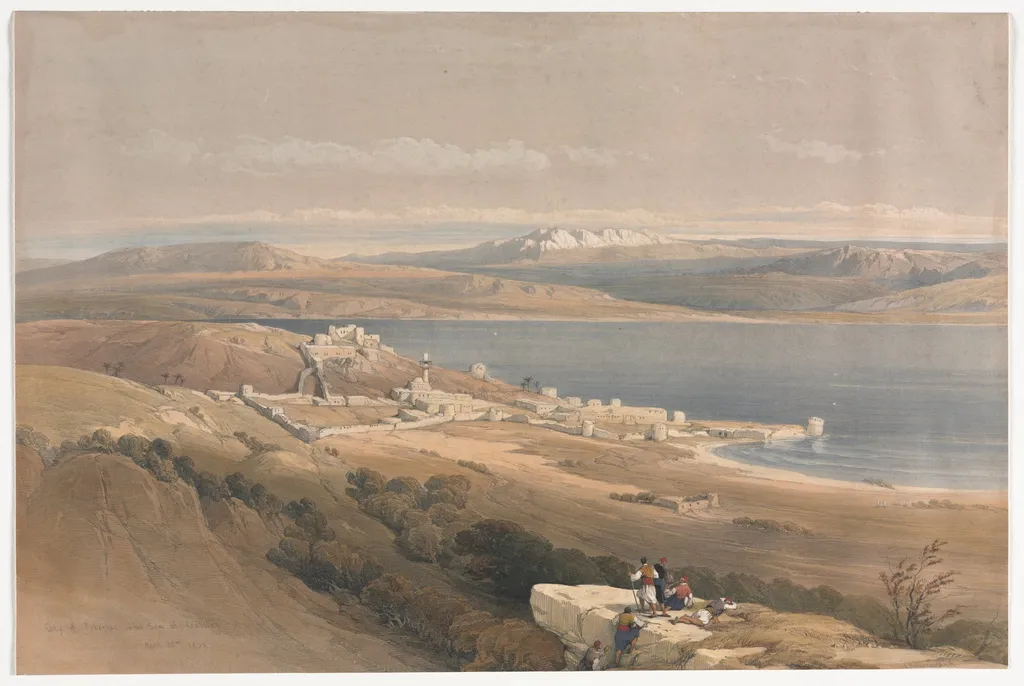
City of Tiberias on the Sea of Galilee, looking towards Hebron is a print by the Romanticist artist David Roberts. It dates from 1839 and is held in the collection of the Cleveland Museum of Art.
About this work
Overview
It belongs to a series of works produced during Roberts’s travels through the Levant between 1838 and 1840.
Created in 1839 by Scottish artist David Roberts, this print captures the coastal town of Tiberias along the Sea of Galilee, viewed from an elevated position toward Hebron. It belongs to a series of works produced during Roberts’s travels through the Levant between 1838 and 1840. The image is rendered with careful attention to topography and light, reflecting his commitment to documenting architectural and natural features of the region with observational accuracy.
Subject & Meaning
The scene presents Tiberias as a modest settlement nestled along the shoreline, dwarfed by the surrounding hills and expansive sky. Figures scattered near the cliff’s edge suggest quiet human presence without narrative focus. The composition emphasizes solitude and scale, inviting contemplation of the relationship between human habitation and the enduring landscape. There is no overt symbolism; the meaning lies in the quiet observation of place.
Technique & Style
Roberts employed a restrained palette of earth tones and soft blues to convey atmospheric depth. The high vantage point allows for a panoramic view, with distant mountains rendered in hazy washes to suggest recession. Lines are precise but not rigid, balancing topographical fidelity with a subtle romantic sensibility. The print’s tonal gradations and careful handling of light reflect his background in architectural drawing and his interest in capturing transient effects of weather and time.
History & Provenance
The work was produced during Roberts’s journey through Egypt, Palestine, and Syria, undertaken to document sacred and historic sites for European audiences. It was later included in his published series of lithographs based on his sketches. The print entered the collection of The Cleveland Museum of Art through established acquisition channels, where it remains as part of a broader group of 19th-century Orientalist works.
Context
Roberts’s travels coincided with growing European interest in the biblical lands, fueled by religious pilgrimage and archaeological curiosity. His images were not purely topographical but shaped by contemporary expectations of the Orient as both ancient and exotic. While grounded in direct observation, his depictions aligned with broader 19th-century visual traditions that framed non-European landscapes as subjects of quiet reverence rather than political or social commentary.
Legacy
Roberts’s detailed renderings of Middle Eastern sites influenced later artists and illustrators documenting the region. His work contributed to the visual vocabulary of Orientalism, offering a model of observation that prioritized accuracy over fantasy. Though later criticized for its cultural framing, his prints remain valuable records of 19th-century perceptions of landscape, architecture, and place in the Levant.
Artist & collection
Artist
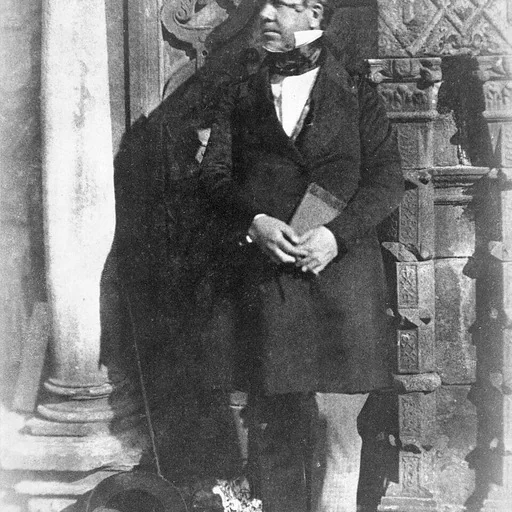
David Roberts (24 October 1796 – 25 November 1864) was a Scottish painter. He is especially known for The Holy Land, Syria, Idumea, Arabia, Egypt, and Nubia, a prolific series of detailed lithograph prints of Egypt and…


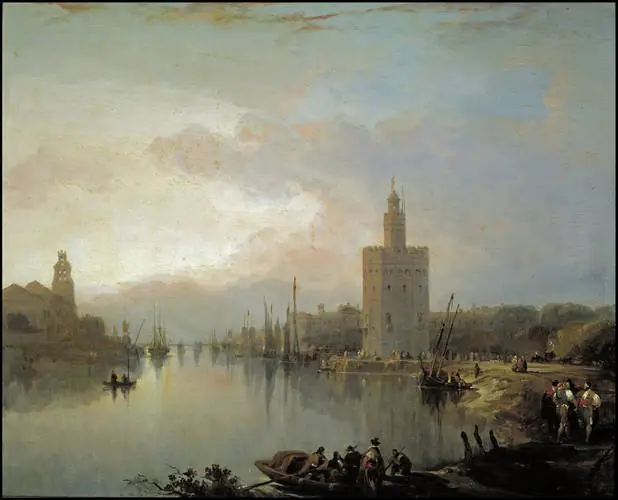
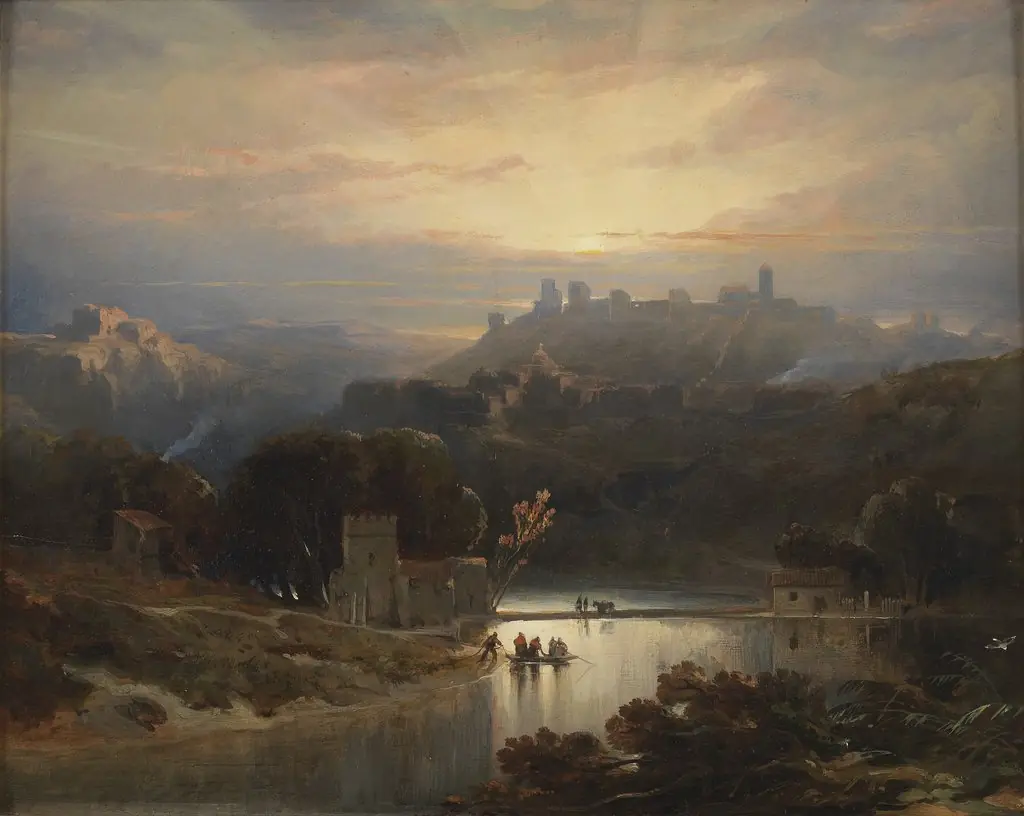
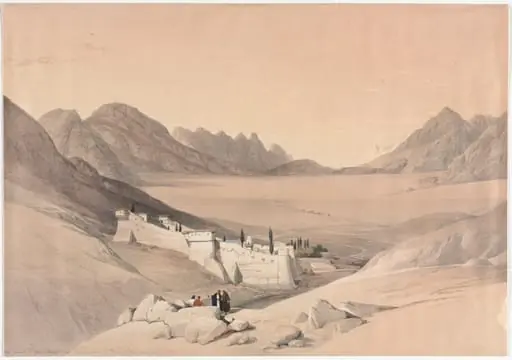 The Convent of St. Catherine, Mount Sinai, Looking towards the Plain of the Encampment
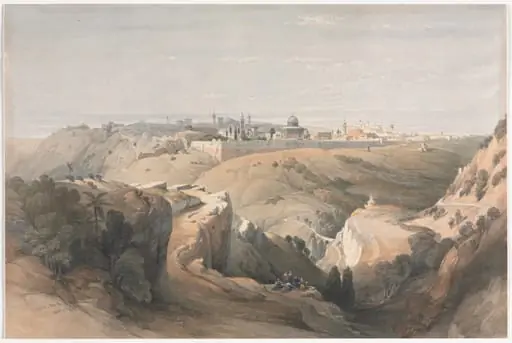 Jerusalem from the Mount of Olives
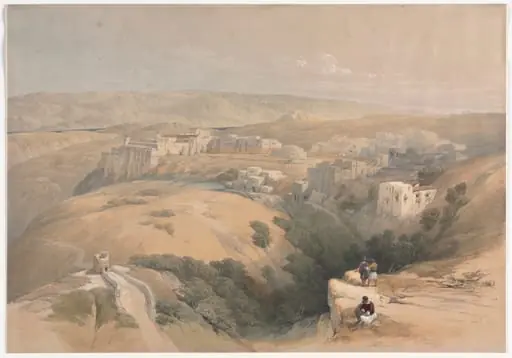 Bethlehem
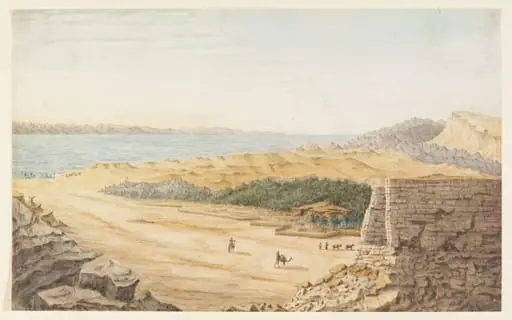 Ancient Ruins in the land of Edom above the bed of a valley and Arab Date gardens
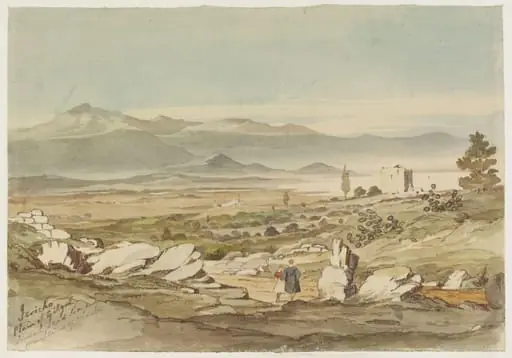 Jericho Plain of Gilgal, Jordan, Dead Sea, and Mountains of Moab
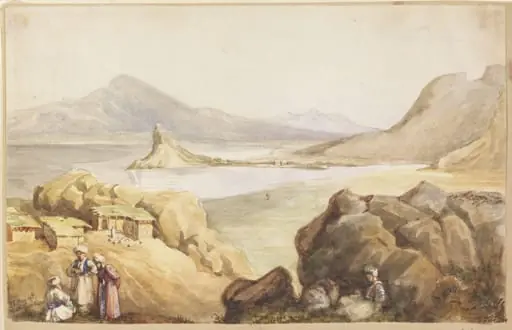 Gule-Hissa Ovassy in the Northern part of Lycia
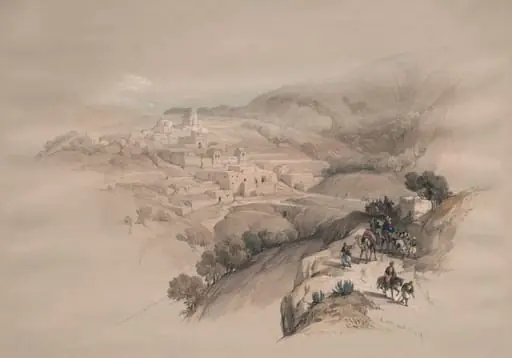 Bethany