Artwork
Circular Temple at Baalbec
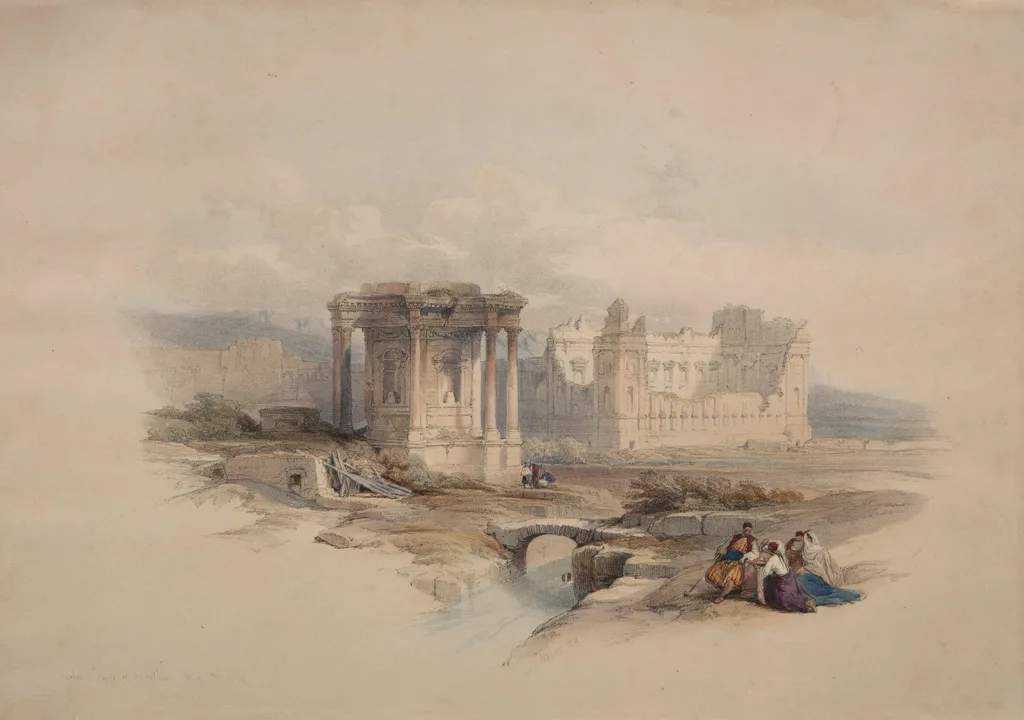
Circular Temple at Baalbec is a print by the Romanticist artist David Roberts. It dates from 1839 and is held in the collection of the Cleveland Museum of Art.
About this work
Overview
David Roberts produced this lithograph in 1839 as part of a series documenting his journey through the Levant between 1838 and 1840.
David Roberts produced this lithograph in 1839 as part of a series documenting his journey through the Levant between 1838 and 1840. Based on on-site sketches, the image translates a specific ruin at Baalbek into a refined print, intended for wider circulation among European audiences interested in ancient architecture. The work belongs to a larger project that combined topographical accuracy with aesthetic composition.
Subject & Meaning
The print centers on a circular structure, likely the so-called Temple of the Sun at Baalbek, surrounded by fragmented ruins and sparse vegetation. Figures in traditional dress appear in the foreground, not as central actors but as indicators of scale and human presence amid antiquity. The scene conveys quiet contemplation rather than narrative, emphasizing the endurance of stone against time and neglect.
Technique & Style
Roberts employed fine-line lithography to render architectural detail with precision, capturing the texture of weathered stone and the play of light across surfaces. Soft tonal gradations suggest atmospheric depth, while the placement of figures and natural elements guides the viewer’s gaze toward the central ruin. The style blends documentary clarity with a subdued romantic sensibility, avoiding overt drama in favor of restrained observation.
History & Provenance
The image originated from Roberts’s field sketches made during his 1838–1840 travels, later refined in his London studio. It was published as part of a folio series titled *The Holy Land, Syria, Idumea, Arabia, Egypt and Nubia*, released between 1842 and 1849. The prints were widely distributed, contributing to European perceptions of the Middle East as a land of ancient grandeur and silent decay.
Context
Roberts’s work emerged during a period of heightened European interest in the Near East, fueled by archaeological expeditions and colonial expansion. While his images were valued for their fidelity to architecture, they also reflected contemporary Orientalist frameworks—presenting Eastern sites as timeless and unchanging, often detached from living cultures. His prints served both scholarly and popular audiences.
Legacy
Roberts’s lithographs became reference points for later artists and architects studying ancient Near Eastern structures. Though his interpretations were filtered through a 19th-century European lens, the precision of his documentation preserved visual records of sites now altered or damaged. His approach influenced the transition from romanticized travel art to more systematic architectural recording.
Artist & collection
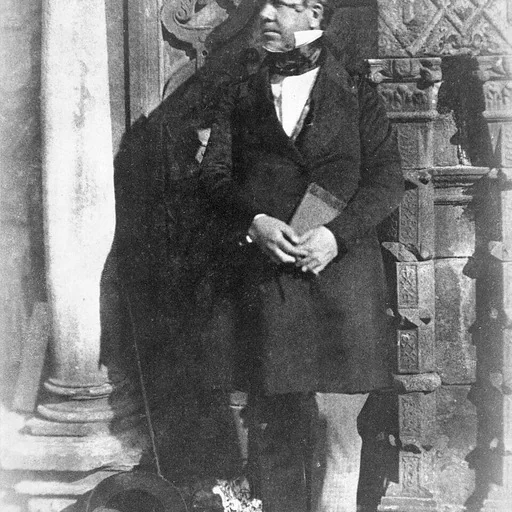
Artist
David Roberts (24 October 1796 – 25 November 1864) was a Scottish painter. He is especially known for The Holy Land, Syria, Idumea, Arabia, Egypt, and Nubia, a prolific series of detailed lithograph prints of Egypt and…

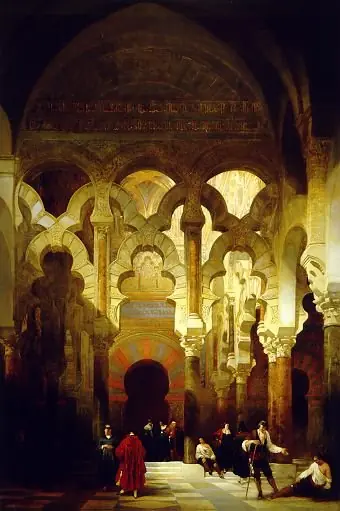
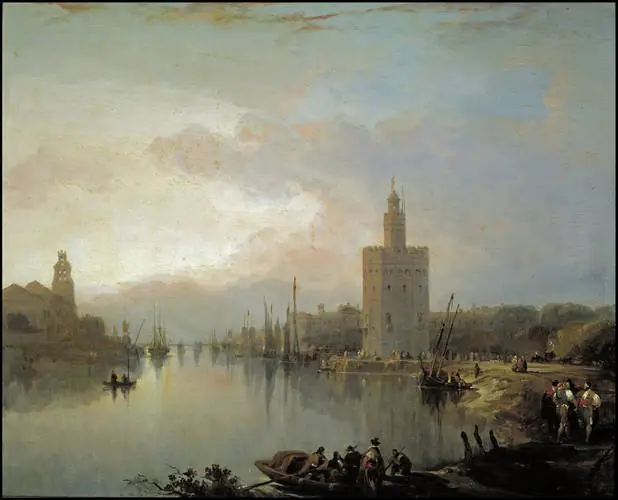
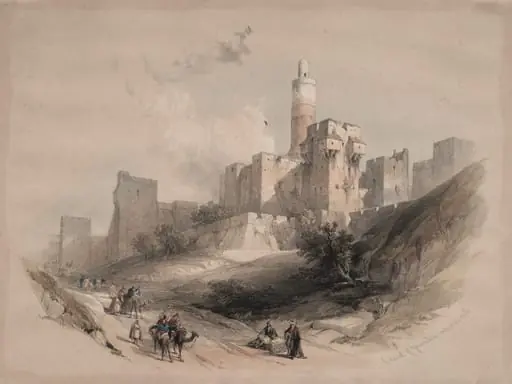 Citadel of Jerusalem, without the Walls, Tower of David
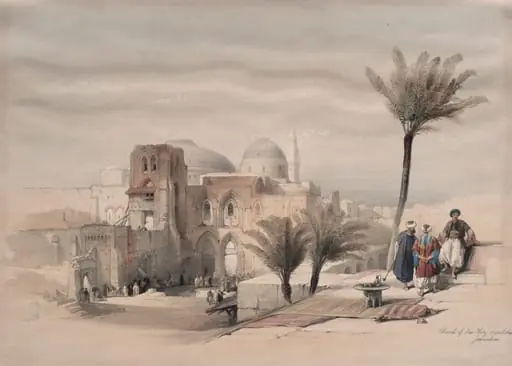 Church of the Holy Sepulchre, Jerusalem
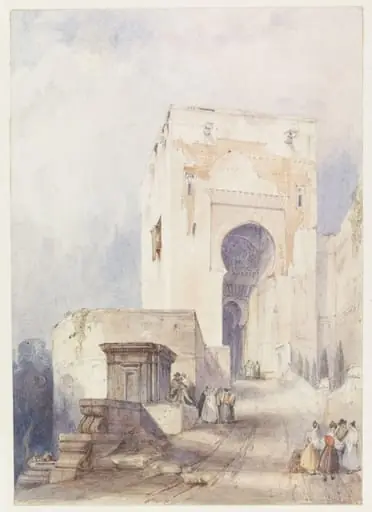 Gate of Justice Alhambra Granada
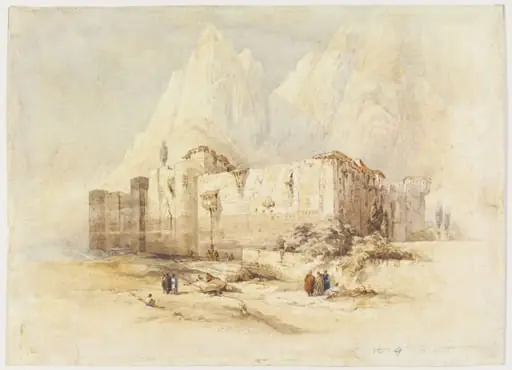 Convent of St Catherine, Mount Sinai
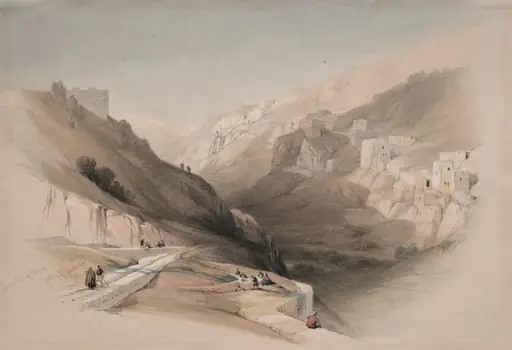 Lower Pool of Siloam, Valley of Jehoshaphat
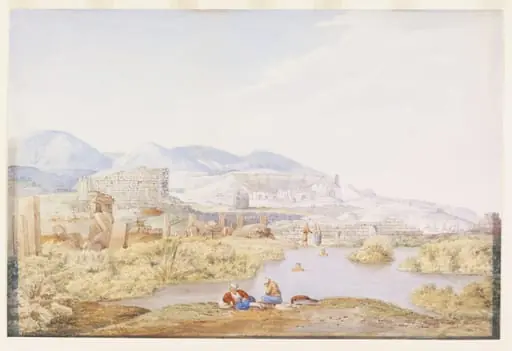 Hierapolis - Natural Hot Spring. Phrygia
 Egypt and Nubia, Volume II: Ruins - Temple on the Island of Biggeh, Nubia
 Approach to Petra, an Ancient Watch Tower Commanding the Valley of El Chor