Artwork
Wooded landscape
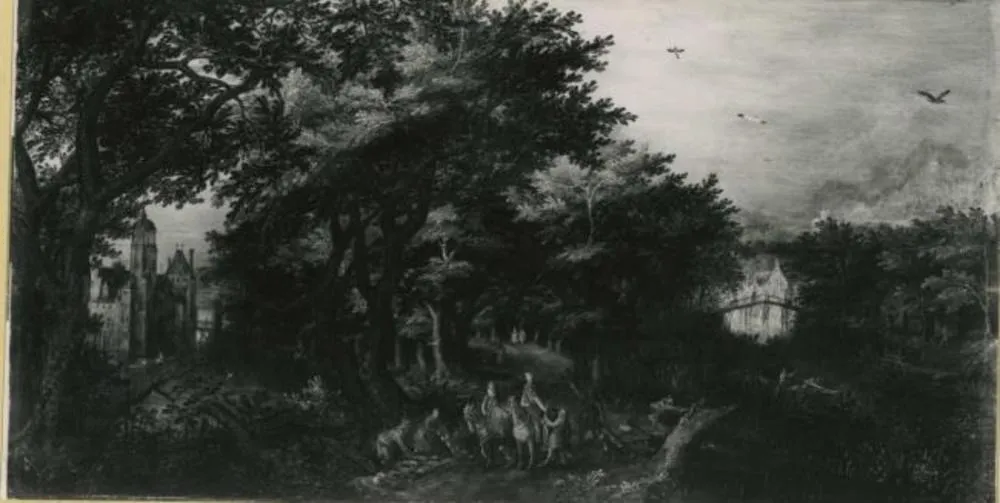
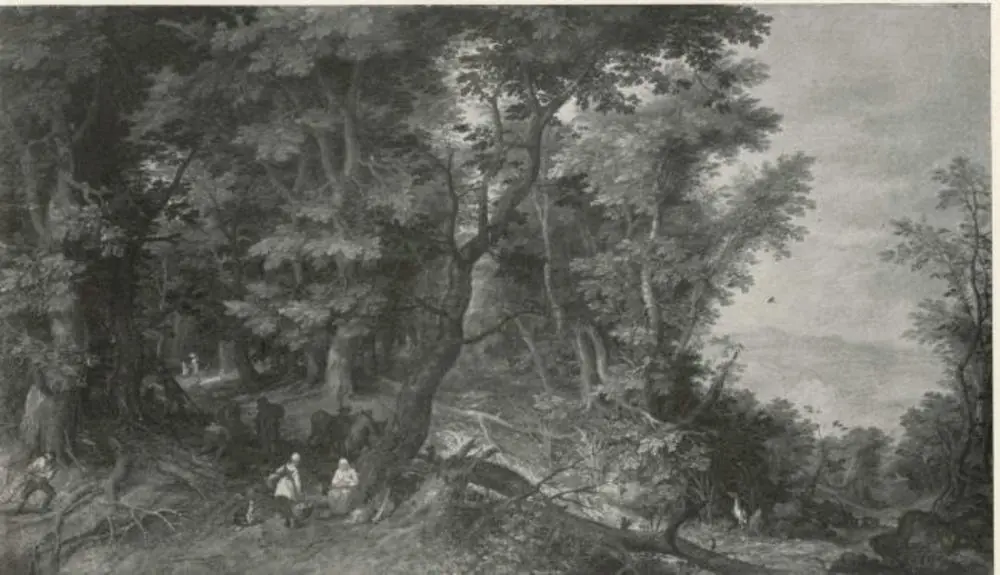
Wooded landscape is an oil painting by the Dutch Golden Age artist David Vinckboons. It dates from 1610 and is held in the collection of the Fitzwilliam Museum.
About this work
Overview
Painted in 1610, *Wooded Landscape* is an oil on panel work by David Vinckboons, a Flemish-born artist active in the Dutch Golden Age.
Painted in 1610, *Wooded Landscape* is an oil on panel work by David Vinckboons, a Flemish-born artist active in the Dutch Golden Age. The piece presents a tranquil forest scene with subtle human presence and architectural elements in the distance. It resides in the Fitzwilliam Museum’s collection, reflecting Vinckboons’ focus on natural environments over narrative drama. His approach prioritizes atmosphere over detail, aligning with early Dutch landscape traditions.
Subject & Meaning
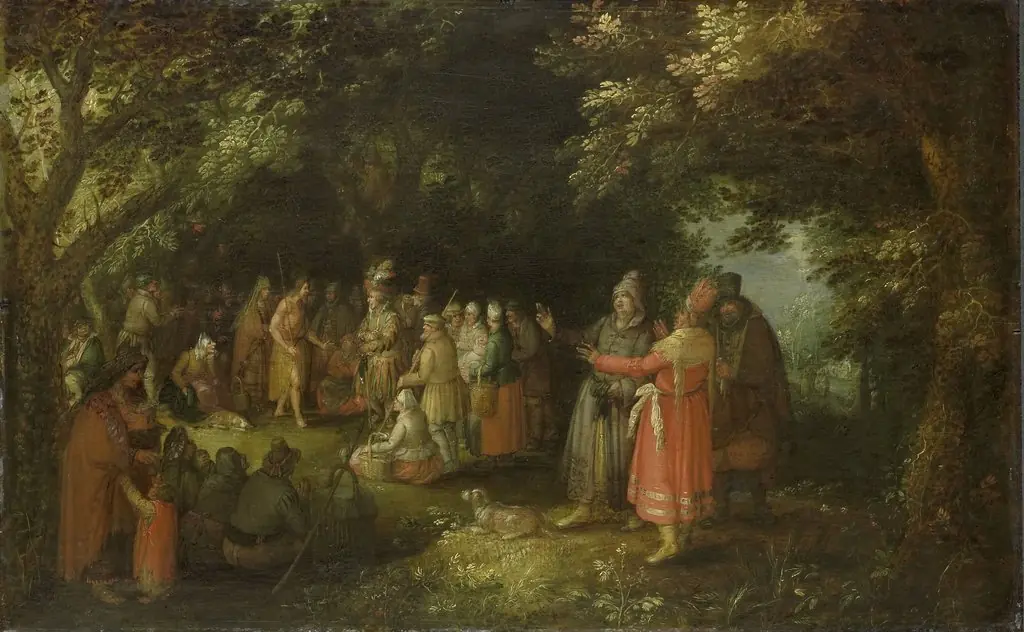
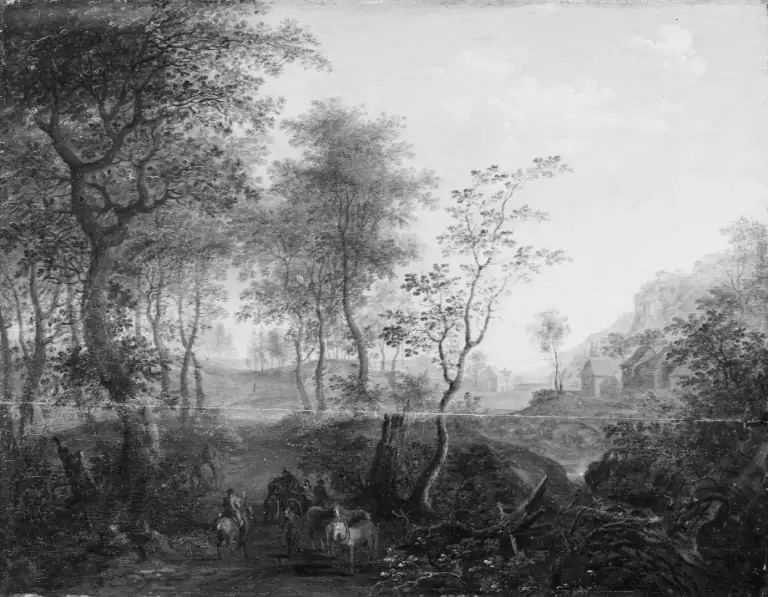
The painting depicts a quiet woodland with a winding stream, scattered dwellings, and a distant structure resembling a castle. A small group of figures rests near the water, while a horse stands nearby, suggesting a moment of pause in daily life. The absence of overt action and the muted tones imply contemplation rather than storytelling. The scene evokes harmony between nature and human habitation, without idealization or moral allegory.
Technique & Style
Vinckboons employed soft transitions between light and shadow to model forms, creating a subdued, atmospheric effect. Dark, dense trees frame the composition, contrasting with a pale, overcast sky. The brushwork is restrained, avoiding sharp detail in favor of tonal gradations that enhance the mood. This use of chiaroscuro, though not dramatic, contributes to the painting’s quiet depth and sense of spatial recession.
History & Provenance
David Vinckboons, born in Mechelen in 1576, settled in Amsterdam by the early 17th century, where he worked until his death around 1632. *Wooded Landscape* dates from his mature period, when he focused on landscapes after earlier religious and genre scenes. The painting entered the Fitzwilliam Museum’s collection through established 19th-century acquisitions, though its earlier ownership remains undocumented.
Context
In early 17th-century Netherlands, landscape painting emerged as an independent genre, moving away from religious or mythological themes. Vinckboons contributed to this shift, influenced by Flemish precedents but adapting to Dutch tastes for understated naturalism. His work reflects a growing interest in everyday environments, aligning with broader cultural values of observation and quiet reverence for the land.
Legacy
Though less celebrated than contemporaries like Rembrandt or Hobbema, Vinckboons helped shape the Dutch landscape tradition through his emphasis on mood and subtle tonal harmony. His influence is seen in the quiet, atmospheric works of later painters who favored tranquility over spectacle. His family’s contributions to cartography and architecture further situate him within a broader intellectual milieu of the period.
Artist & collection
Artist
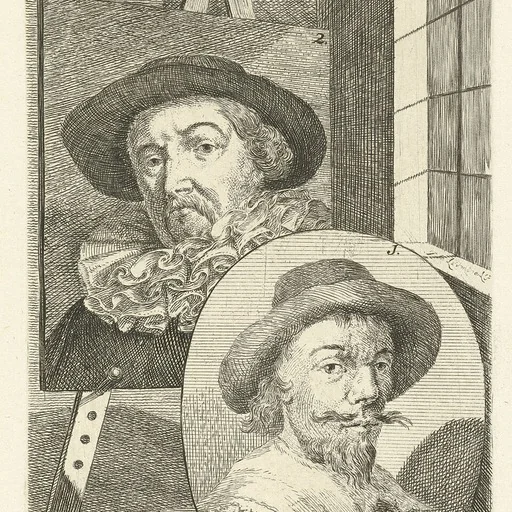
David Vinckboons (baptized 13 August 1576 – c. 1632) was a Dutch Golden Age painter born in Mechelen, Southern Netherlands. Vinckboons, whose name is often spelled as Vingboons, Vinghboons, Vinckebonis or Vinckboom, had…

 Forest Landscape (The Rest on the Flight into Egypt)
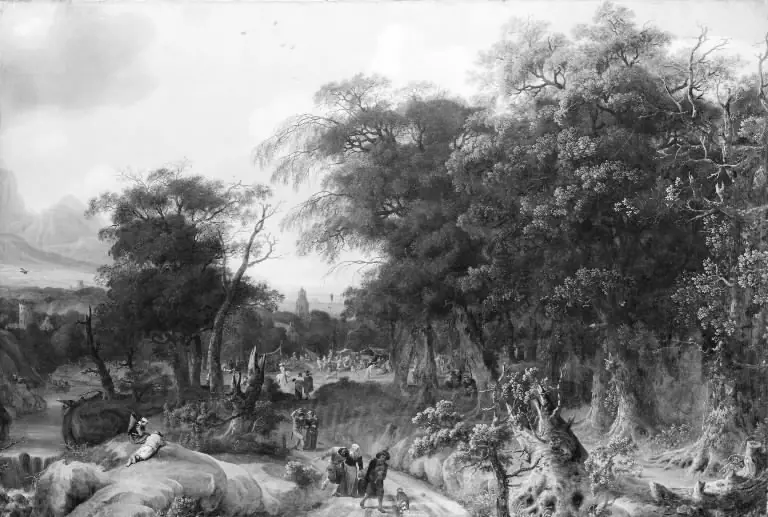 May Festival in the Mountains
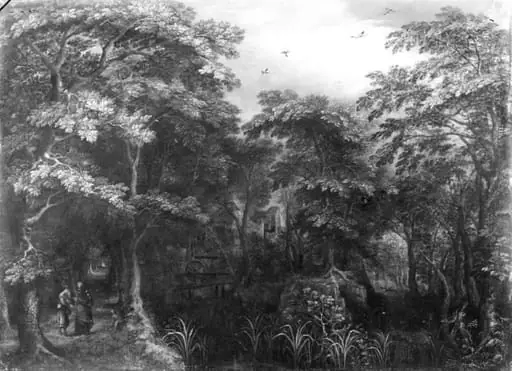 Wooded Landscape with the Banishment of Hagar and Ishmael
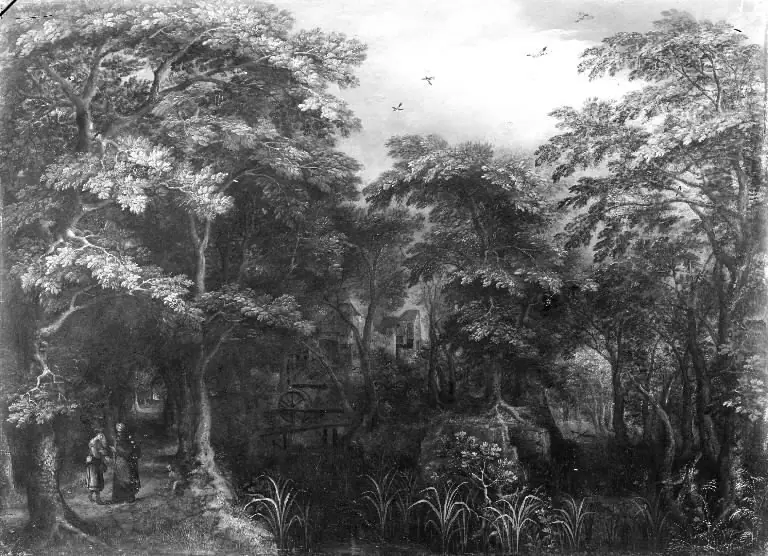 Wooded Landscape with the Banishment of Hagar and Ishmael
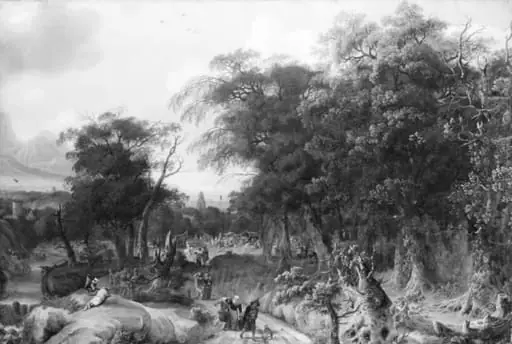 May Festival in the Mountains
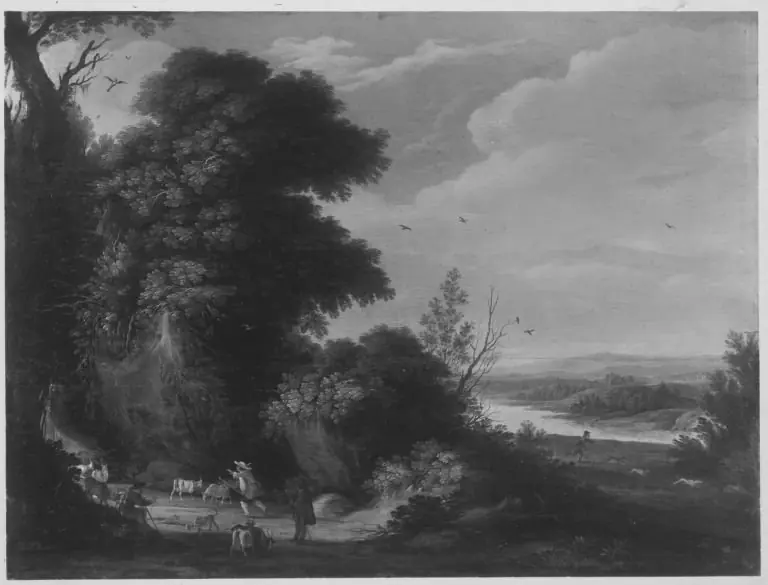 Ideal landscape
 Landscape
 River Landscape with Cattle
 Landschaft mit Falkner
 Komponierte Landschaft mit Jägern