Artwork
General Sir David Baird Discovering the Body of Sultan Tippoo Sahib after having Captured Seringapatam, on the 4th May, 1799
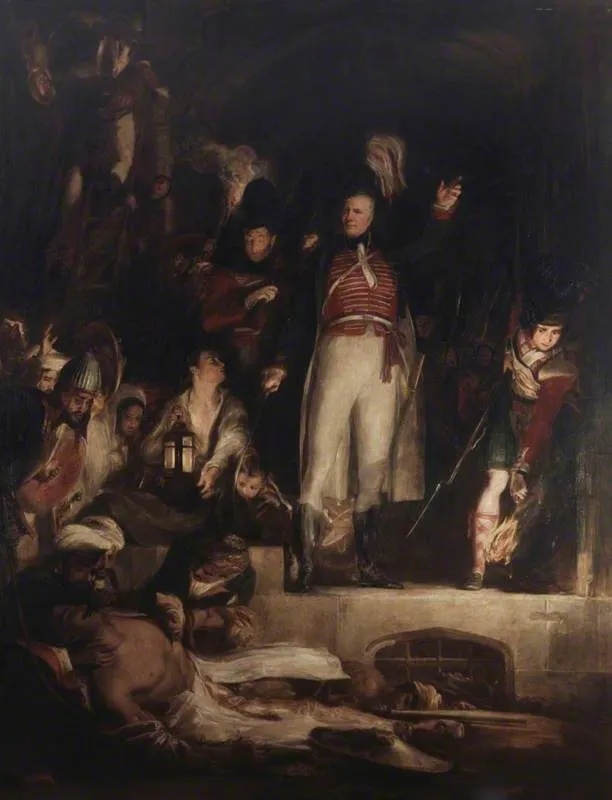
General Sir David Baird Discovering the Body of Sultan Tippoo Sahib after having Captured Seringapatam, on the 4th May, 1799 is an oil painting by David Wilkie. It dates from 1839 and is held in the collection of the National Galleries Scotland.
About this work
Overview
It captures the discovery of Tipu Sultan’s body by British forces under General Sir David Baird, following the fall of the Mysore capital.
Painted in 1839 by Scottish artist David Wilkie, this oil on canvas work depicts a pivotal moment from the 1799 Siege of Seringapatam. It captures the discovery of Tipu Sultan’s body by British forces under General Sir David Baird, following the fall of the Mysore capital. The painting serves as a historical narrative, commemorating a decisive event in British colonial expansion in southern India.
Subject & Meaning
The scene portrays General Baird, a veteran of earlier conflicts with Tipu Sultan, kneeling beside the slain ruler’s corpse amid the chaos of the captured palace. The moment emphasizes personal retribution and imperial triumph, as Baird had been held captive by Tipu years earlier. The composition contrasts the stillness of death with the surrounding turmoil, underscoring the finality of British victory.
Technique & Style
Wilkie employs a dramatic chiaroscuro to isolate the central figures, drawing attention to the body and Baird’s somber reaction. The figures are rendered with careful attention to costume and expression, reflecting the artist’s training in genre realism. The background dissolves into shadowy chaos, reinforcing the emotional weight of the moment while maintaining historical specificity in detail.
History & Provenance
Commissioned by the British government to commemorate imperial achievements, the painting entered the collection of the Scottish National Gallery in the 19th century. It was exhibited widely in its early years as part of a broader effort to visually legitimize British military campaigns in India. Its provenance traces directly from the artist’s studio to public institutional ownership.
Context
The painting emerged during a period of heightened British imperial self-reflection, following decades of conflict in India. Tipu Sultan, known for his resistance to colonial encroachment, had become a symbolic figure. Wilkie’s depiction reflects contemporary British narratives that framed his death as the closure of a long-standing threat, aligning art with state ideology.
Legacy
Though later criticized for its colonial perspective, the painting remains a significant example of 19th-century British historical art. It influenced subsequent depictions of imperial encounters and continues to be studied for its visual rhetoric. Today, it is displayed as a historical artifact, prompting reflection on the relationship between art, power, and memory.
Artist & collection
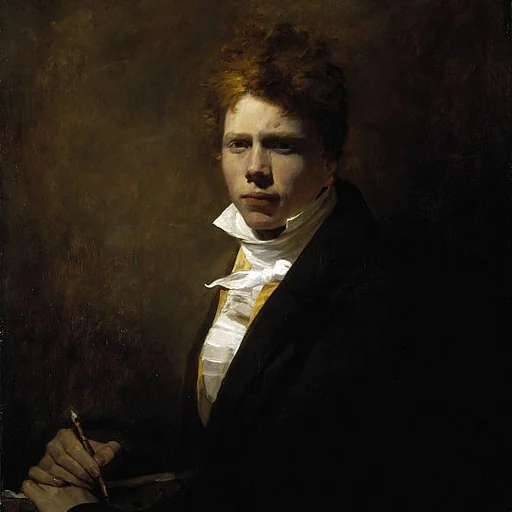
Artist
Sir David Wilkie (18 November 1785 – 1 June 1841) was a Scottish painter, especially known for his genre scenes.

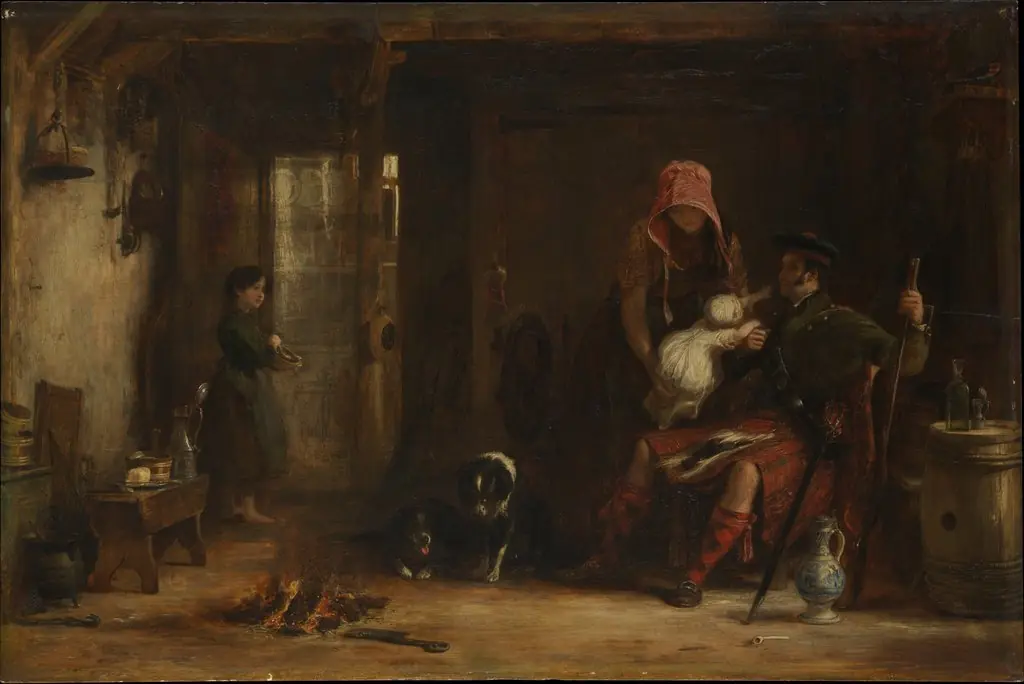 The Highland Family
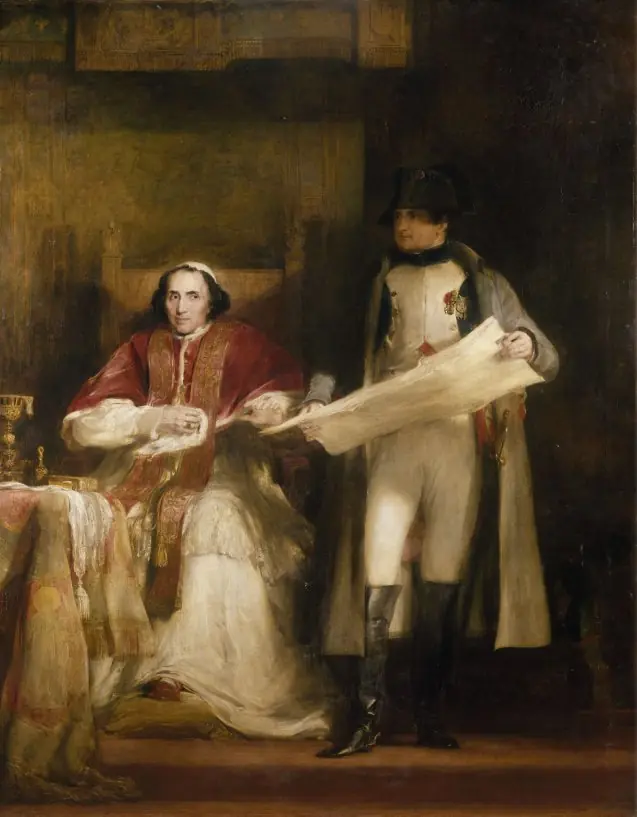 Napoleon and Pope Pius VII at Fontainebleau in 1813
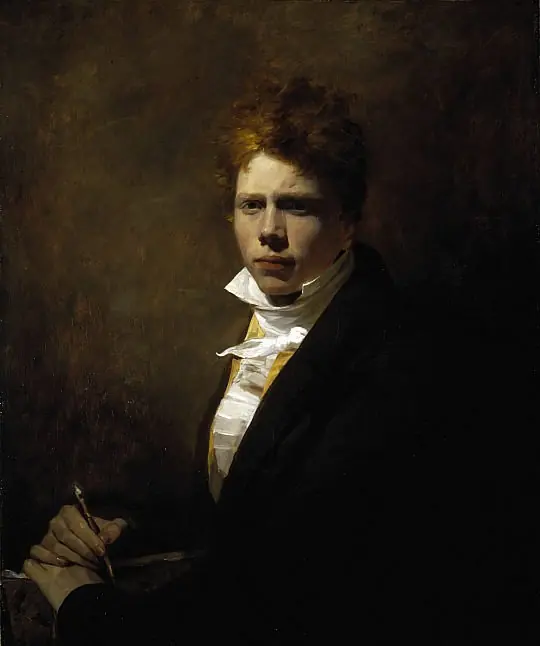 Self-Portrait
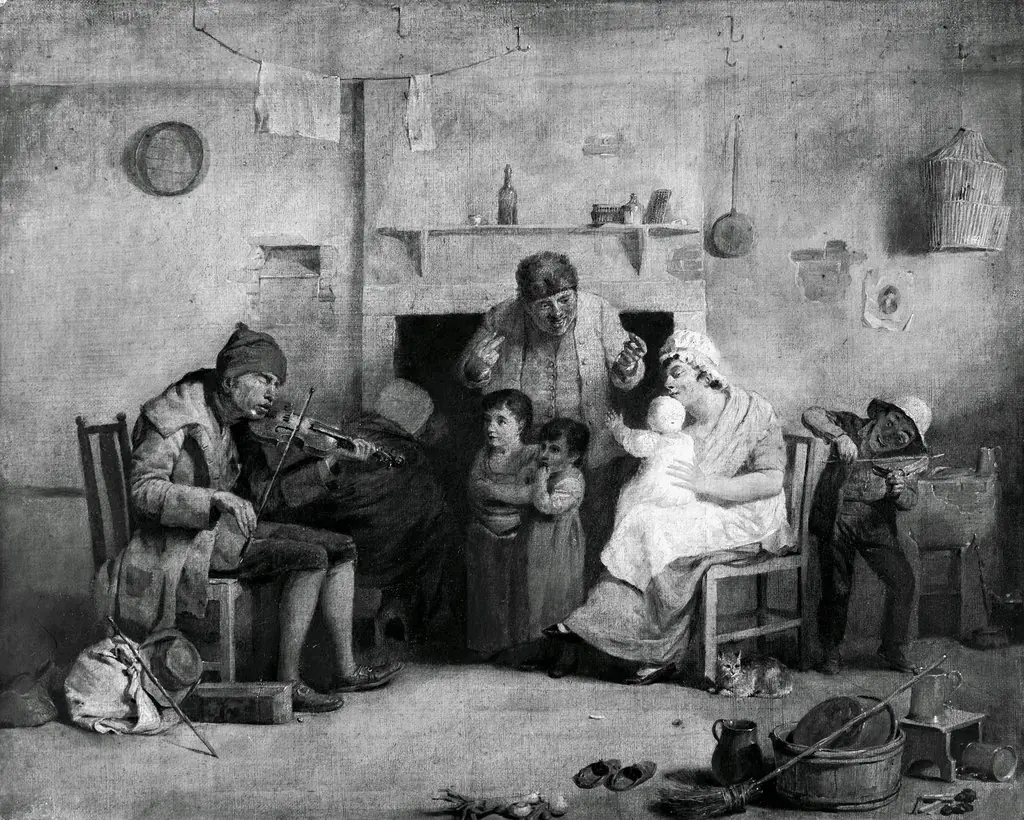 The blind violinist
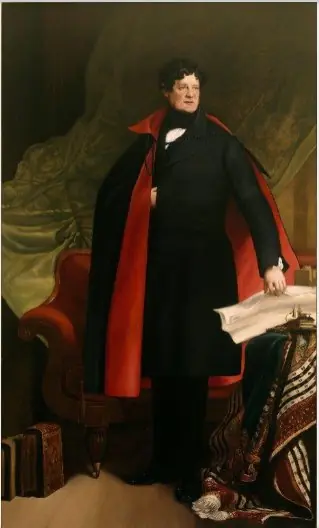 Portrait of Daniel O'Connell as Governor of the National Bank
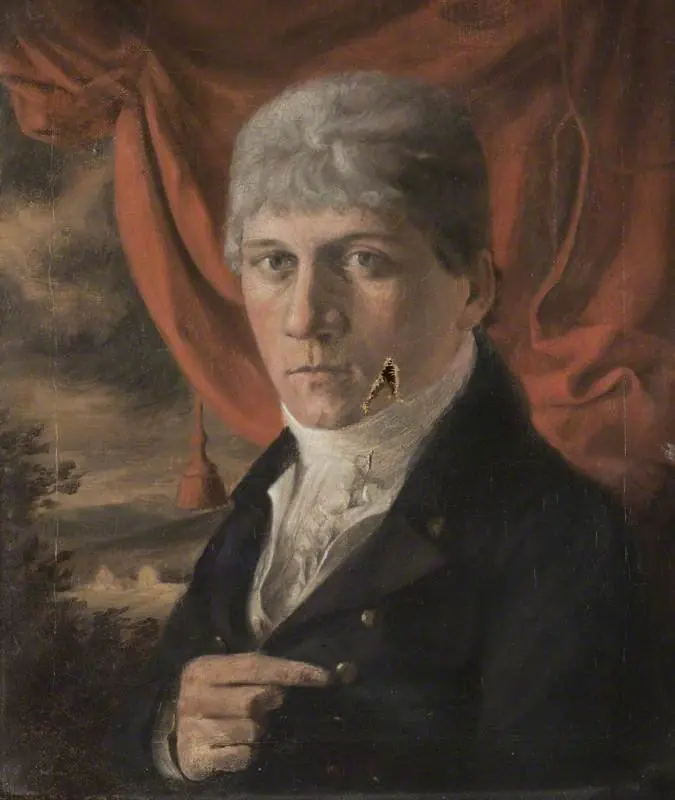 Portrait of the Artist's Brother, Captain James Wilkie (1784 - 1824)
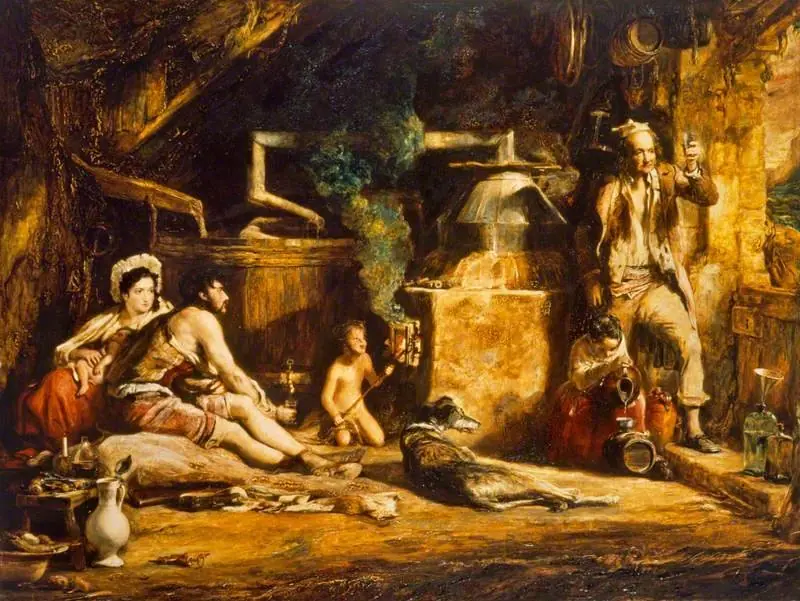 The Irish Whiskey Still
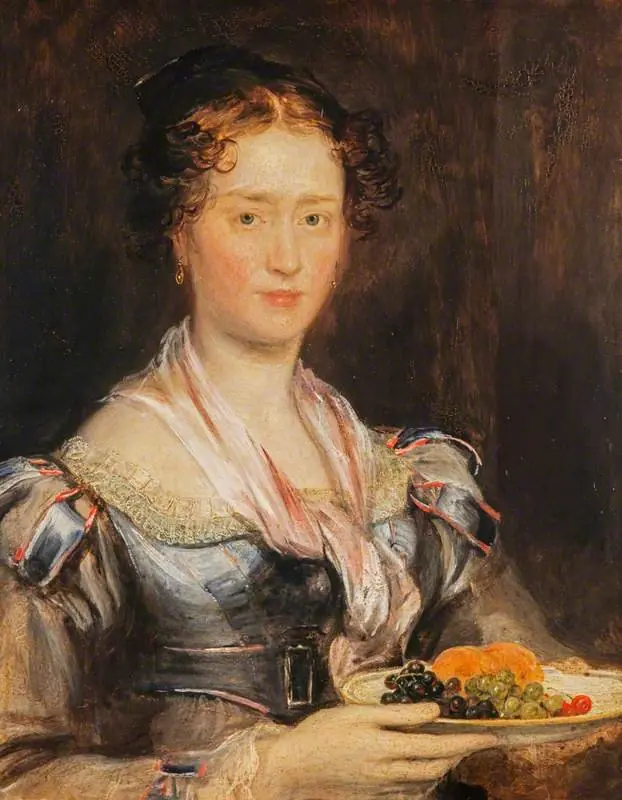 The Artist's Sister, Helen Hunter, née Wilkie (1793–1870)
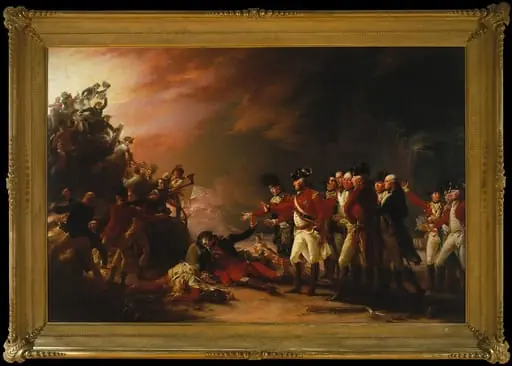 The Sortie Made by the Garrison of Gibraltar
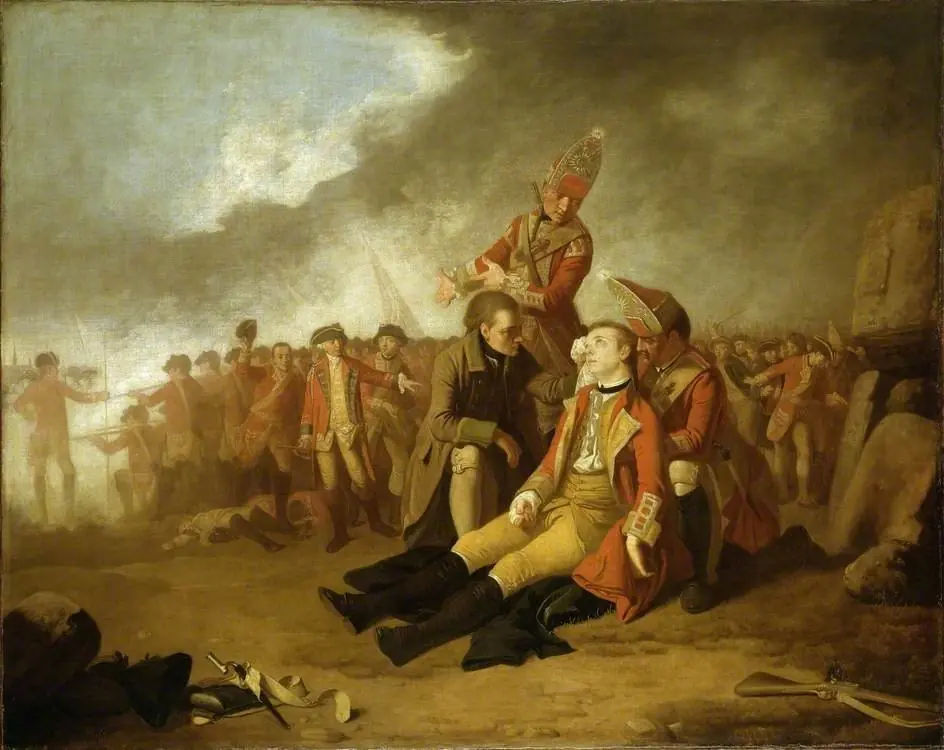 The Death of General Wolfe
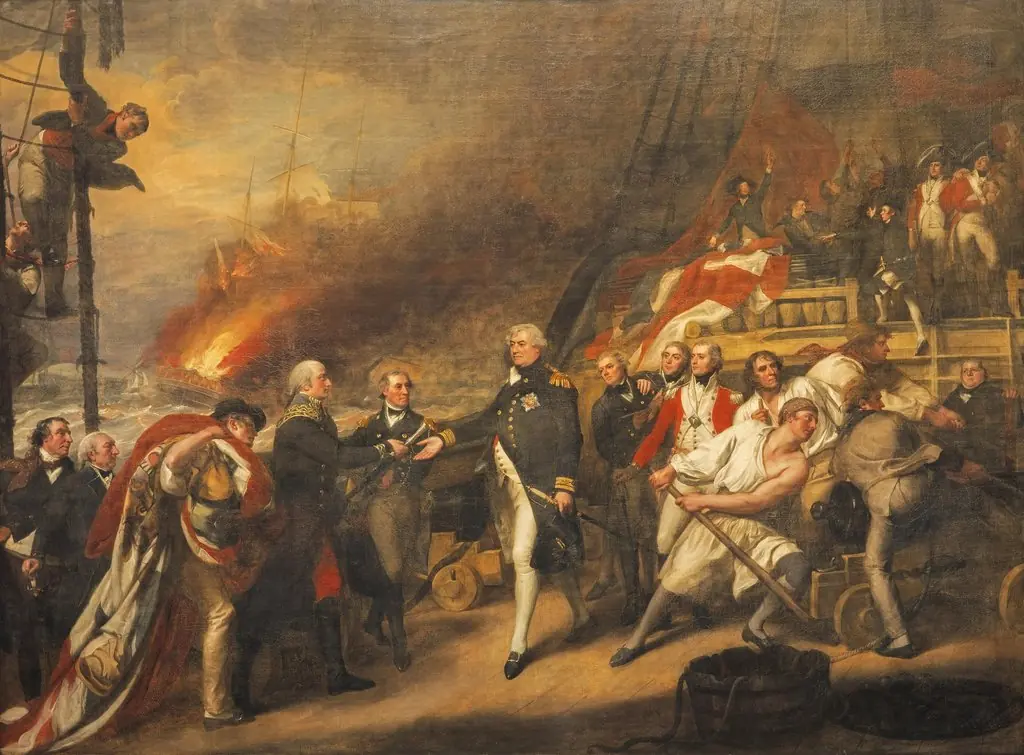 The Surrender of the Dutch Admiral de Winter to Admiral Duncan at the Battle of Camperdown (The Victory of Lord Duncan)
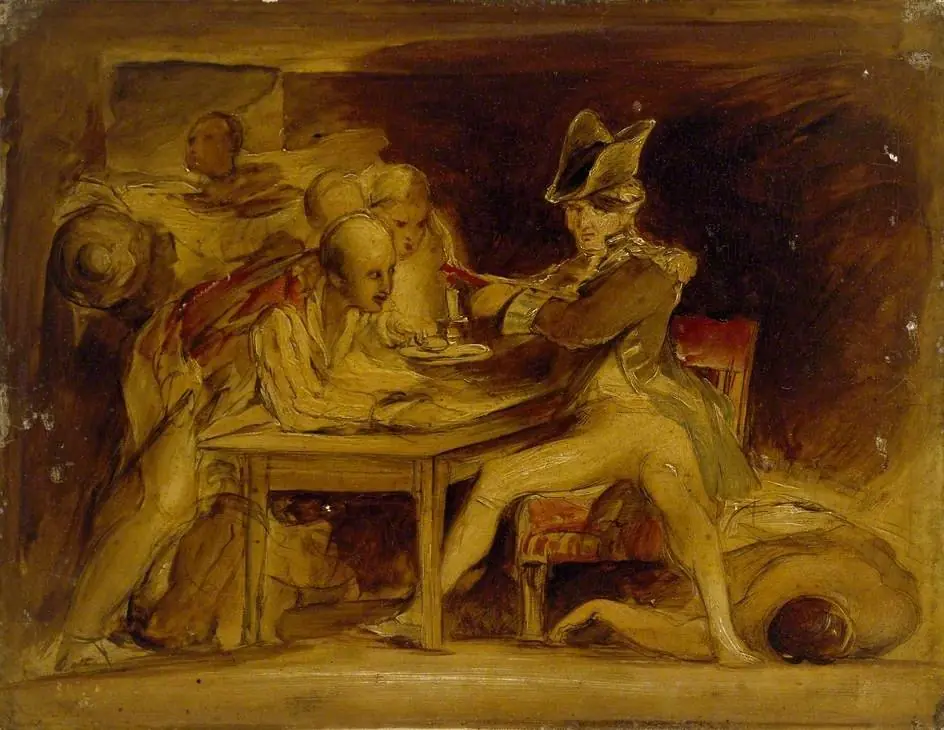 Nelson sealing the Copenhagen letter
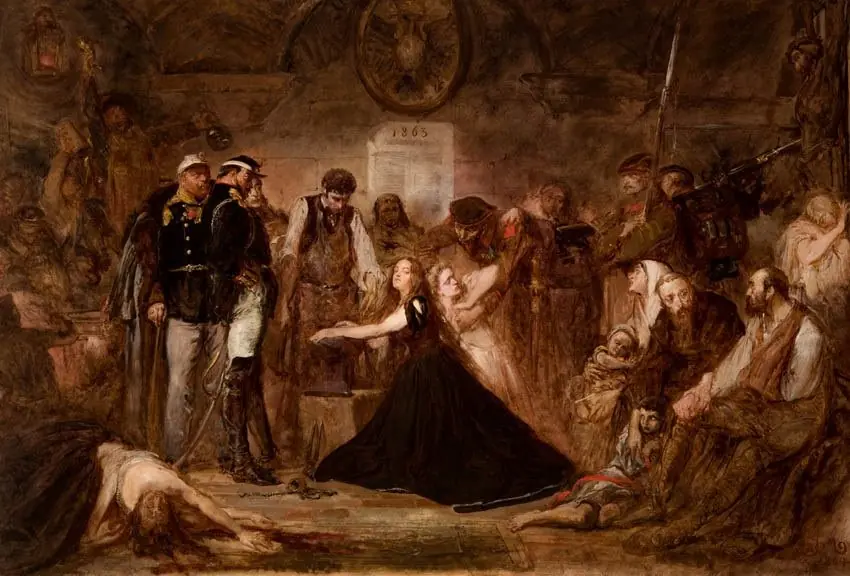 Poland – The Year 1863
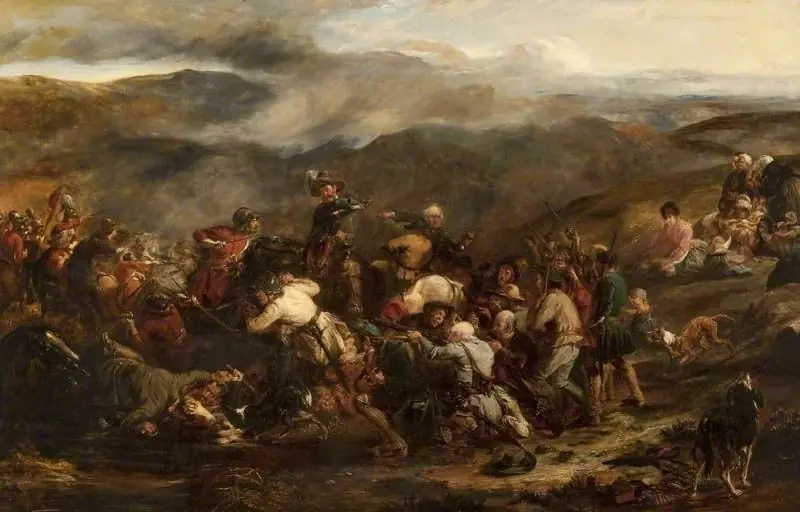 Drumclog
 Le Réveil
 Indulging
 Queen Victoria at a review in Cobham
 Victory of Alexander the Great over Poros, king of India, in 326
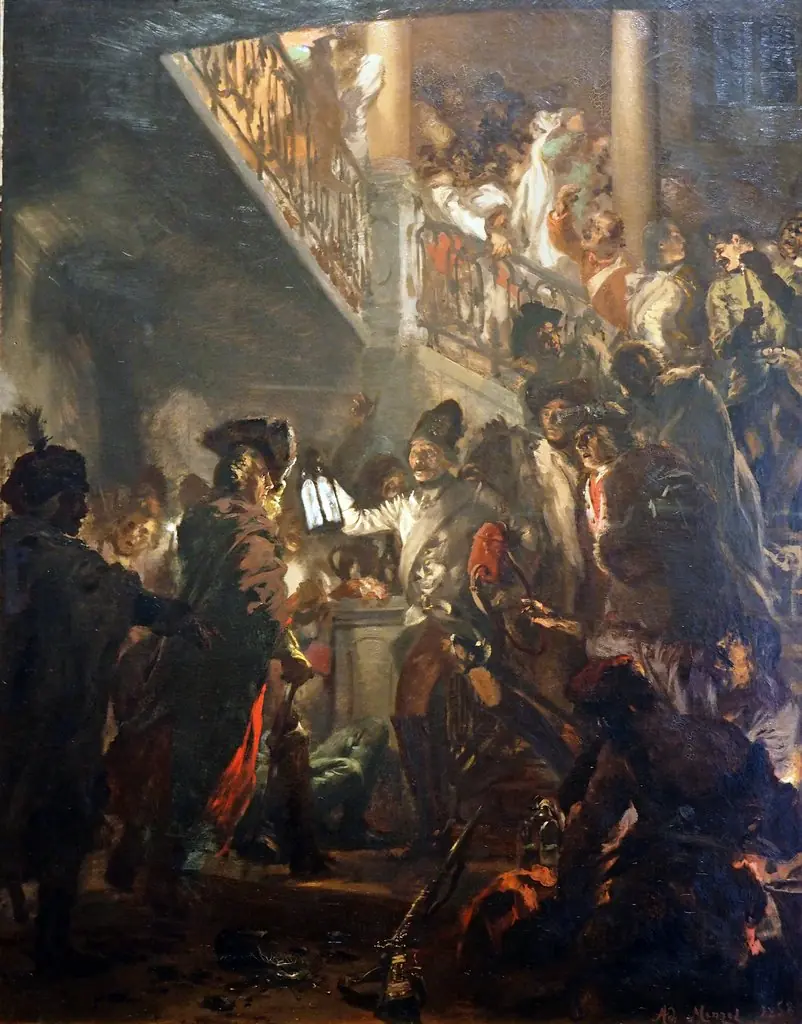 Frederick the Great at Lissa: Bonsoir, Messieurs
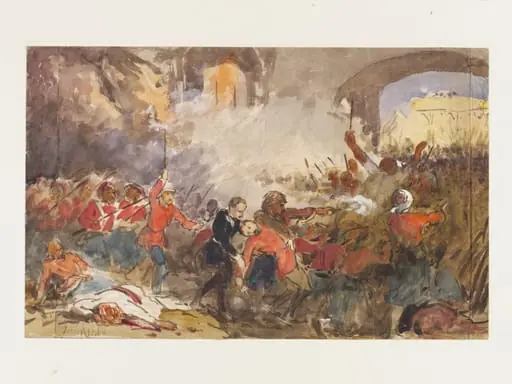 The Murder of Sir Louis Cavagnari at Kabul. 1879