Artwork
Nelson sealing the Copenhagen letter
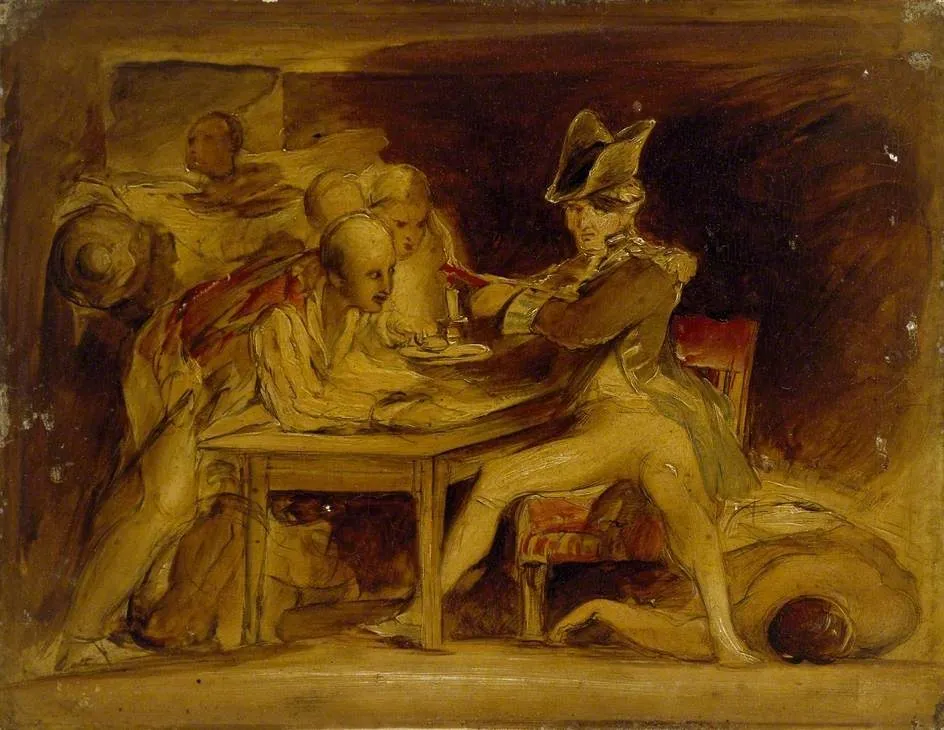
Nelson sealing the Copenhagen letter is an oil painting by the British Romanticist artist David Wilkie. It dates from 1835 and is held in the collection of the Ashmolean Museum.
About this work
Overview
Wilkie, a Scottish painter known for detailed historical narratives, was appointed Principal Painter to the British monarchy.
David Wilkie’s 1835 oil painting captures Admiral Horatio Nelson in a quiet, pivotal moment during the Napoleonic Wars. Executed in the British Romantic style, the work portrays Nelson sealing a letter after the Battle of Copenhagen. Wilkie, a Scottish painter known for detailed historical narratives, was appointed Principal Painter to the British monarchy. The piece is part of the Ashmolean Museum’s collection, reflecting its significance in 19th-century British art.
Subject & Meaning
The scene depicts Nelson, dressed in full naval uniform, sealing a dispatch that would communicate his decision to halt further aggression after the Battle of Copenhagen. Rather than celebrating victory, the painting emphasizes restraint and moral resolve. The act of sealing the letter suggests a moment of personal judgment, framing Nelson not merely as a commander but as a figure burdened by the weight of command and the consequences of war.
Technique & Style
Wilkie employed oil paint with precision to render texture and light, focusing on the tactile details of fabric, paper, and metal objects. The dark, recessive background isolates Nelson, heightening the psychological intensity of the moment. The composition is tightly controlled, with the candle’s glow illuminating the letter and quill, drawing the viewer’s eye to the act of writing. This attention to domestic realism within a historical context reflects Wilkie’s signature narrative approach.
History & Provenance
Commissioned during Wilkie’s tenure as royal painter, the work was completed in 1835, nearly two decades after Nelson’s death. It was likely intended to reinforce national memory of naval heroism during a period of imperial consolidation. The painting entered the Ashmolean Museum’s collection in the 19th century, where it has remained as part of its British art holdings, preserved for its historical and artistic value.
Context
Painted during the reign of William IV, the work emerged amid a broader cultural effort to memorialize naval figures from the Napoleonic Wars. Wilkie’s choice to depict a private, contemplative moment—rather than battle—aligned with a growing interest in the moral dimensions of leadership. The painting reflects a shift in public perception, valuing restraint and duty over mere triumph.
Legacy
Though less widely known than Nelson’s battle scenes, this painting contributes to a nuanced understanding of his character. Wilkie’s focus on quiet authority influenced later historical painters who sought to convey inner resolve over spectacle. The work remains a key example of how 19th-century British art used intimate moments to explore larger themes of duty, sacrifice, and leadership.
Artist & collection
Artist
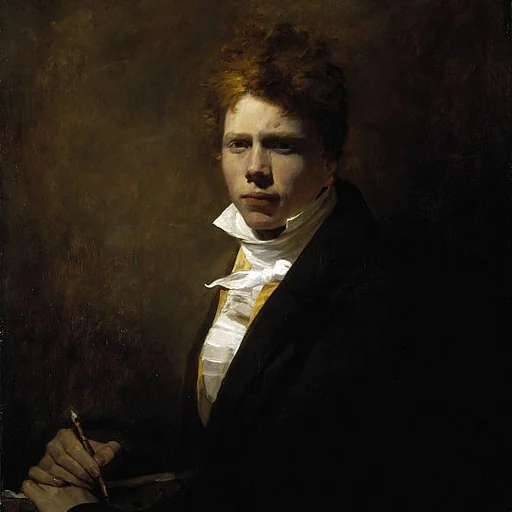
Sir David Wilkie (18 November 1785 – 1 June 1841) was a Scottish painter, especially known for his genre scenes.

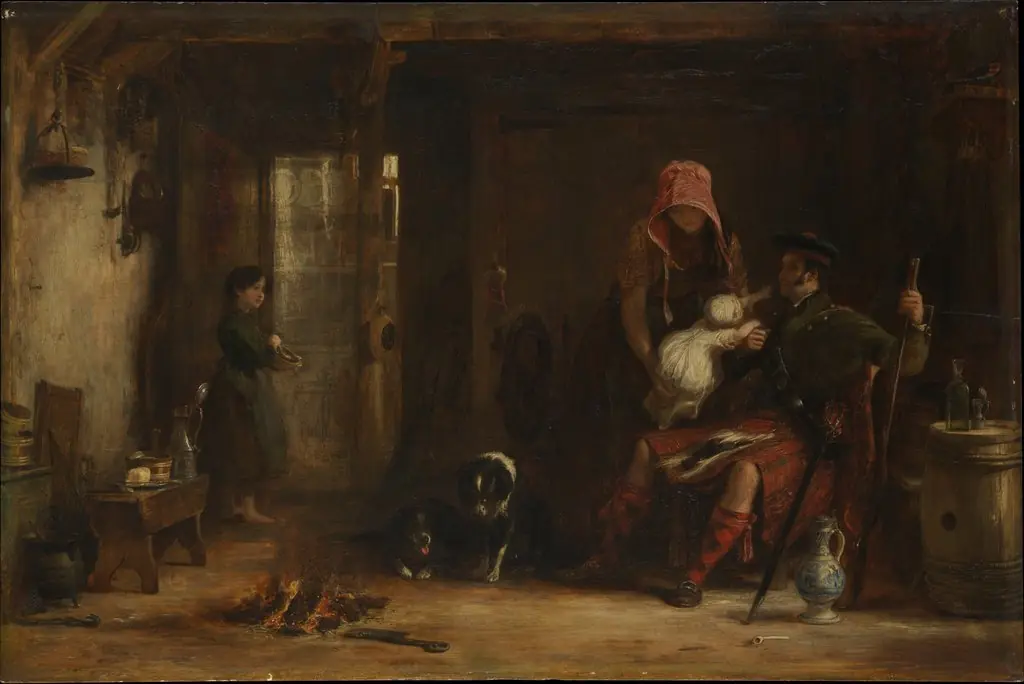 The Highland Family
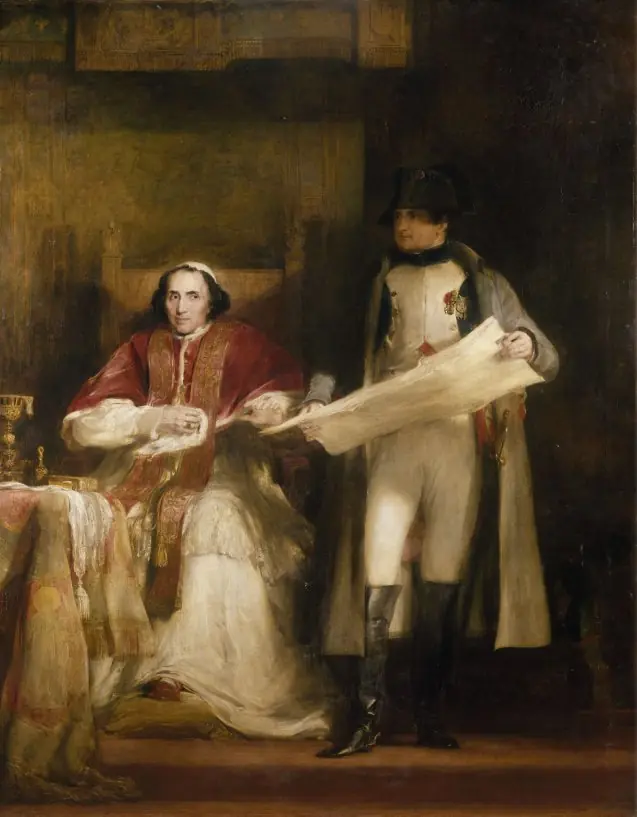 Napoleon and Pope Pius VII at Fontainebleau in 1813
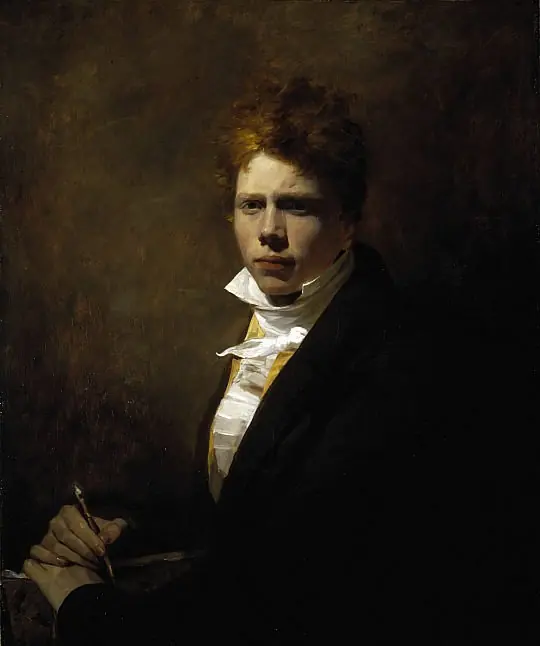 Self-Portrait
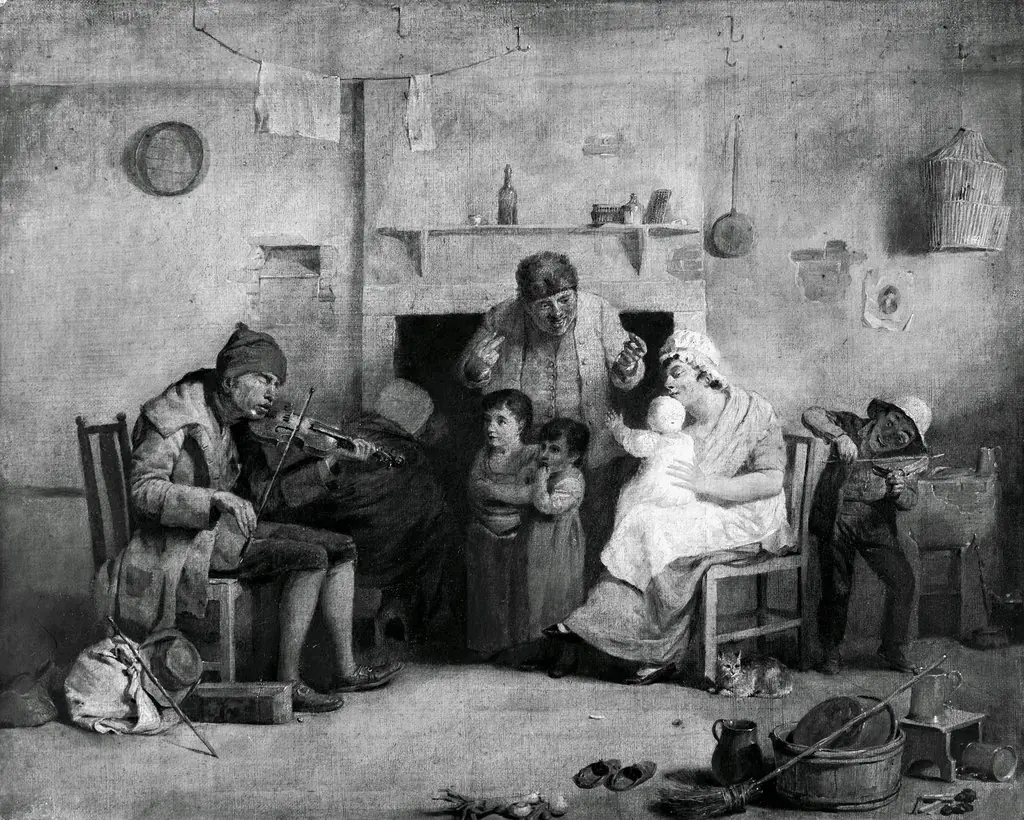 The blind violinist
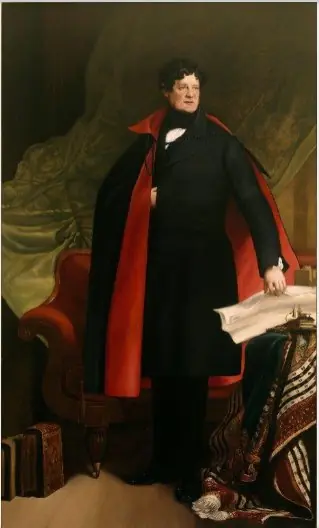 Portrait of Daniel O'Connell as Governor of the National Bank
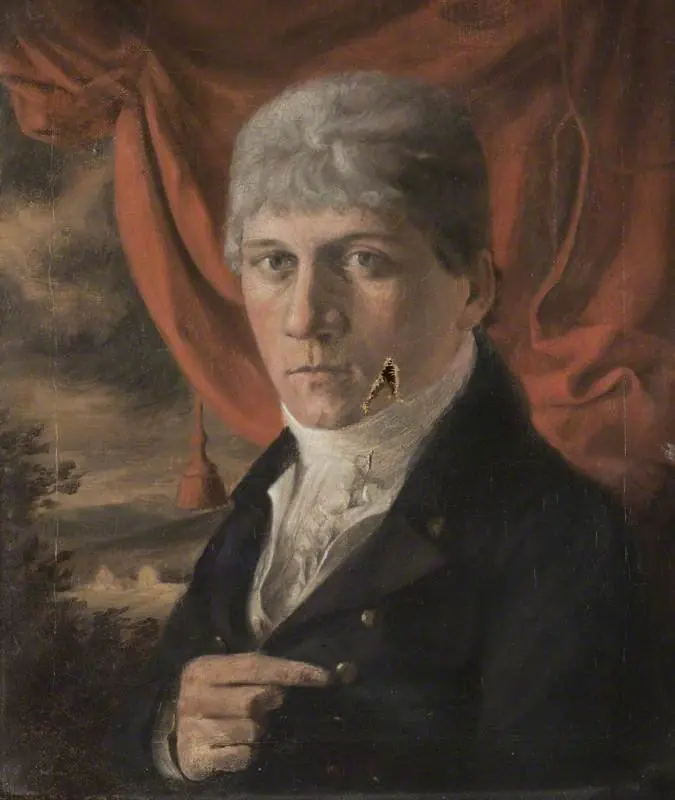 Portrait of the Artist's Brother, Captain James Wilkie (1784 - 1824)
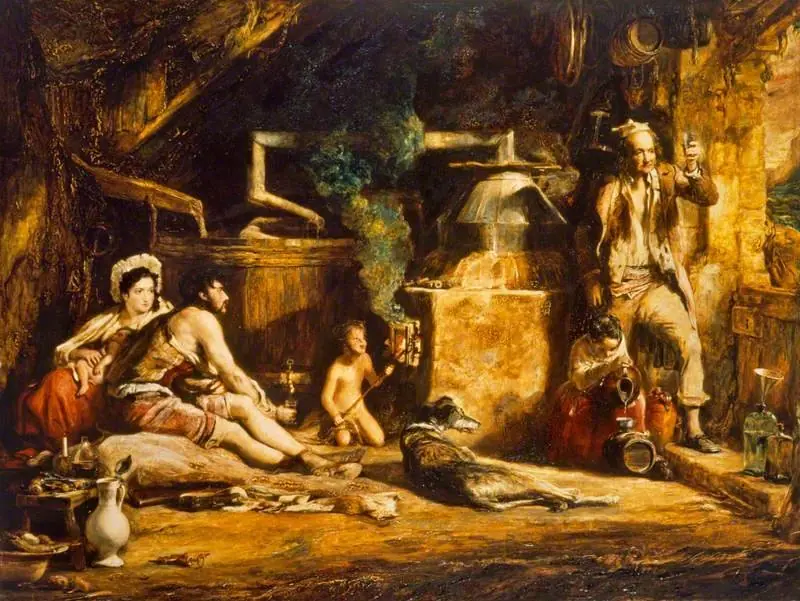 The Irish Whiskey Still
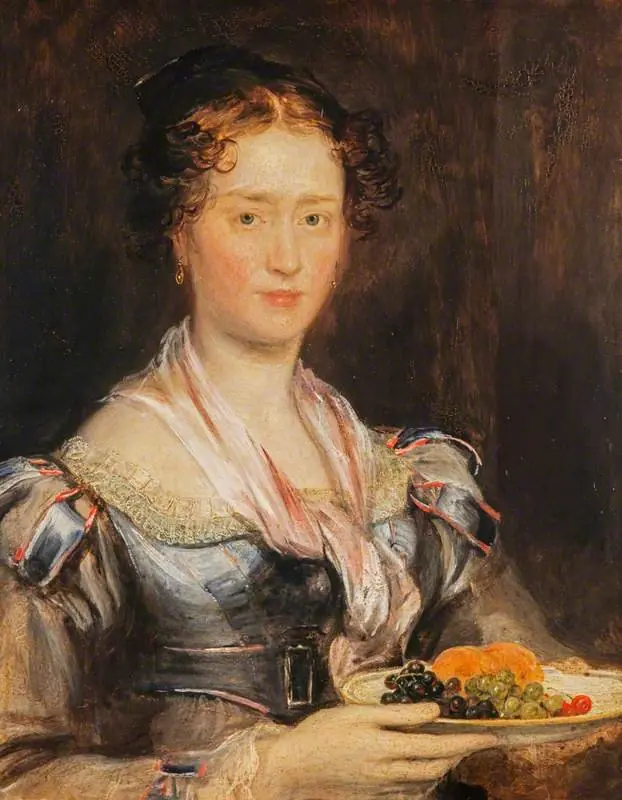 The Artist's Sister, Helen Hunter, née Wilkie (1793–1870)
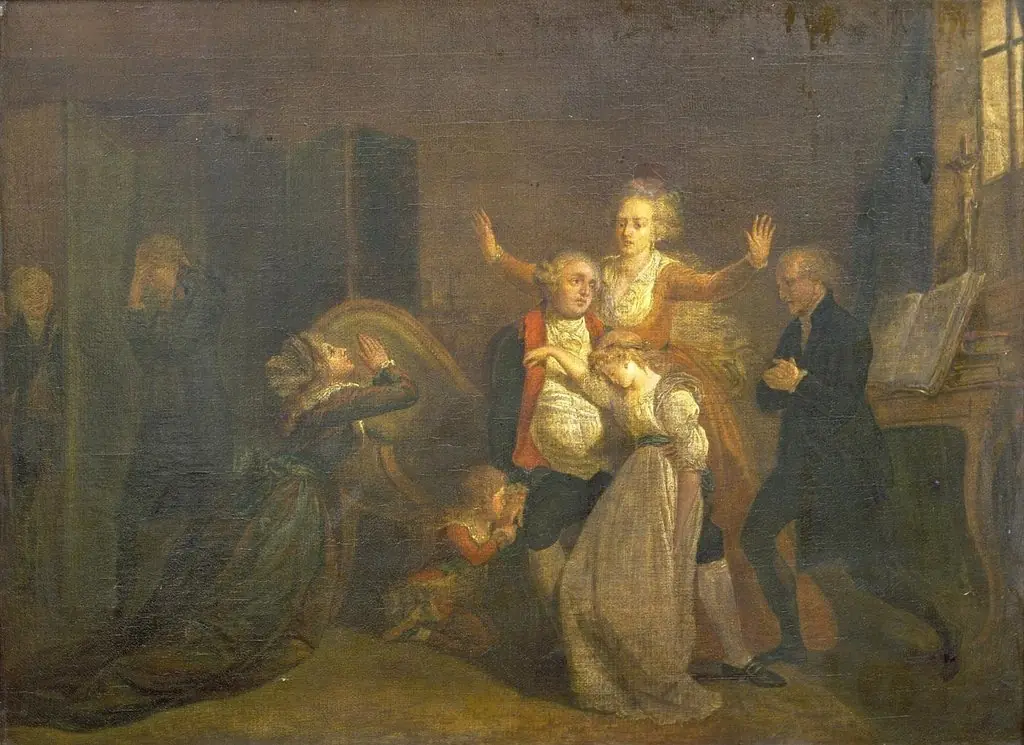 The last moments of Louis XVI
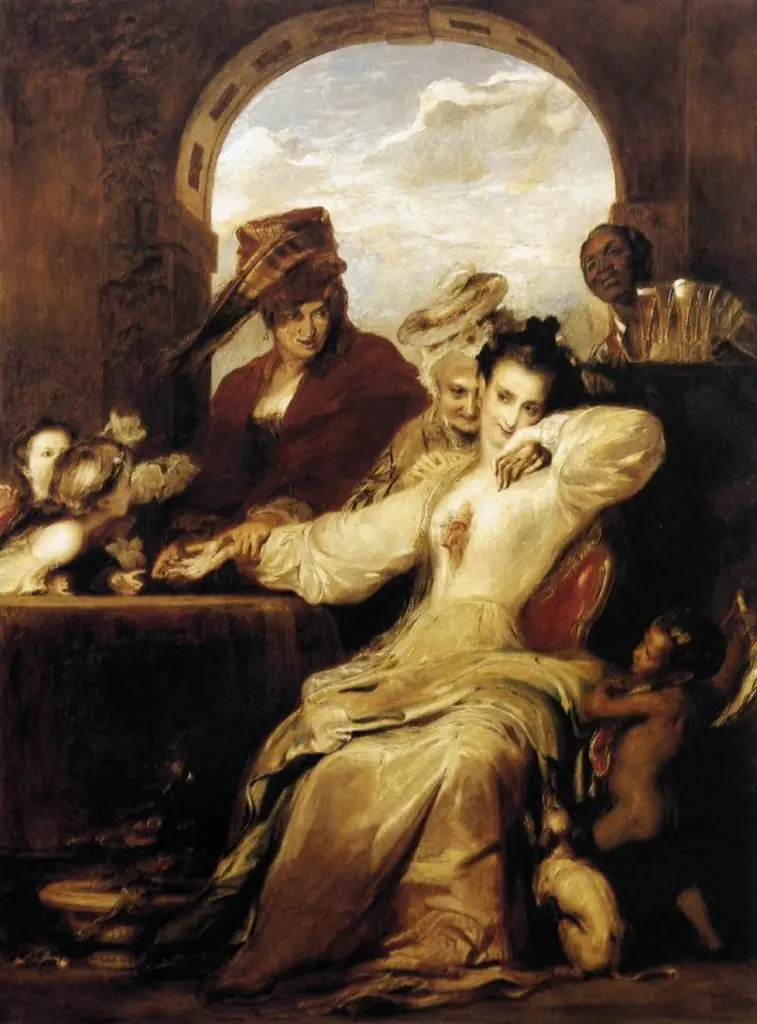 Josephine and the Fortune-teller
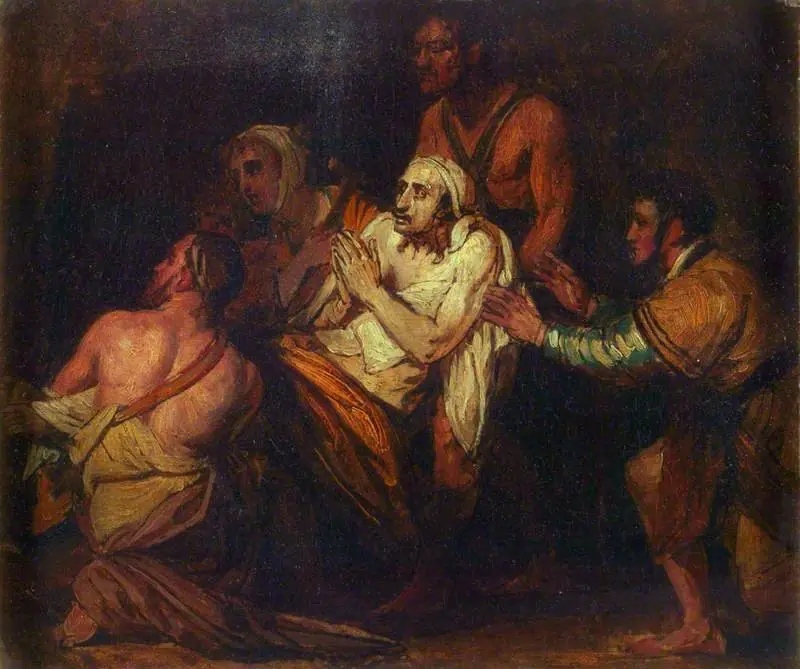 Christ Healing the Sick (sketch)
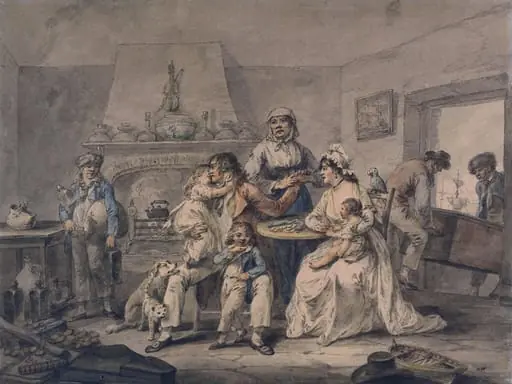 The Sailor's Return Home
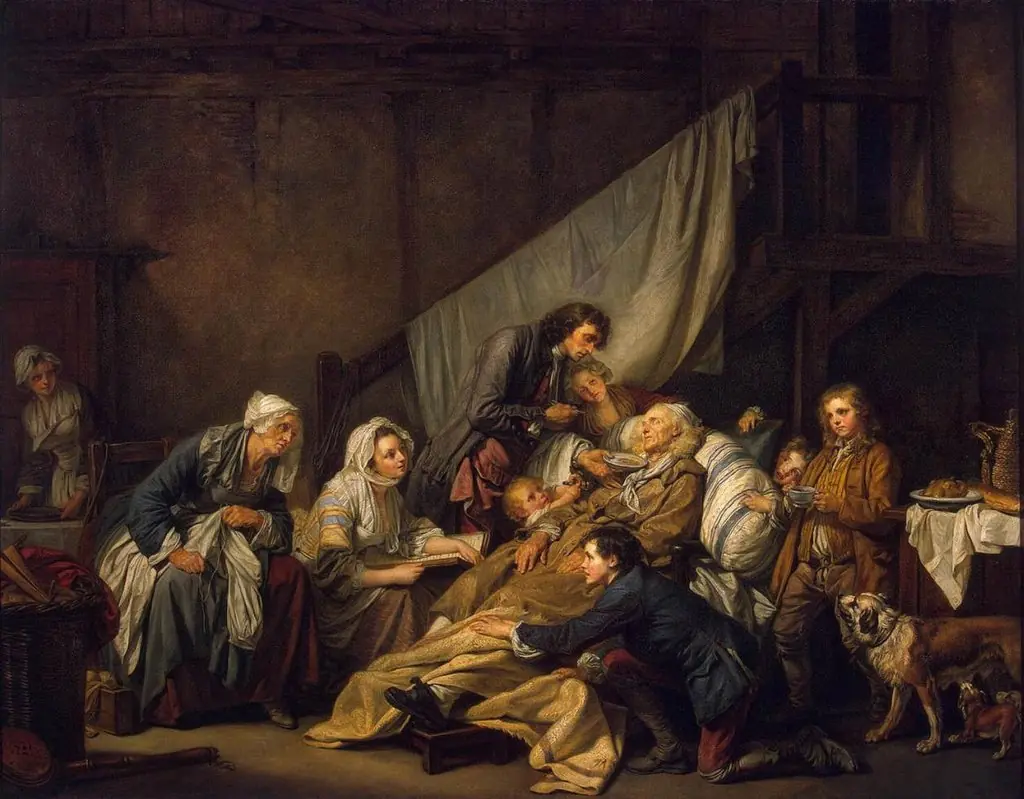 Filial Piety (The Paralytic)
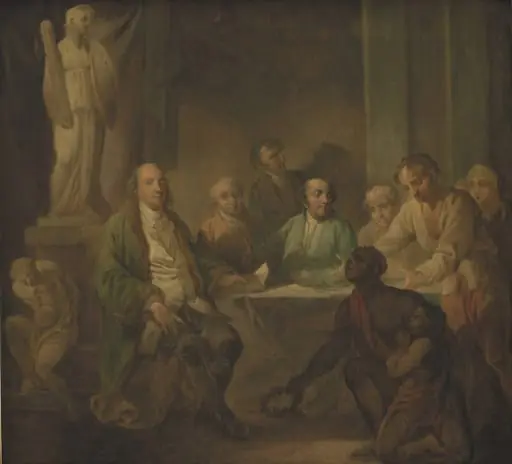 Homage to Benjamin Franklin
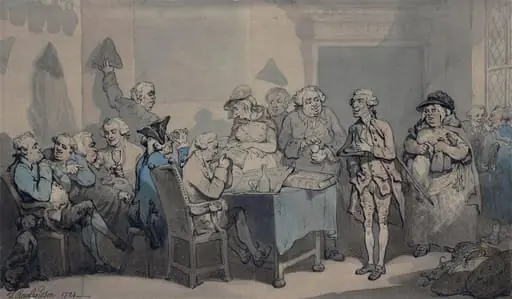 The Parish Vestry
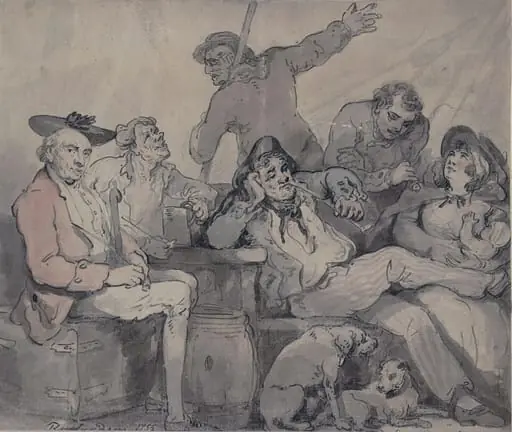 Group sketched on board 'The Europa'
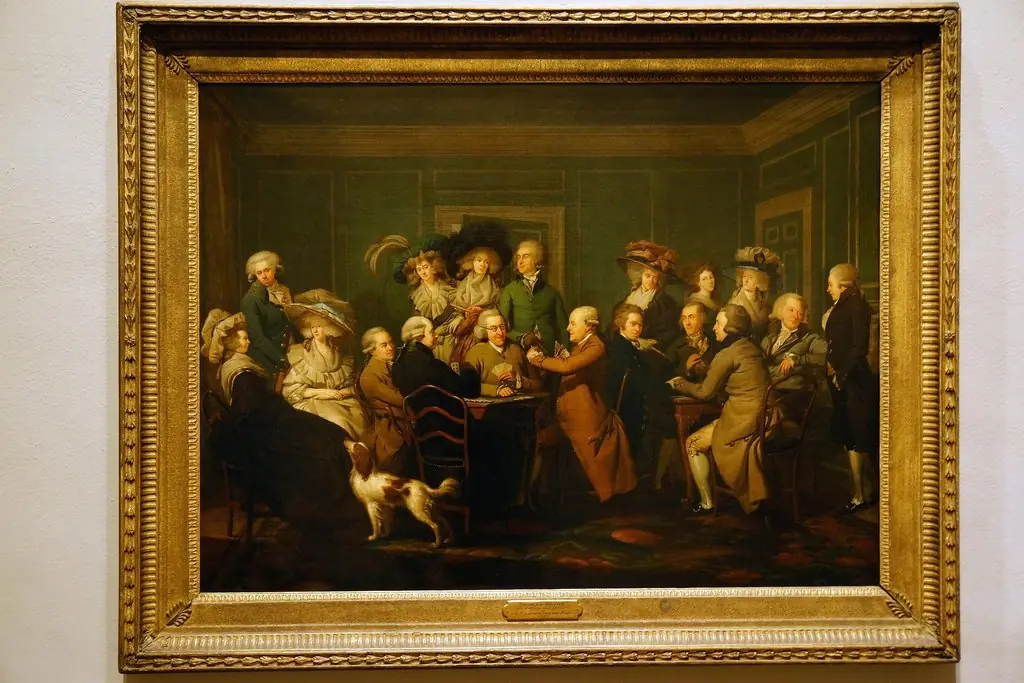 Portrait of Thomas Payne with His Family and Friends
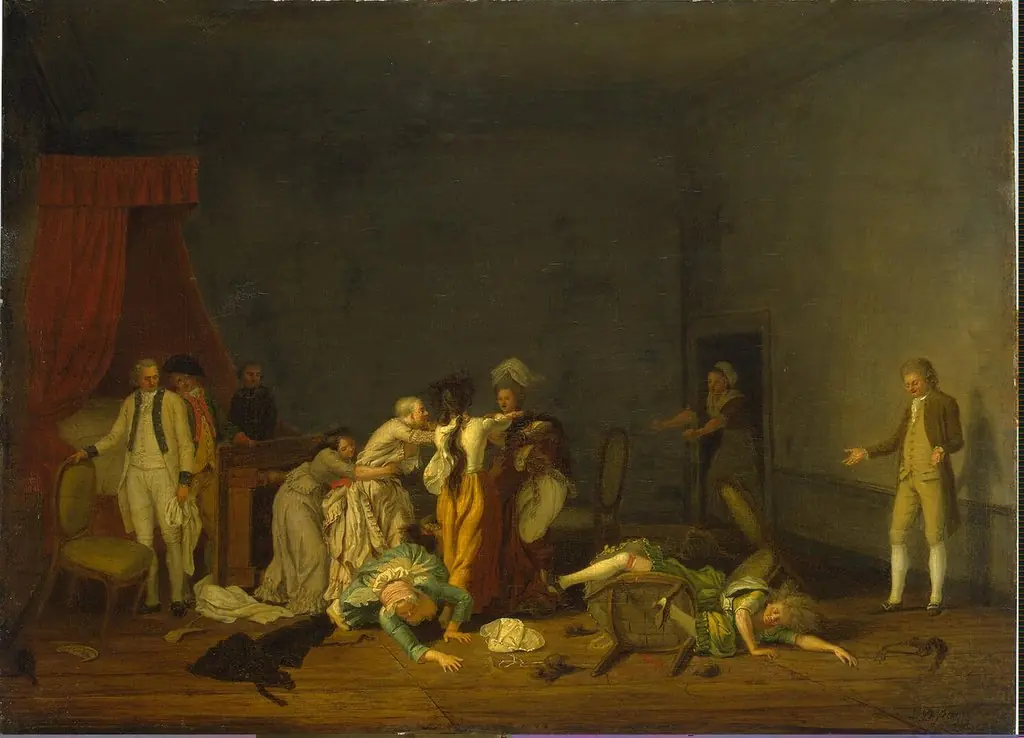 Women Fighting
 The Guilty Couple
 Apelles and the Shoemaker