Artwork
Maria, Lady Callcott
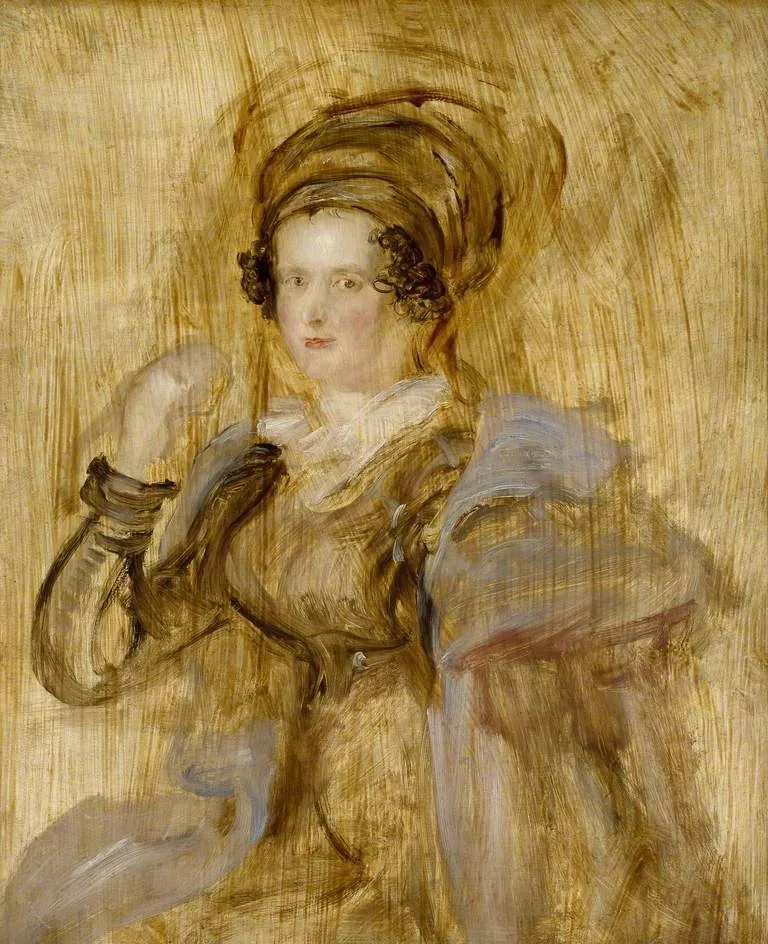
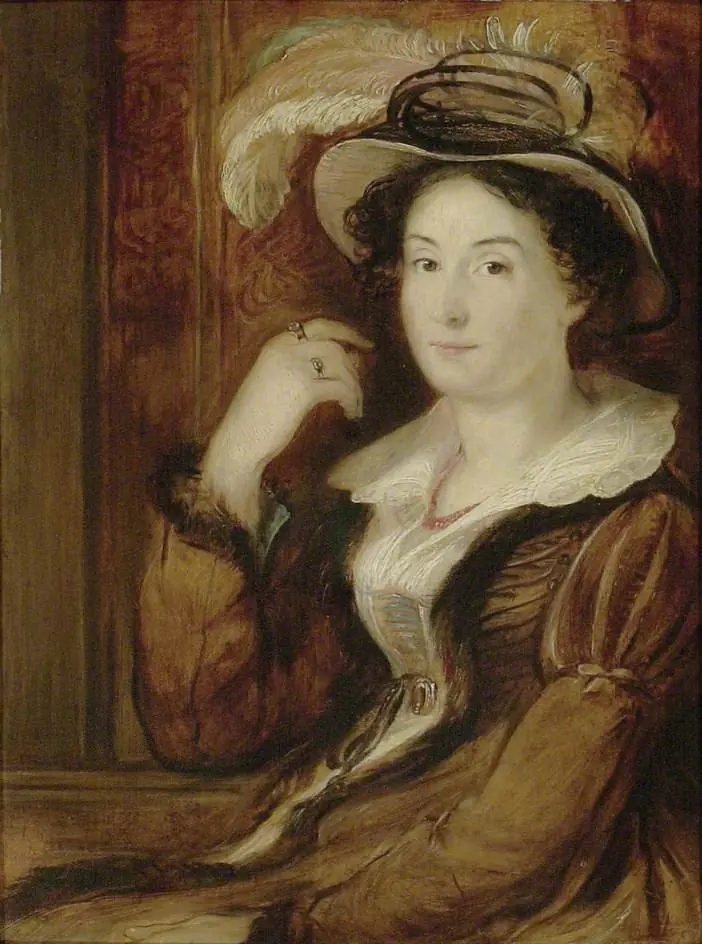
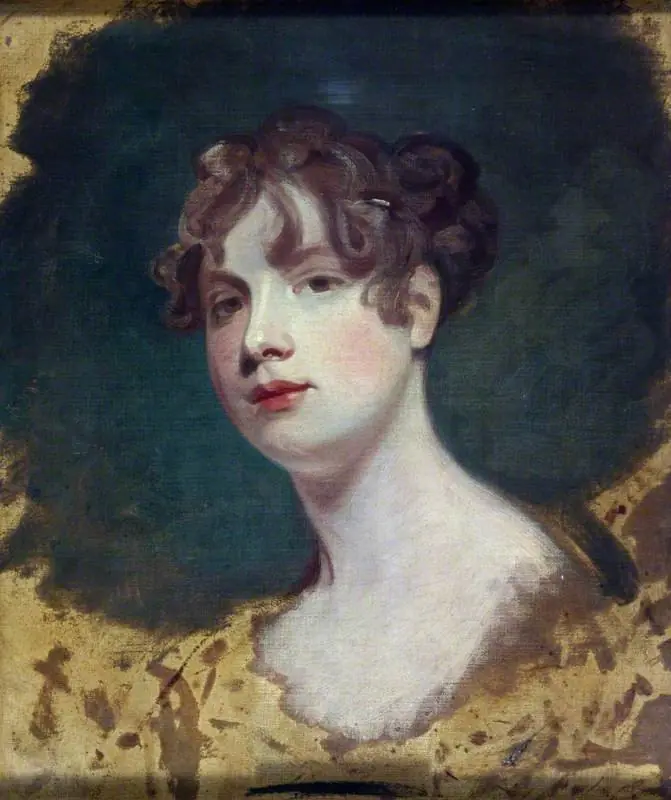
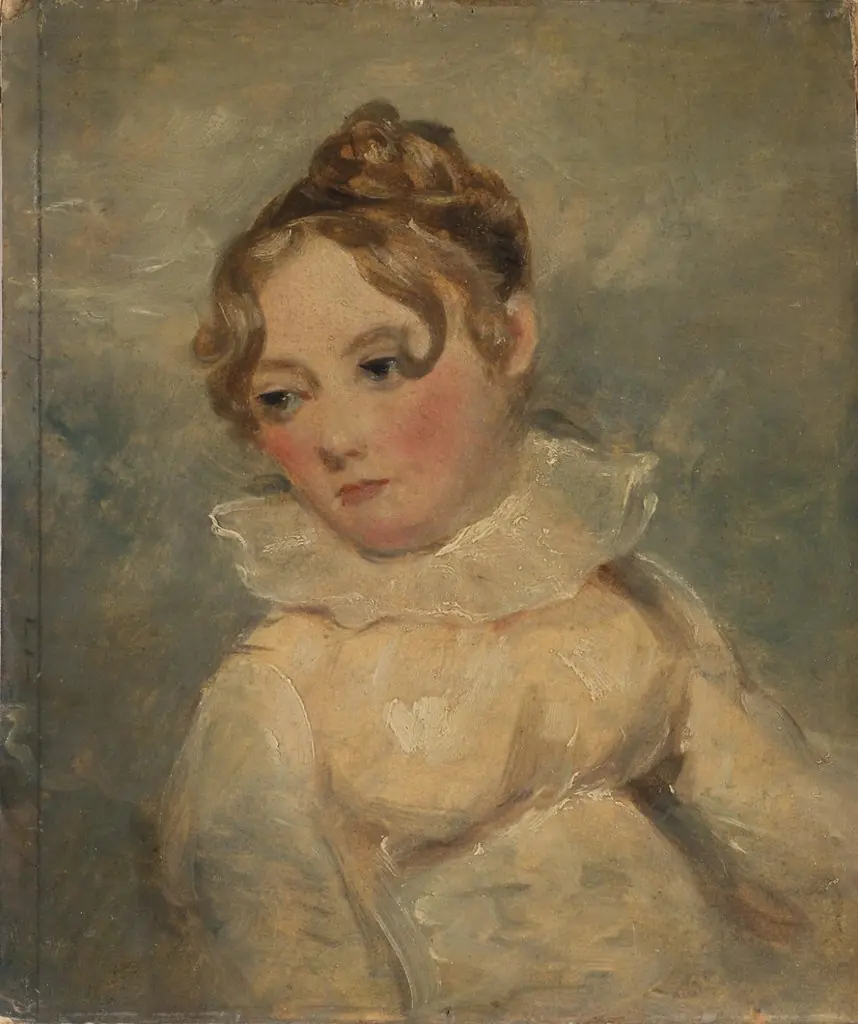
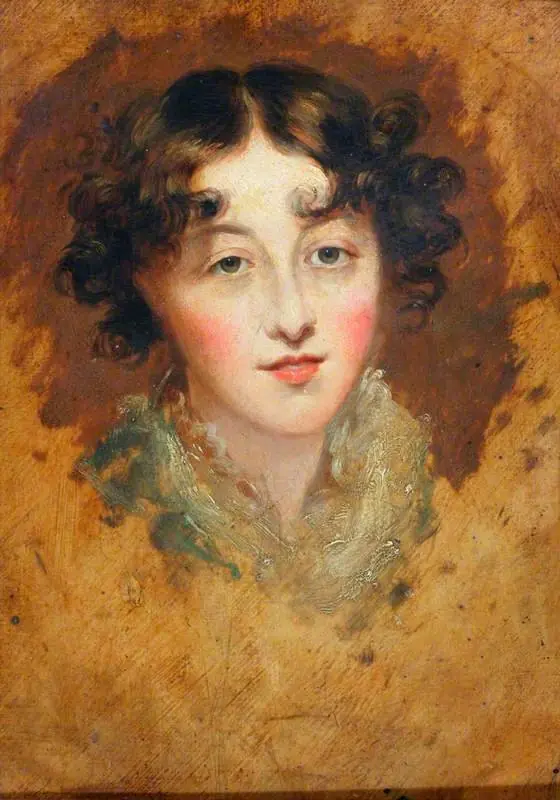
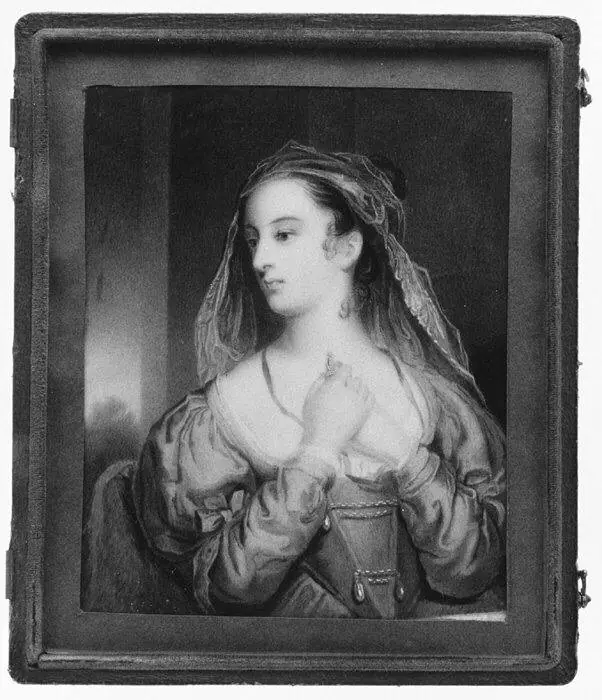
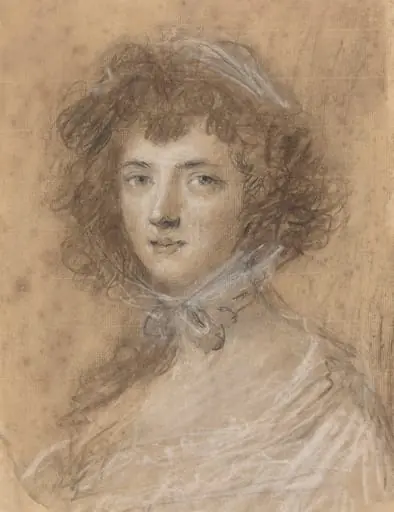
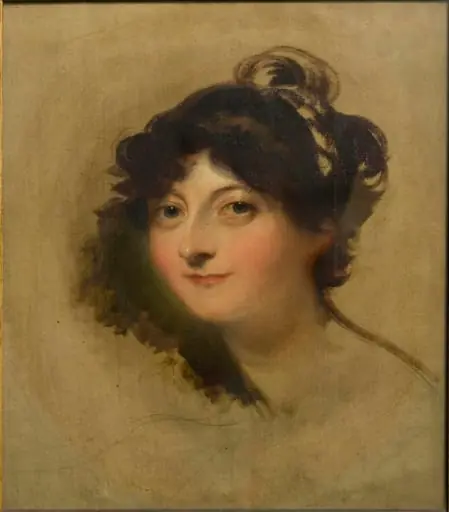
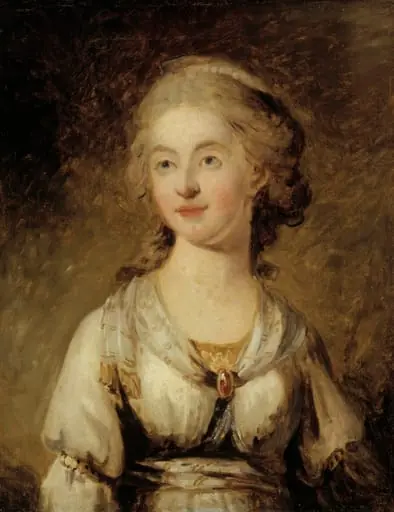
Maria, Lady Callcott is an oil painting by David Wilkie. It dates from 1823 and is held in the collection of the Ashmolean Museum.
About this work
Overview
David Wilkie’s portrait of Maria, Lady Callcott, executed circa 1823, is an oil painting that resides in the Ashmolean Museum. The work presents the sitter in a formal, early‑nineteenth‑century dress, set against a warm, golden backdrop that emphasizes her composure and social standing.
Subject & Meaning
The canvas captures Maria, Lady Callcott, portrayed with a dignified pose: a dark gown trimmed with a white collar, a matching hat, and a ribbon at her throat. Her raised right hand suggests a gesture of engagement, perhaps indicating her role within genteel society, while the overall composition conveys refinement and poise.
Technique & Style
Wilkie employs a smooth, controlled brushwork typical of his portraiture, rendering the fabrics and accessories with careful attention to texture and light. The golden background, rendered in broad, luminous tones, creates a subtle contrast that highlights the sitter’s features without distracting from the central figure.
History & Provenance
Created around 1823, the painting reflects Wilkie’s later career, when he expanded beyond genre scenes into formal portraiture. After its completion, the work entered private collections before being acquired by the Ashmolean Museum, where it is now part of the institution’s British painting holdings.
Context
Wilkie, a Scottish painter renowned for narrative genre works, turned to portraiture and historical subjects in the 1820s. This portrait aligns with contemporary conventions of elite representation, where attire, pose, and background color were employed to signal status and cultivated taste among the British aristocracy.
Artist & collection
Artist
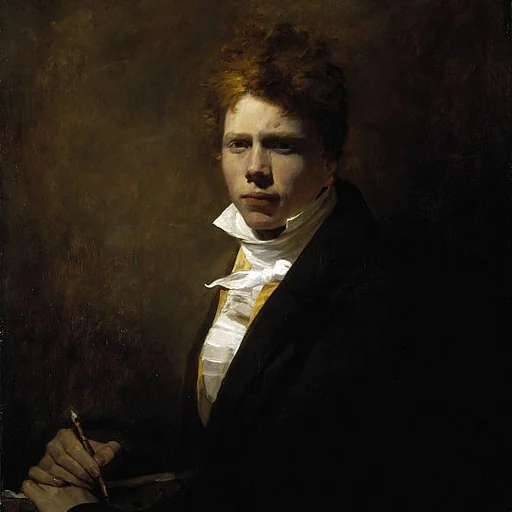
Sir David Wilkie (18 November 1785 – 1 June 1841) was a Scottish painter, especially known for his genre scenes.

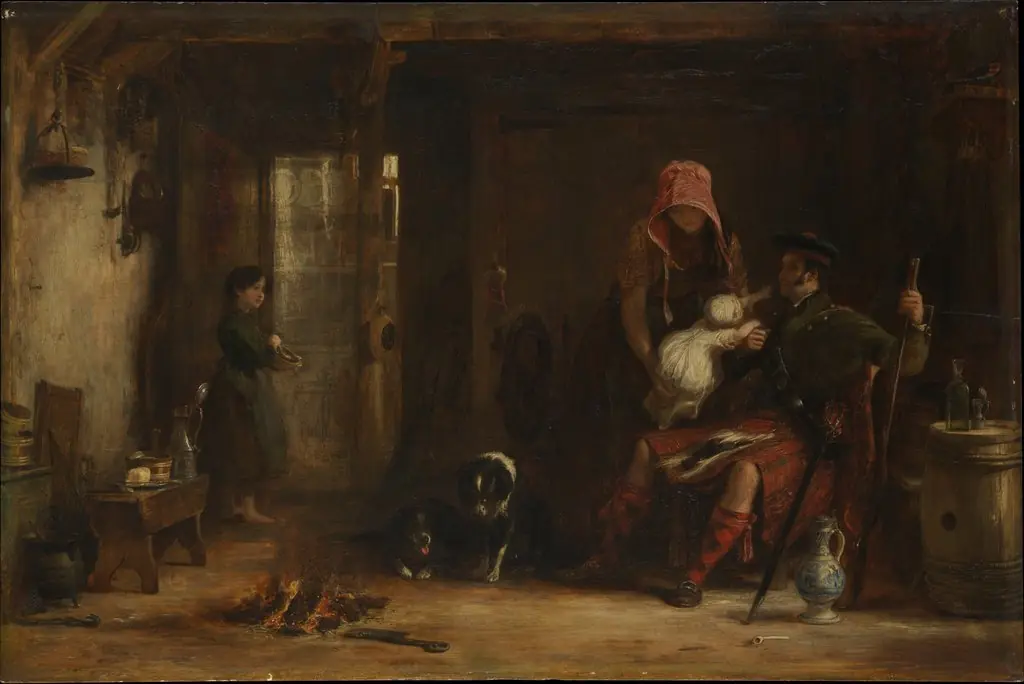 The Highland Family
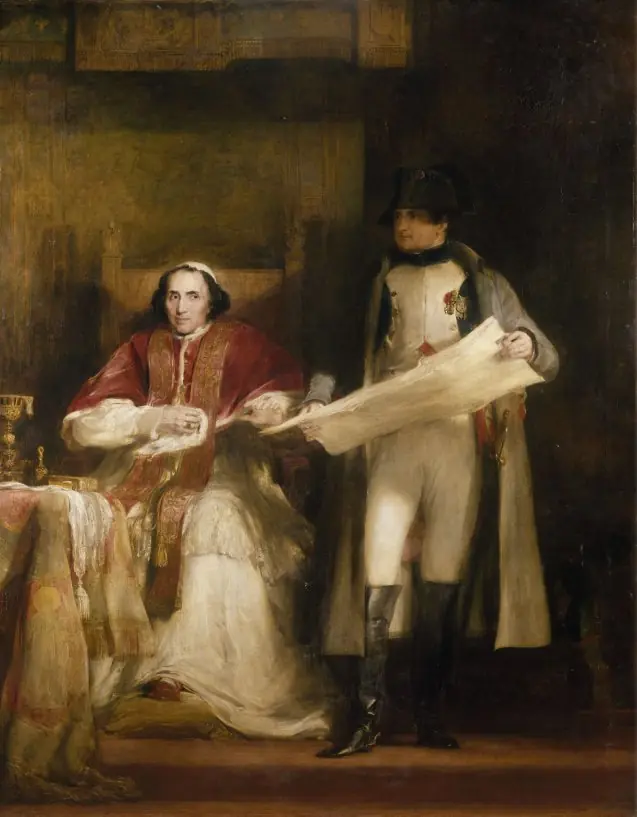 Napoleon and Pope Pius VII at Fontainebleau in 1813
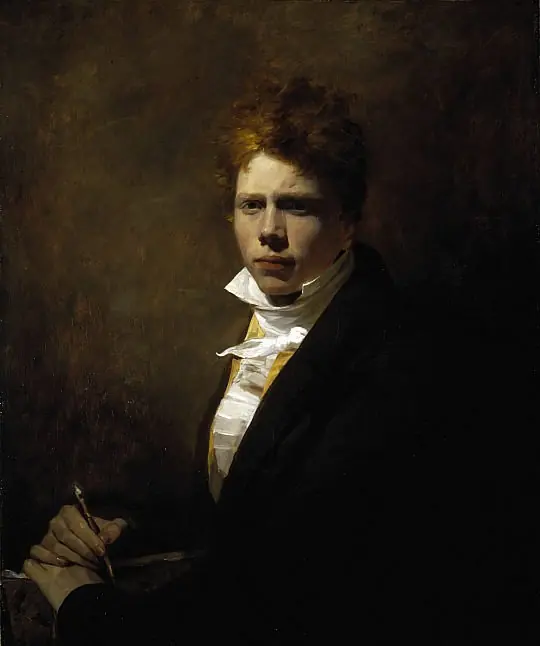 Self-Portrait
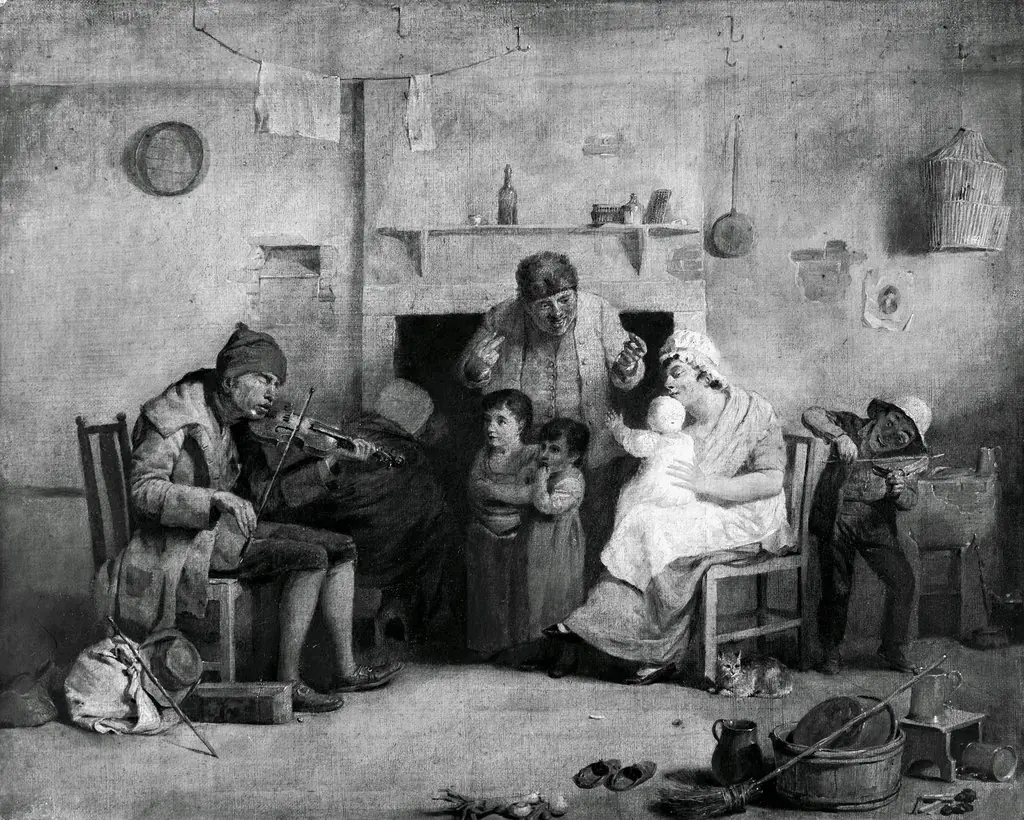 The blind violinist
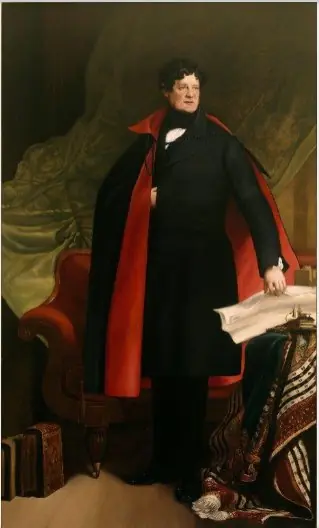 Portrait of Daniel O'Connell as Governor of the National Bank
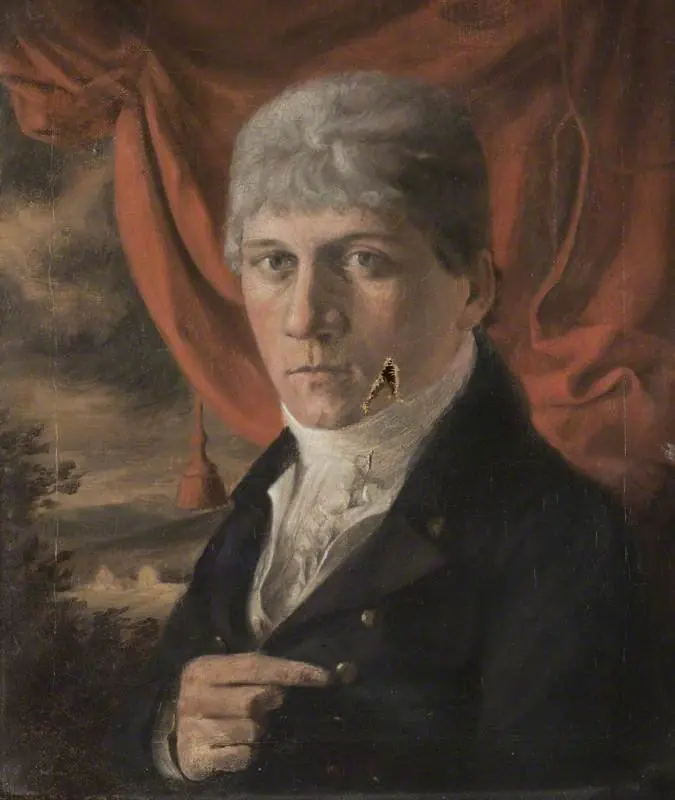 Portrait of the Artist's Brother, Captain James Wilkie (1784 - 1824)
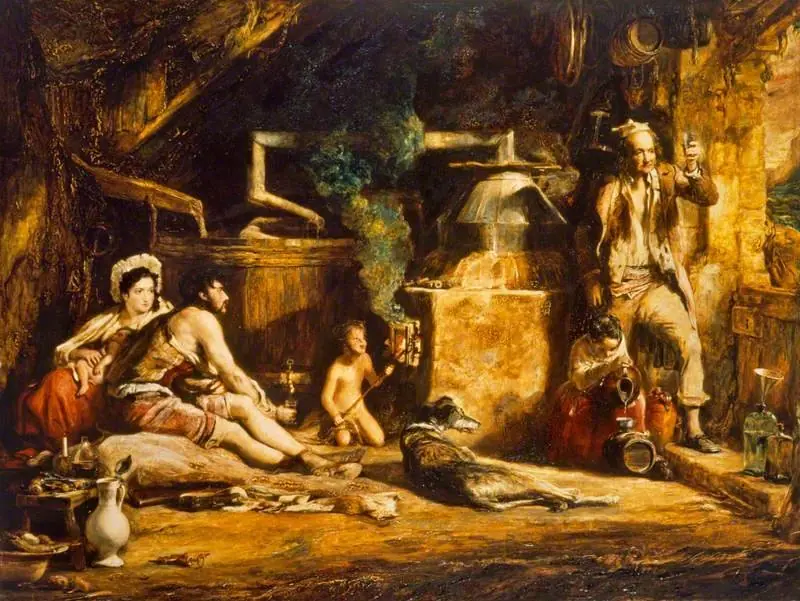 The Irish Whiskey Still
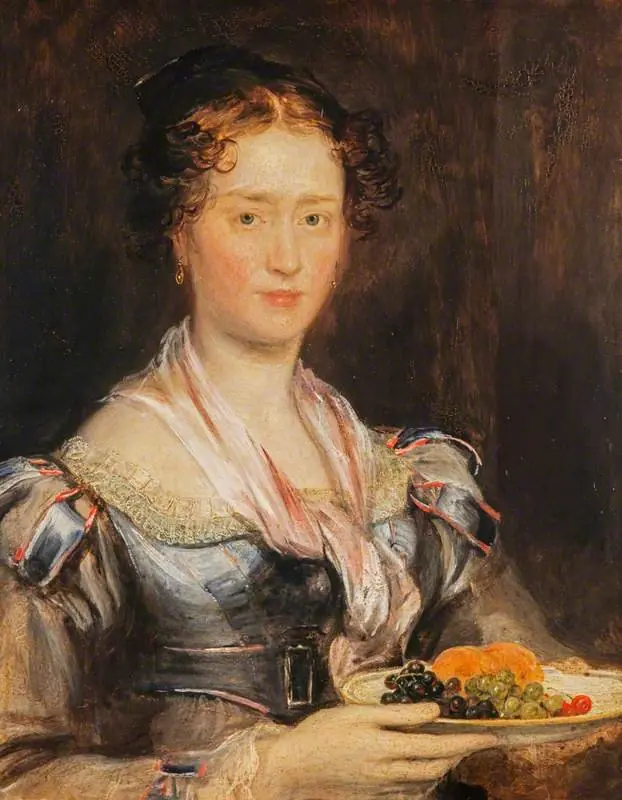 The Artist's Sister, Helen Hunter, née Wilkie (1793–1870)