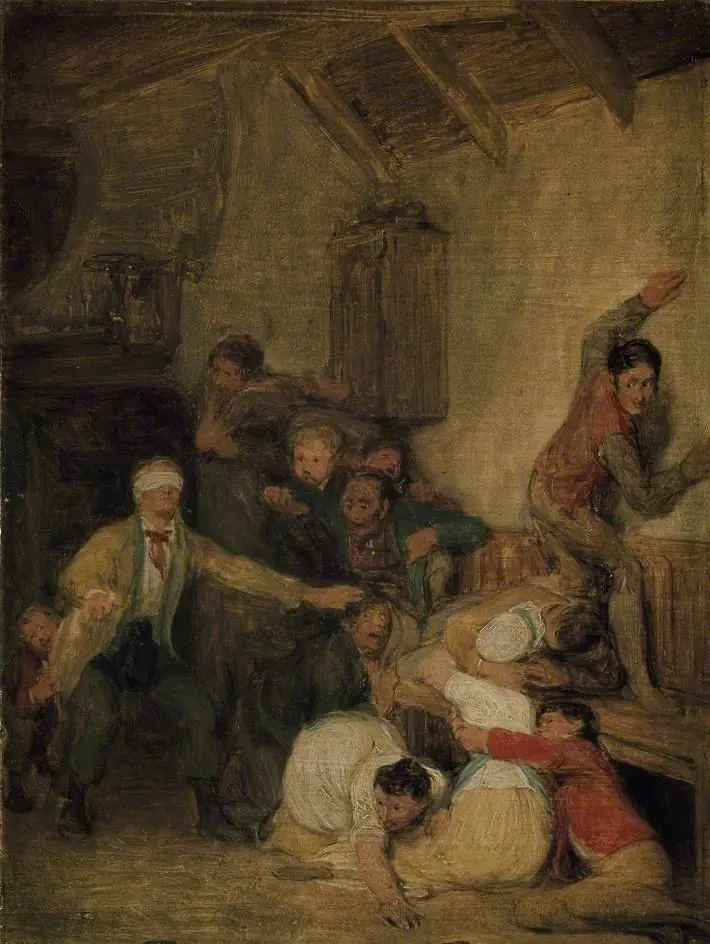
Artwork
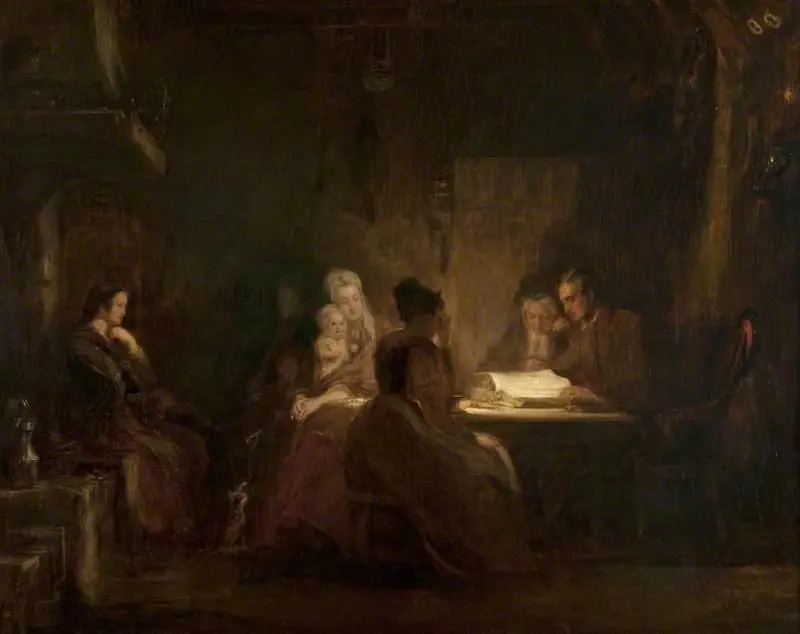
The burial of the Scottish Regalia
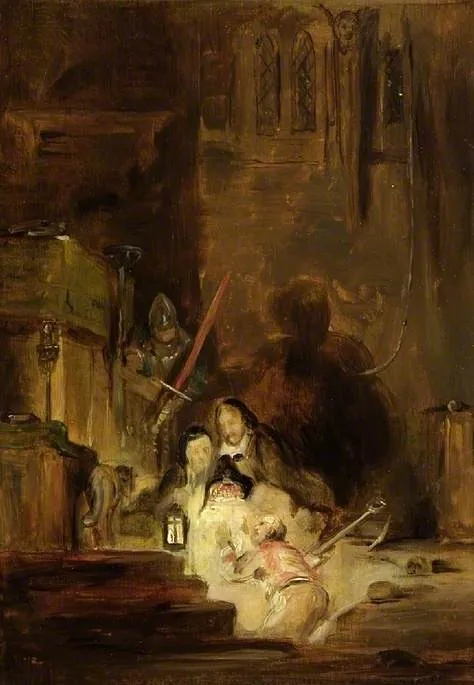
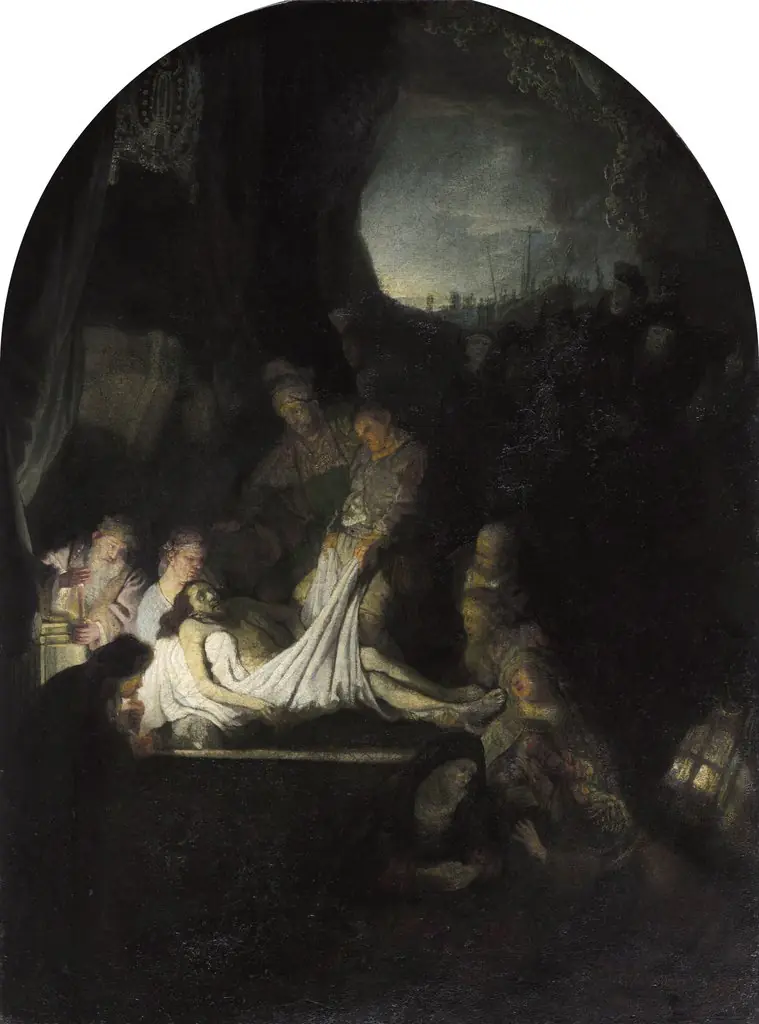
The burial of the Scottish Regalia is an oil painting by David Wilkie. It dates from 1835 and is held in the collection of the Fitzwilliam Museum.
About this work
Overview
David Wilkie’s 1835 oil painting *The Burial of the Scottish Regalia* captures a solemn interment scene. Executed in the early nineteenth century, the work belongs to Wilkie’s series of historical compositions that explore moments from Scotland’s past. It is presently housed in the Fitzwilliam Museum’s collection.
Subject & Meaning
The canvas presents a group of men surrounding a closed coffin, their expressions muted and reverent. The gathering conveys collective mourning for the Scottish crown jewels, symbolising the loss of national symbols and the dignity accorded to such artifacts. The composition emphasizes quiet respect rather than overt drama.
Technique & Style
Wilkie employs chiaroscuro to model the figures, juxtaposing deep shadows with focused illumination that draws attention to the central participants. This contrast creates a palpable sense of volume and spatial depth, while the restrained palette of dark clothing and muted tones reinforces the mournful atmosphere.
History & Provenance
Created during Wilkie’s mature period, the painting reflects his role as Principal Painter in Ordinary to William IV and Queen Victoria. It formed part of a broader investigation of Scottish history that the artist pursued in the 1830s. The work entered the Fitzwilliam Museum’s holdings, where it remains on view.
Context
Wilkie, renowned for narrative genre scenes and royal portraiture, turned to historical subjects to address national identity in the wake of the 1707 Union. By depicting the burial of the regalia, he engages with contemporary interest in Scotland’s cultural heritage and the symbolic importance of its monarchical symbols.
Artist & collection
Artist
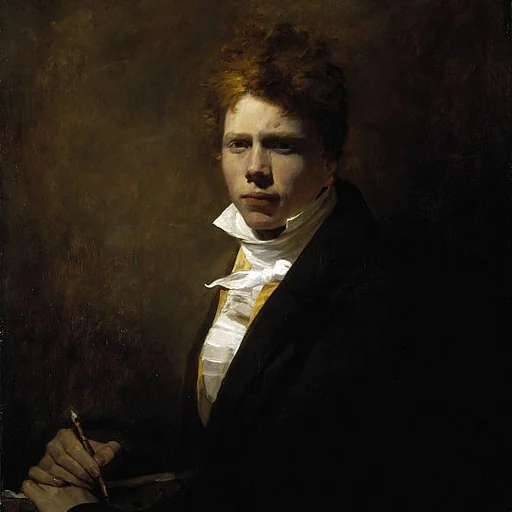
Sir David Wilkie (18 November 1785 – 1 June 1841) was a Scottish painter, especially known for his genre scenes.

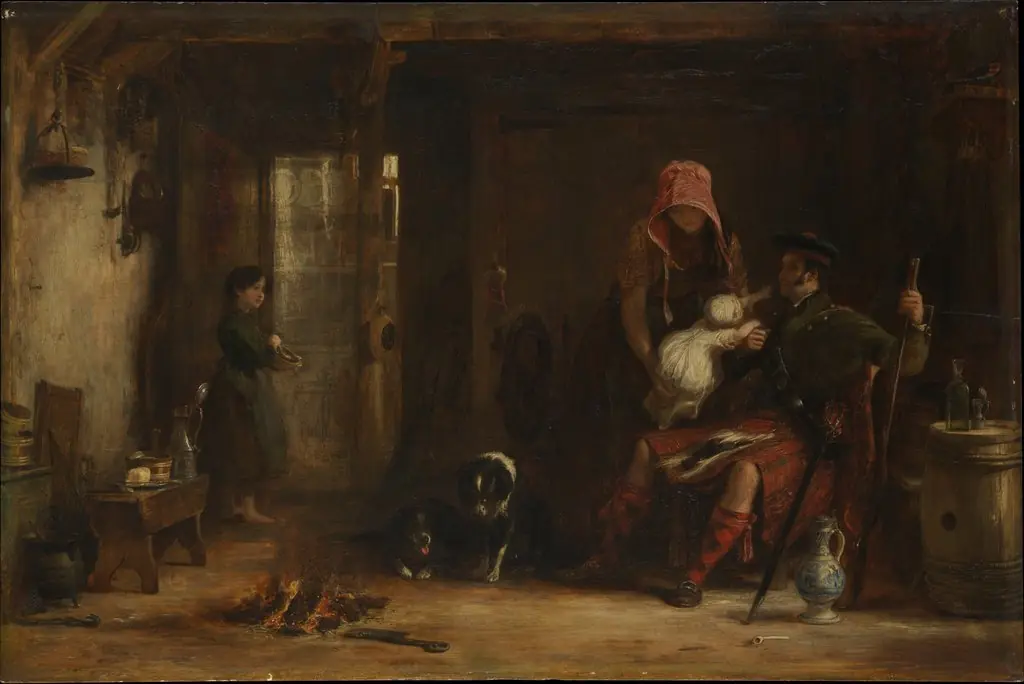 The Highland Family
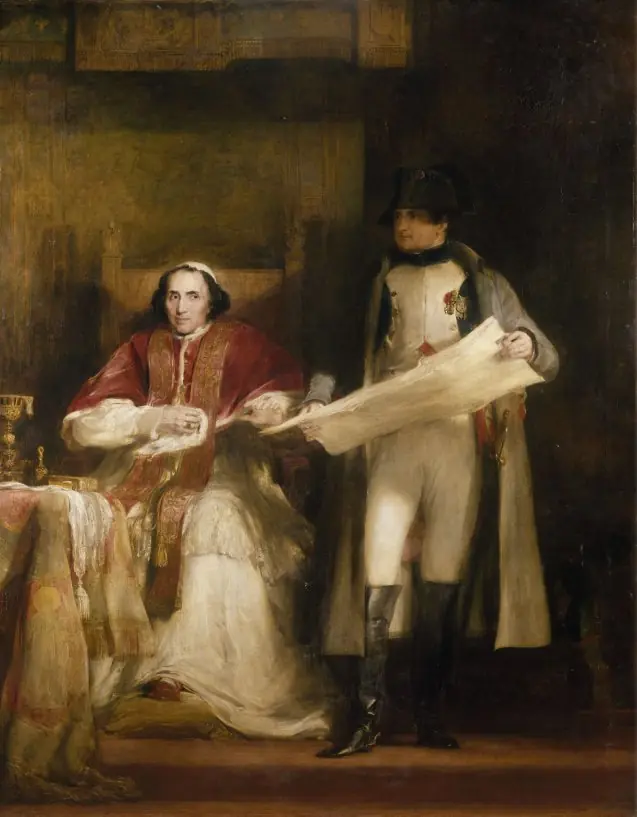 Napoleon and Pope Pius VII at Fontainebleau in 1813
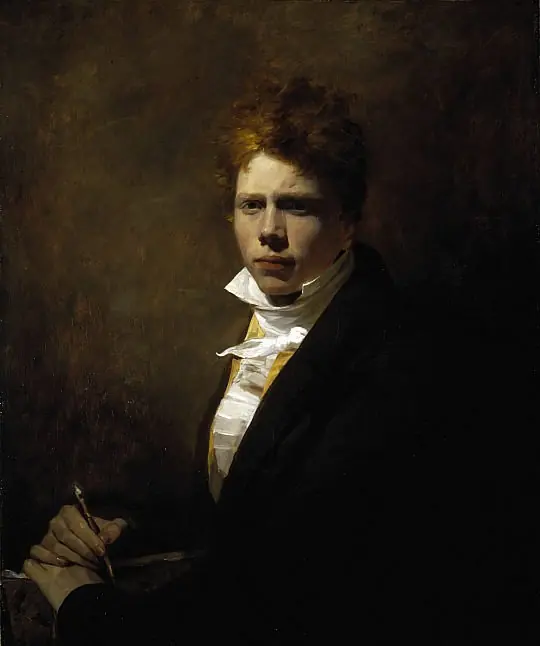 Self-Portrait
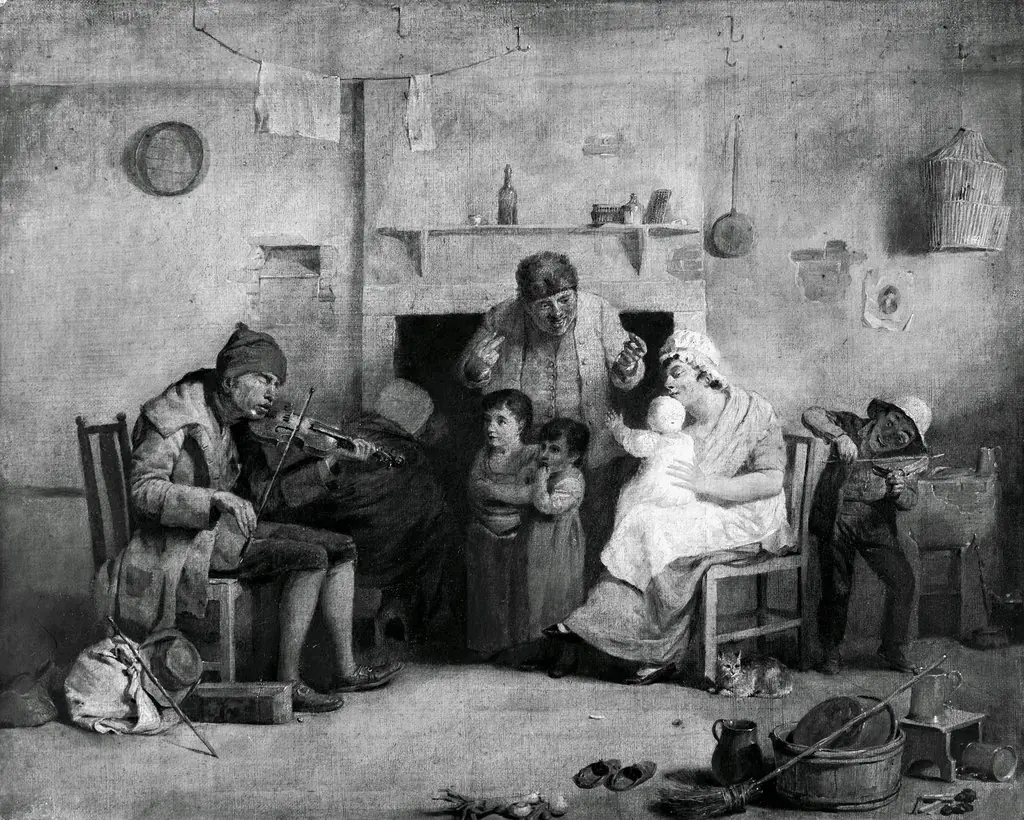 The blind violinist
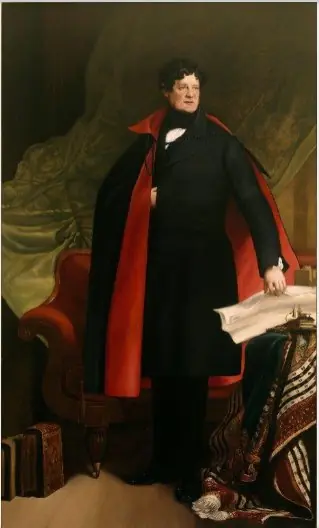 Portrait of Daniel O'Connell as Governor of the National Bank
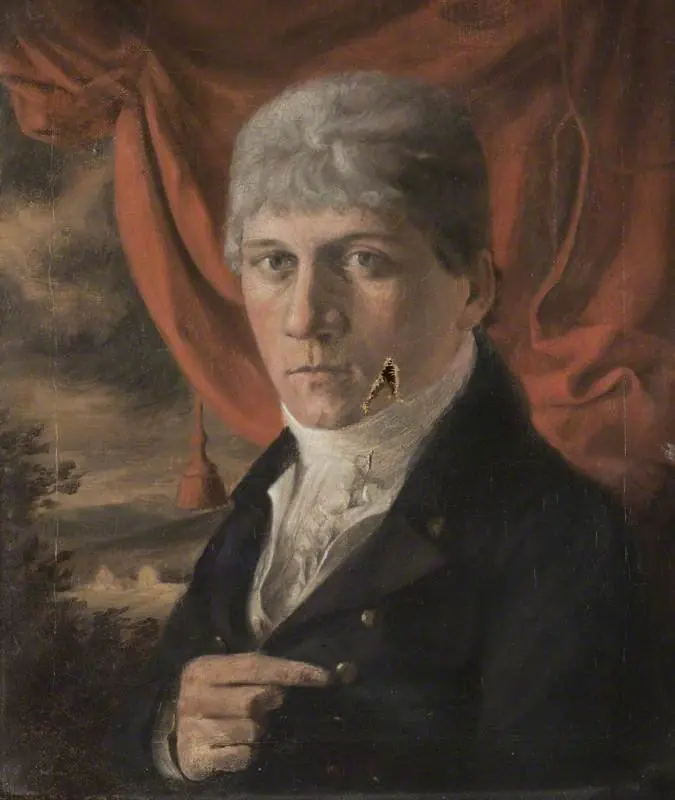 Portrait of the Artist's Brother, Captain James Wilkie (1784 - 1824)
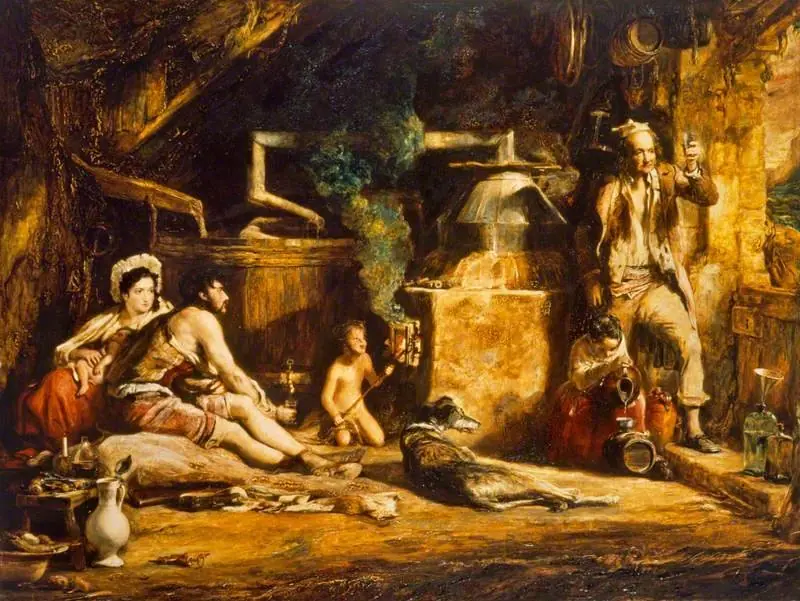 The Irish Whiskey Still
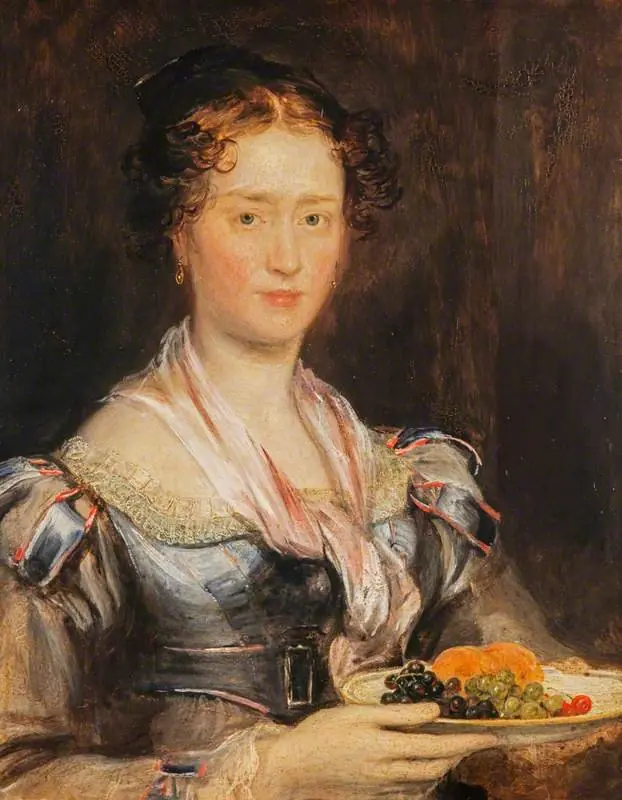 The Artist's Sister, Helen Hunter, née Wilkie (1793–1870)