Artwork
The arrest of Christ
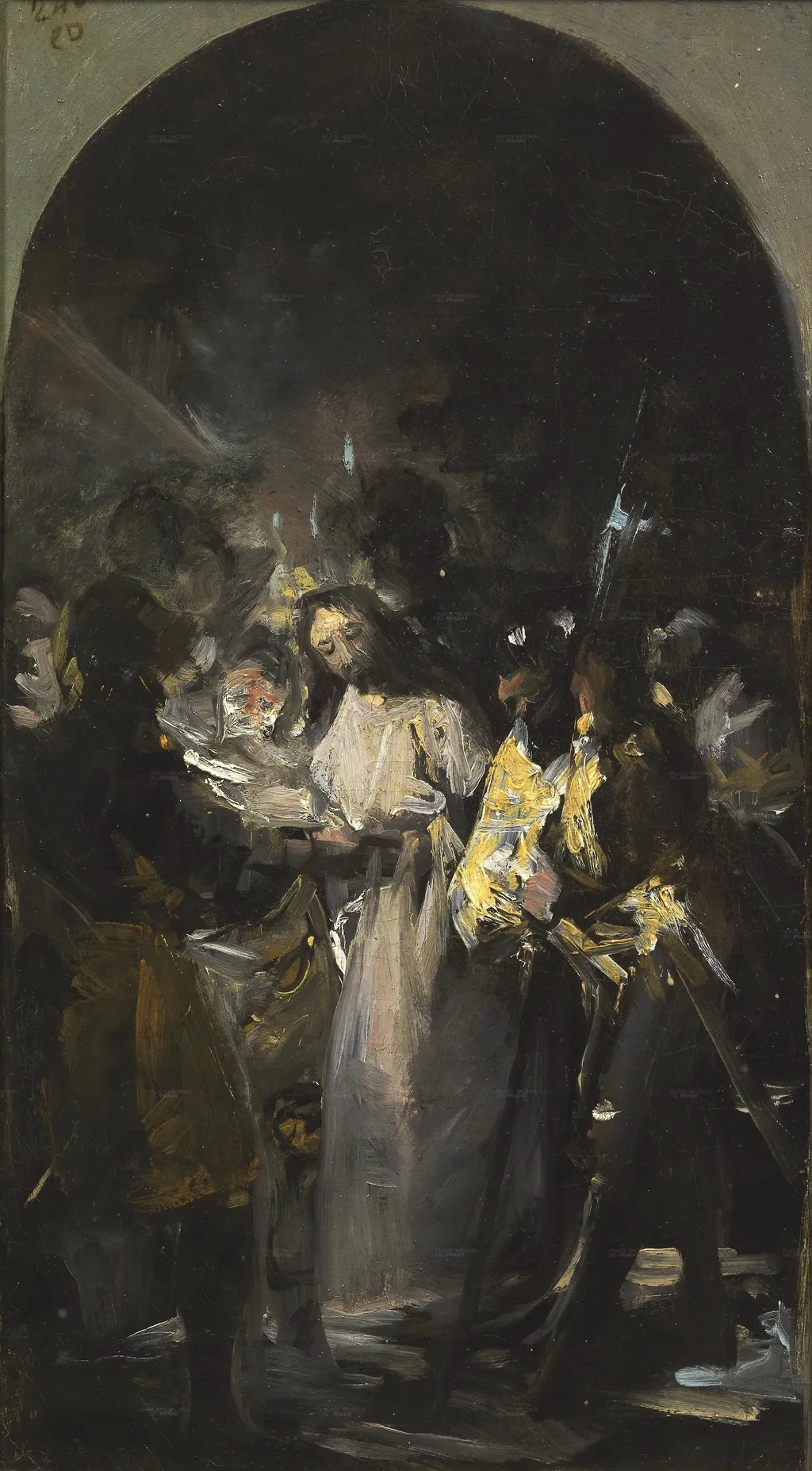
The arrest of Christ is an oil painting by Francisco Goya. It dates from 1800 and is held in the collection of the Museo del Prado.
About this work
Overview
Francisco Goya executed The Arrest of Christ in 1800, employing oil on canvas. The work belongs to the Prado Museum’s holdings in Madrid and represents a religious narrative within Goya’s broader output during a period marked by political and social turbulence.
Subject & Meaning
The composition captures the moment when Jesus is seized, his white garment contrasting with the darker attire of the surrounding figures. A lantern held by one of the captors illuminates the central figure, emphasizing the tension between light and darkness that underscores the theological theme of betrayal.
Technique & Style
Goya utilizes chiaroscuro to model forms and generate spatial depth, with pronounced light falling on Christ’s form against a shadowed background. The brushwork is vigorous, and the palette includes saturated hues that heighten the scene’s emotional charge, reflecting the artist’s synthesis of Baroque influence and emerging Romantic sensibilities.
History & Provenance
Created at the turn of the 19th century, the painting entered the Museo del Prado’s collection, where it remains on display. Its acquisition aligns with the museum’s effort to assemble representative works by Spain’s leading artists of the era.
Artist & collection
Artist
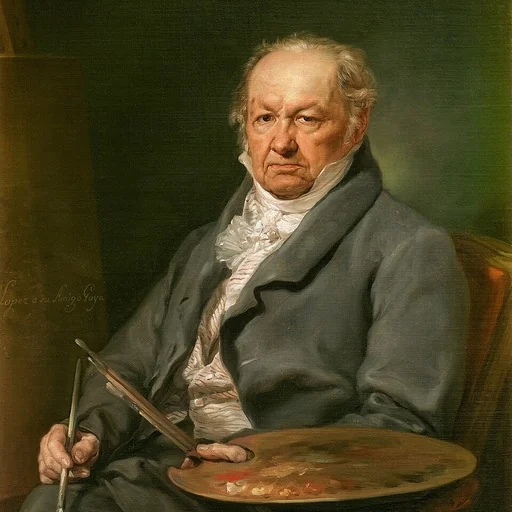
Francisco José de Goya y Lucientes (; Spanish: ; 30 March 1746 – 16 April 1828) was a Spanish romantic painter and printmaker.

 The Menu
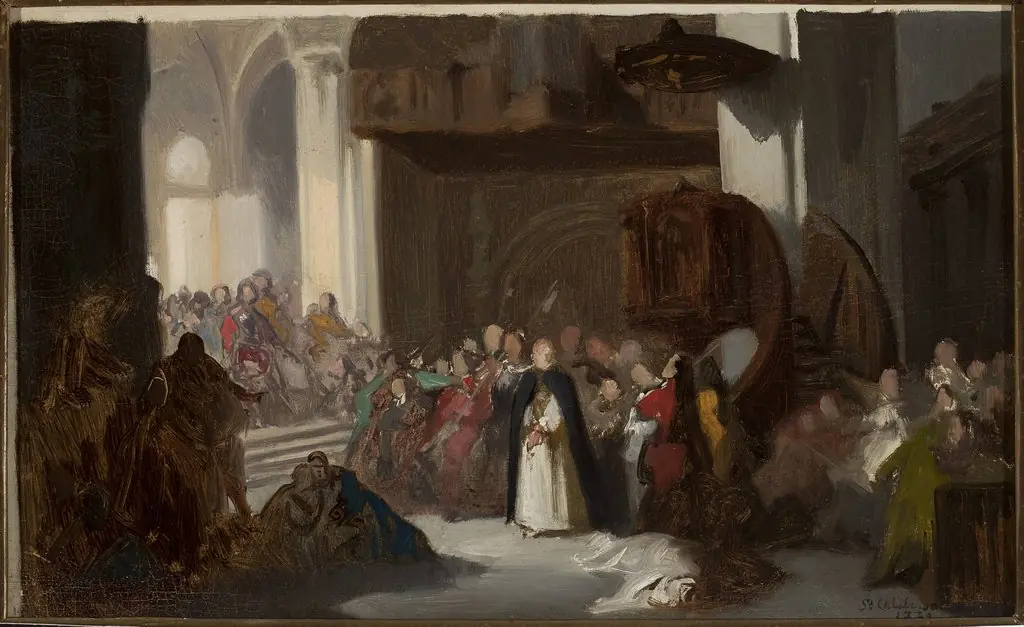 Scene in a church, sketch for a historical scene
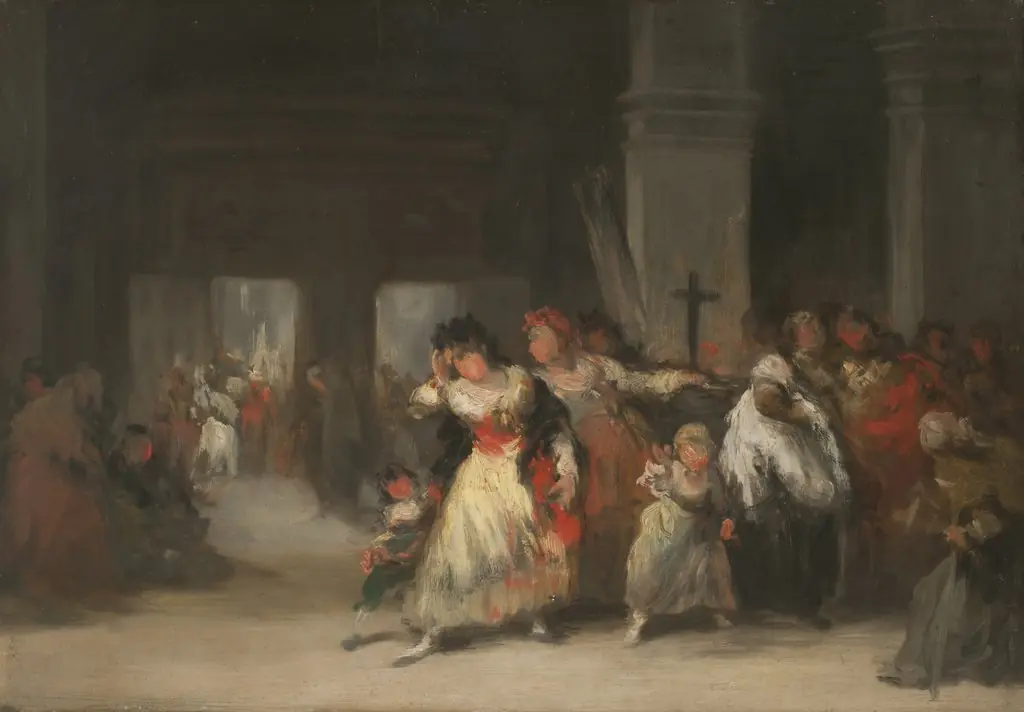 Inside Church
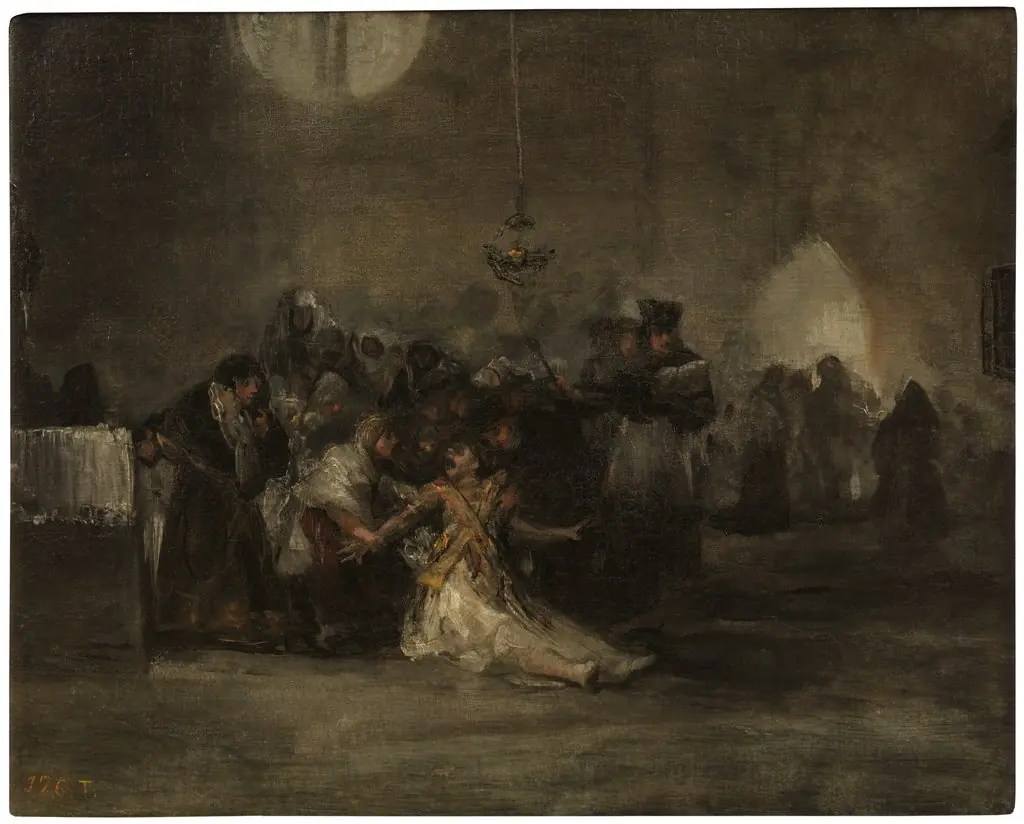 El exorcismo
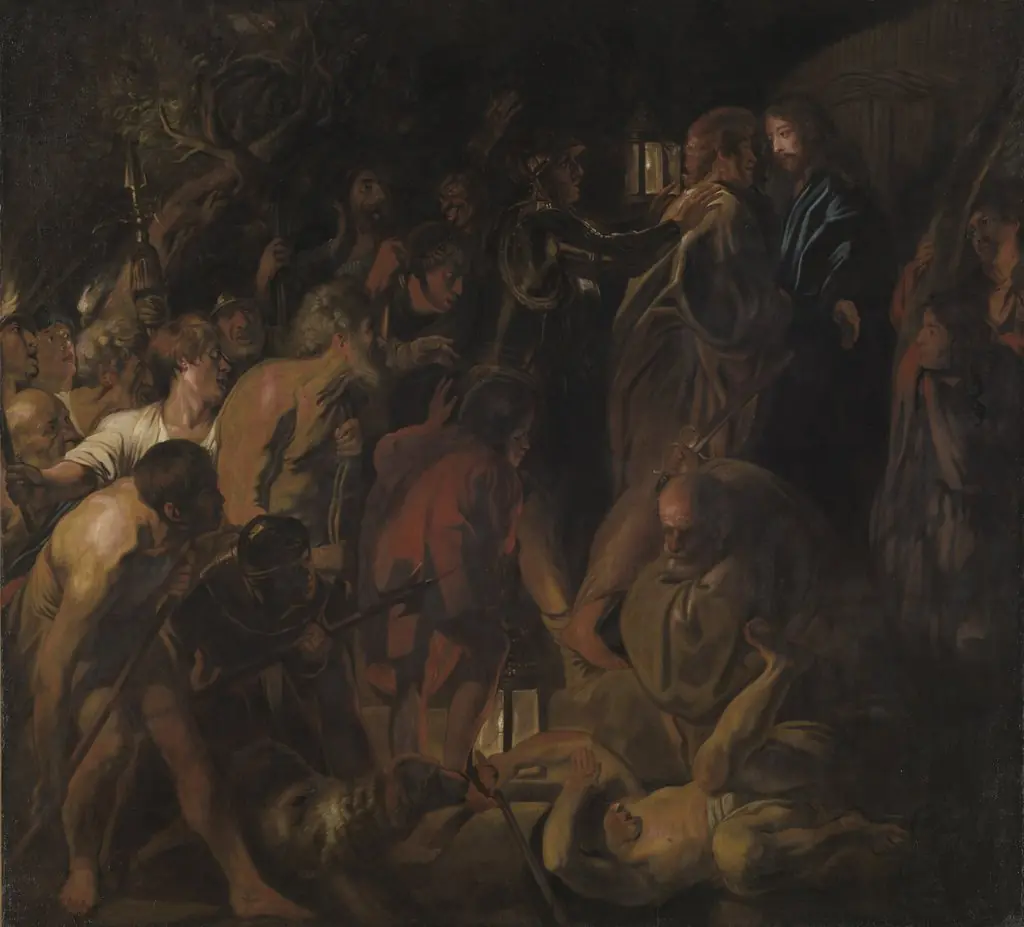 The Betrayal of Christ
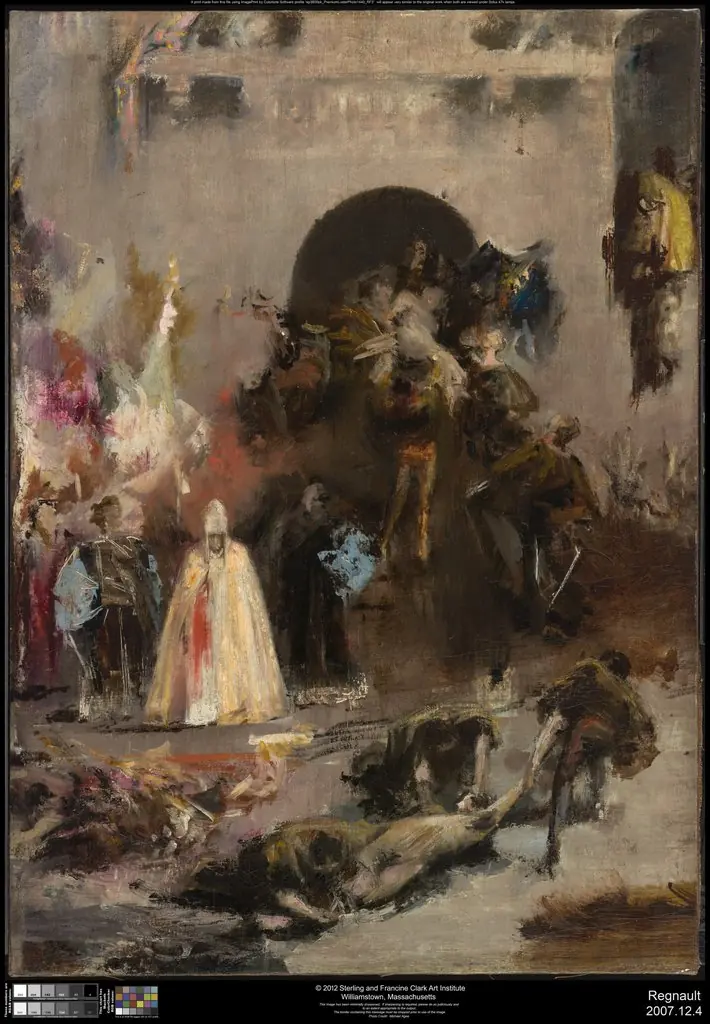 Scene from the Spanish Inquisition
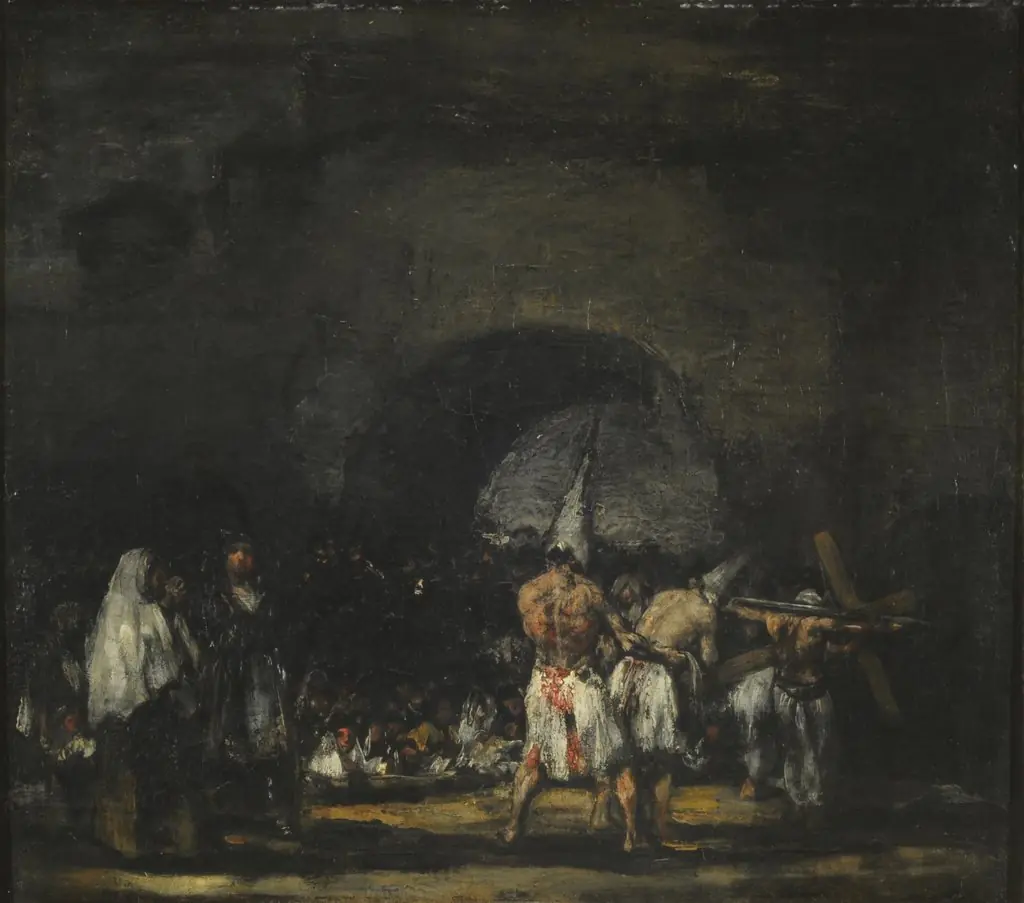 Scene of Disciplines
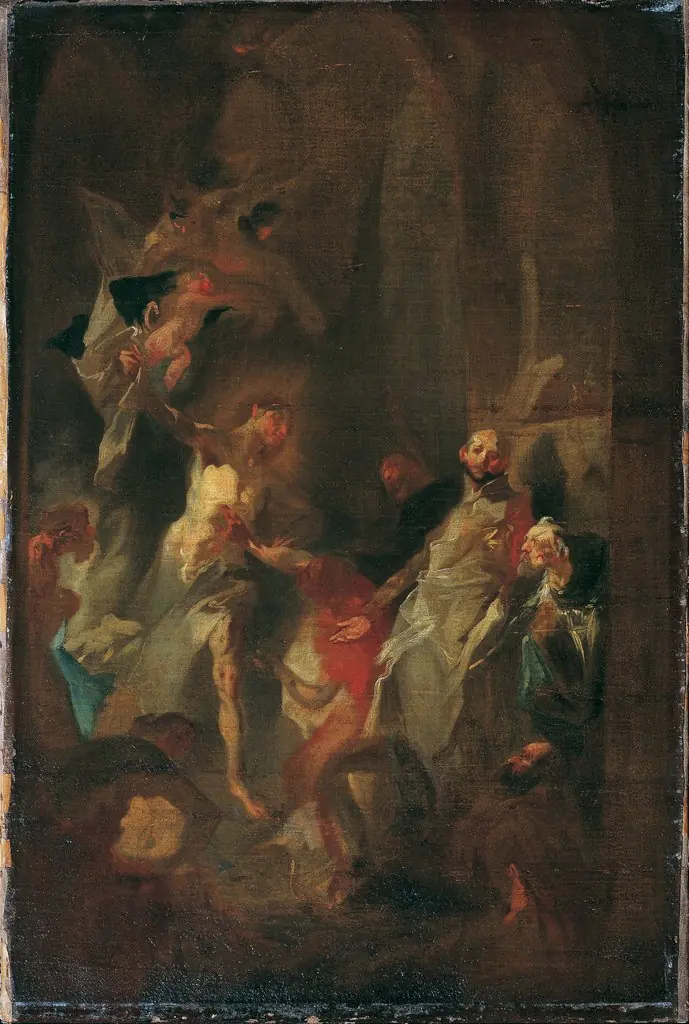 Christ Appears to St. Thomas
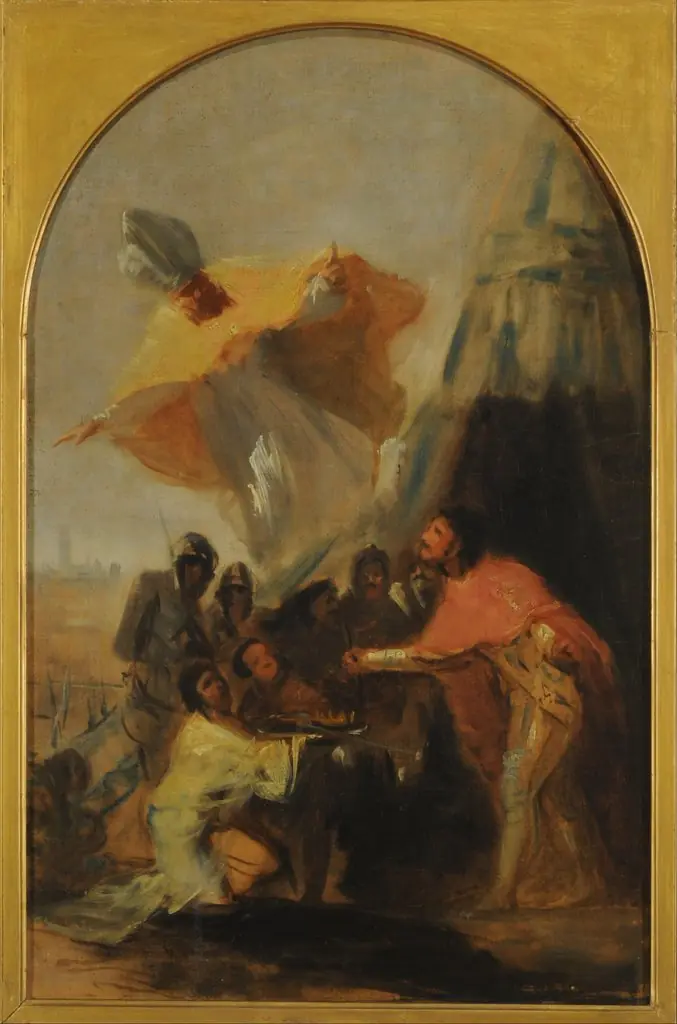 Apparition of Saint Isidore to Saint Ferdinand, king, before the walls of Seville
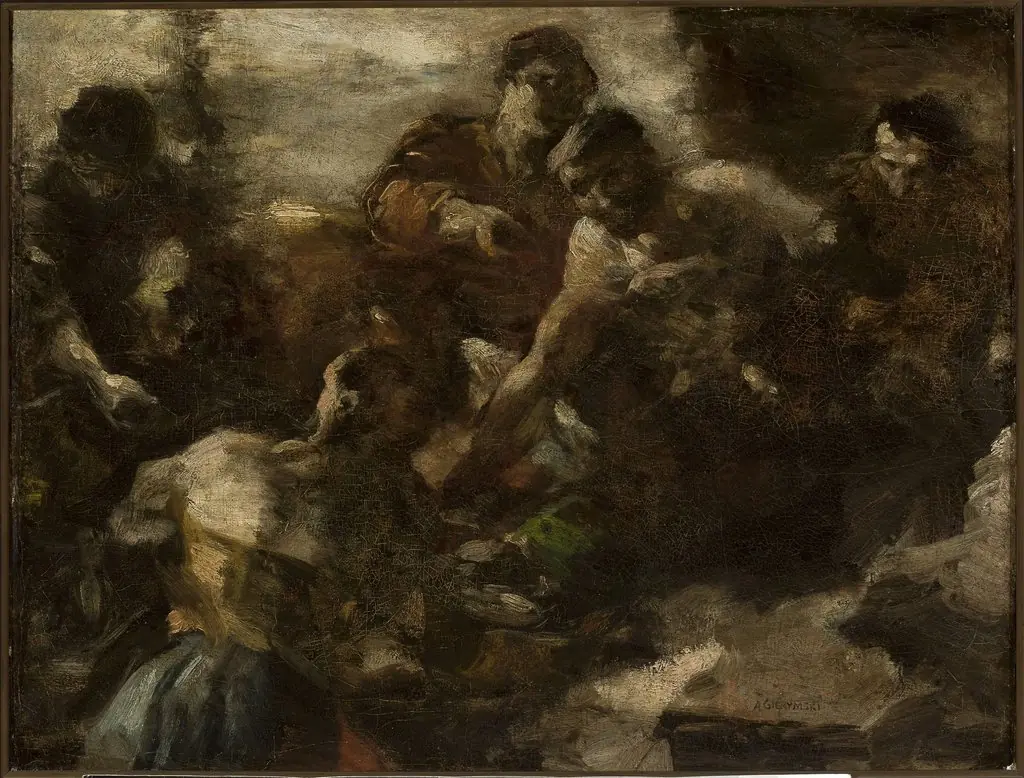 Tavern in Rome, sketch
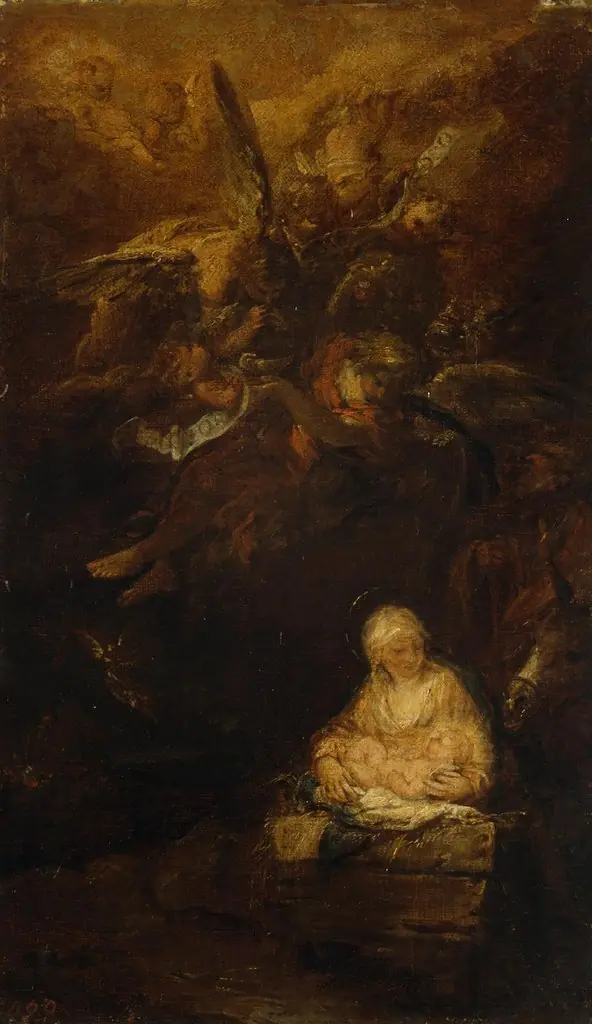 The Nativity
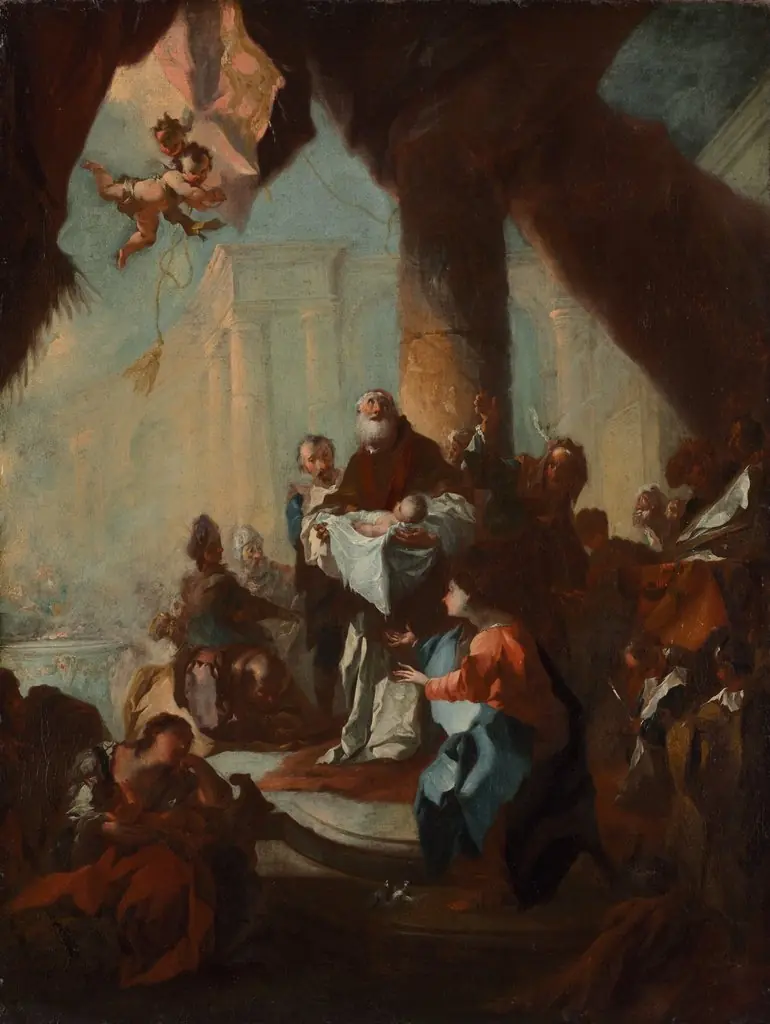 Study for "The Presentation of Christ in the Temple" (for Saint Ulrich, Vienna)