Artwork
The Preaching of John Knox before the Lords of the Congregation 10th June 1559
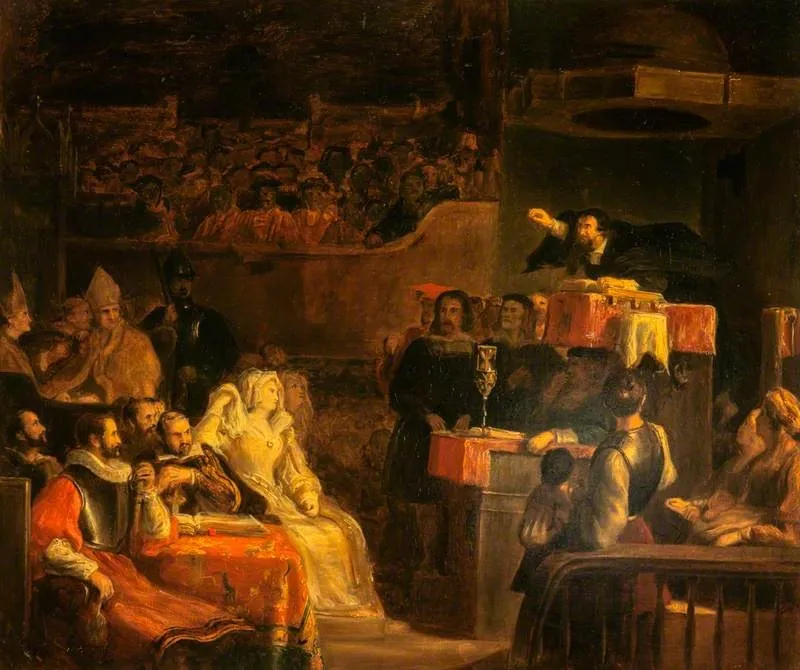
The Preaching of John Knox before the Lords of the Congregation 10th June 1559 is an oil painting by David Wilkie. It dates from 1832 and is held in the collection of the National Galleries Scotland.
About this work
Overview
Painted in 1832 by British artist David Wilkie, this oil work portrays John Knox delivering a sermon to the Lords of the Congregation in St.
Painted in 1832 by British artist David Wilkie, this oil work portrays John Knox delivering a sermon to the Lords of the Congregation in St. Andrews on June 10, 1559. The scene captures a pivotal moment in Scotland’s Reformation, when Protestant leaders gathered to challenge Catholic authority. Wilkie, though raised in a Presbyterian household, had spent years in Anglican and continental European environments, shaping a complex perspective on religious conflict.
Subject & Meaning
The painting centers on Knox’s impassioned address, which galvanized Protestant nobles to reject papal rule. Surrounding figures reflect divided loyalties: Catholic bishops react with visible dismay, while Protestant lords listen with determined focus. The Countess of Argyll, caught between her Protestant leanings and familial ties to Mary, Queen of Scots, occupies a liminal space, embodying the personal tensions of the era. The scene is less a celebration than a moment of political and spiritual rupture.
Technique & Style
Wilkie employs chiaroscuro to heighten the drama, directing light toward Knox’s outstretched arm and face, making him the visual anchor. The dim, vaulted interior is filled with figures arranged in layered groups, suggesting crowded urgency. Warm tones in clothing and woodwork contrast with shadowed corners, enhancing depth and emotional gravity. The composition avoids theatricality, favoring naturalistic postures and subdued expressions to convey historical weight over spectacle.
History & Provenance
Wilkie began studying the subject as early as 1821, producing a chalk sketch based on Thomas McCrie’s biography of Knox. He later presented an oil sketch to Sir Walter Scott and King George IV during the 1822 royal visit to Scotland. Though the king showed no interest, Scott approved the work. The final painting, completed a decade later, reflects Wilkie’s prolonged engagement with the subject, shaped by literary influence and personal ambivalence toward religious extremism.
Context
The painting emerged during a period of renewed interest in Scotland’s Reformation, fueled by Scott’s historical novels, which revived public fascination with Knox and his era. Wilkie’s work responds to this cultural moment, yet avoids overt propaganda. His exposure to Catholic liturgy abroad tempered his Presbyterian upbringing, resulting in a nuanced portrayal that acknowledges both the fervor of reformers and the dignity of their opponents.
Legacy
Though not widely exhibited in Wilkie’s lifetime, the painting stands as a rare large-scale British treatment of Scottish Reformation history. It reflects the artist’s evolving views on faith and authority, avoiding hagiography in favor of psychological realism. Today, it remains a significant example of 19th-century historical painting that prioritizes moral ambiguity over national mythmaking.
Artist & collection
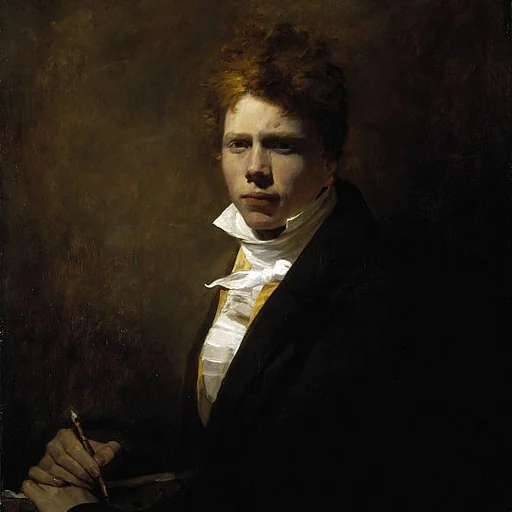
Artist
Sir David Wilkie (18 November 1785 – 1 June 1841) was a Scottish painter, especially known for his genre scenes.

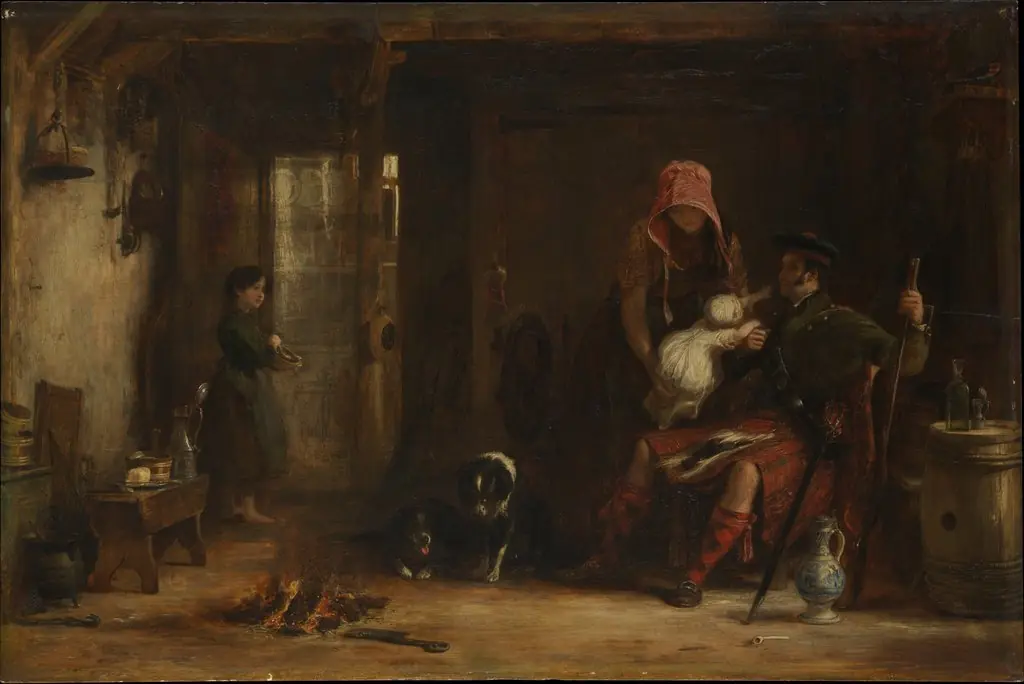 The Highland Family
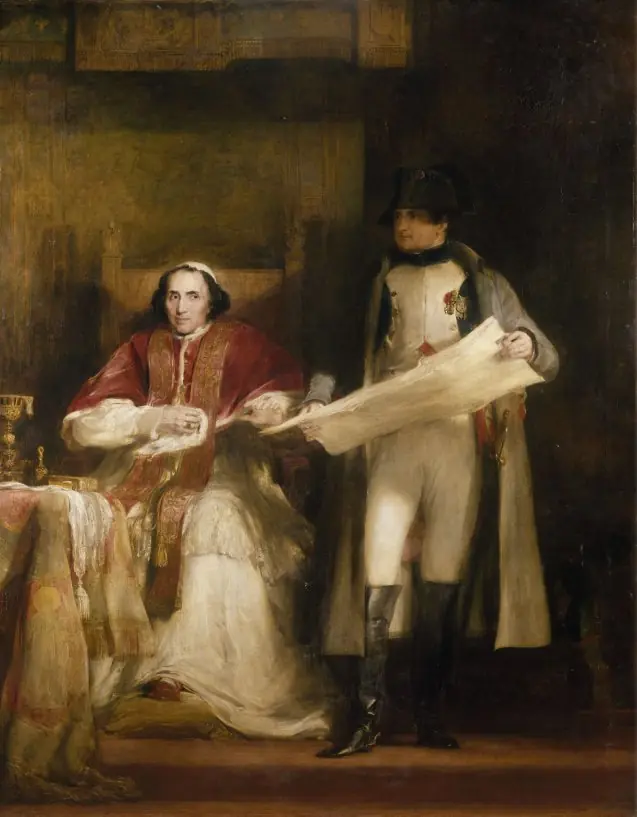 Napoleon and Pope Pius VII at Fontainebleau in 1813
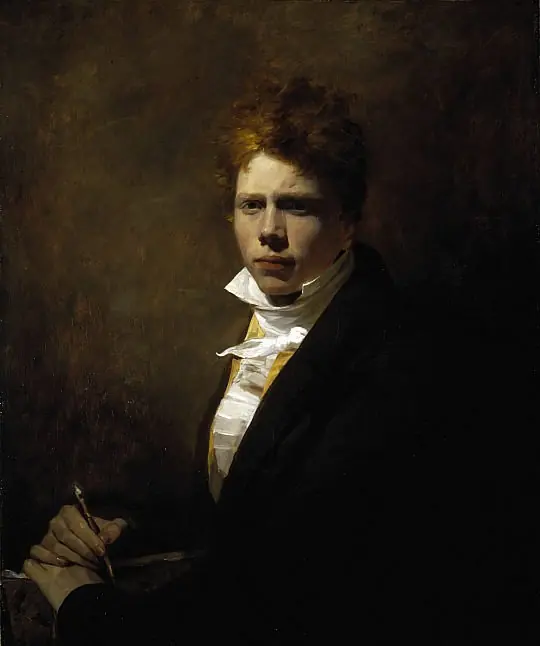 Self-Portrait
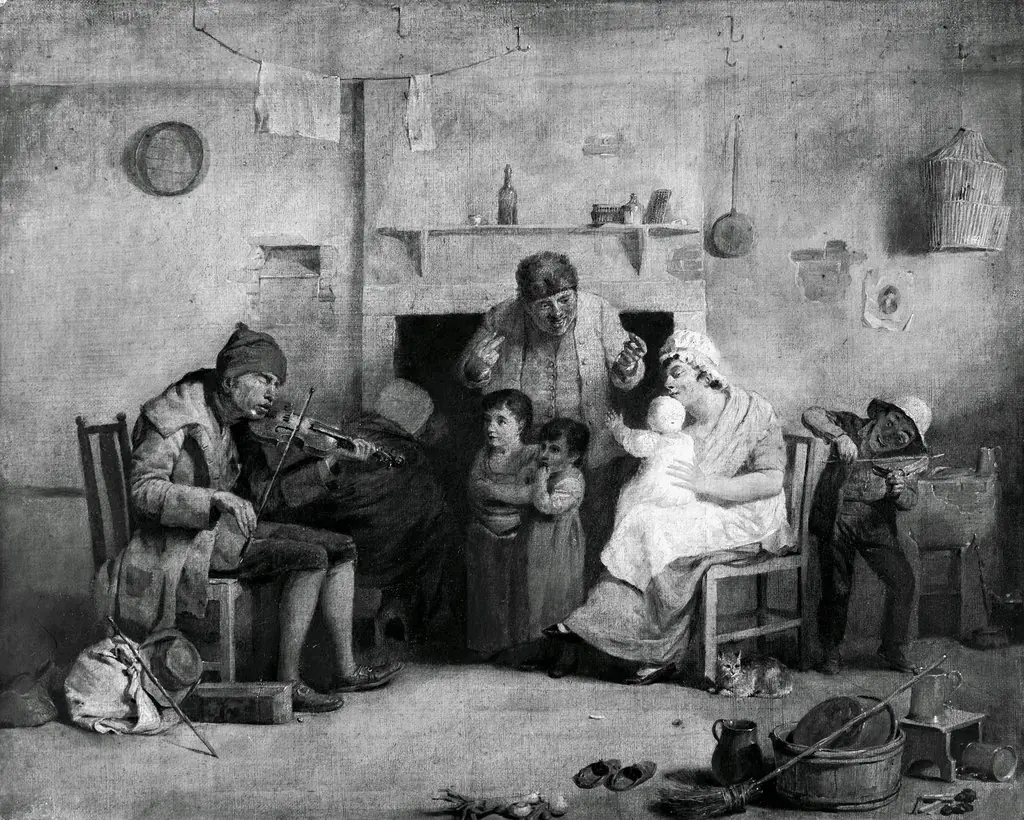 The blind violinist
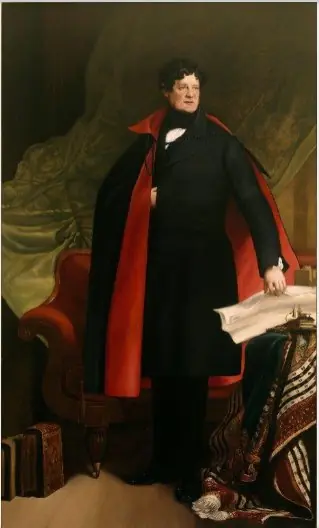 Portrait of Daniel O'Connell as Governor of the National Bank
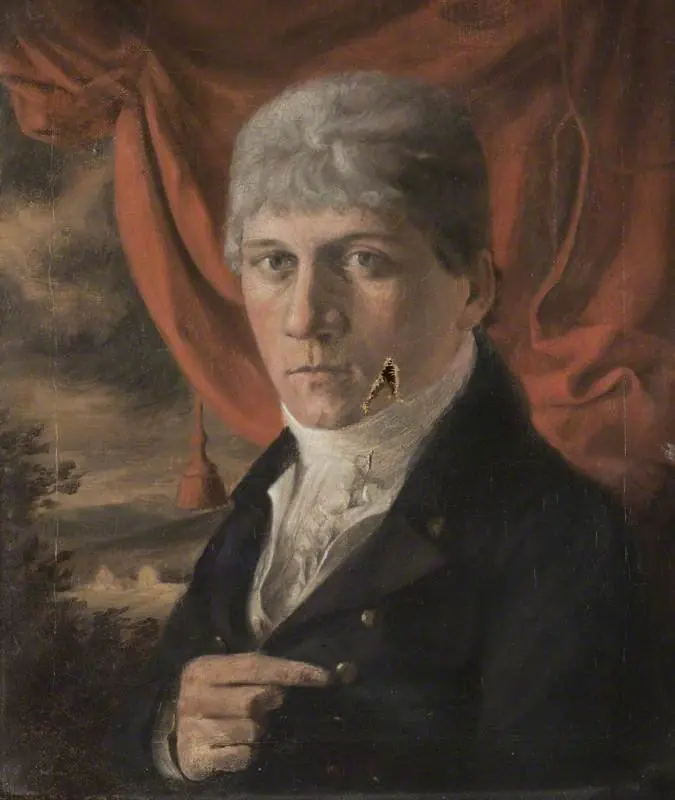 Portrait of the Artist's Brother, Captain James Wilkie (1784 - 1824)
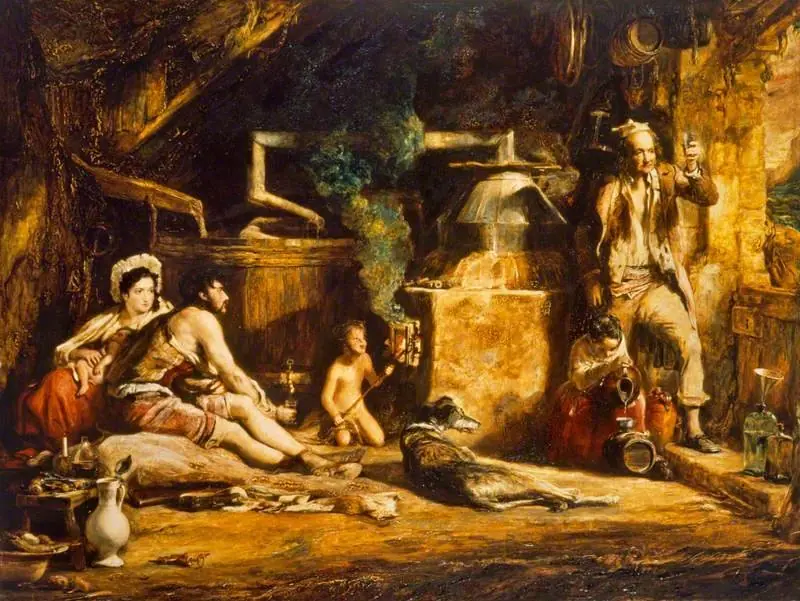 The Irish Whiskey Still
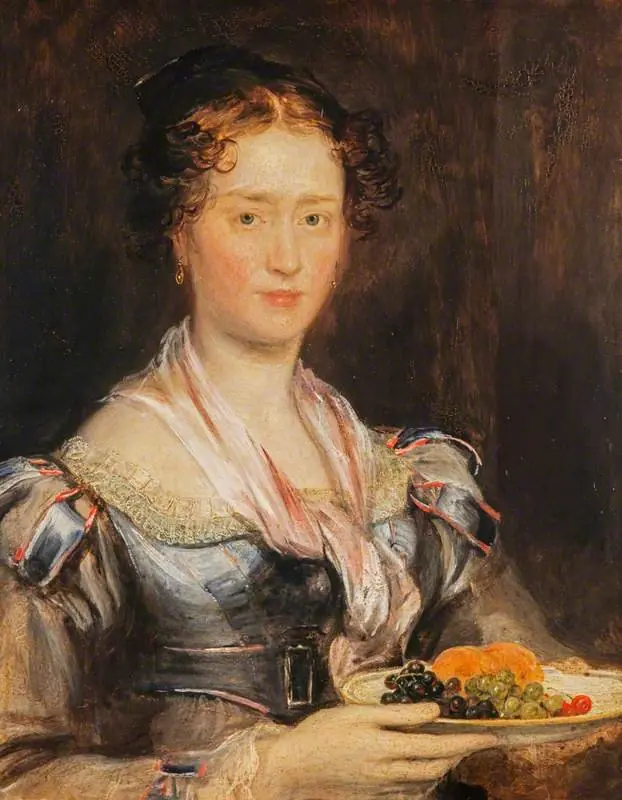 The Artist's Sister, Helen Hunter, née Wilkie (1793–1870)
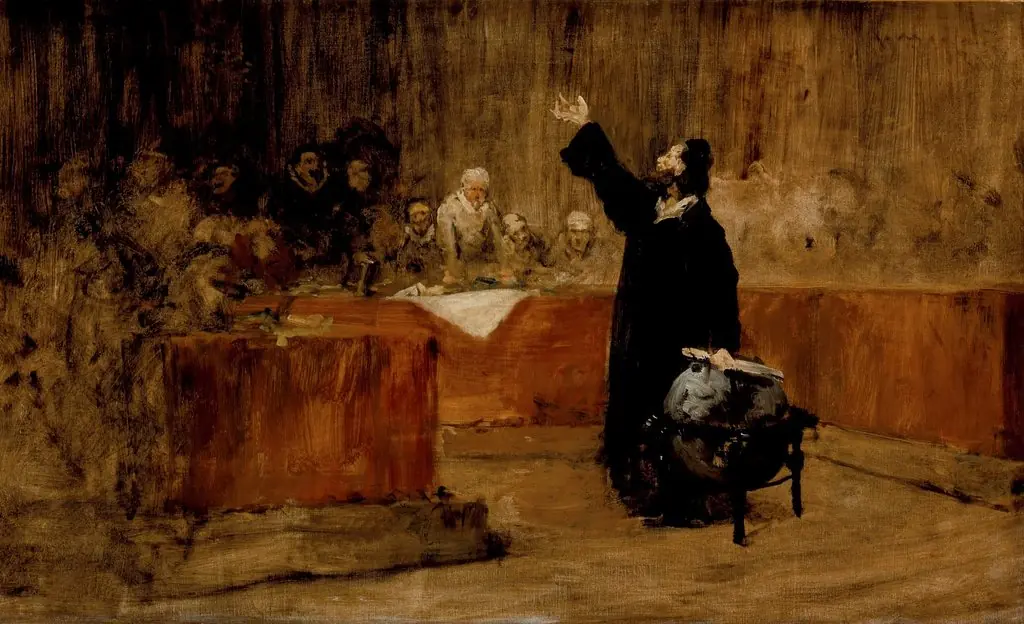 Sketch for a Picture--Columbus before the Council of Salamanca (A) (Christopher Columbus before the Council of Salamanca)
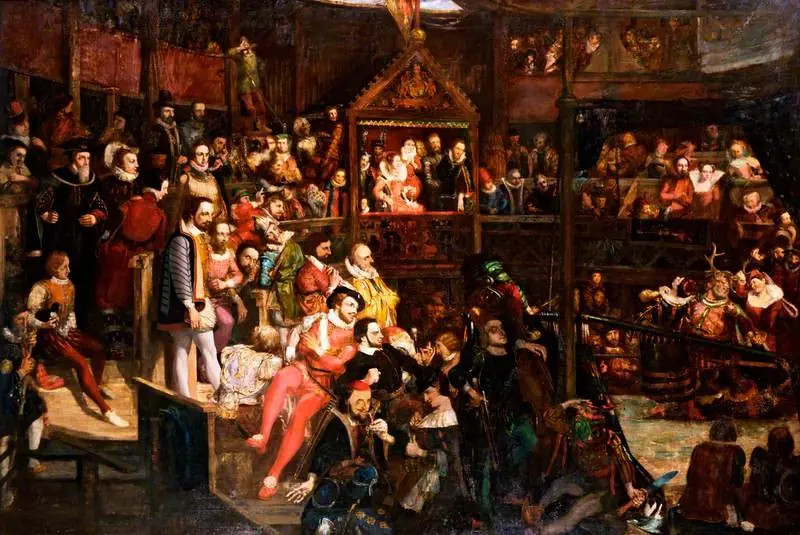 Queen Elizabeth (1533–1603), Viewing the Performance of 'The Merry Wives of Windsor' at the Globe Theatre
 The Distribution of Art Prizes
 Sketch for a Picture--Columbus before the Council of Salamanca (B) (Christopher Columbus before the Spanish Council)
 Alchemystical Adept (Paracelsus) Lecturing on the Elixir Vitae
 The Junta of the Philippines
 King Gustav Vasa of Sweden Receiving the Swedish Translation of the Bible
 Jan Hus at Constance
 Der Meisenzünfter Sidelenritt
 Don Quixote Disputing with the Priest and the Barber (from Cervantes' novel)
 Influence of the university on the country, from the series “History of Civilization in Poland”
 Prince Maurits Receiving a Russian Delegation in 1614