Artwork
Sketch for a Picture--Columbus before the Council of Salamanca (A) (Christopher Columbus before the Council of Salamanca)
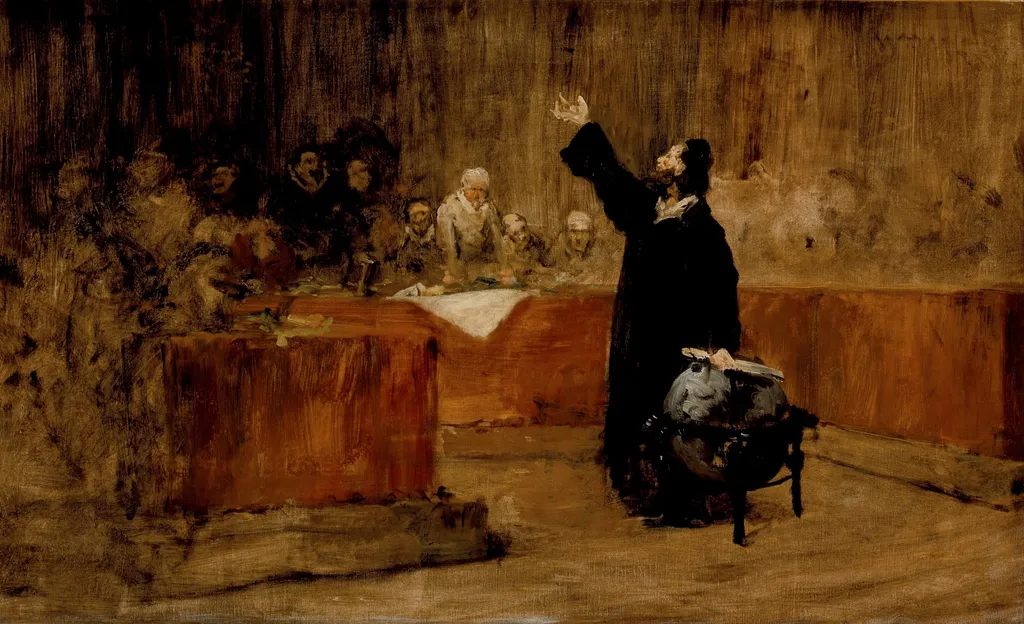
Sketch for a Picture--Columbus before the Council of Salamanca (A) (Christopher Columbus before the Council of Salamanca) is an unspecified painting by William Merritt Chase. It dates from 1888 and is held in the collection of the Los Angeles County Museum of Art.
About this work
Overview
Though rooted in historical drama, the painting retains the intimate scale and observational quality characteristic of Chase’s studio practice.
Painted in 1888 by American artist William Merritt Chase, this work is a preparatory study for a larger historical composition. It captures Christopher Columbus presenting his ideas to a panel of scholars in Salamanca, reflecting Chase’s interest in narrative subjects beyond his more familiar portraits and landscapes. Though rooted in historical drama, the painting retains the intimate scale and observational quality characteristic of Chase’s studio practice.
Subject & Meaning
The scene portrays Columbus, clad in a dark robe, addressing a council of learned men seated at a long table. His raised arm and outstretched hand suggest a moment of persuasive argument, likely concerning his proposal to sail westward across the Atlantic. The scholars’ varied expressions convey skepticism, curiosity, or contemplation, underscoring the tension between emerging empirical thought and established doctrine in late 15th-century Europe.
Technique & Style
Chase employs chiaroscuro to model the figures with strong light-dark contrasts, lending volume and focus to Columbus’s form. The warm, muted background enhances the somber tone of the scene, while loose brushwork in the robes and tablecloth hints at Impressionist influence. The composition is tightly controlled, directing attention to the central figure without ornamental distraction, blending academic precision with a more immediate, painterly approach.
History & Provenance
Created during Chase’s mature period, the painting emerged from his engagement with European historical themes after training at the Munich Academy. It was likely intended as a study for a grander commission, though the full-scale version was never completed. The work remained in Chase’s possession until his death, later entering a public collection through his estate, preserving its status as a personal exploration of historical narrative.
Context
In the late 19th century, American artists increasingly turned to European history for subject matter, seeking legitimacy through grand narratives. Chase’s depiction of Columbus aligns with this trend, yet his focus on a moment of intellectual debate—rather than triumph—reflects a more nuanced view of exploration. The painting also mirrors contemporary debates over science, authority, and discovery in an age of rapid technological change.
Legacy
Though not widely exhibited during Chase’s lifetime, this sketch remains a key example of his engagement with historical题材 beyond portraiture. It reveals his technical versatility and willingness to grapple with complex themes. Today, it is valued as a bridge between academic tradition and modernist experimentation, illustrating how American artists negotiated European influences in defining their own artistic voice.
Own this work as a print
Artist & collection
Artist
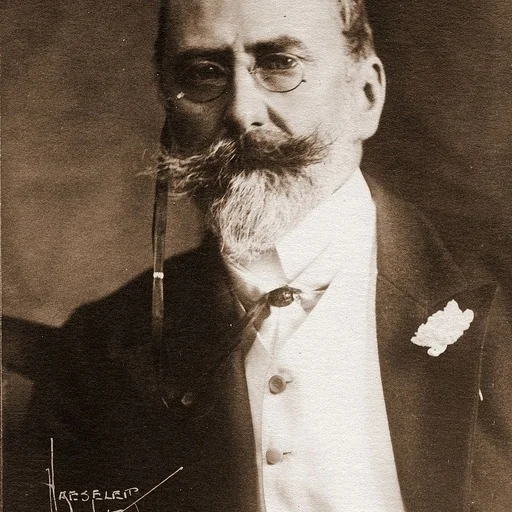
William Merritt Chase (November 1, 1849 – October 25, 1916) was an American painter, known as an exponent of Impressionism and as a teacher.

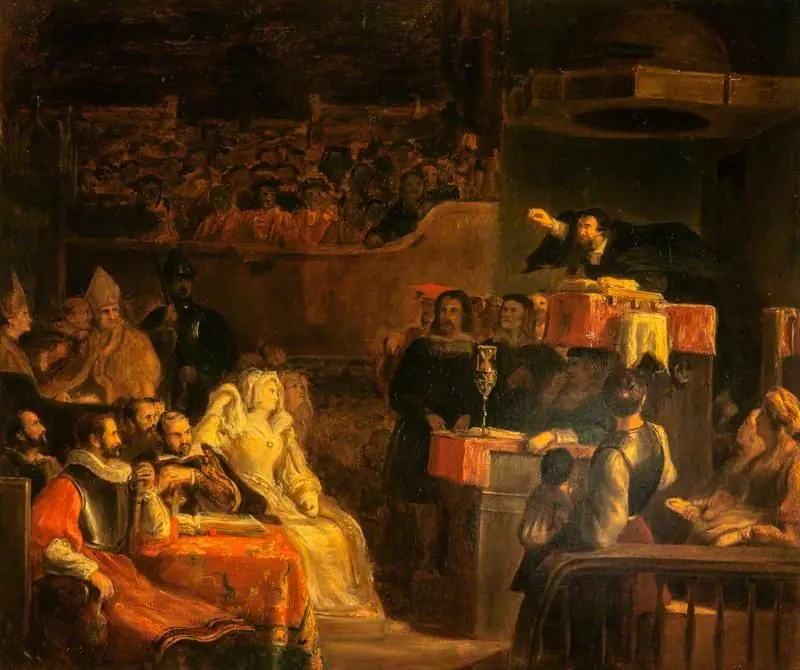 The Preaching of John Knox before the Lords of the Congregation 10th June 1559
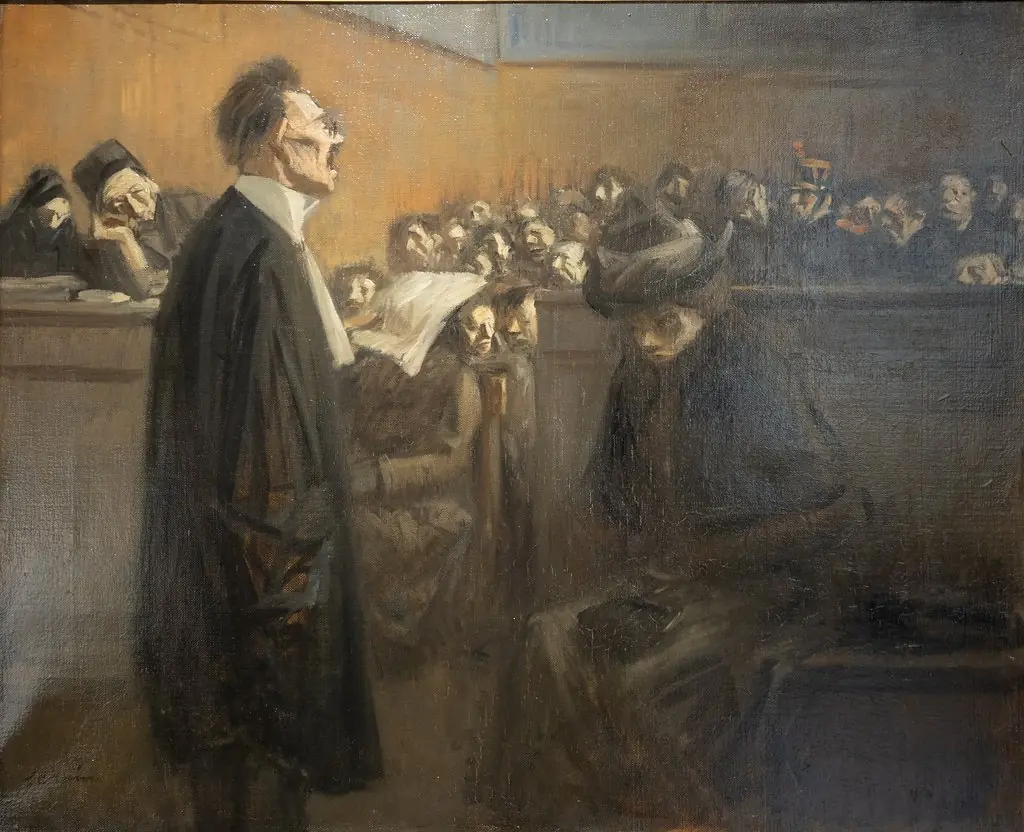 En correctionnelle
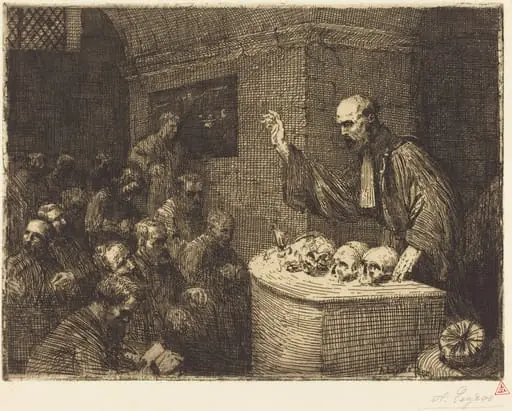 Phrenology Course, 2nd plate (Le cours de phrenologie)
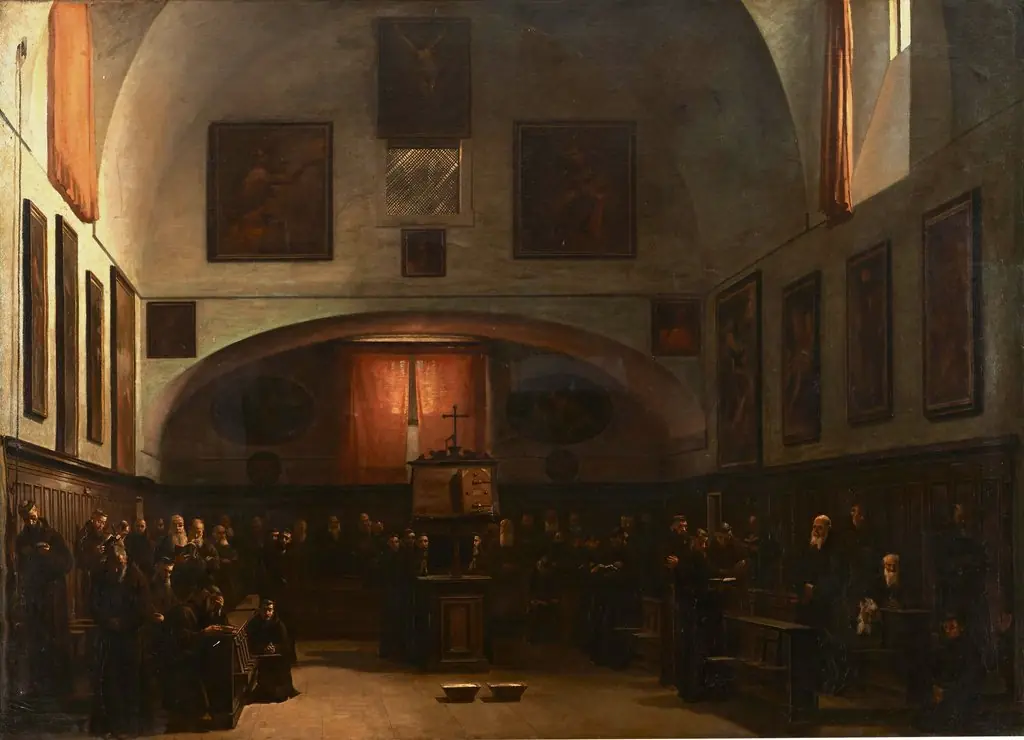 Capuchinos en el coro
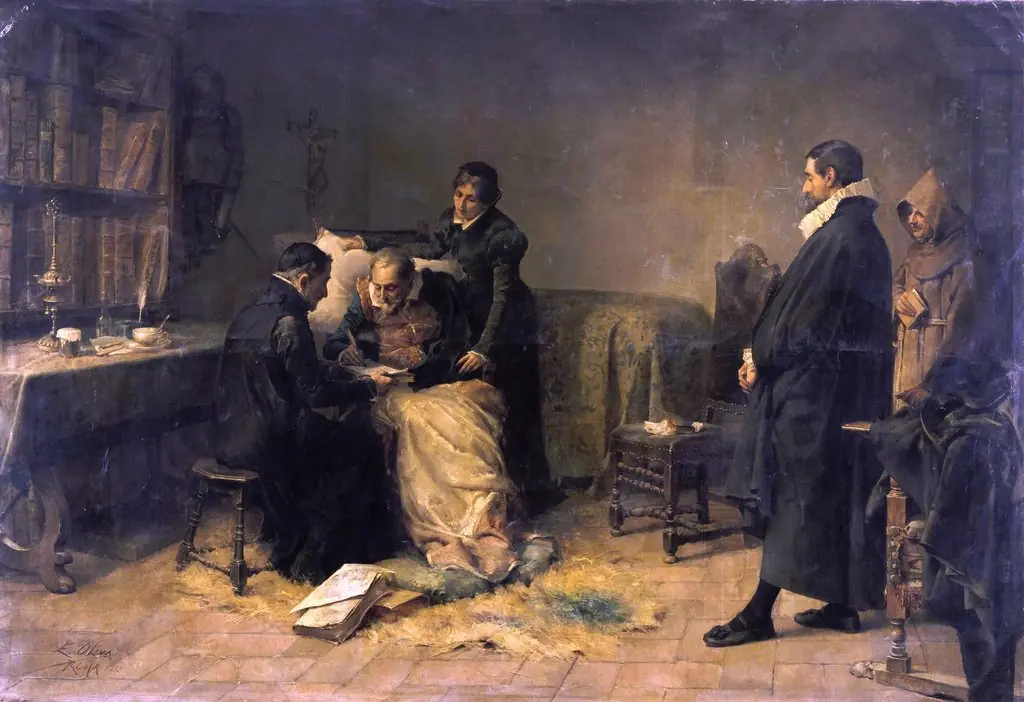 Cervantes en sus últimos días escribe la dedicatoria del Quijote al conde de Lemos
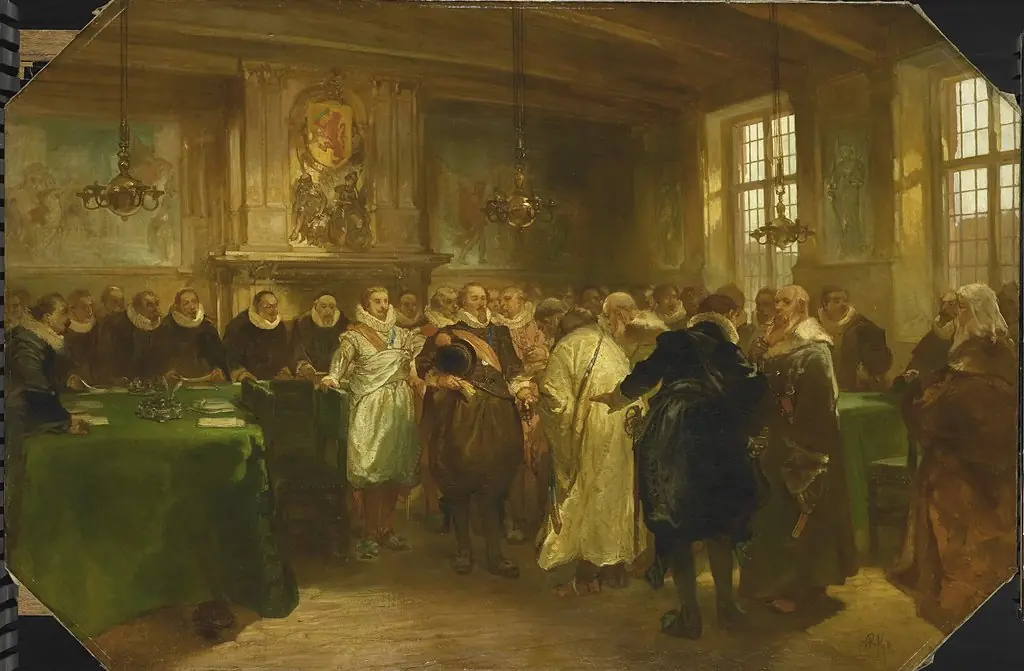 Prince Maurits Receiving a Russian Delegation in 1614
 L'Avocat que se trouve mal
 Jan Hus at Constance
 Jan Kochanowski at Czarnolas Reading the Translation of the "Psalms"
 The Toothpuller