Artwork
The Mosque Doorway, Cairo
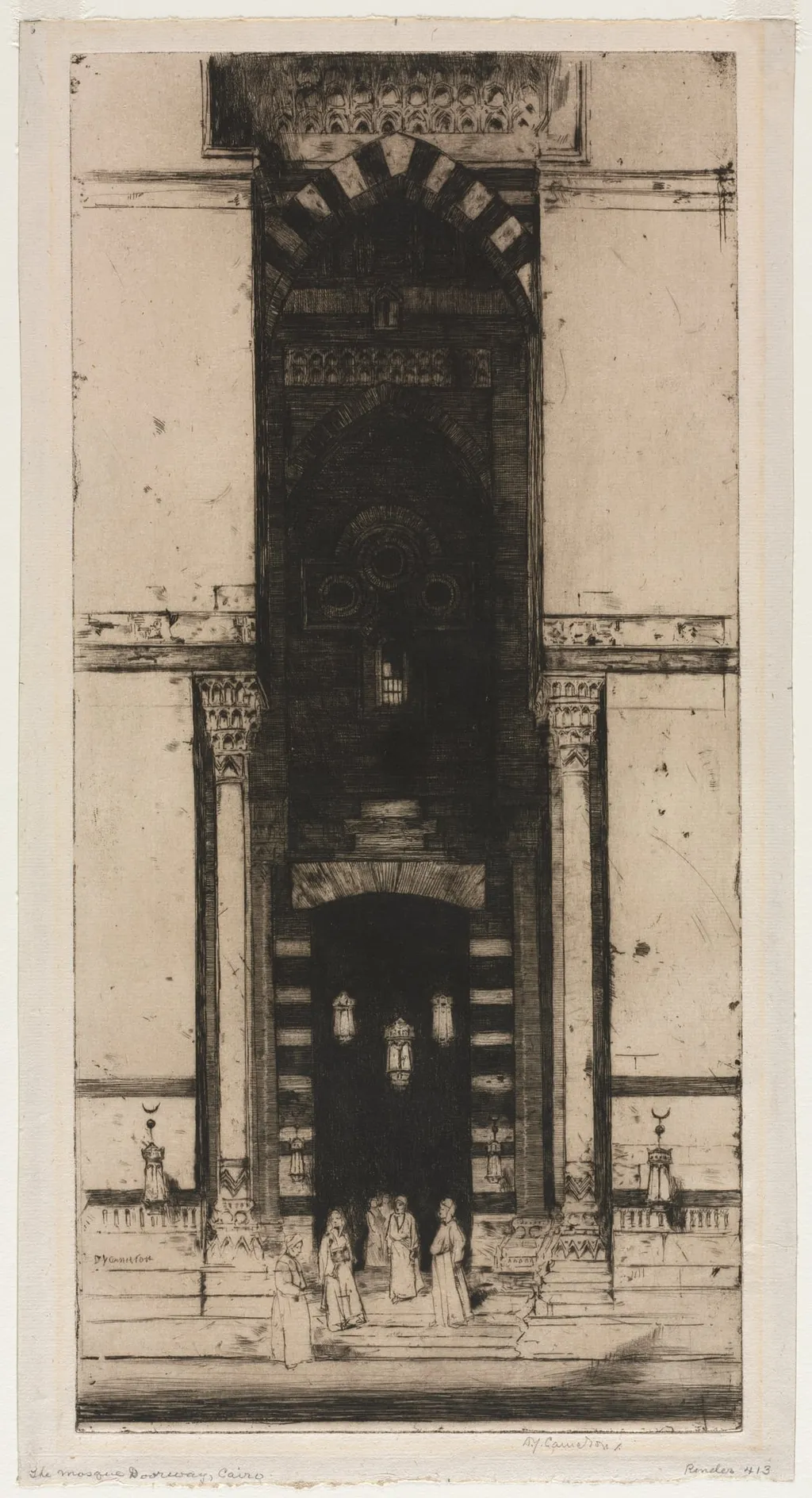
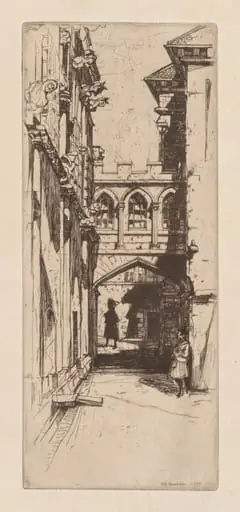
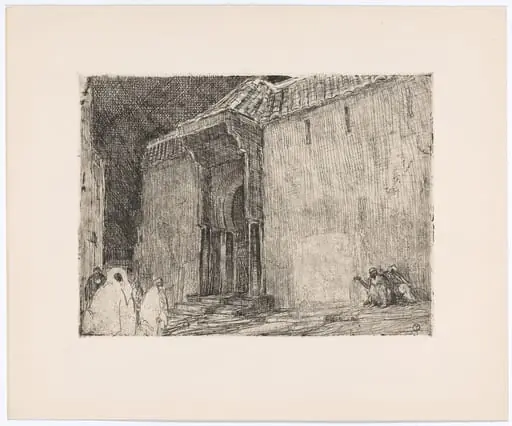
The Mosque Doorway, Cairo is a print by David Young Cameron. It dates from 1910 and is held in the collection of the Cleveland Museum of Art.
About this work
If you're interested in learning more about the artist who created this painting, you might want to look up David Young Cameron (British, 1865–1945).
This painting shows a large, ornate doorway in a mosque in Cairo. The doorway is tall and narrow, with intricate carvings and patterns on the walls and ceiling.
The doorway is flanked by two large columns, and the walls are adorned with intricate tile work. The overall effect is one of grandeur and beauty.
If you're interested in learning more about the artist who created this painting, you might want to look up David Young Cameron (British, 1865–1945).
Overview
David Young Cameron, a Scottish artist active in the early 20th century, produced *The Mosque Doorway, Cairo* in 1910 as an etching. Known for his architectural subjects, Cameron focused on the interplay of light, texture, and structure in urban environments. This print captures a specific architectural detail from Cairo, reflecting his interest in non-European settings during a period when Western artists increasingly engaged with Middle Eastern motifs.
Subject & Meaning
The print centers on a monumental mosque entrance, emphasizing its verticality and decorative complexity. The doorway, framed by towering columns and richly carved surfaces, suggests both spiritual significance and artisanal mastery. Cameron avoids narrative or human presence, instead inviting contemplation of the structure’s form and craftsmanship as a testament to Islamic architectural tradition.
Technique & Style
Cameron employed fine-line etching to render the intricate stonework and tile patterns with precision. His use of cross-hatching and varied line weight conveys depth and surface texture without color, relying on tonal contrast to suggest shadow and relief. The composition is tightly controlled, with careful attention to architectural symmetry and the rhythmic repetition of geometric motifs.
History & Provenance
Created during Cameron’s travels in Egypt, the print entered the collection of The Cleveland Museum of Art at an early date. It reflects the artist’s broader engagement with architectural subjects across Europe and the Mediterranean. The work’s preservation in a major American institution underscores its recognition within the Etching Revival movement and its appeal to collectors interested in topographical printmaking.
Context
In 1910, European artists were increasingly drawn to North African and Middle Eastern architecture as subjects of aesthetic study. Cameron’s work aligns with this trend, though he avoided exoticism, favoring restrained observation. His etchings contributed to a growing body of printmaking that treated non-Western architecture with scholarly attention rather than romanticized spectacle.
Legacy
Cameron’s etchings, including this one, remain valued for their technical discipline and quiet observation. While less widely known than his contemporaries, his work represents a significant strand of early 20th-century printmaking that prioritized architectural integrity over dramatic effect. *The Mosque Doorway, Cairo* continues to serve as a reference for the study of etching as a medium for recording cultural heritage.
Artist & collection
Artist
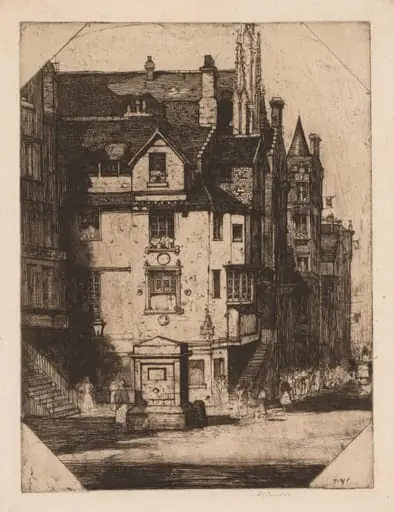
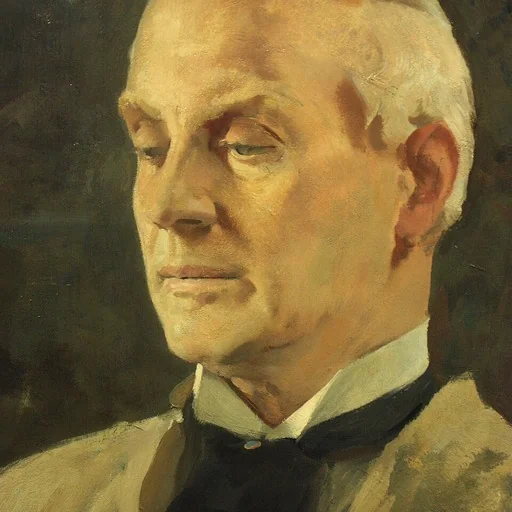
Sir David Young Cameron (28 June 1865 – 16 September 1945) was a Scottish painter and, with greater success, etcher, mostly of townscapes and landscapes in both cases. He was a leading figure in the final decades of the Etching Revival.