Artwork
Louise Renee de Penancoet de Keroualle, Duchess of Portsmouth
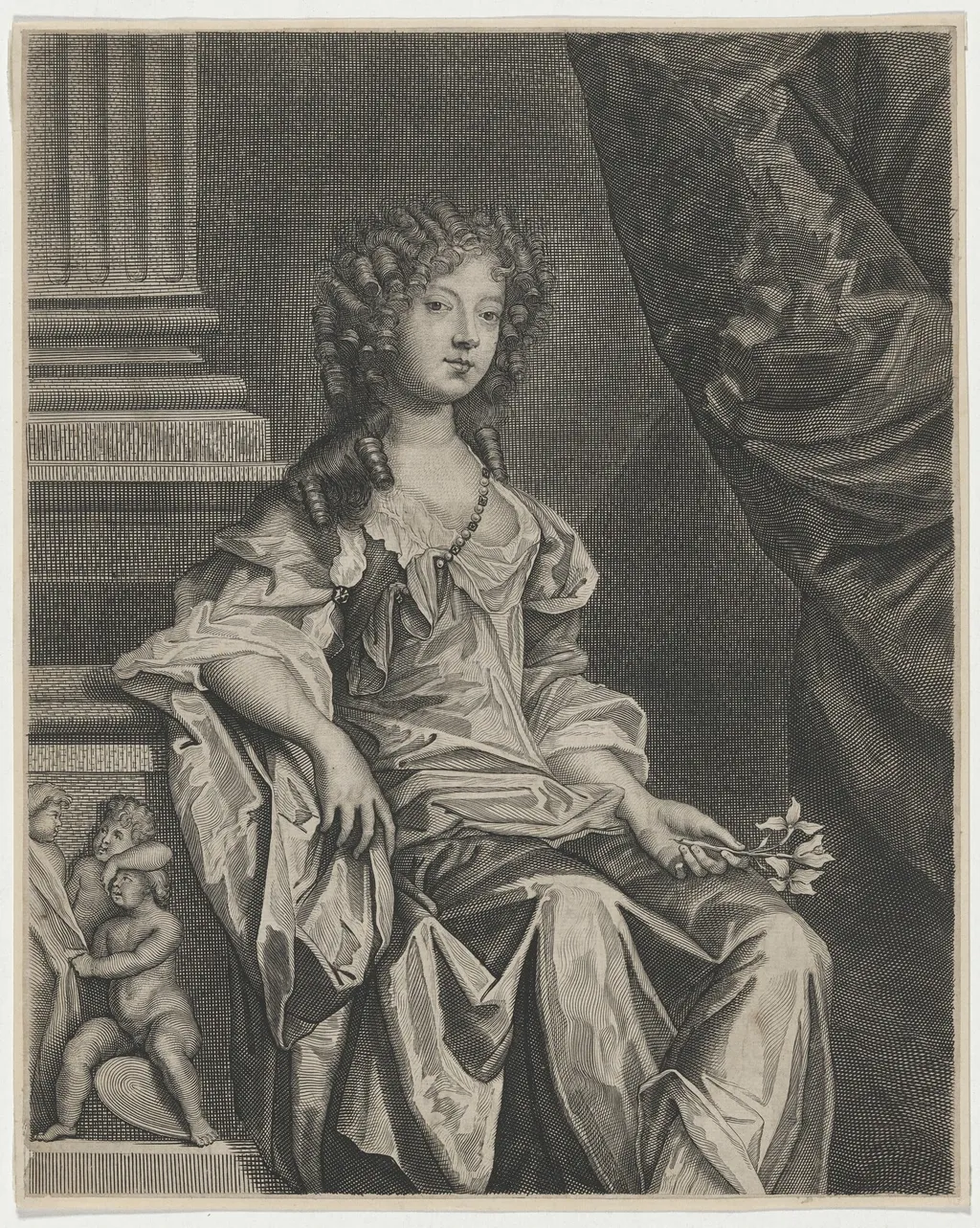
Louise Renee de Penancoet de Keroualle, Duchess of Portsmouth is an ink print by the Baroque artist Edward Davis. It dates from 1662 and is held in the collection of the National Gallery of Art.
About this work
Overview
Edward Davis’s 1662 engraving presents Louise Renee de Penancoet de Keroualle, known as the Duchess of Portsmouth. Executed as a print, the image captures the duchess in a poised stance, her features rendered with a calm, gentle expression. The work reflects the conventions of mid‑seventeenth‑century portraiture, emphasizing the sitter’s rank through attire and compositional balance.
Subject & Meaning
The portrait identifies the sitter as Louise Renee de Penancoet de Keroualle, a woman of aristocratic standing in Restoration England. Her refined demeanor and the sumptuousness of her dress convey both personal dignity and the social expectations placed upon a duchess, serving as a visual affirmation of her elevated position within the courtly hierarchy.
Technique & Style
Davis employed the line‑based engraving technique, incising fine details into a copper plate to achieve delicate textures.
Davis employed the line‑based engraving technique, incising fine details into a copper plate to achieve delicate textures. The intricate rendering of lace, fabric folds, and ornamental jewelry demonstrates the artist’s skill in translating luxurious materials into tonal variations, while the overall composition maintains a restrained elegance characteristic of English portrait prints of the period.
History & Provenance
Created in 1662, the print was likely intended for circulation among the duchess’s acquaintances and supporters, a common practice for commemorating high‑status individuals. While specific ownership records are sparse, the work has been catalogued in collections of 17th‑century English prints, confirming its attribution to Davis and its association with the Duchess of Portsmouth.
Artist & collection

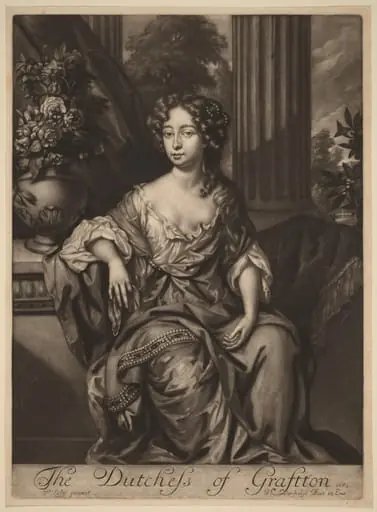 The Duchess of Grafton
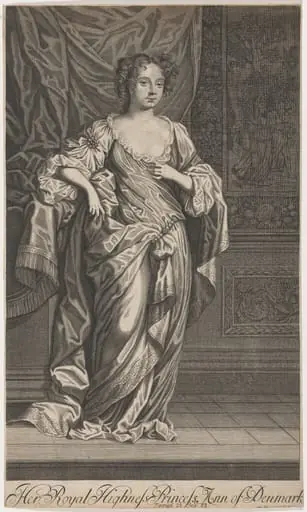 Anne of Denmark
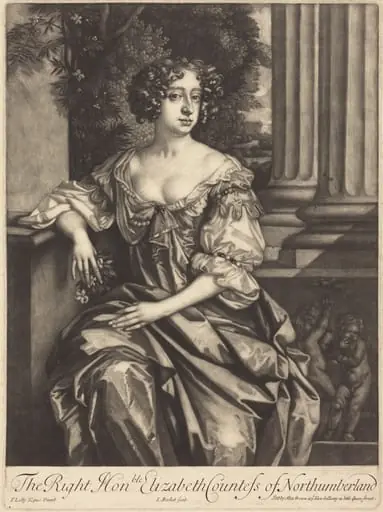 The Right Honorable Elizabeth Countess of Northumberland
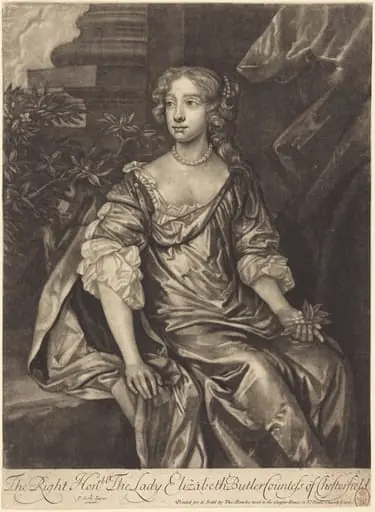 The Right Honorable Lady Elizabeth Butler, Countess of Chesterfield
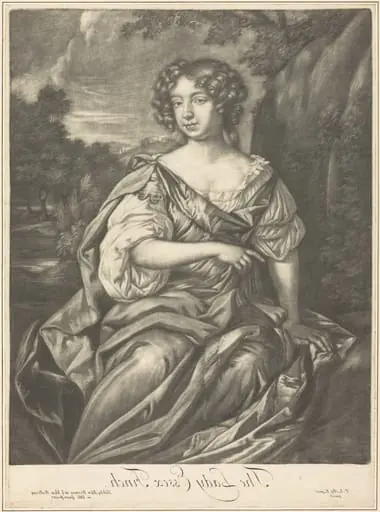 The Lady Essex Finch
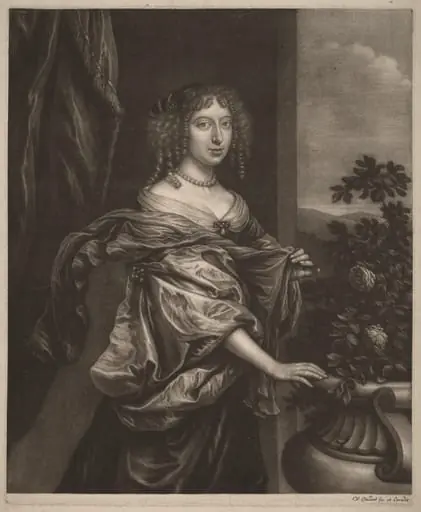 Portrait of a Lady beside a Rose Bush
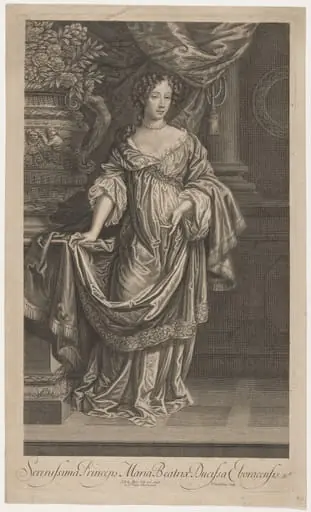 Mary of Modena, as Duchess of York
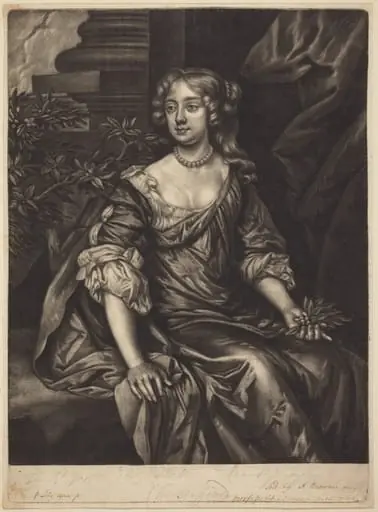 The Right Honorable Lady Elizabeth Butler, Countess of Chesterfield
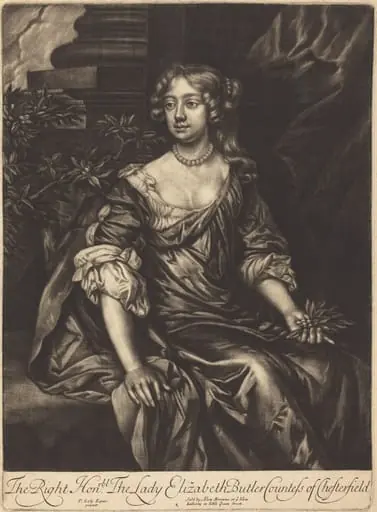 The Right Honorable Lady Elizabeth Butler, Countess of Chesterfield
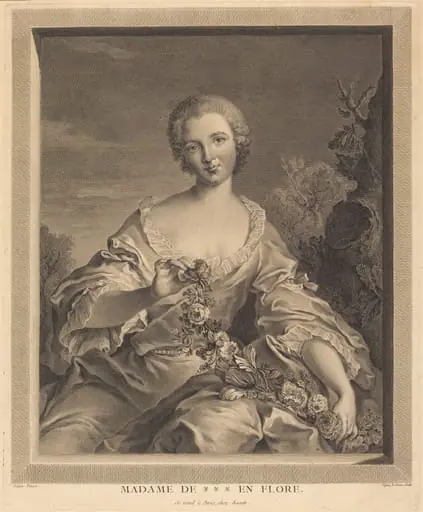 Mme. XXX en Flore
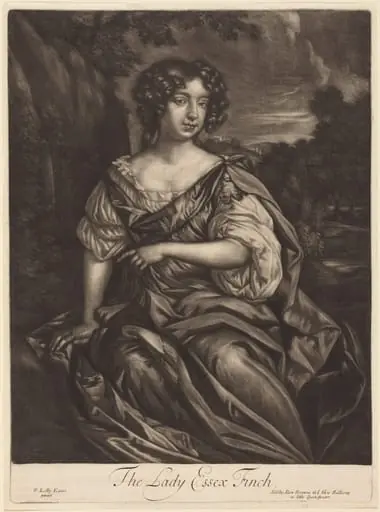 The Lady Essex Finch
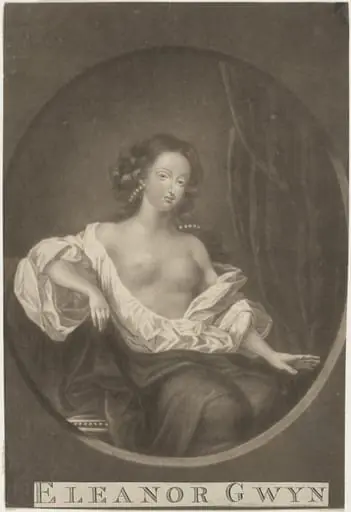 Eleanor Gwyn, Mistress of Charles II