Artwork
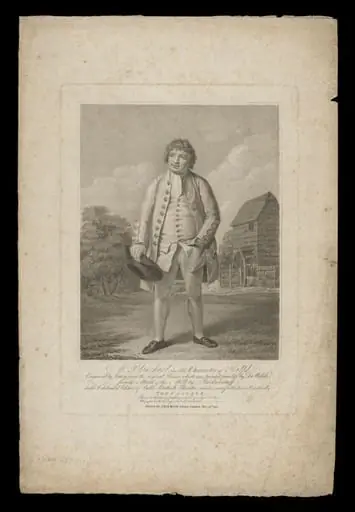
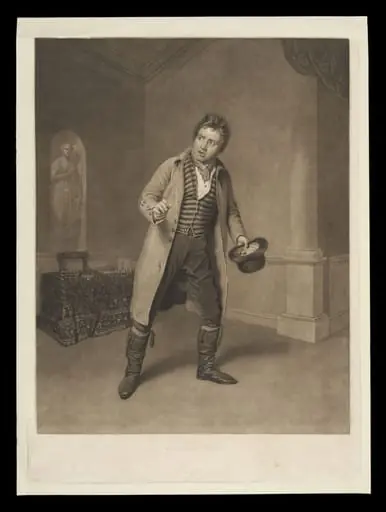
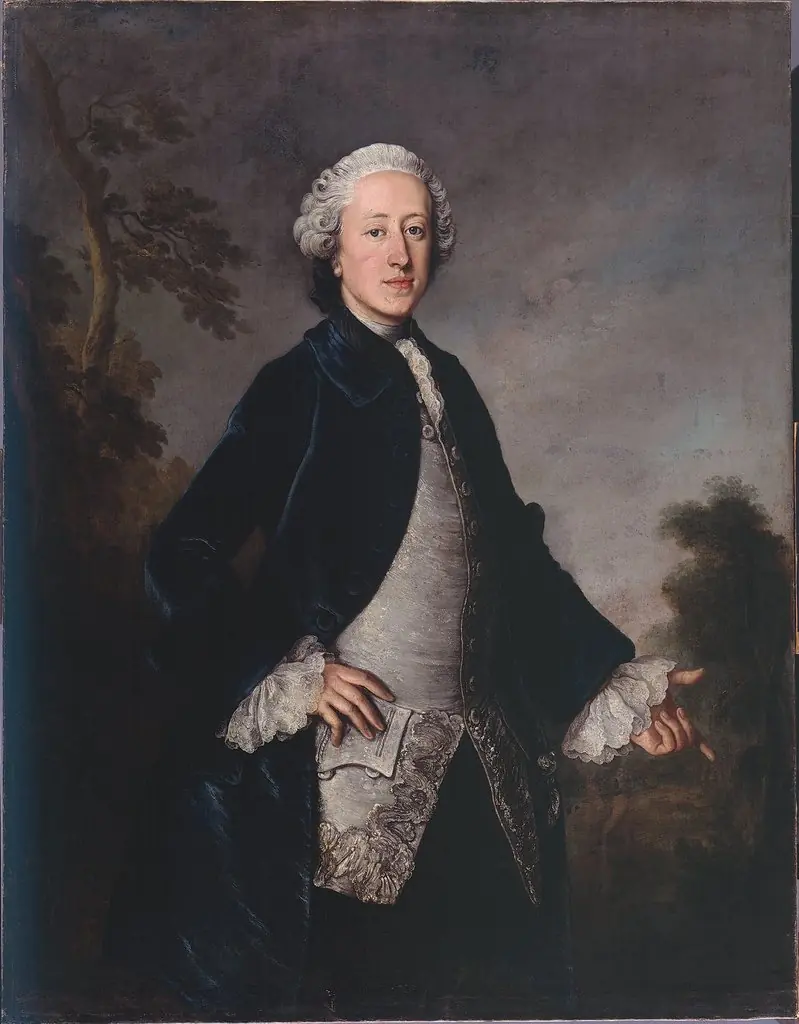
William Farren as Lord Ogleby in <i>The Clandestine Marriage</i> by George Colman the Elder and David Garrick
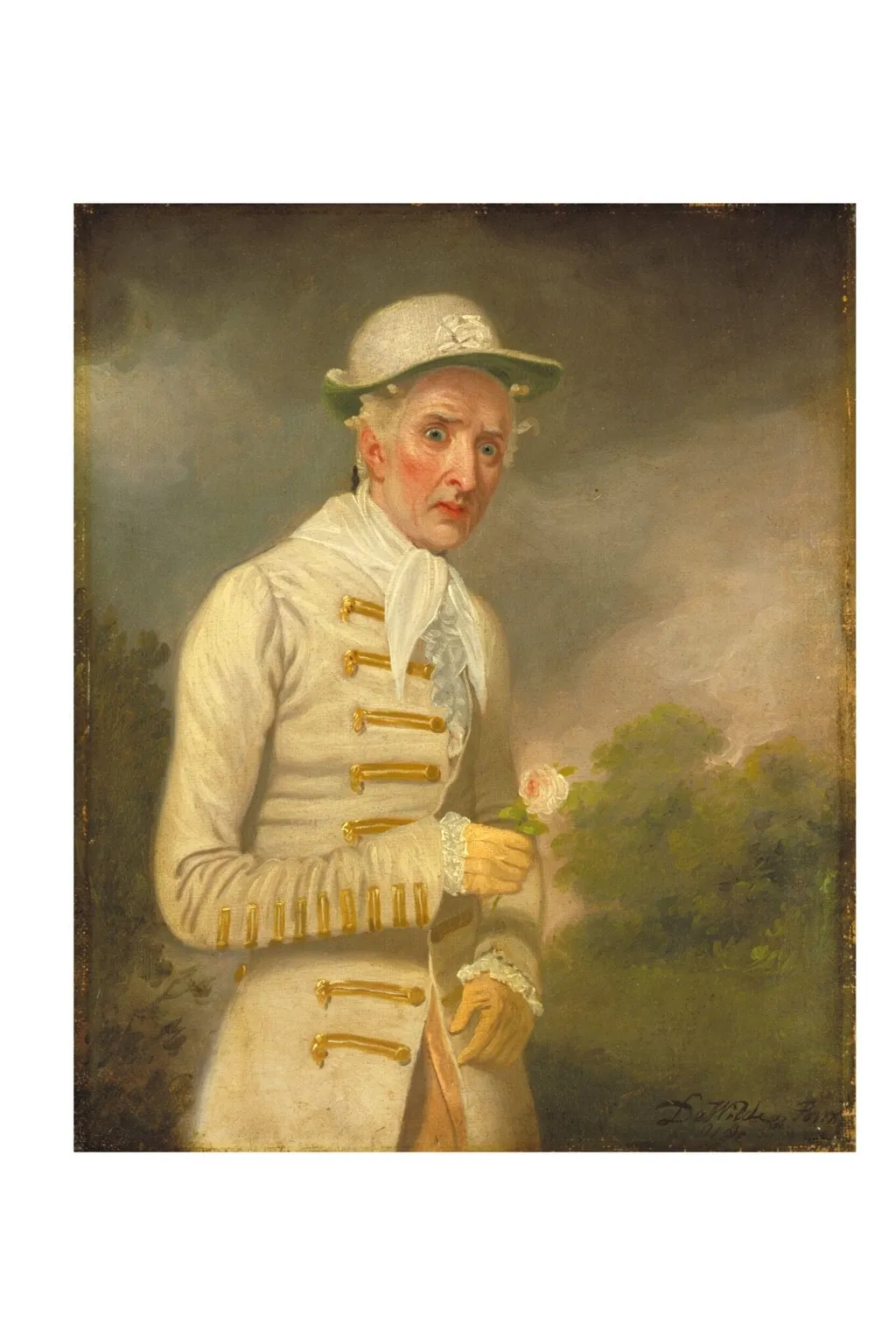
William Farren as Lord Ogleby in <i>The Clandestine Marriage</i> by George Colman the Elder and David Garrick is a paint painting by the Romanticist artist Samuel De Wilde. It dates from 1818 and is held in the collection of the Victoria and Albert Museum.
About this work
Overview
Painted in the mid-18th century, it presents Farren in full theatrical costume, standing against a moody, naturalistic backdrop.
This portrait captures the actor William Farren in his role as Lord Ogleby from the comedy *The Clandestine Marriage*, a popular play by George Colman the Elder and David Garrick. Painted in the mid-18th century, it presents Farren in full theatrical costume, standing against a moody, naturalistic backdrop. The work entered the South Kensington Museums in 1859 through the bequest of Reverend Alexander Dyce, whose collection significantly broadened the institution’s scope beyond contemporary Victorian art.
Subject & Meaning
Lord Ogleby is a pompous aristocrat whose pretensions are gently mocked in the play. Farren’s portrayal emphasizes the character’s affected dignity, conveyed through his rigid posture and direct gaze. The rose, a symbol of refined sentiment, contrasts with the absurdity of his social posturing. The serious expression and formal attire suggest a moment of self-awareness, inviting the viewer to observe the tension between appearance and reality in aristocratic performance.
Technique & Style
The painting employs a restrained palette dominated by cream, white, and gold, set against a dark, atmospheric background of trees and overcast sky. Brushwork is precise yet fluid, particularly in the rendering of lace, fabric, and the soft texture of the rose. The lighting is dramatic but not theatrical, aligning with early Romantic tendencies to infuse portraiture with psychological depth and environmental mood rather than pure spectacle.
History & Provenance
The painting was part of Reverend Alexander Dyce’s extensive personal collection, bequeathed to the South Kensington Museums in 1859. Dyce, a noted literary scholar and collector, prioritized British theatrical portraiture as cultural documentation. His donation included hundreds of works spanning Italian, Dutch, and Flemish traditions, but his focus on actors like Farren helped establish a precedent for preserving performance history within public collections.
Context
In the 18th century, actor portraiture flourished as public fascination with the stage grew. Theatrical roles were often closely tied to the performer’s public identity, making such images both artistic and historical records. Farren’s portrayal reflects a time when actors were celebrated as cultural figures, and their likenesses were collected by patrons and institutions seeking to document the evolving landscape of British theater and social satire.
Legacy
The painting remains a key example of how theater and visual art intersected in 18th-century Britain. Its inclusion in a major public collection signaled a shift toward recognizing performance as worthy of archival preservation. Today, it contributes to ongoing scholarly interest in the material culture of the stage, offering insight into costume, gesture, and the construction of character in an era when acting was both art and social commentary.
Artist & collection

Artist
Samuel De Wilde, born and died in London, was a portrait painter and etcher of Dutch descent famous for his theatrical paintings.

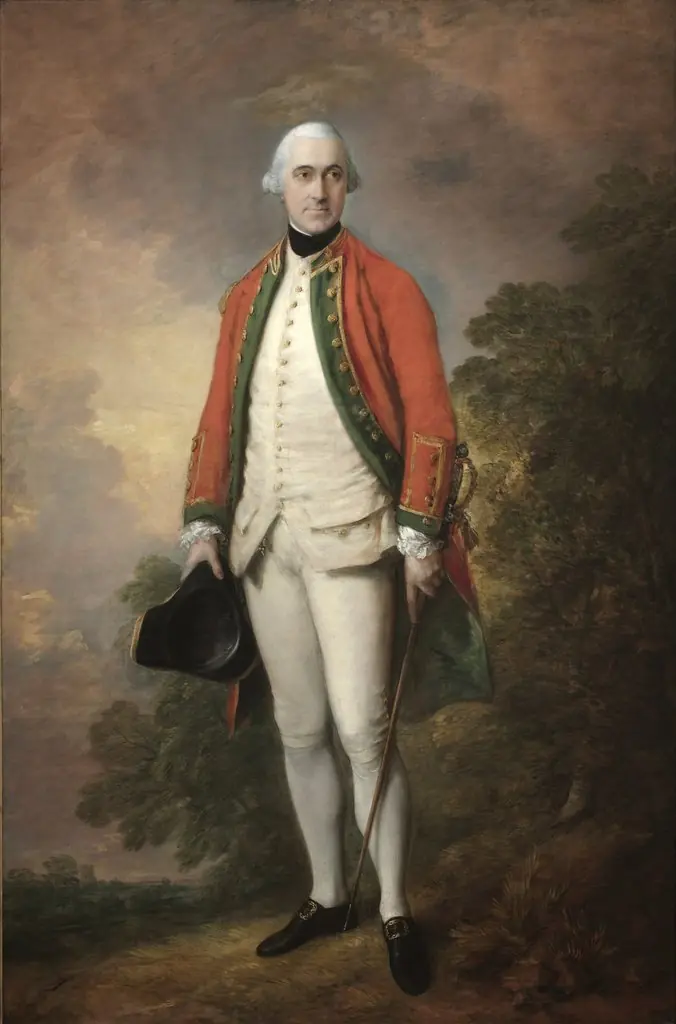 Portrait of George Pitt, First Baron Rivers
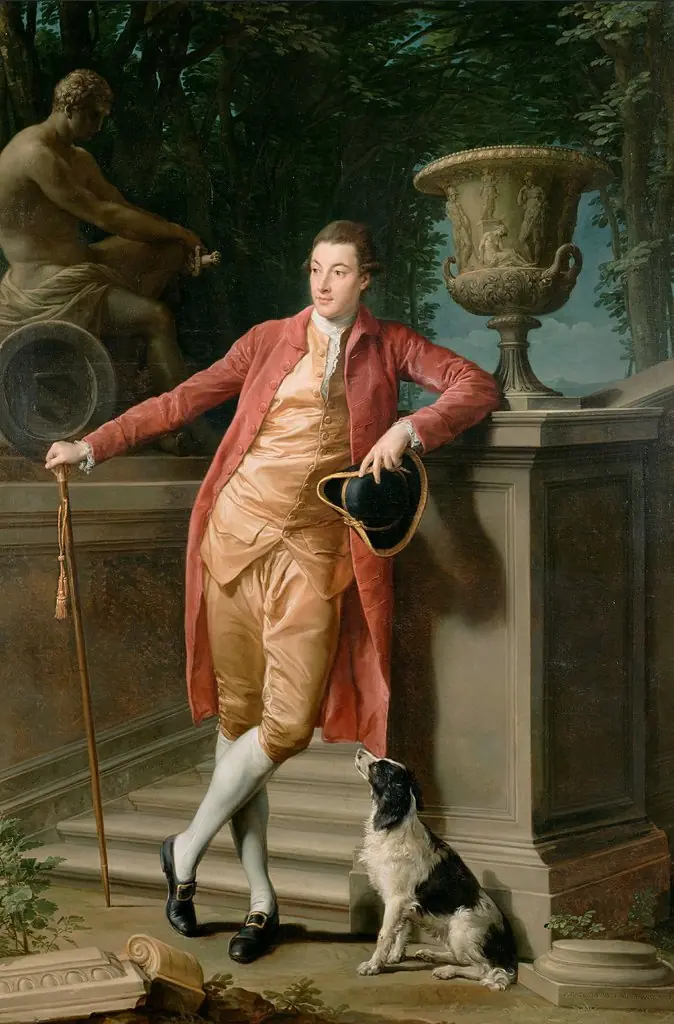 Portrait of John Talbot, later 1st Earl Talbot
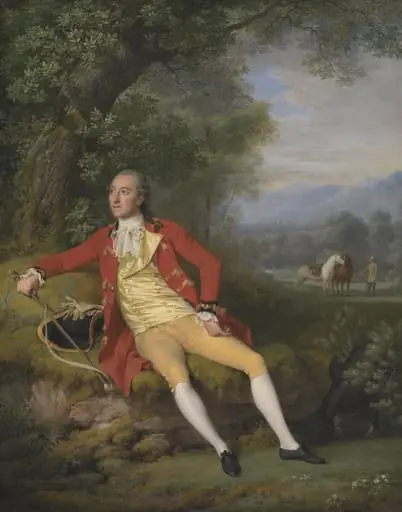 Portrait of an Envoy to the French and English Courts
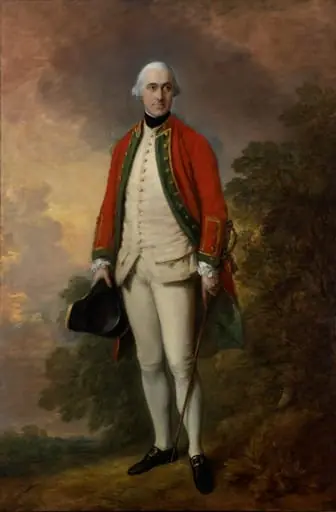 Portrait of George Pitt, First Baron Rivers
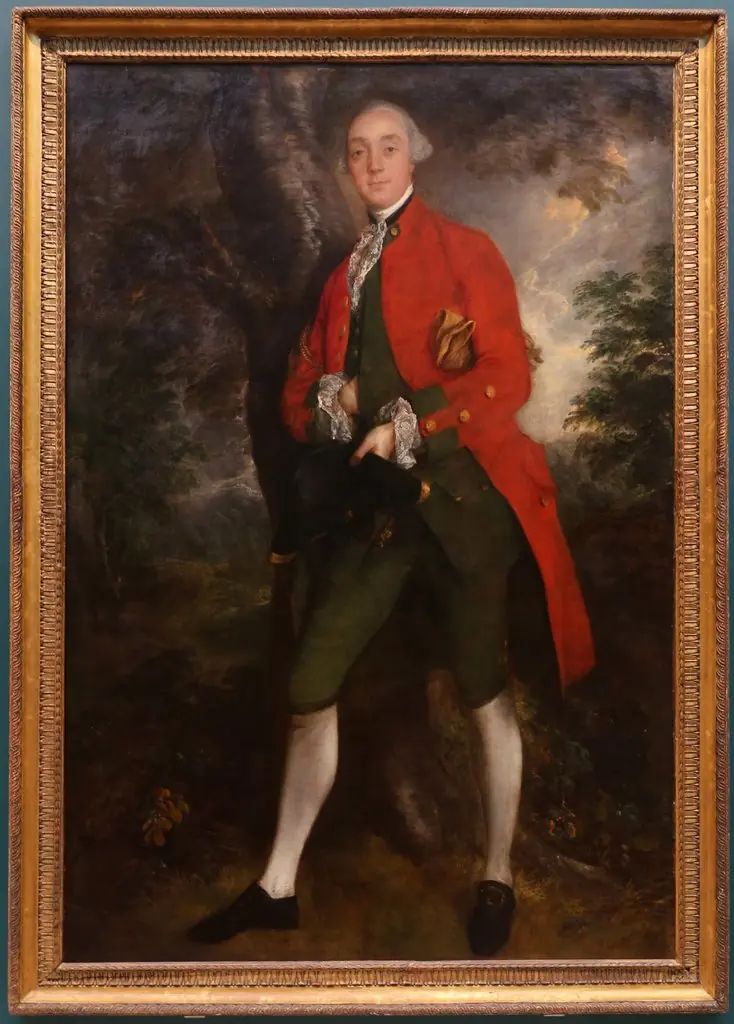 General James Johnston (1721-1797)
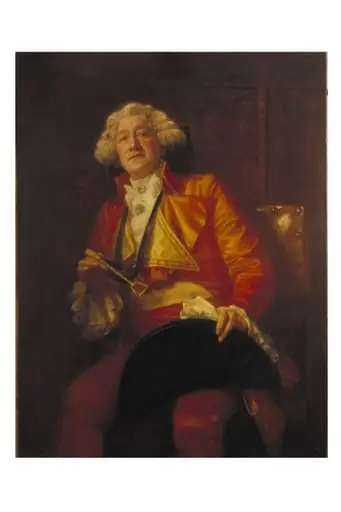 Fred Terry as Sir Percy Blakeney in <i>The Scarlet Pimpernel</i> by Baroness Orczy and Montague Barstow
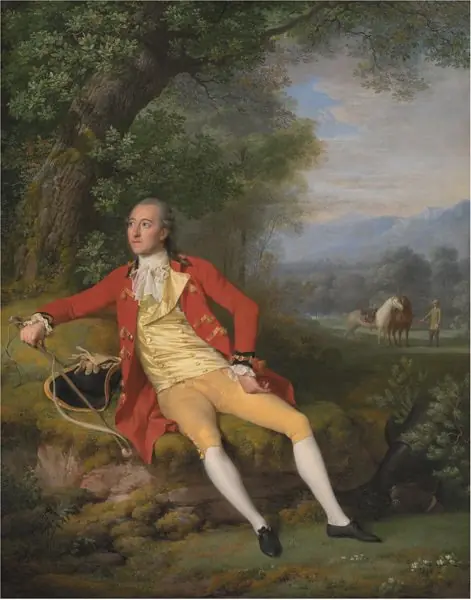 Jean-Armand Tronchin, udsending ved det franske og engelske hof. Schweiz
 Portrait of a Gentleman