Artwork
Untitled
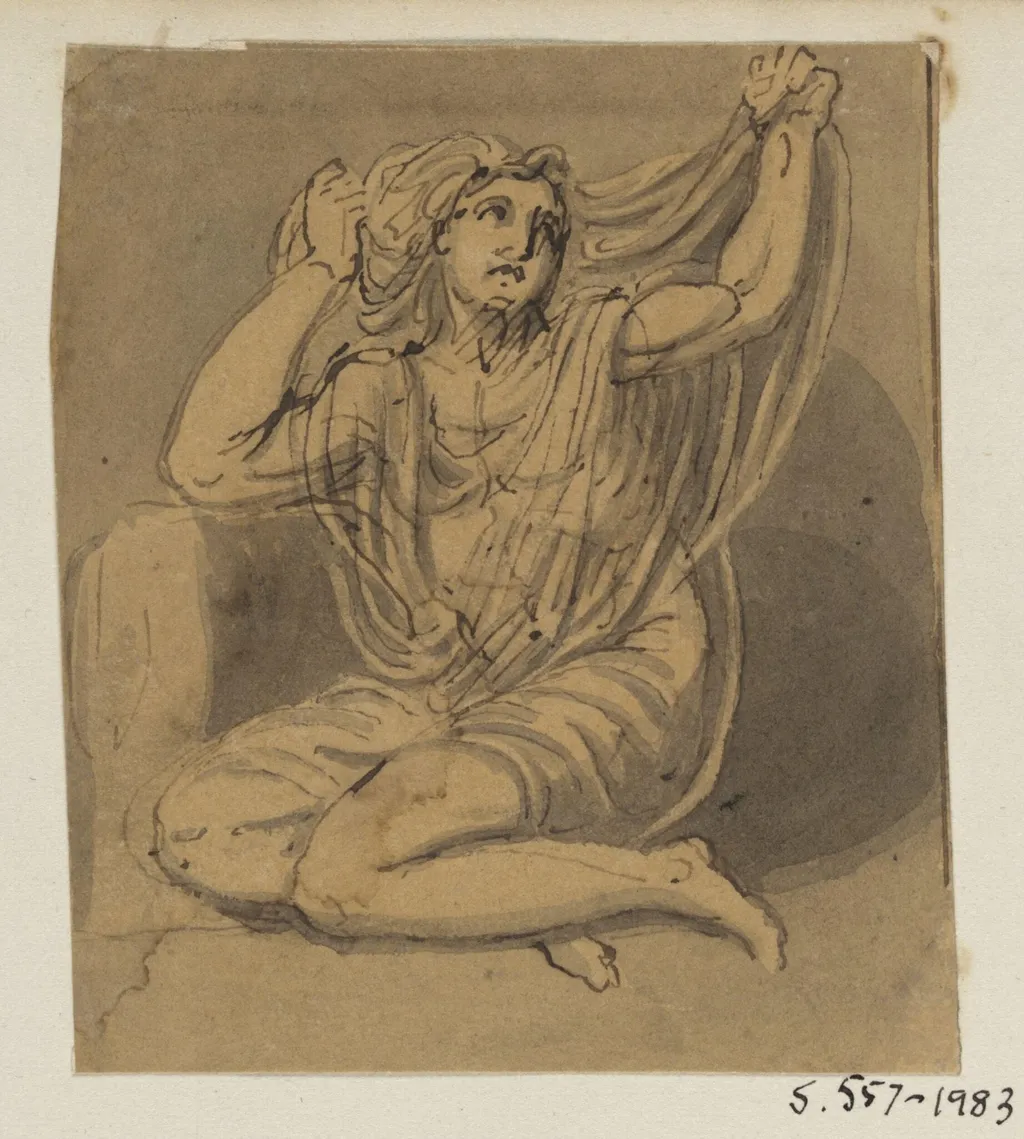
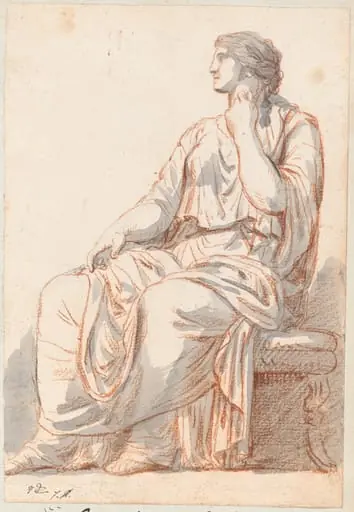
Untitled is a drawing by the Romanticist artist Samuel De Wilde. It dates from 1813 and is held in the collection of the Victoria and Albert Museum.
About this work
De Wilde was English, not French or German, which makes his take on Romanticism a little different.
This drawing shows a kneeling woman, done in 1813 by Samuel de Wilde. It’s a simple sheet of paper, but it sits inside the big Romanticism tradition. Romanticism often cared about human feeling and drama—this quiet moment fits right in.
De Wilde was English, not French or German, which makes his take on Romanticism a little different. The Victoria and Albert Museum keeps this work safe in their collection.
Look next at the Victoria and Albert Museum.
Overview
This 1813 drawing by Samuel de Wilde depicts a woman in a kneeling posture, rendered on a single sheet of paper. Part of the broader Romantic movement, the work reflects an interest in individual emotion and intimate human moments. Executed in England, it offers a distinct perspective within Romanticism, differing from the more dramatic expressions of Continental artists.
Subject & Meaning
The drawing centers on a solitary female figure captured in a moment of quiet reflection or reverence. The kneeling pose suggests vulnerability, devotion, or introspection, themes often explored in Romantic art. Without overt narrative context, the image invites interpretation through its emphasis on emotional sincerity rather than grand allegory.
Technique & Style
De Wilde’s approach is marked by economical linework and a focus on contour, characteristic of Romantic draftsmanship. The drawing avoids excessive detail, prioritizing the immediacy of the figure’s gesture and expression. This restraint aligns with the movement’s valuation of raw, unmediated feeling over polished academic finish.
History & Provenance
Created in 1813, the work has been preserved in the collection of the Victoria and Albert Museum. Its survival as a standalone sheet underscores the significance accorded to preparatory studies and informal works within Romantic-era artistic practice. Little is documented about its early ownership, though its inclusion in the museum’s holdings ensures its continued study.
Context
As an English contribution to Romanticism, the drawing reflects the period’s fascination with subjective experience and the sublime in everyday life. While Continental Romanticism often gravitated toward grand historical or natural themes, British artists like de Wilde frequently focused on intimate, human-scale moments. This work exemplifies that quieter, yet equally expressive, strain.
Artist & collection

Artist
Samuel De Wilde, born and died in London, was a portrait painter and etcher of Dutch descent famous for his theatrical paintings.

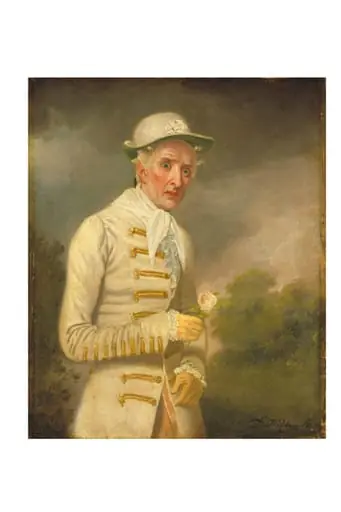 William Farren as Lord Ogleby in <i>The Clandestine Marriage</i> by George Colman the Elder and David Garrick
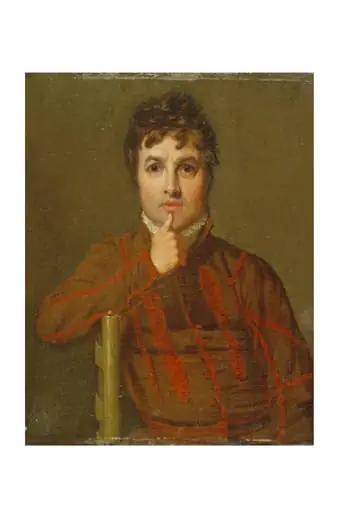 John Philip Kemble in a Comic Role
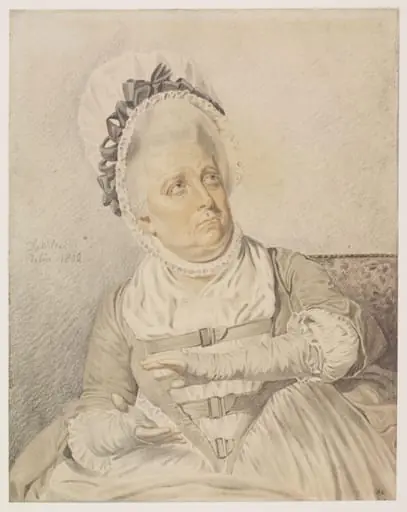 Mrs. Davenport as Dame Ashfield in Morton's 'Speed the Plough'
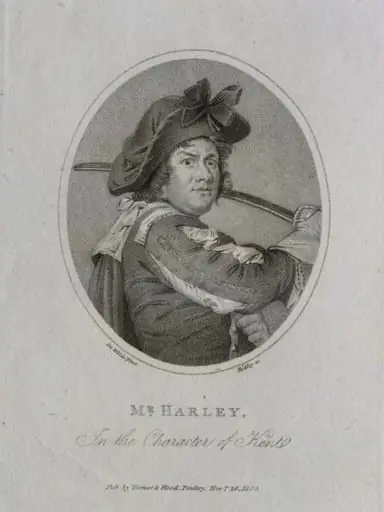 H Beard Print Collection
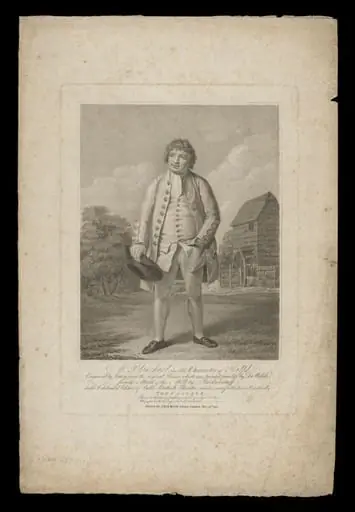 H Beard Print Collection
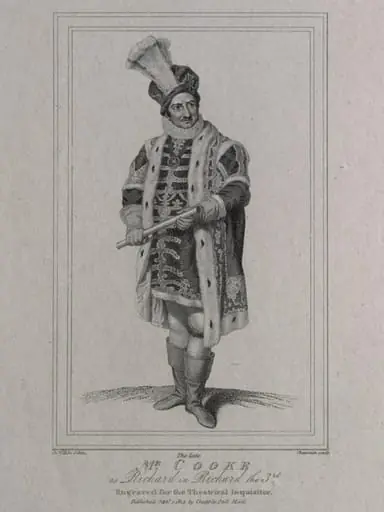 H Beard Print Collection
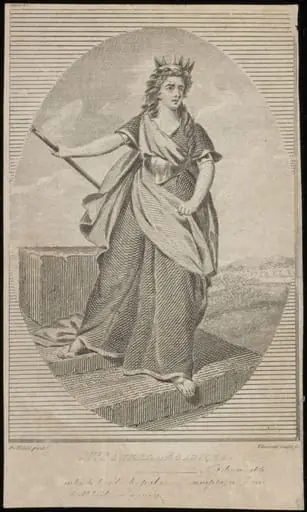 H Beard Print Collection
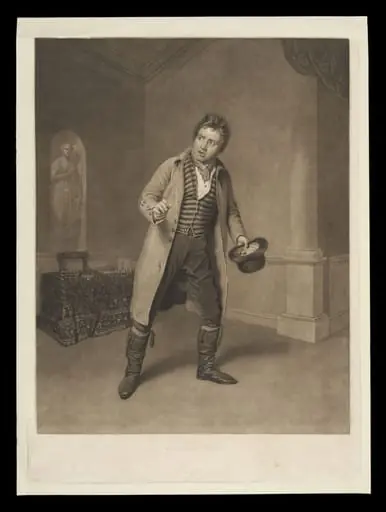 H Beard Print Collection
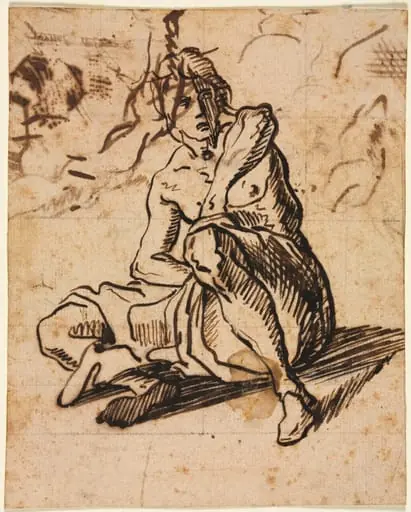 Seated Figure
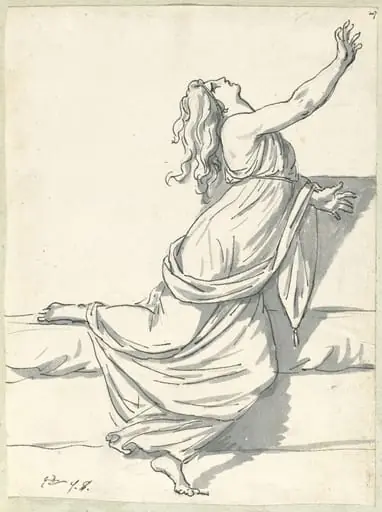 A Distraught Woman with Her Head Thrown Back
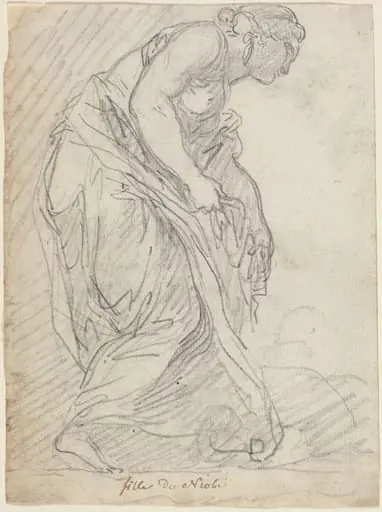 One of Niobe's Daughters
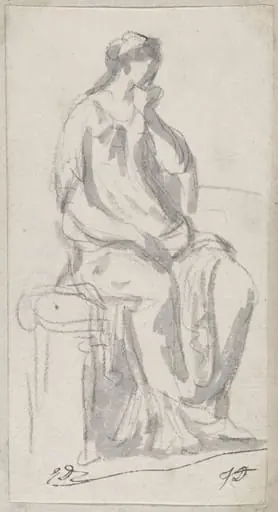 Classical Sculpture of a Pensive Woman
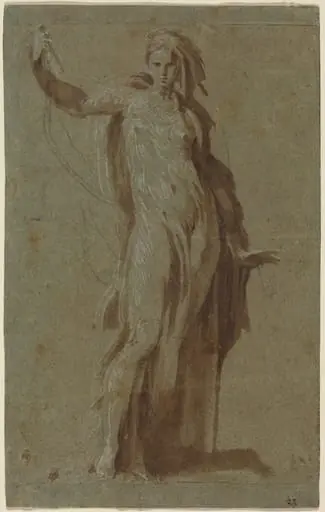 Standing Woman Holding a Scroll
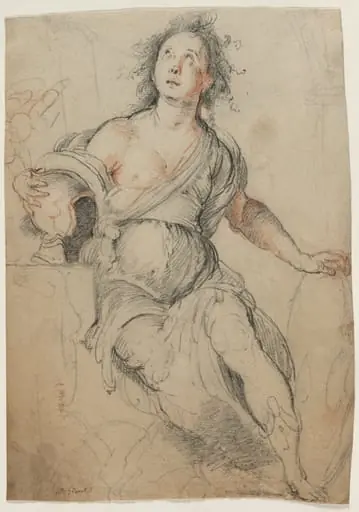 Allegorical Figure
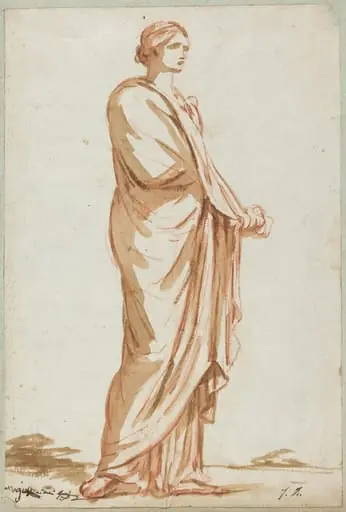 Roman Statue of a Standing Woman
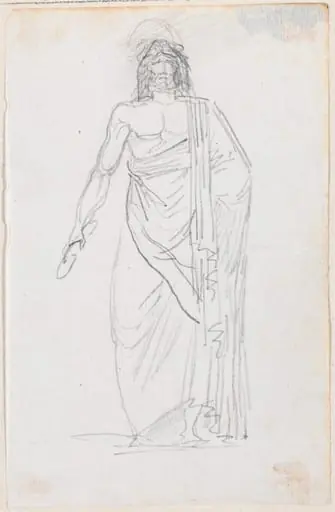 Statue of Zeus Holding a Thunderbolt
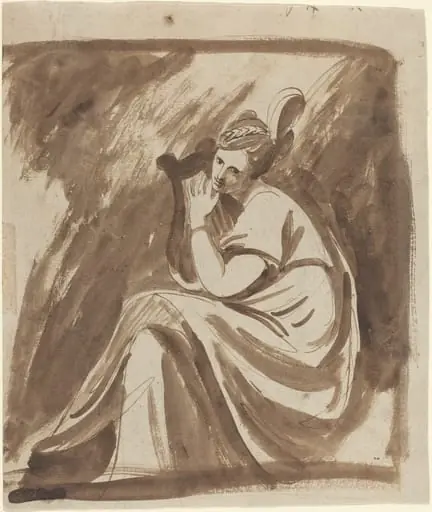 Lady Hamilton Playing a Lyre
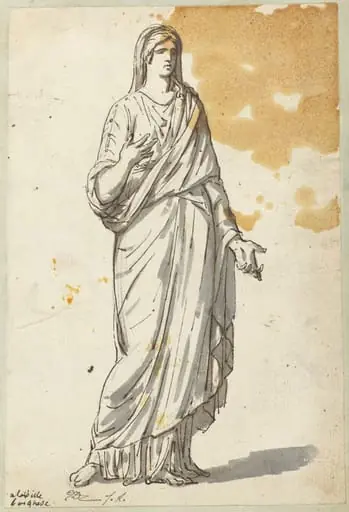 Woman from the Villa Borghese
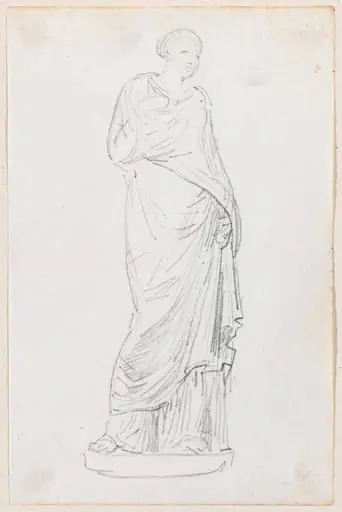 Statue of a Female in a Toga
 Faustine