Artwork
The Engraver Joseph Tourny (Le graveur Joseph Tourny)
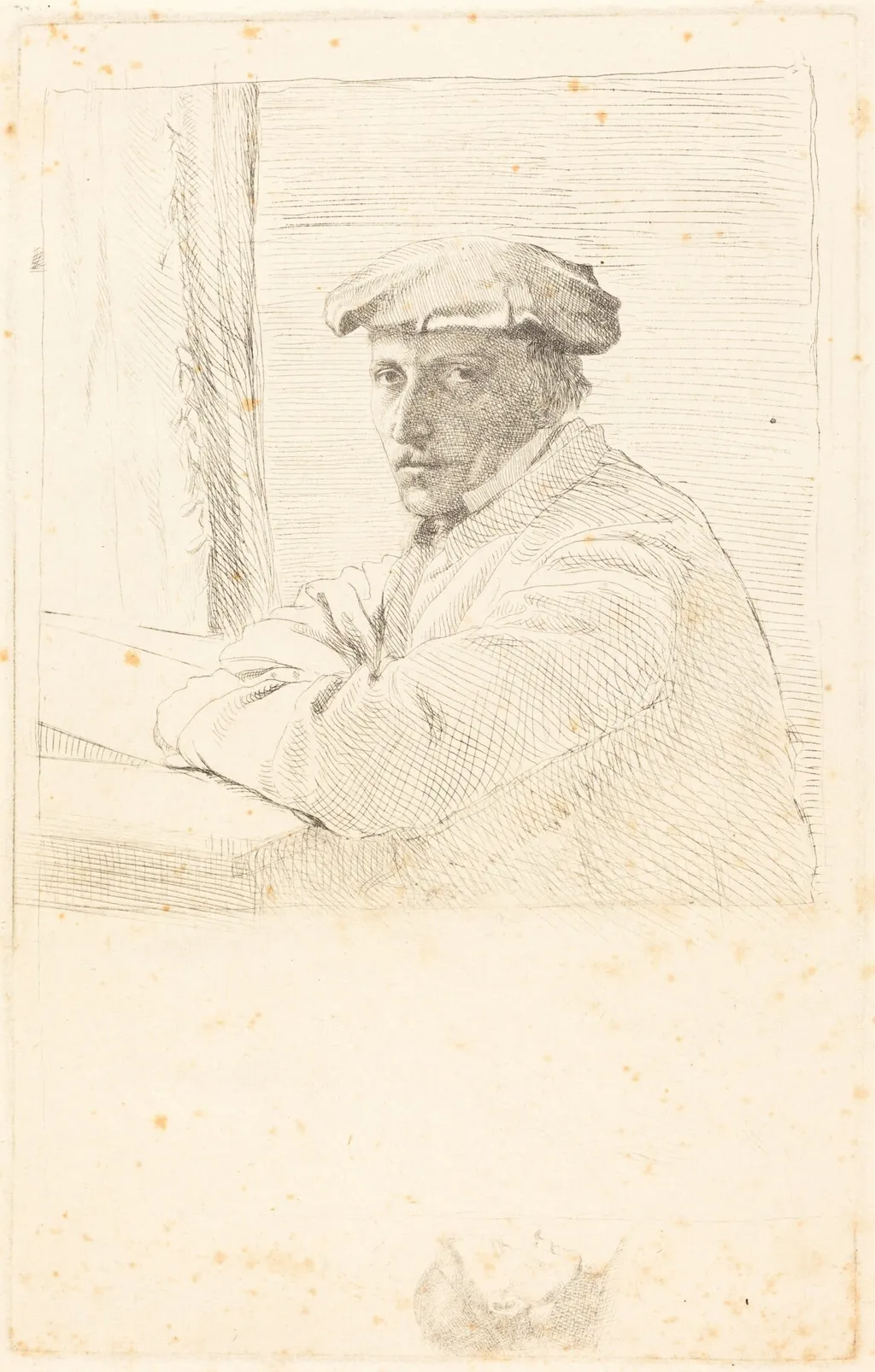
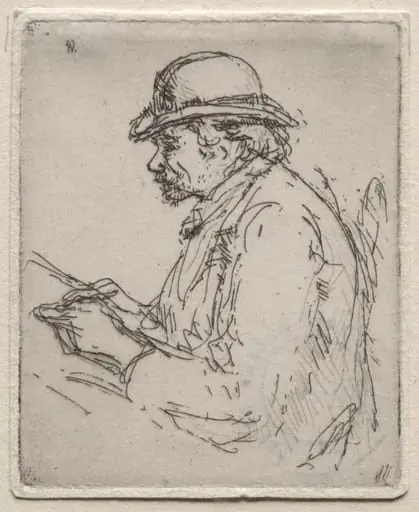
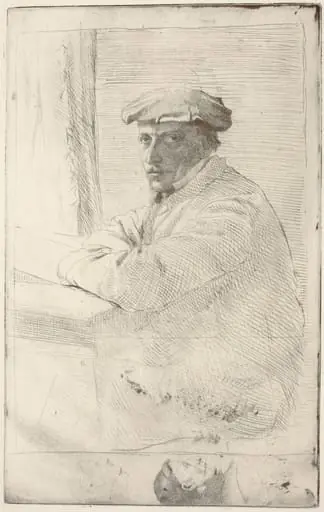
The Engraver Joseph Tourny (Le graveur Joseph Tourny) is an ink print by the Impressionist artist Edgar Degas. It dates from 1857 and is held in the collection of the National Gallery of Art.
About this work
Overview
Created in 1857, *The Engraver Joseph Tourny* is an etching by Edgar Degas on wove paper. Though often linked to Impressionism, Degas identified more closely with realism. This print belongs to his early exploration of printmaking, a medium he pursued alongside painting and drawing. It captures a moment of stillness, focusing on a single figure in a quiet, unadorned setting.
Subject & Meaning
Degas, interested in the lives of artisans, portrays Tourny not as a celebrity but as a quiet craftsman, emphasizing dignity in labor.
The portrait depicts Joseph Tourny, a professional engraver, seated with hands clasped, dressed in a beret and loose jacket. His expression is subdued, suggesting introspection rather than performance. Degas, interested in the lives of artisans, portrays Tourny not as a celebrity but as a quiet craftsman, emphasizing dignity in labor. The absence of tools or workspace shifts focus to the man’s presence and inner state.
Technique & Style
Degas employed fine, controlled lines in etching to render texture and form with precision. The fabric of Tourny’s jacket, the grain of the table, and the soft contours of his face are rendered with subtle tonal variation. The background is deliberately sparse, isolating the figure and enhancing the sense of solitude. The composition avoids theatricality, favoring quiet realism over dramatic effect.
History & Provenance
This print was made during Degas’s formative years, before his mature Impressionist works. It reflects his early interest in depicting working-class subjects and the mechanics of artistic labor. While not widely exhibited at the time, it remains part of his broader printmaking output, documented in major collections and scholarly studies of his graphic work.
Context
In mid-19th century France, printmaking was gaining renewed attention as a vehicle for artistic expression beyond reproduction. Degas joined a generation of artists exploring etching to capture everyday life with intimacy. His choice to portray an engraver—a fellow maker of images—hints at a self-reflective engagement with the nature of artistic creation.
Legacy
Though less known than his later ballet or horse paintings, this etching exemplifies Degas’s early commitment to realism and his sensitivity to the quiet dignity of labor. It stands as a testament to his technical discipline in printmaking and his consistent interest in the individuality of his subjects, influencing later generations of printmakers focused on psychological depth.
Artist & collection
Artist
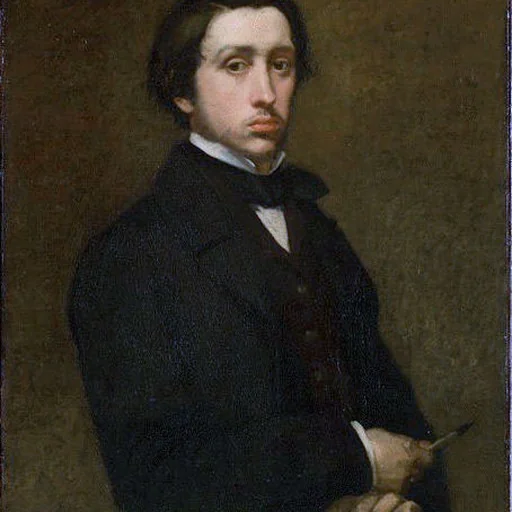
Born Hilaire-Germain-Edgar De Gas on 19 July 1834 in Paris, Edgar Degas came from an affluent banking family with aristocratic roots and spent his childhood among the cultivated circles of the French capital.

 Paris: Café Artist
 Portrait of an artist
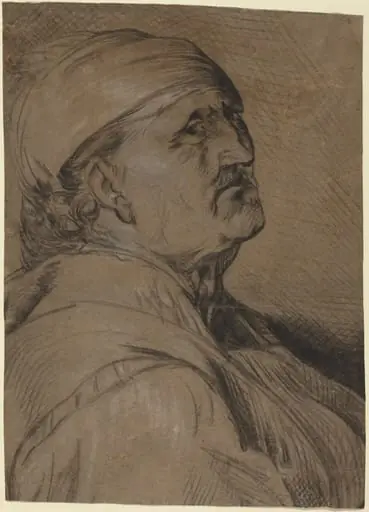 Head of an Old Man
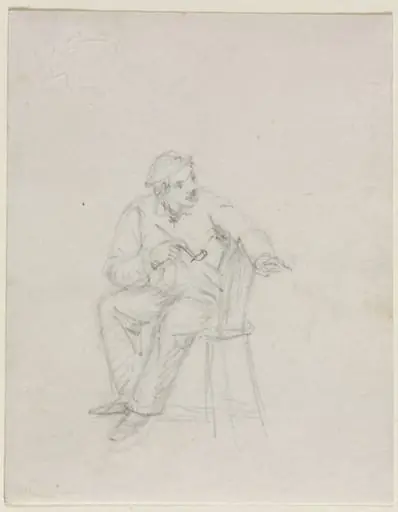 Man Smoking a Pipe
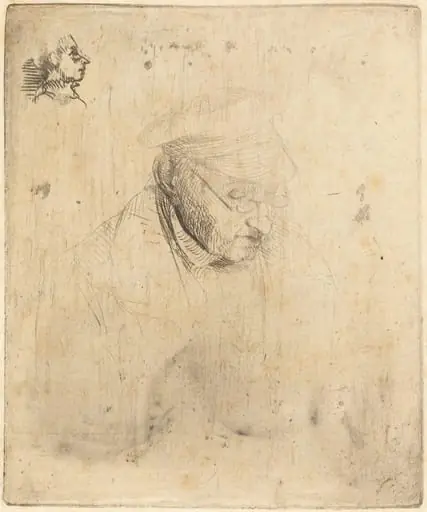 René-Hilaire de Gas, Grandfather of the Artist
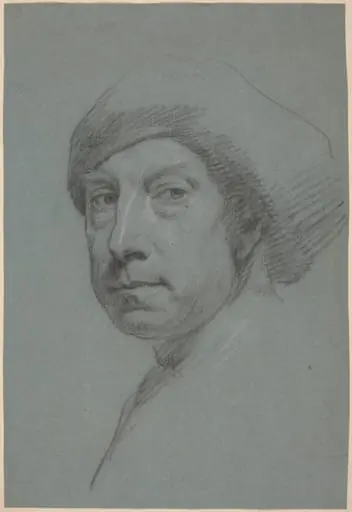 Self-Portrait Wearing a Turban
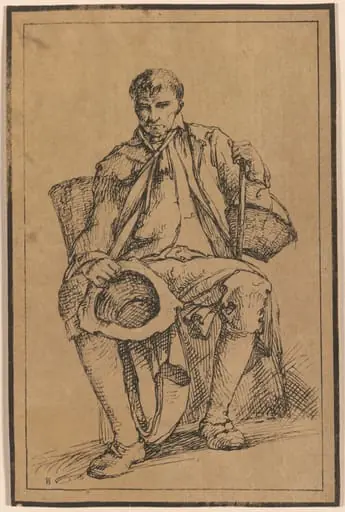 Forty Lithographic Impressions from Drawings of Landscape Scenery by Thomas Barker, Selected from His Studies of Rustic Figures after Nature: Seated Man with Baskets Holding Hat and Walking Stick
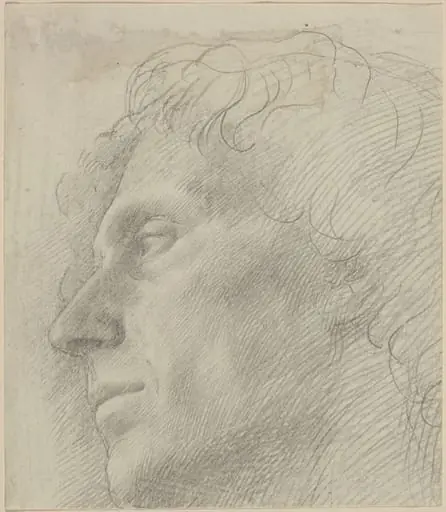 Head of a Man Facing Left
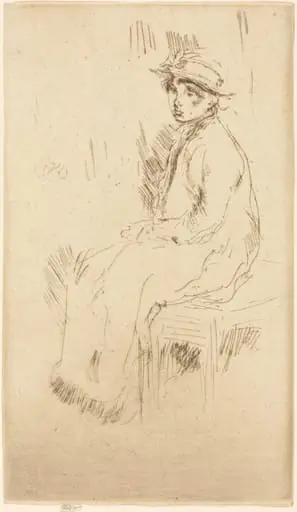 Nora Quinn
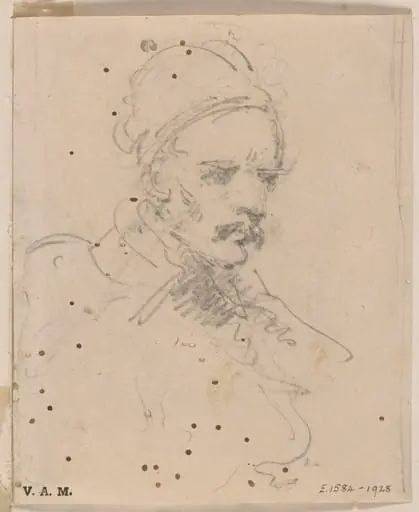 A moustachio'd man
 The Engraver Joseph Tourny (Le graveur Joseph Tourny)
 Stéphane Mallarmé, No. 2