Artwork
Stéphane Mallarmé, No. 2
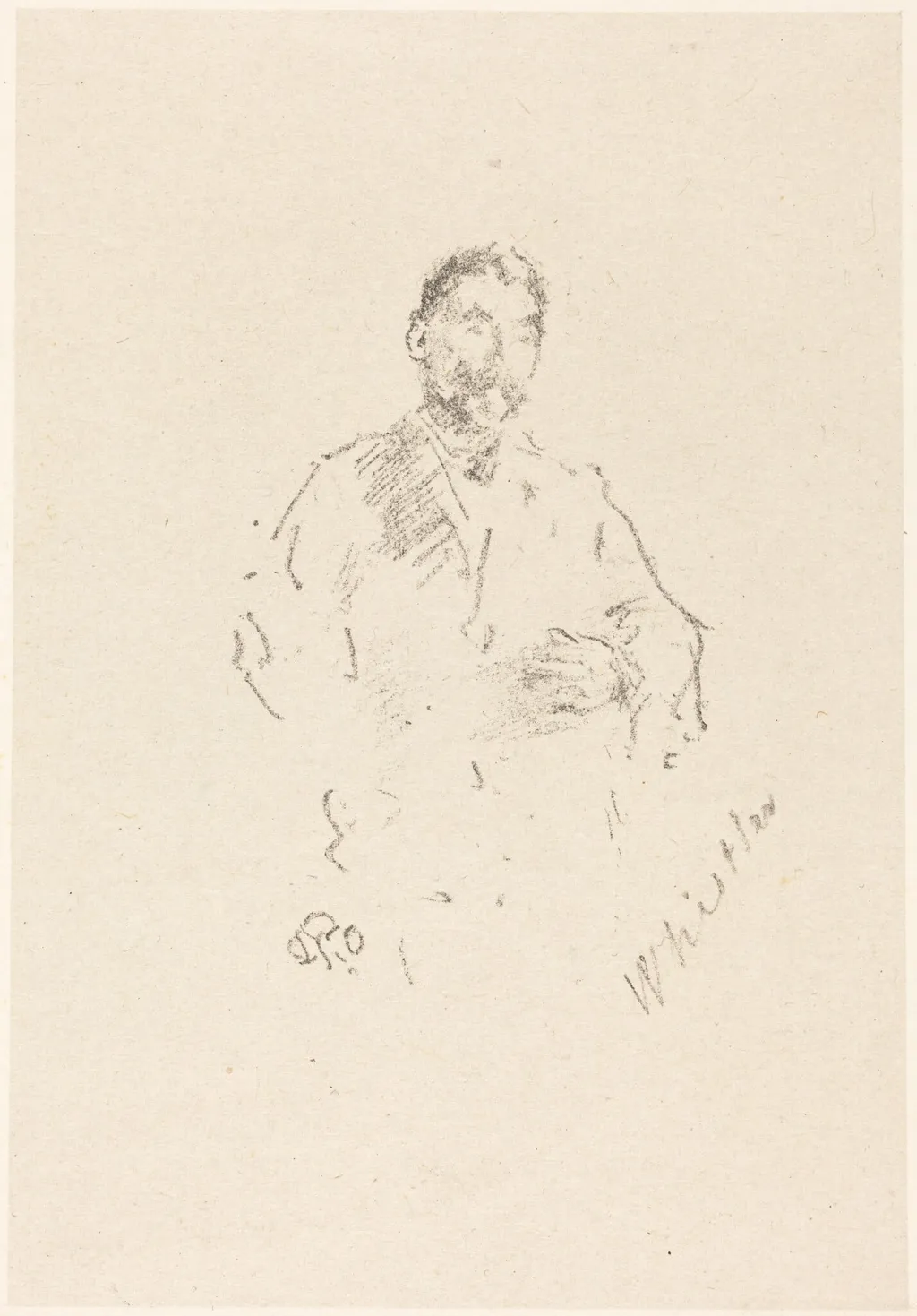
Stéphane Mallarmé, No. 2 is an ink print by the Impressionist artist James McNeill Whistler. It dates from 1892 and is held in the collection of the National Gallery of Art.
About this work
Overview
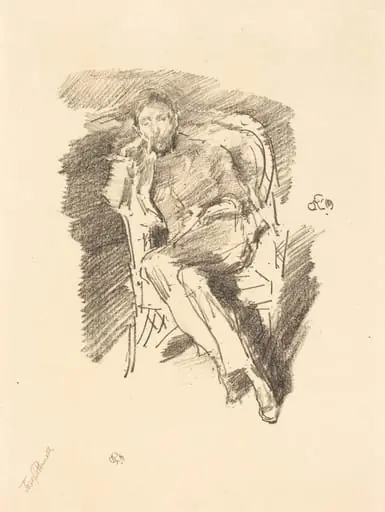
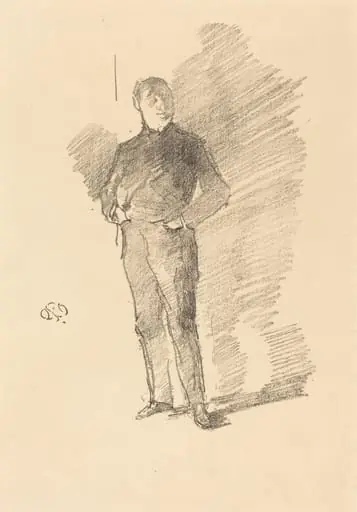
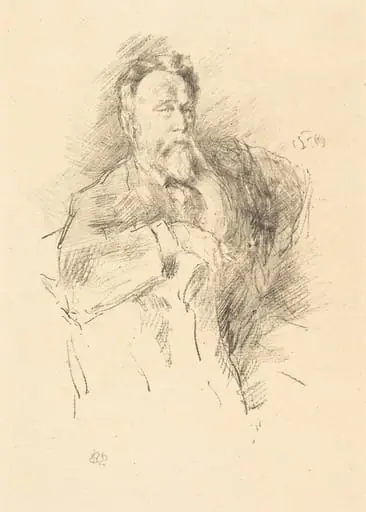
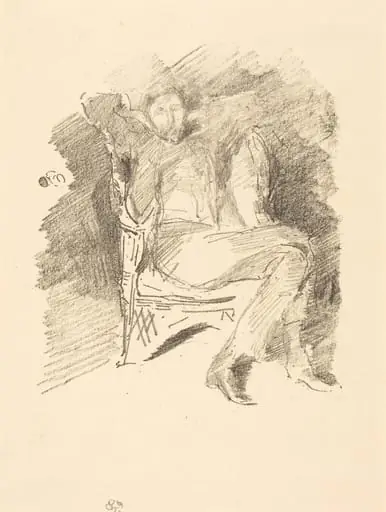
James McNeill Whistler’s 1892 lithograph *Stéphane Mallarmé, No. 2* presents a stark, monochrome portrait of the French Symbolist poet. Executed in black ink on wove paper with a chine collé backing, the image captures Mallard in a seated pose, his hands resting on his knees, rendered with swift, gestural lines that convey immediacy rather than finish.
Subject & Meaning
The work depicts Stéphane Mallarmé, a leading figure of Symbolist poetry, whose literary pursuits resonated with Whistler’s own advocacy of aesthetic autonomy. By focusing on the poet’s solemn expression and relaxed posture, the print underscores a contemplative mood, aligning the visual with Mallarmé’s reputation for intellectual depth.
Technique & Style
Whistler employed a straightforward lithographic process, limiting the composition to black lines without tonal shading. The paper’s light, slightly yellowed surface, combined with a chine collé layer, adds subtle texture. The rapid, sketch‑like quality of the drawing reflects the artist’s intent to capture a fleeting impression rather than a polished likeness.
History & Provenance
Created during Whistler’s mature period while he was residing in London, the lithograph forms part of a series of portrait studies Whistler produced of contemporary cultural figures. Though primarily known for oils and watercolors, Whistler’s print work from the 1890s illustrates his engagement with the “art for art’s sake” ethos that defined his later career.
Context
The portrait emerged amid the late‑19th‑century dialogue between visual art and Symbolist literature, both movements emphasizing mood over narrative. Whistler’s emphasis on aesthetic refinement, rather than moral or storytelling content, mirrors the broader aestheticist currents influencing British and French artistic circles at the time.
Legacy
*Stéphane Mallarmé, No. 2* exemplifies Whistler’s ability to translate literary sensibility into visual form through minimal means. The work remains a reference point for studies of cross‑disciplinary influence between poetry and printmaking, illustrating how a brief, unembellished image can convey the intellectual stature of its subject.
Artist & collection
Artist
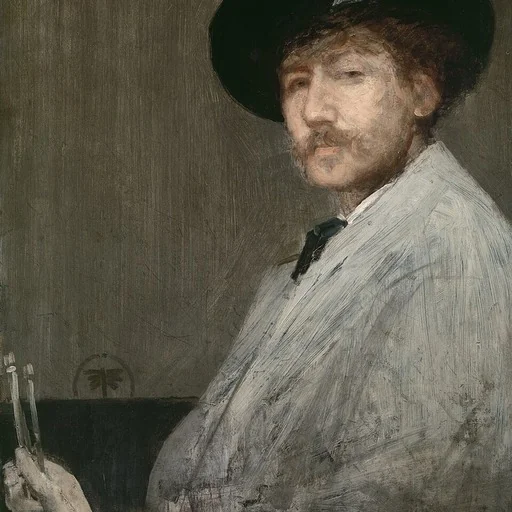
James Abbott McNeill Whistler was an American painter in oils and watercolor, and printmaker, active during the American Gilded Age and based primarily in the United Kingdom.

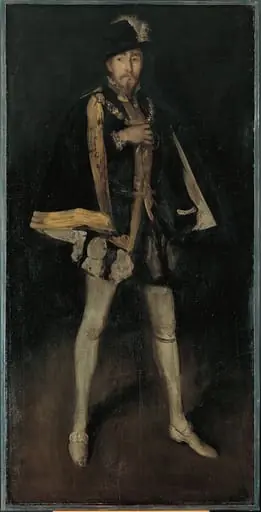 Arrangement in Black, No. 3: Sir Henry Irving as Philip II of Spain
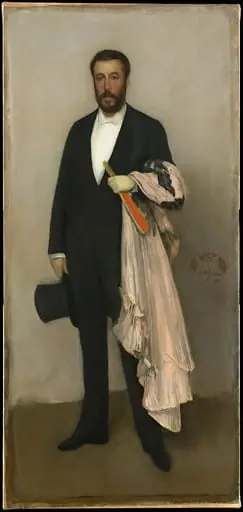 Arrangement in Flesh Colour and Black: Portrait of Theodore Duret
 Gold and Brown: Self-Portrait
 Edward Guthrie Kennedy
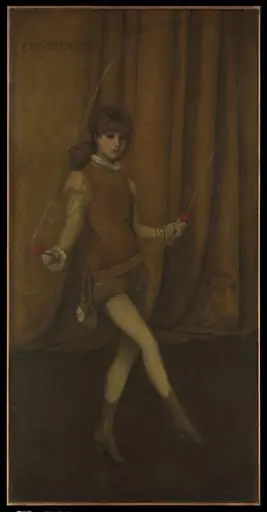 Harmony in Yellow and Gold: The Gold Girl—Connie Gilchrist
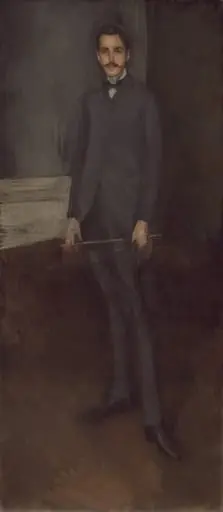 George W. Vanderbilt
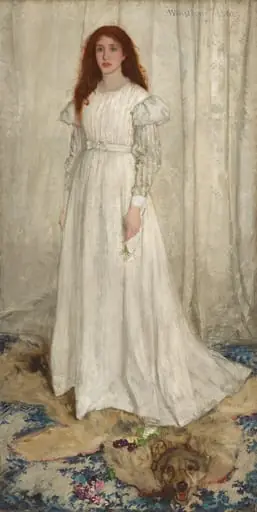 Symphony in White, No. 1: The White Girl
 Henry Irving as Philip II of Spain