Artwork
Portrait of an artist
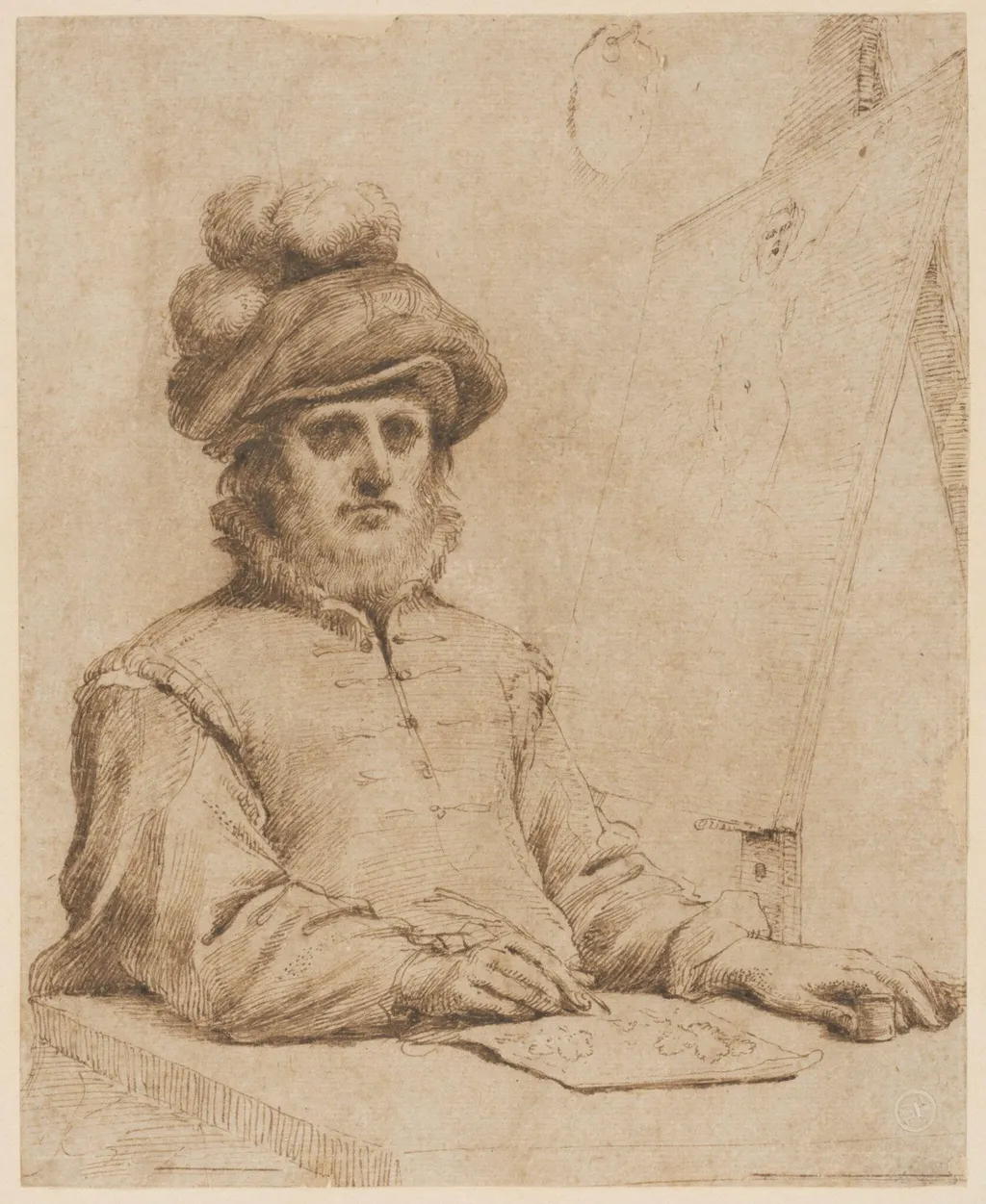
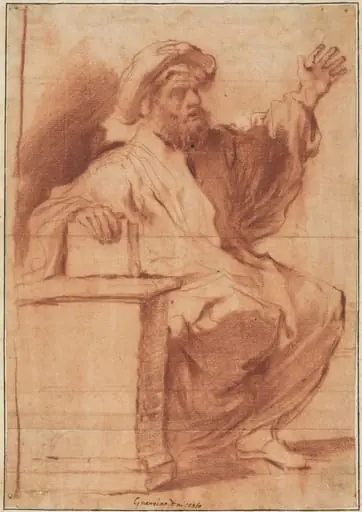
Portrait of an artist is a drawing by the Baroque artist Guercino. It dates from 1600 and is held in the collection of the Victoria and Albert Museum.
About this work
Overview
The scene is not a formal portrait but a spontaneous study, capturing the artist mid-creation, surrounded by faint, unfinished landscape outlines.
This ink drawing, created by Guercino circa 1600, portrays a bearded artist in a moment of quiet concentration. Seated with legs crossed and hands resting on his knees, the figure wears a broad-brimmed hat and a loosely draped shirt. The scene is not a formal portrait but a spontaneous study, capturing the artist mid-creation, surrounded by faint, unfinished landscape outlines. The work reflects the practice of rapid observational sketching common among Italian draftsmen of the period.
Subject & Meaning
The subject is an artist engaged in his own craft, suggesting a self-reflective or meta-artistic theme. By depicting the artist drawing a landscape, Guercino emphasizes the act of creation itself rather than the finished product. The figure’s relaxed posture and unidealized appearance convey authenticity, positioning the artist not as a hero but as a working individual immersed in the quiet discipline of observation and manual skill.
Technique & Style
Guercino employs swift, confident pen strokes to define form and texture. Cross-hatching and varied line weight model the folds of the hat and the drapery of the shirt, lending a sense of volume without heavy shading. The background is suggested through minimal, ghosted outlines—barely more than hints of architecture—allowing the figure to dominate. This approach prioritizes immediacy and expressive economy, typical of preparatory drawings meant to record presence and gesture.
History & Provenance
Created around 1600 during Guercino’s early career in Emilia-Romagna, the drawing likely served as a personal study or a demonstration of draftsmanship. It remained in private collections for centuries before entering a public institution. Its survival is notable, as many such sketches were discarded or reused. The work’s attribution to Guercino is supported by stylistic parallels in his known drawings and his documented interest in depicting artists at work.
Context
In early 17th-century Italy, drawing was central to artistic training and professional identity. Artists frequently sketched colleagues or themselves to explore composition, expression, and technique. Guercino’s depiction aligns with a broader trend of self-referential imagery among draftsmen, who used such studies to assert their intellectual and manual authority. This drawing reflects a culture where the act of drawing was as valued as the final painting.
Legacy
The drawing endures as a quiet testament to the artist’s daily practice. It influenced later generations who valued the honesty of preparatory work over polished finishes. While not widely exhibited, it is cited in scholarly studies of Baroque draftsmanship as an example of how personal, unembellished sketches could capture the essence of creative labor. Its modest scale and directness continue to resonate with those interested in the raw process behind art-making.
Artist & collection
Artist
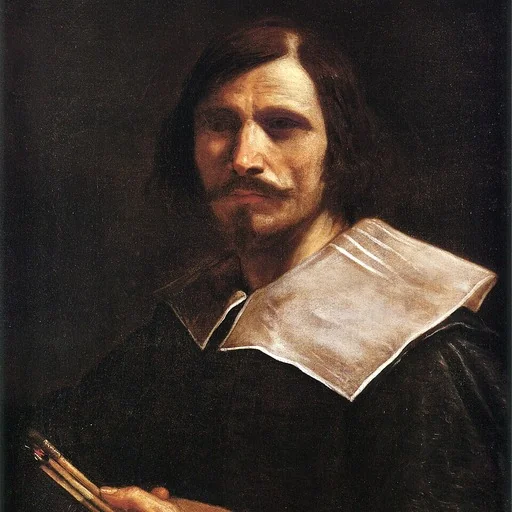
Giovanni Francesco Barbieri (8 February 1591 – 22 December 1666), better known as (il) Guercino (Italian pronunciation: ), was an Italian Baroque painter and draftsman from Cento in the Emilia region, who was active in Rome and Bologna.

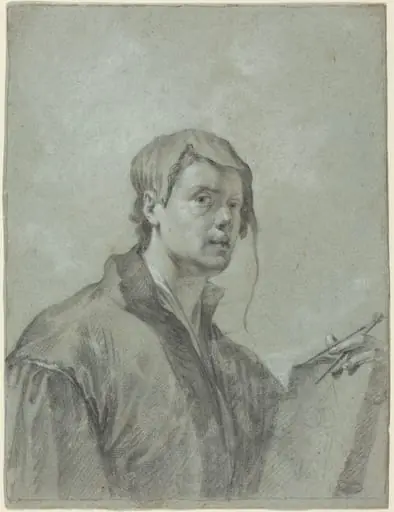 Self Portrait of Willem Drost
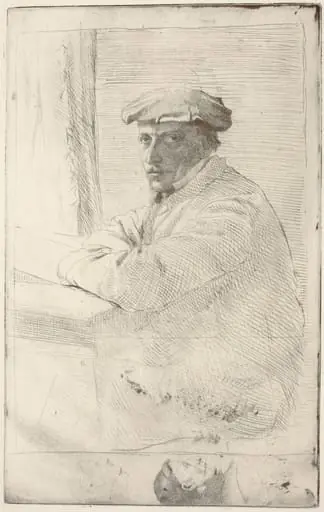 The Engraver Joseph Tourny (Le graveur Joseph Tourny)
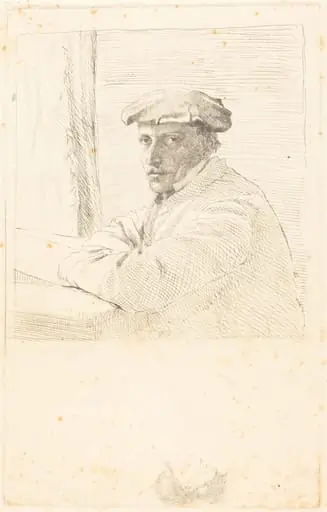 The Engraver Joseph Tourny (Le graveur Joseph Tourny)
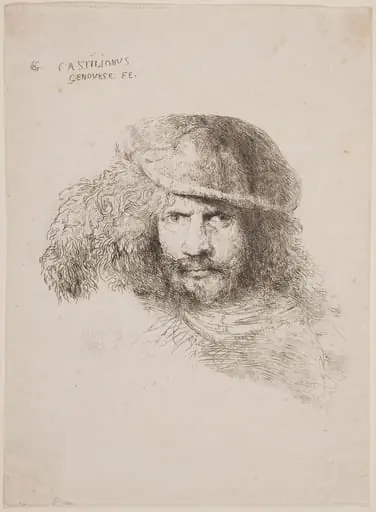 Head of a Young Man in a Feathered Hat (so-called Self-Portrait)
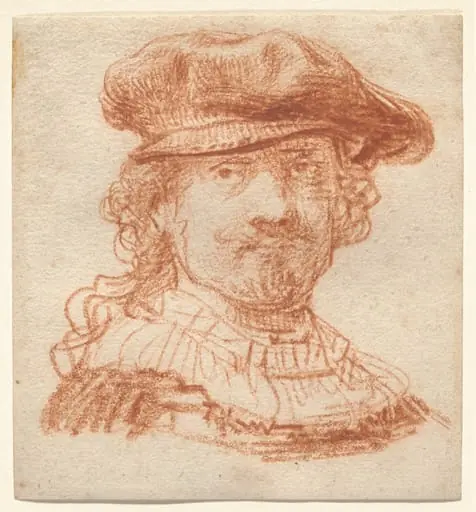 Self-Portrait
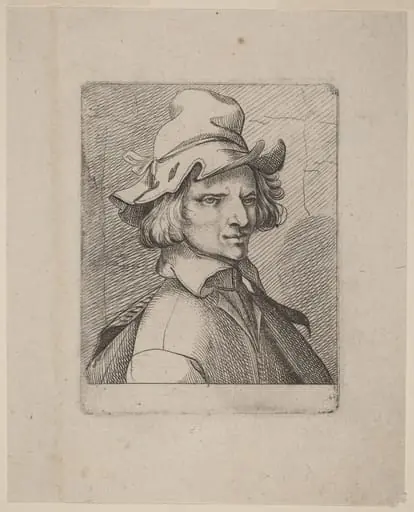 Self-Portrait
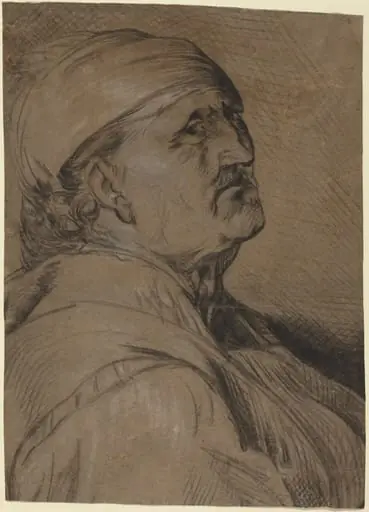 Head of an Old Man
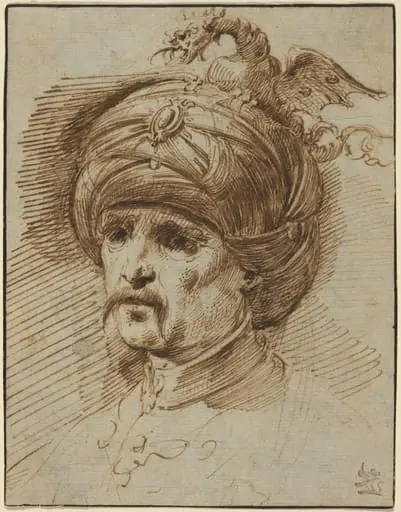 Oriental in a Fantastic Headdress
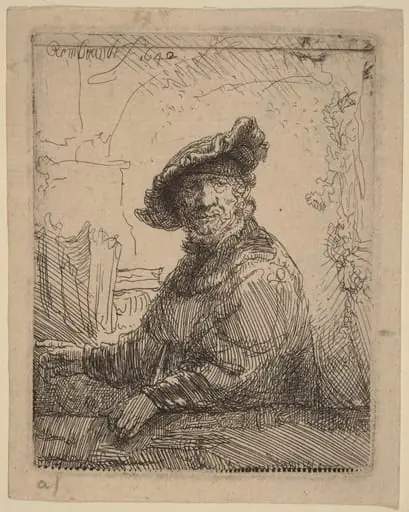 Man in an Arbor
![Self-Portrait(?), Wearing a Plumed Cap ["Portrait of Bernini"], by Giovanni Benedetto Castiglione](https://artifactworldgallery.com/img/giovanni-benedetto-castiglione--self-portrait-wearing-a-plumed-cap-portrait-of-bernini--4cf90707415539ae-w320.webp) Self-Portrait(?), Wearing a Plumed Cap ["Portrait of Bernini"]
Self-Portrait(?), Wearing a Plumed Cap ["Portrait of Bernini"]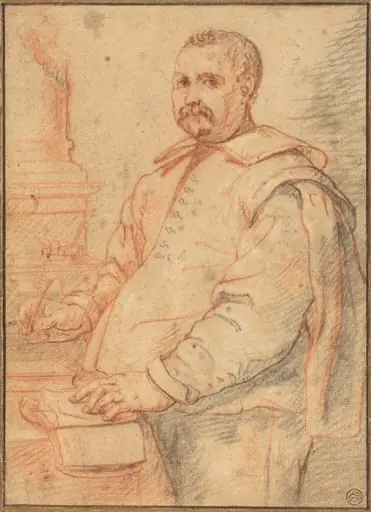 A Scholar Writing
 Seated Prophet