Artwork
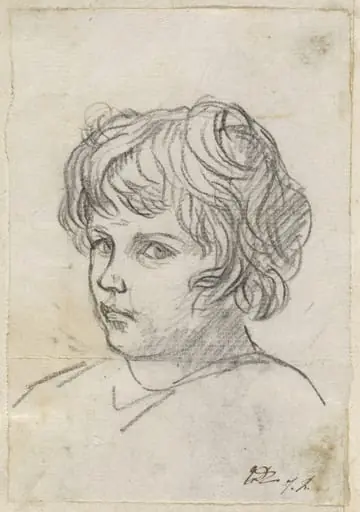
Portrait of a Child
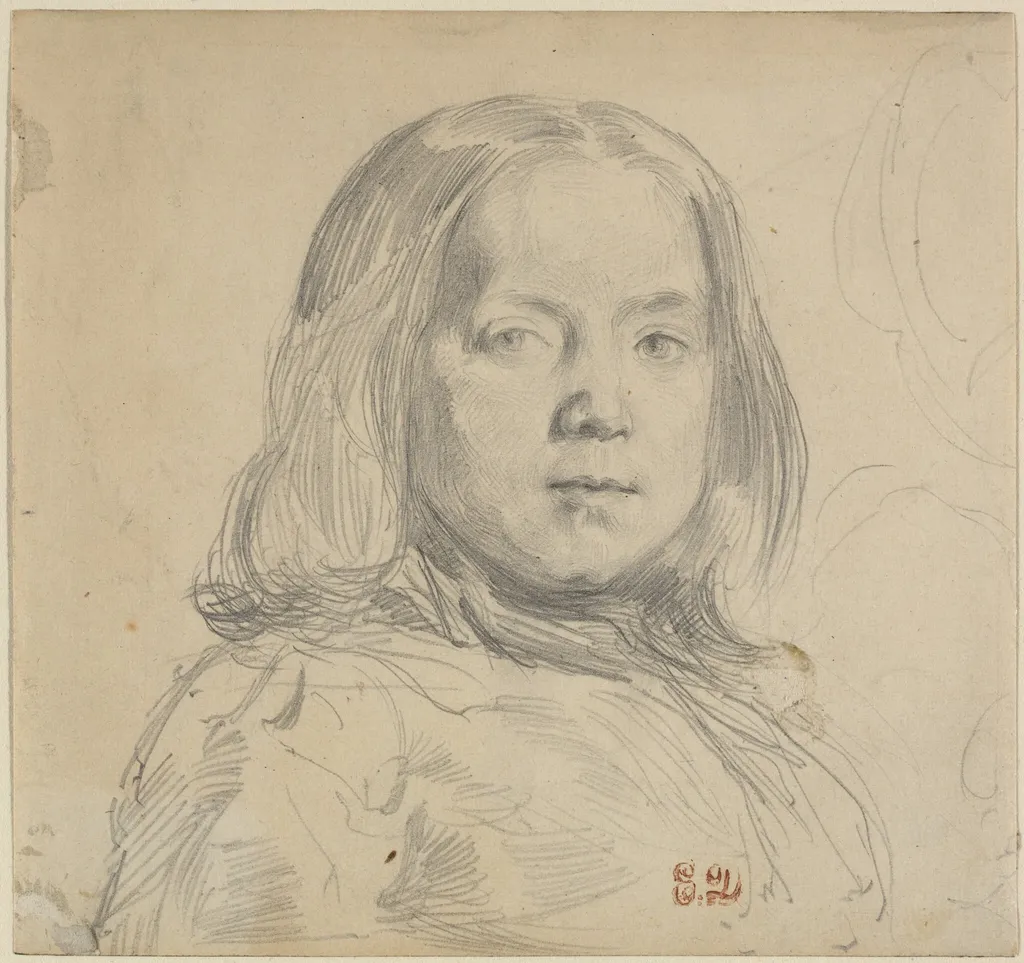
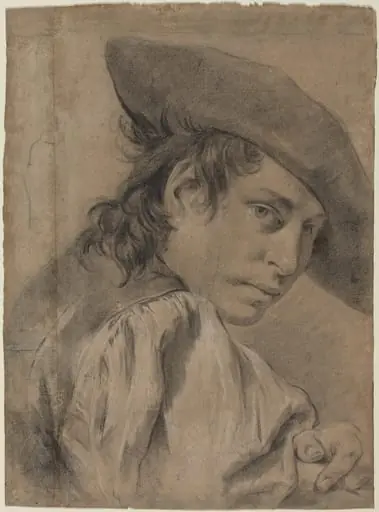
Portrait of a Child is a graphite drawing by the Romanticist artist Eugène Delacroix. It dates from 1830 and is held in the collection of the National Gallery of Art.
About this work
Overview
Unlike his large-scale historical paintings, this intimate work reveals a more personal side of the artist’s practice.
Executed in 1830, this graphite drawing by Eugène Delacroix captures a young child in a moment of quiet stillness. Unlike his large-scale historical paintings, this intimate work reveals a more personal side of the artist’s practice. Rendered with subtle tonal gradations and delicate line variation, the portrait emphasizes presence over narrative, reflecting Delacroix’s broader interest in emotional authenticity.
Subject & Meaning
The subject is a child, depicted from head to shoulders, gazing directly at the viewer with an expression that resists easy interpretation—neither joyful nor sorrowful, but composed and inward. The lack of contextual details focuses attention on the child’s demeanor, inviting contemplation of youth, innocence, or solitude. The neutrality of the gaze aligns with Romanticism’s preference for psychological depth over idealized sentiment.
Technique & Style
Delacroix employed graphite with remarkable sensitivity, using soft, flowing lines and nuanced shading to model the child’s features. The hair is rendered in fine, parallel strokes, while the face emerges through gentle transitions of tone rather than sharp contours. This approach avoids academic rigidity, favoring a tactile, atmospheric quality that echoes the looseness of Venetian draftsmanship and Rubens’s expressive sketches.
History & Provenance
Created during a pivotal year in French history, the drawing likely originated as a private study or personal exercise rather than a commissioned work. Its survival suggests it was valued by the artist or his circle. The piece entered a public collection in the 20th century, where it now serves as a testament to Delacroix’s engagement with portraiture beyond his monumental canvases.
Context
In 1830, Delacroix was deepening his break from Neoclassical conventions, embracing emotion and spontaneity in art. While his contemporaries pursued historical grandeur, this drawing exemplifies a quieter, more introspective current within Romanticism. It reflects a broader 19th-century interest in the individual psyche, particularly the unguarded presence of children, a theme emerging in literature and visual art alike.
Legacy
Though lesser known than his color-rich oil paintings, this drawing illustrates Delacroix’s mastery of line and tone, influencing later artists who valued expressive draftsmanship. It stands as a quiet counterpoint to the drama of his public works, offering insight into his process and the personal observations that underpinned his larger artistic vision.
Artist & collection
Artist
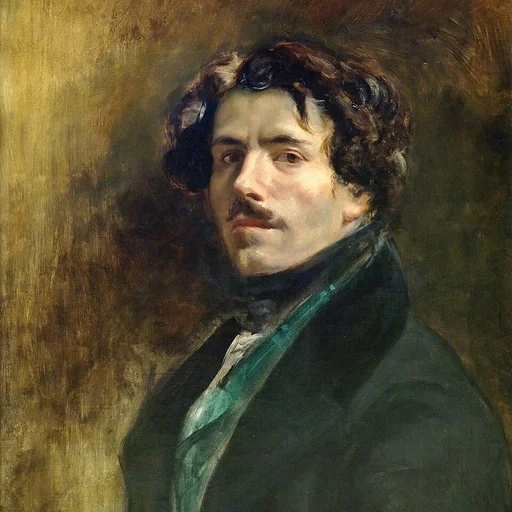
Ferdinand Victor Eugène Delacroix ( DEL-ə-krwah, -KRWAH; French: ; 26 April 1798 – 13 August 1863) was a French Romantic artist who was regarded as the leader of the French Romantic school.

 Head of a Boy
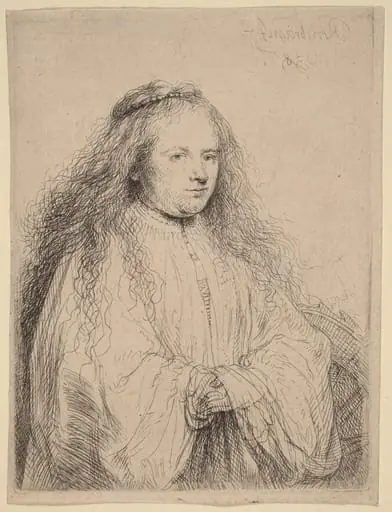 The Little Jewish Bride (Saskia as Saint Catherine)
![Head of a Young Man [recto], by Dutch 17th Century](https://artifactworldgallery.com/img/dutch-17th-century--head-of-a-young-man-recto--f3e12a86c43ae2a0-w320.webp) Head of a Young Man [recto]
Head of a Young Man [recto]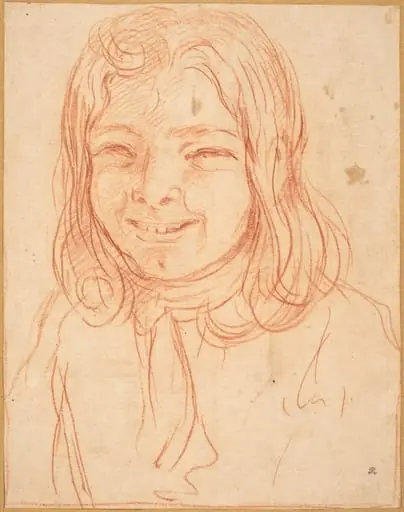 A Smiling Boy with Flowing Hair
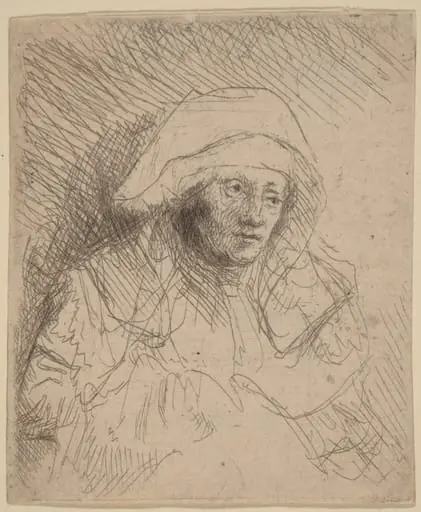 Sick Woman with a Large White Headdress (Saskia)
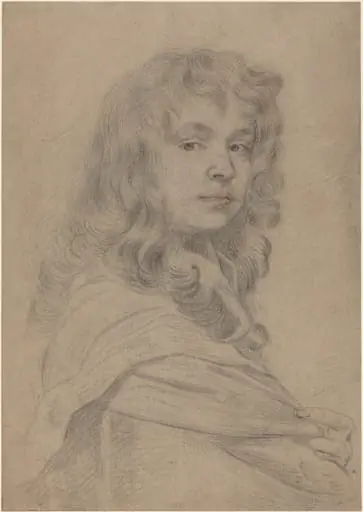 Self-Portrait
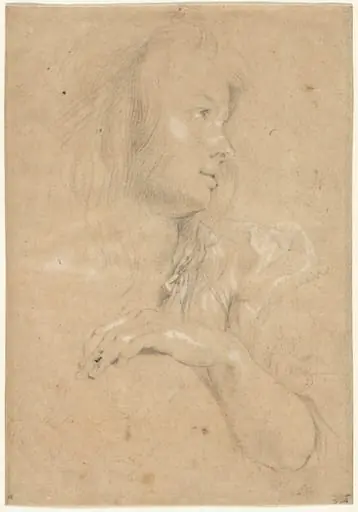 Young Woman in Profile
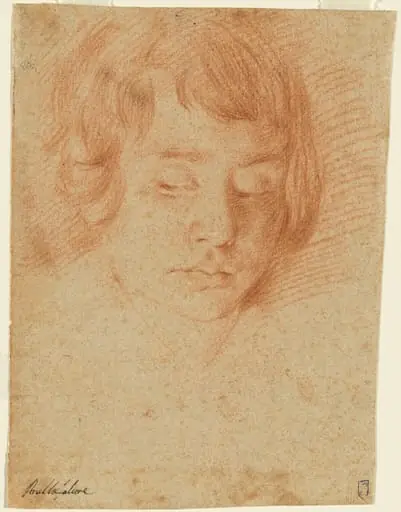 Head of a Boy (Gennaro Falcone?)
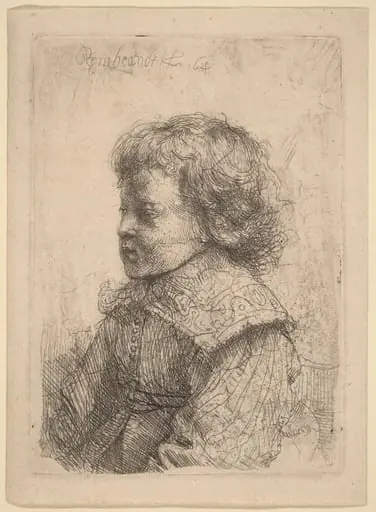 Portrait of a Boy in Profile
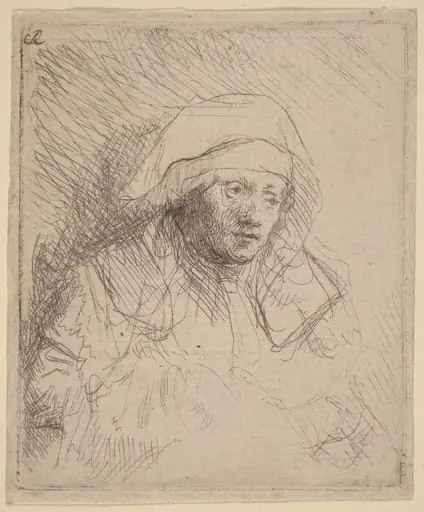 Sick Woman with a Large White Headdress (Saskia)
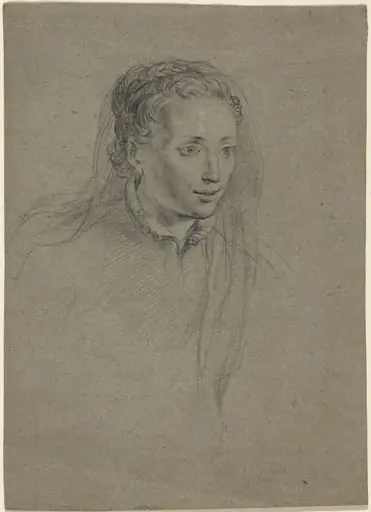 Young Woman with Braided Hair and a Veil
 A Young Man in a Broad Hat