Artwork
Domini Robert Episcopi Salisbury (Robert Abbot, Bishop of Salisbury)
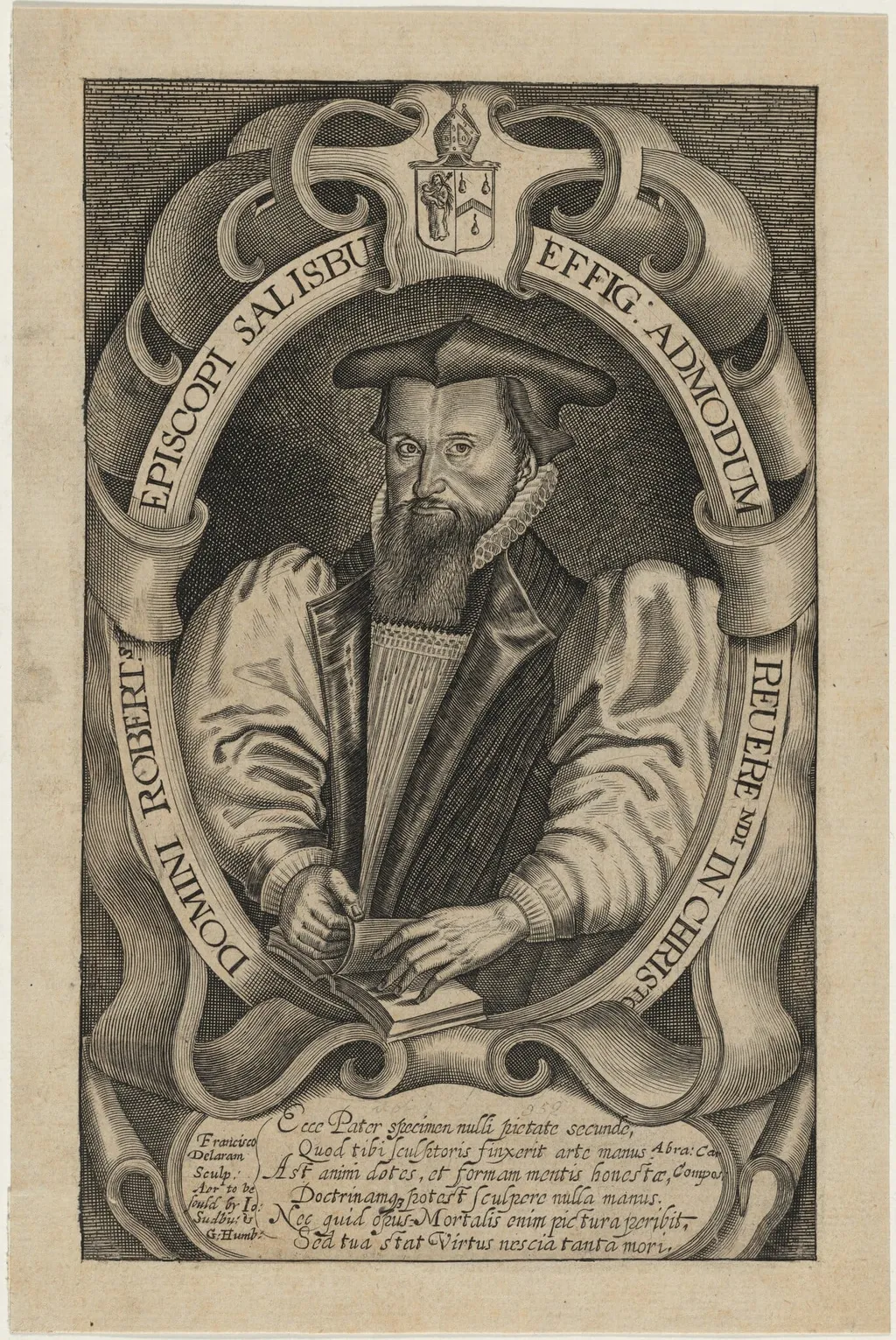
Domini Robert Episcopi Salisbury (Robert Abbot, Bishop of Salisbury) is an ink print by the Renaissance artist Francis Delaram. It dates from 1608 and is held in the collection of the National Gallery of Art.
About this work
Overview
The work was likely intended for inclusion in a religious or biographical publication, reflecting the period’s interest in documenting church leaders.
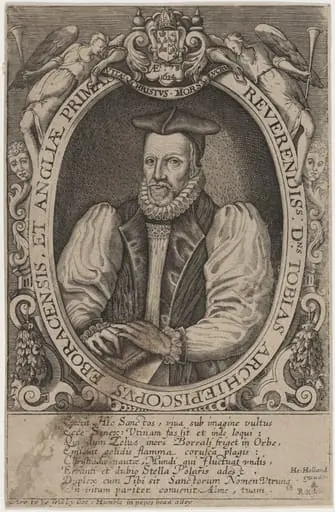
This 1608 engraving by Francis Delaram depicts Robert Abbot, Bishop of Salisbury, in formal ecclesiastical attire. Executed in fine linear detail, the portrait is a black-and-white print typical of early 17th-century English book illustration. Delaram, possibly of Flemish descent, was active in London and known for his precision in portraiture and decorative elements. The work was likely intended for inclusion in a religious or biographical publication, reflecting the period’s interest in documenting church leaders.
Subject & Meaning
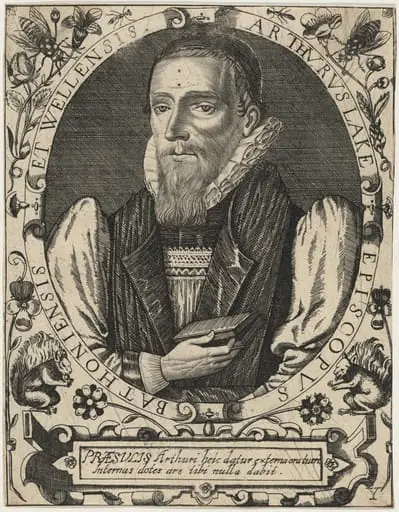
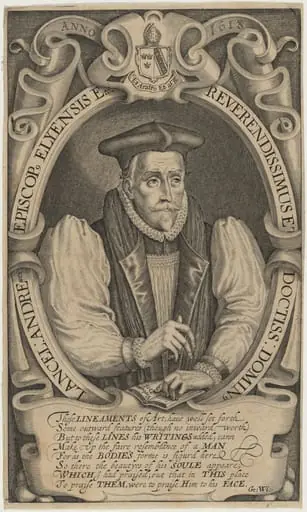
Robert Abbot, a prominent Anglican bishop and theologian, is portrayed with solemn dignity, emphasizing his scholarly and spiritual authority. He holds a book—likely a Bible or theological text—and rests a hand on a folded document, suggesting administrative or doctrinal responsibility. The Latin banner above his head functions as an honorific inscription, reinforcing his ecclesiastical rank. The composition avoids overt symbolism, instead conveying gravitas through posture, attire, and expression.
Technique & Style
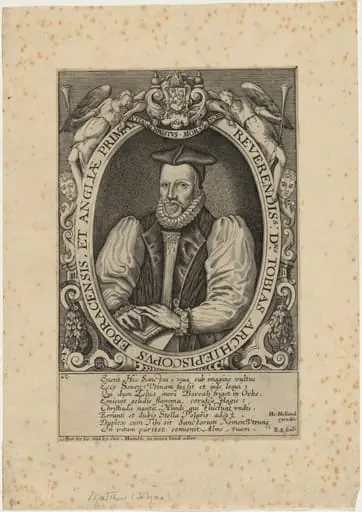
Delaram employed fine, controlled engraving lines to render texture in the bishop’s beard, robes, and skin, using cross-hatching for subtle shading. Decorative cherubs with musical instruments flank the upper edges, a motif derived from Flemish print traditions. The background lacks depth and detail, indicating a focus on the figure rather than environment. The artist’s signature, discreetly placed at the base, follows contemporary conventions for print attribution.
History & Provenance
Created in 1608, the engraving emerged during a period of heightened interest in documenting Anglican clergy following the Reformation. Delaram, active in London between 1615 and 1627, may have produced this work slightly before his documented career, suggesting early professional activity. It likely circulated in theological circles or as part of a printed collection of bishops’ portraits, though its original publication context remains unconfirmed.
Context
This portrait reflects the broader trend in Jacobean England of using engraved images to legitimize religious authority. Similar prints appeared in devotional texts and biographical compendiums, often influenced by continental techniques. Delaram’s stylistic nods to Flemish artists like Cornelis Boel align with the transnational exchange of printmaking methods, even as English subjects retained local ecclesiastical conventions.
Legacy
Though not widely reproduced today, the engraving exemplifies the quiet precision of early Jacobean portraiture. Delaram’s work contributed to the development of English print culture, bridging continental techniques with domestic religious imagery. Its modest scale and restrained aesthetics reflect the period’s preference for dignified representation over theatricality, influencing later ecclesiastical portraiture in print form.
Artist & collection
Artist
Francis Delaram (born around 1590, fl. 1615–1624 or 1627), was an English engraver. Delaram left a substantial collection of engraved portraits, landscapes and book illustrations (specifically, William Camden's…

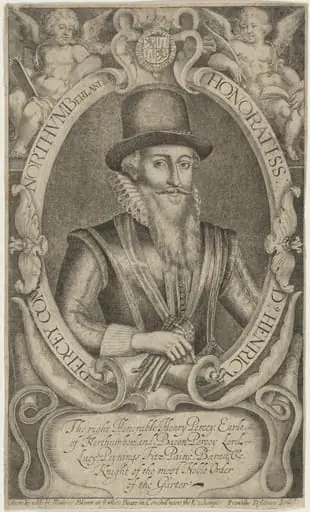 Henricus Percye (Henry Percy, Ninth Earl of Northumberland)
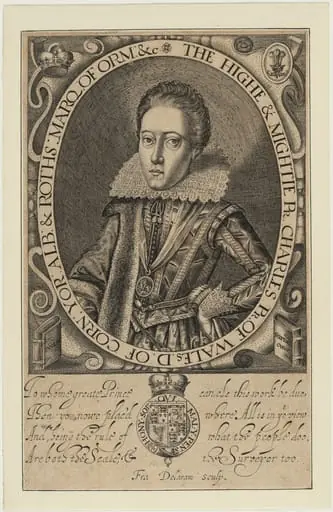 Charles I, as Prince of Wales
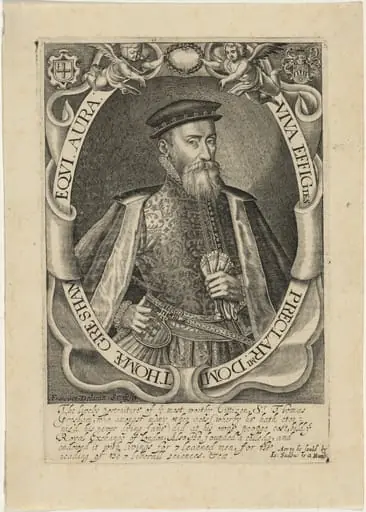 Sir Thomas Grisham
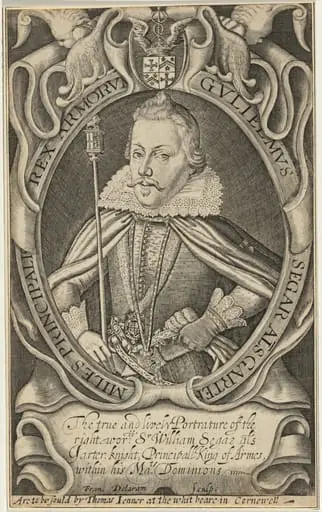 Guliemus Segar (Sir William Segar)
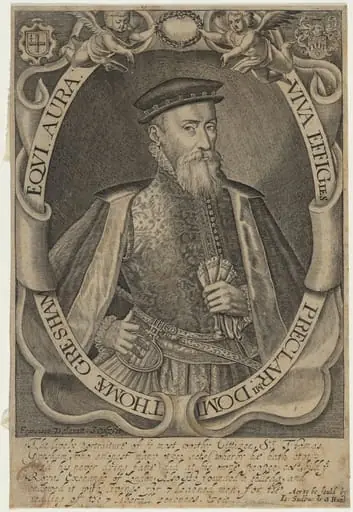 Thomae Gresham Equi. Aura (Sir Thomas Gresham)
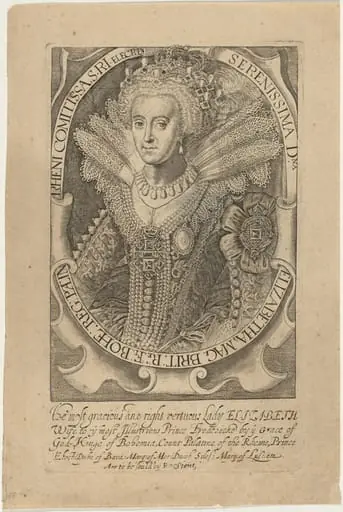 Elizabeth, Queen of Bohemia
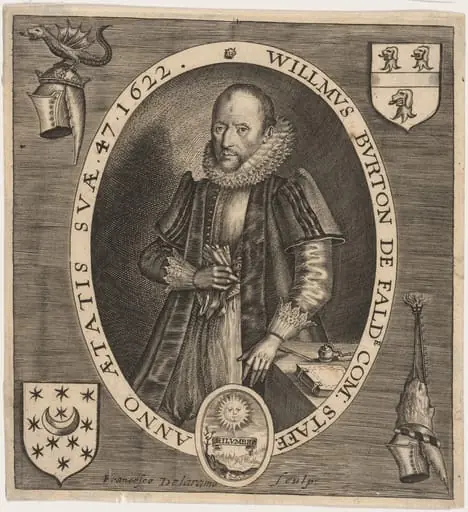 Willmus Burton de Falde (William Burton)
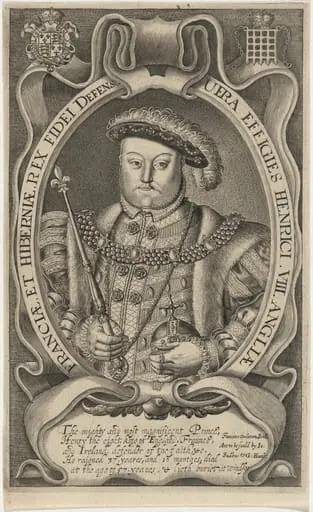 Henrici VIII Angliae, Franciae et Hiberniam Rex (King Henry VIII)