Artwork
Guliemus Segar (Sir William Segar)
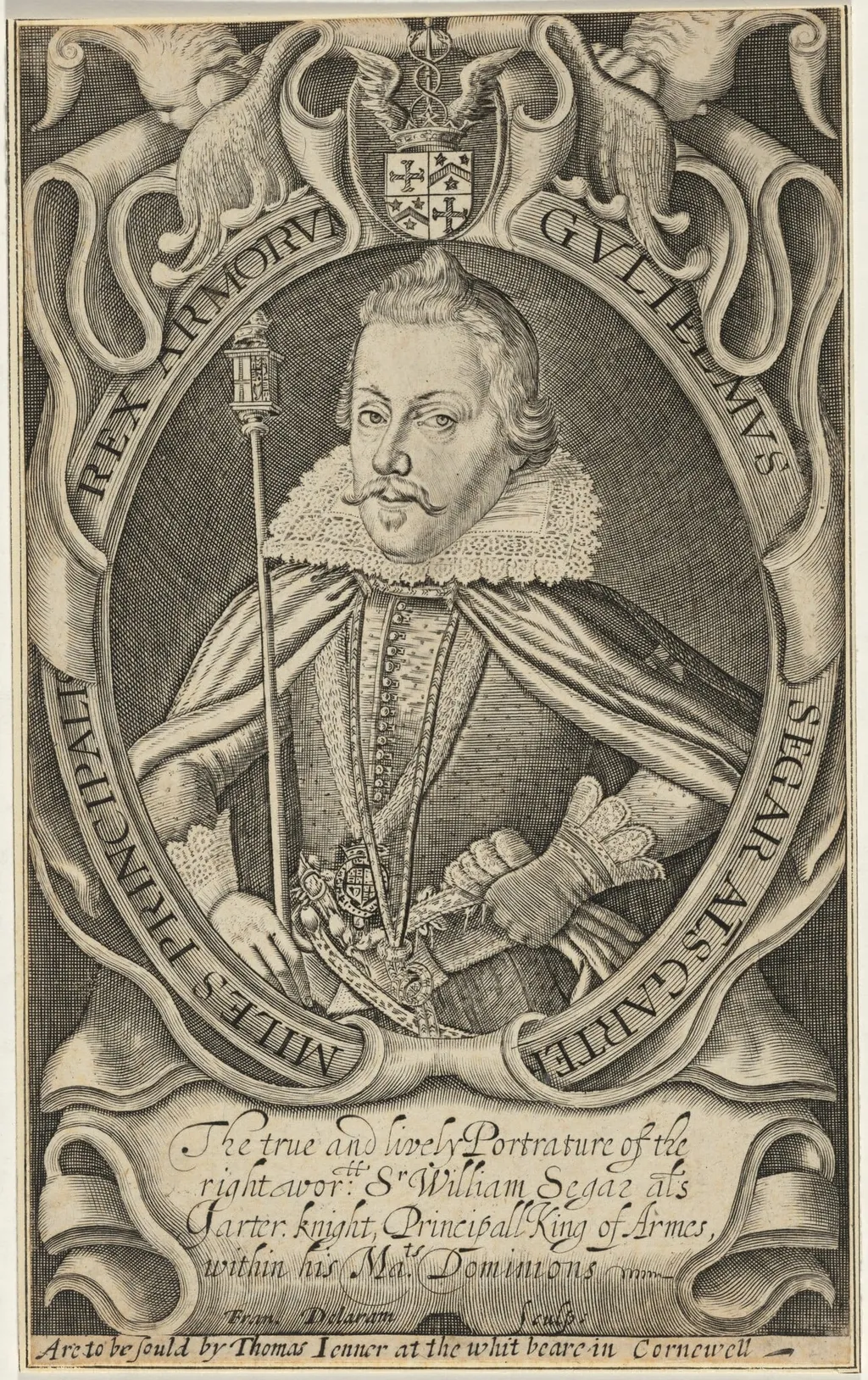
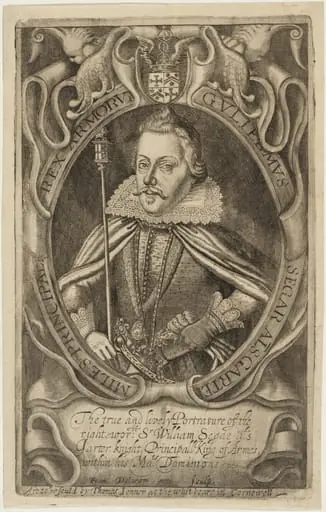
Guliemus Segar (Sir William Segar) is an ink print by the Renaissance artist Francis Delaram. It dates from 1608 and is held in the collection of the National Gallery of Art.
About this work
Overview
Delaram, likely of Flemish origin, was active in England during a period when printmaking was gaining prestige as a medium for documenting elite figures.
This 1608 engraving by Francis Delaram depicts Sir William Segar, an English officer of arms and artist. Executed in fine line work, the portrait belongs to a small group of English print portraits from the early 17th century that blend native tradition with continental techniques. Delaram, likely of Flemish origin, was active in England during a period when printmaking was gaining prestige as a medium for documenting elite figures.
Subject & Meaning
Sir William Segar is portrayed in formal attire befitting his role as Garter King of Arms: a dark doublet, high lace collar, and draped cloak suggest status and ceremonial duty. The staff in his right hand and gloves reinforce his official position. The subtle smile and direct gaze convey authority tempered with approachability, reflecting the dignified yet human presence expected of court functionaries in Jacobean England.
Technique & Style
Delaram employed intricate cross-hatching to model form and texture, particularly in the fabric and facial features. The decorative cherubs at the top, though whimsical, align with Flemish print traditions that favored ornamental embellishment. The background, in contrast, is rendered with minimal detail, suggesting either technical limitation or deliberate compositional focus on the figure. The precision of the engraving highlights the artist’s skill despite its uneven spatial depth.
History & Provenance
The engraving was produced during Delaram’s brief but active career in England, likely commissioned to commemorate Segar’s appointment to a high heraldic office. It circulated among court circles and may have been used as a visual record for official documentation. No early ownership records are documented, but the print survives in institutional collections, indicating its preservation as a historical artifact rather than a commercial product.
Context
This portrait emerged during a time when English heraldry was being visually codified, and printed images of officials served both administrative and symbolic functions. Delaram’s work reflects broader European trends in portraiture, where Flemish stylistic elements—like cherubs and elaborate drapery—were adopted by English artists. His contributions to William Camden’s historical texts further situate this print within a scholarly culture that valued visual documentation alongside written record.
Legacy
Though Delaram’s output was limited and his reputation modest, this engraving remains one of the few surviving portraits of Sir William Segar. It offers insight into the visual language of English heraldic officeholders and the transnational influences shaping early modern print culture. The work is studied today not for its artistic brilliance, but for its role in documenting the social and institutional frameworks of its time.
Artist & collection
Artist
Francis Delaram (born around 1590, fl. 1615–1624 or 1627), was an English engraver. Delaram left a substantial collection of engraved portraits, landscapes and book illustrations (specifically, William Camden's…

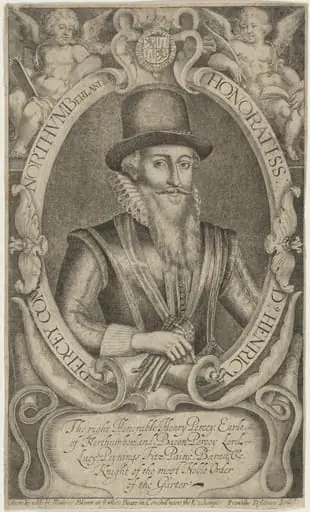 Henricus Percye (Henry Percy, Ninth Earl of Northumberland)
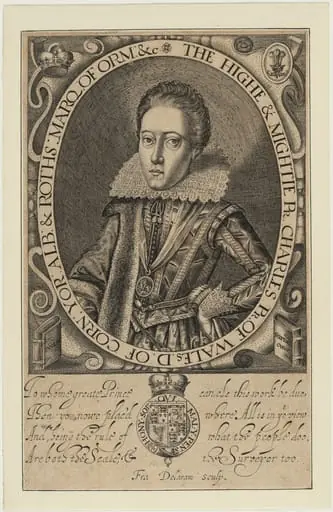 Charles I, as Prince of Wales
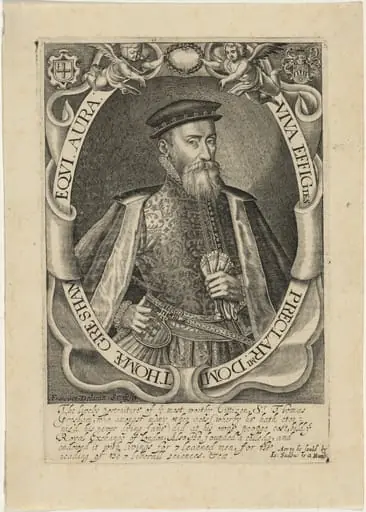 Sir Thomas Grisham
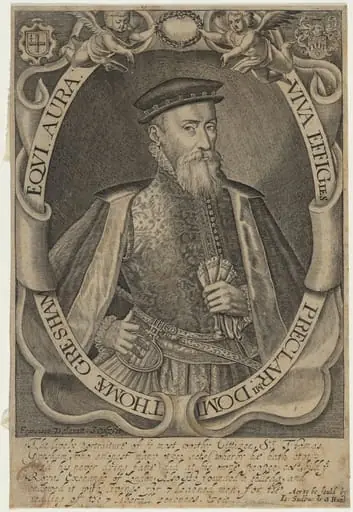 Thomae Gresham Equi. Aura (Sir Thomas Gresham)
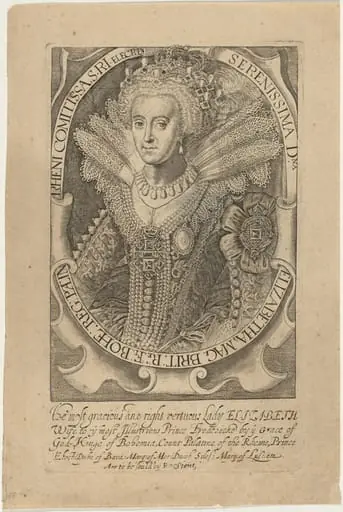 Elizabeth, Queen of Bohemia
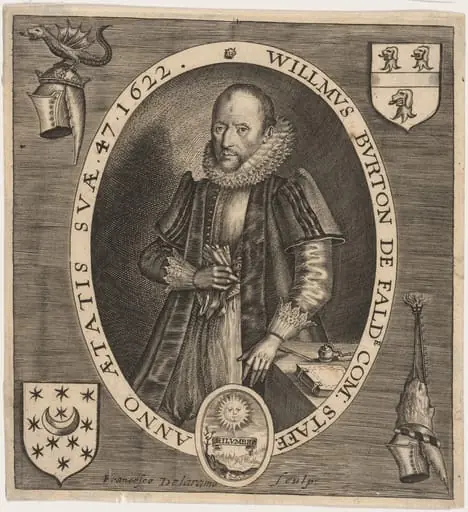 Willmus Burton de Falde (William Burton)
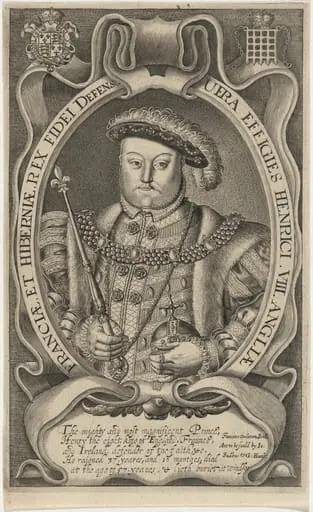 Henrici VIII Angliae, Franciae et Hiberniam Rex (King Henry VIII)
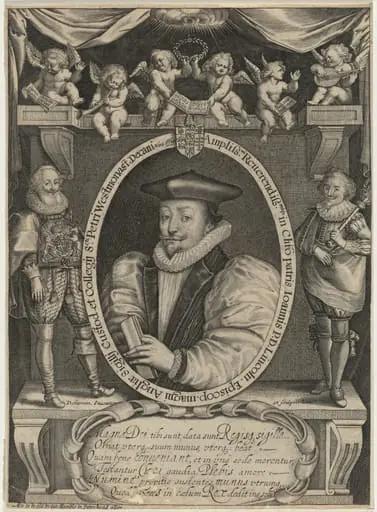 John Williams, D.D., Archbishop of York and Lord Keeper
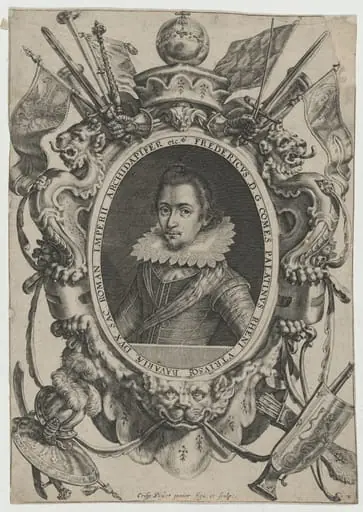 Frederick V, Elector Palatine, King of Bohemia
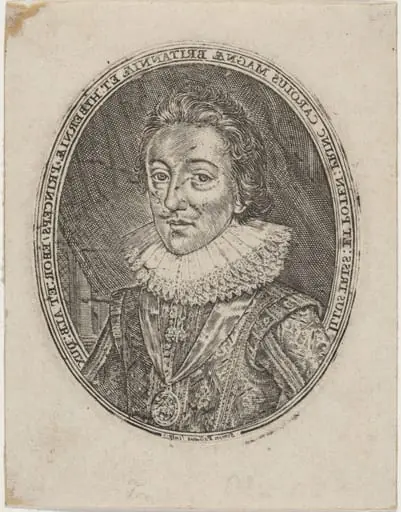 Charles I, King of England
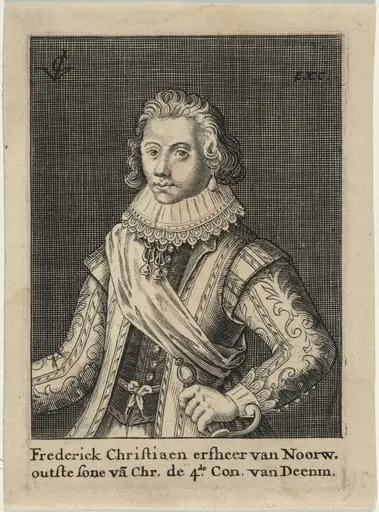 Frederick Christian III, King of Denmark and Norway
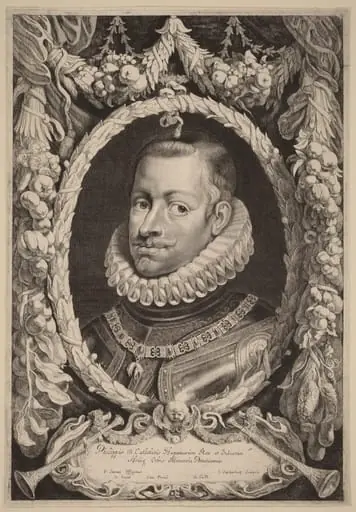 Philip III, King of Spain
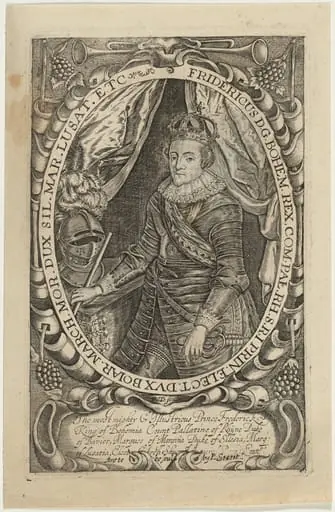 Fredericus D.G. Bohem. Rex (Frederick V, Kingof Bohemia)
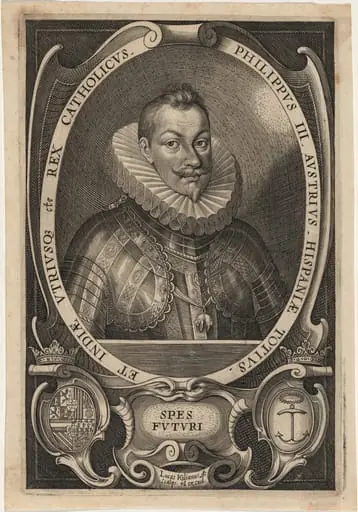 Philip III, King of Spain
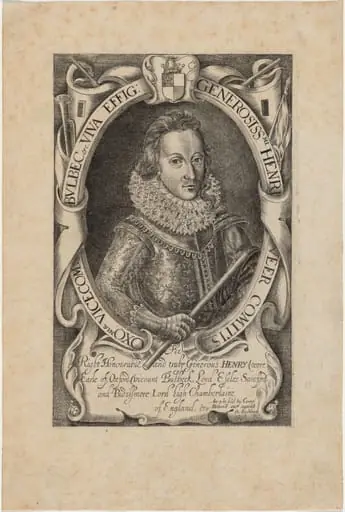 Henry de Vere, Eighteenth Earl of Oxford
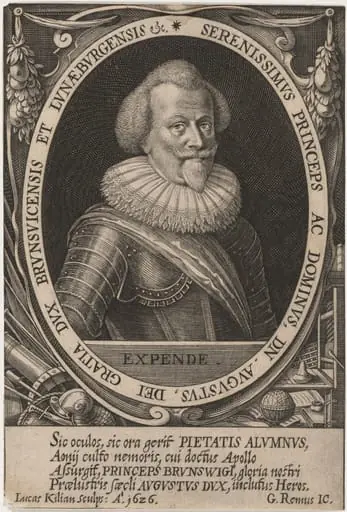 Augustus II, Duke of Brunswick
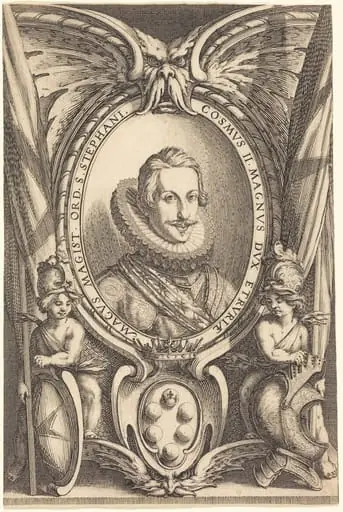 Cosimo II de' Medici, Grand Duke of Tuscany
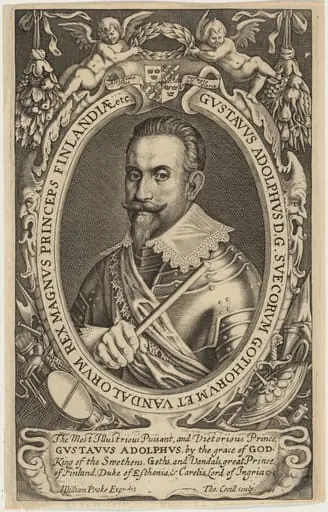 Gustavus Adolphus
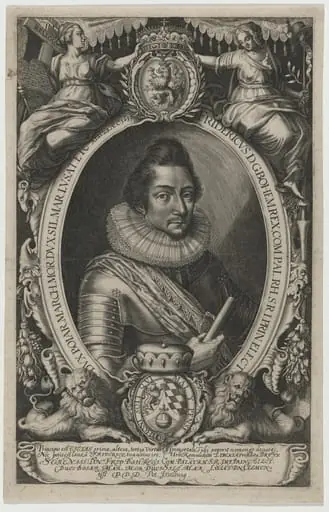 Frederick V, King of Bohemia
 Guliemus Segar (Sir William Segar, Garter King of Arms)