Artwork
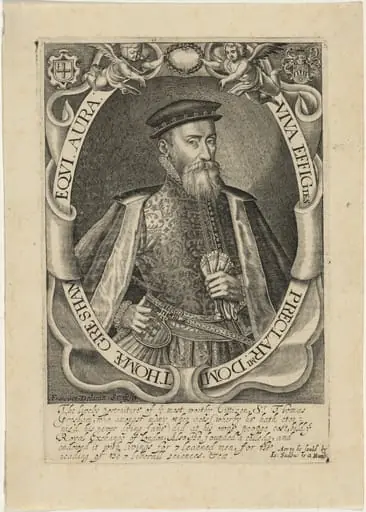
Thomae Gresham Equi. Aura (Sir Thomas Gresham)
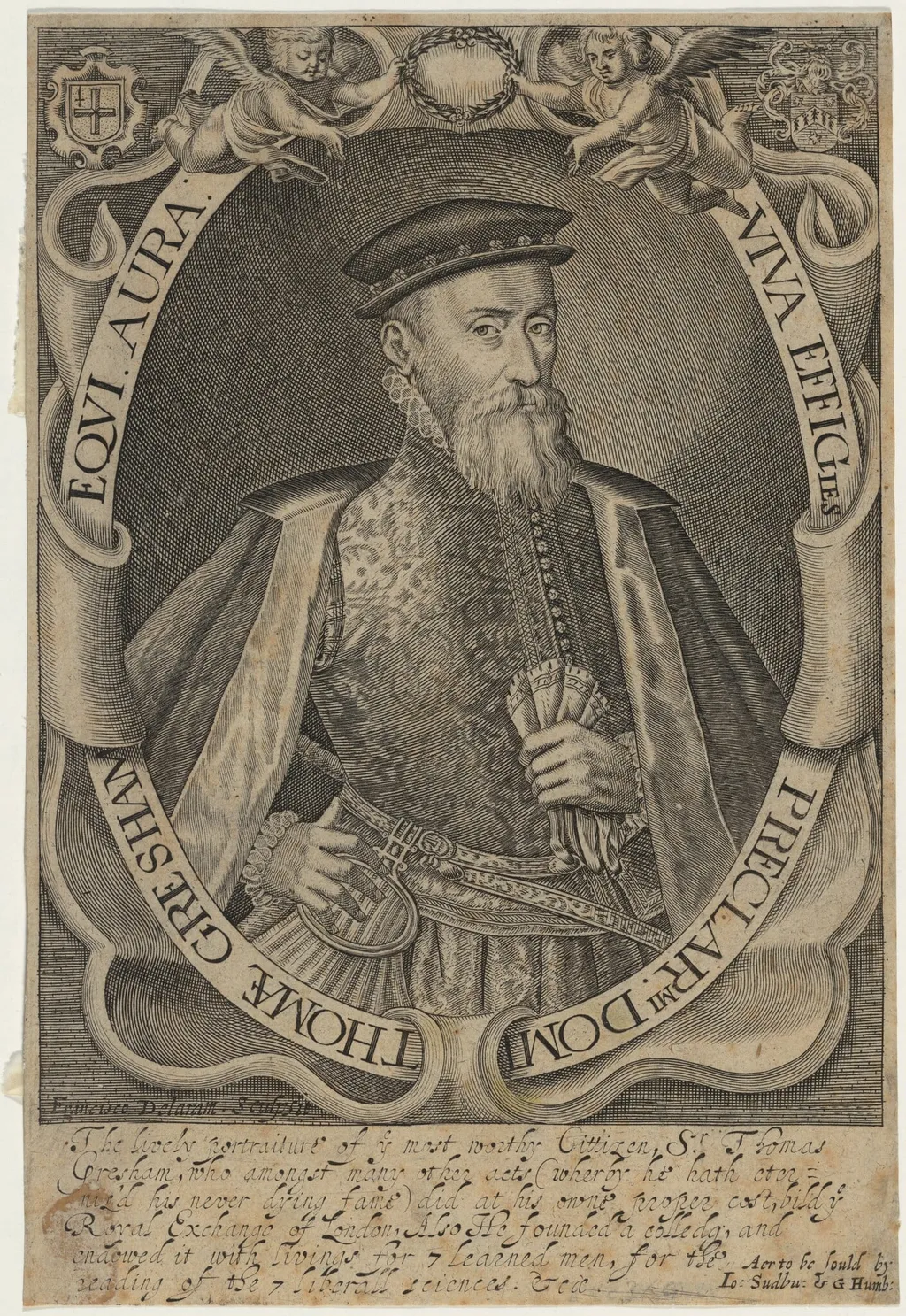
Thomae Gresham Equi. Aura (Sir Thomas Gresham) is an ink print by the Renaissance artist Francis Delaram. It dates from 1608 and is held in the collection of the National Gallery of Art.
About this work
Overview
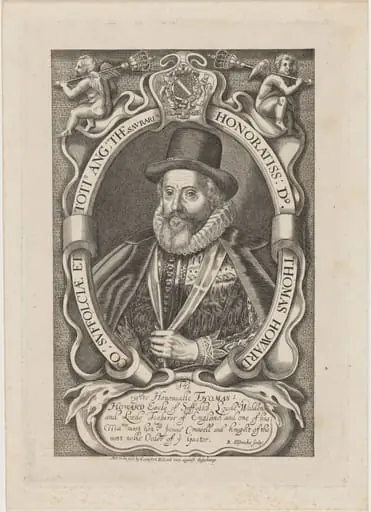
Francis Delaram’s 1608 engraving portrays Sir Thomas Gresham, the prominent English financier, in a formal, half‑length pose. Rendered in black and white, the image shows Gresham with a beard, wearing a dark, ruffled shirt and a wide‑brimmed hat, while he holds a small architectural model that suggests his association with commerce.
Subject & Meaning
The miniature building in Gresham’s hand resembles a market or exchange, alluding to his role in establishing the Royal Exchange in London. Inscribed scrolls bearing the Latin terms *AURA* (breeze) and *PRUDENTIA* (prudence) frame the figure, reinforcing virtues traditionally linked to mercantile success.
Technique & Style
Delaram employed copper‑plate engraving, incising lines directly into metal to produce the image. The composition incorporates decorative cherubs flanking the portrait, a motif common in early‑17th‑century portraiture. The overall style shows Flemish influence, likely derived from Delaram’s training under Cornelis Boel, known for his work on the 1611 King James Bible.
History & Provenance
Created in London in 1608, the print is one of the few surviving works attributed to Delaram, whose biography remains largely undocumented. It was issued shortly after Gresham’s death and circulated as a commemorative portrait, reflecting the period’s practice of disseminating images of notable public figures through prints.
Context
The engraving belongs to a broader tradition of early modern English portrait prints that combined commercial symbolism with classical allegory. Its decorative elements, such as the cherubs and Latin inscriptions, align with contemporary visual conventions used to elevate the status of financiers within the emerging capitalist culture of early Stuart England.
Artist & collection
Artist
Francis Delaram (born around 1590, fl. 1615–1624 or 1627), was an English engraver. Delaram left a substantial collection of engraved portraits, landscapes and book illustrations (specifically, William Camden's…

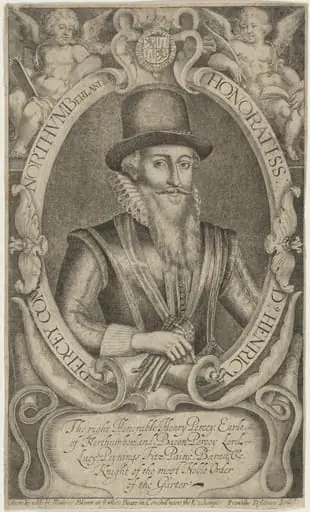 Henricus Percye (Henry Percy, Ninth Earl of Northumberland)
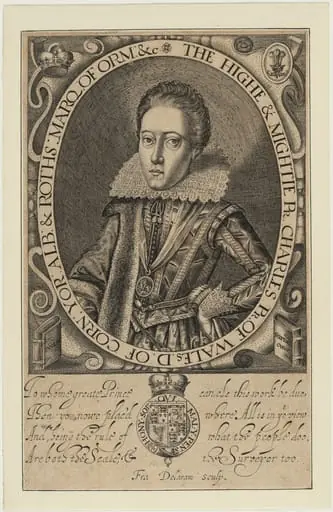 Charles I, as Prince of Wales
 Sir Thomas Grisham
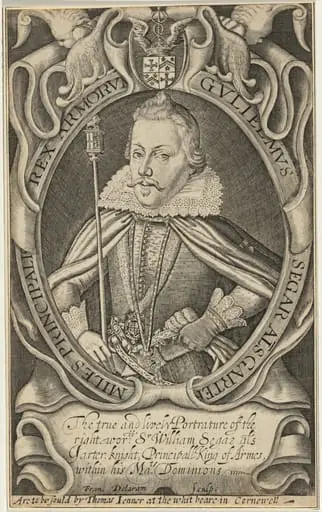 Guliemus Segar (Sir William Segar)
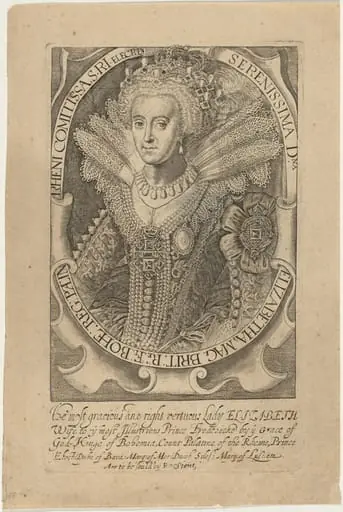 Elizabeth, Queen of Bohemia
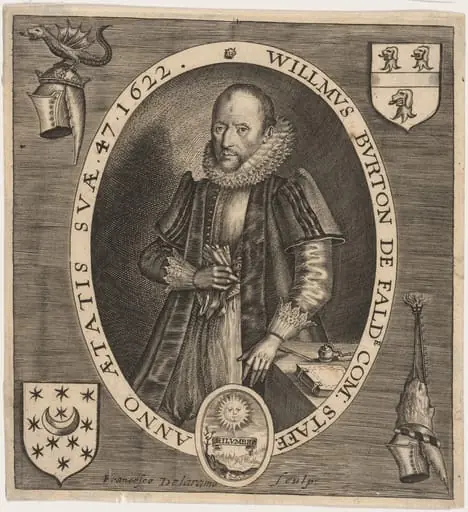 Willmus Burton de Falde (William Burton)
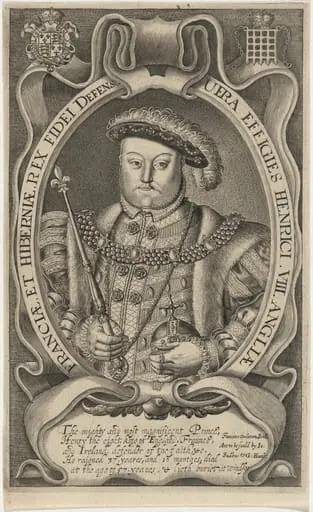 Henrici VIII Angliae, Franciae et Hiberniam Rex (King Henry VIII)
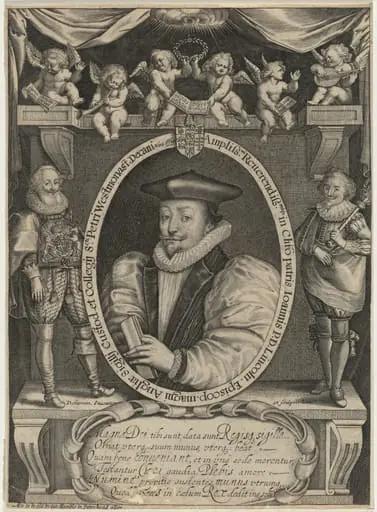 John Williams, D.D., Archbishop of York and Lord Keeper