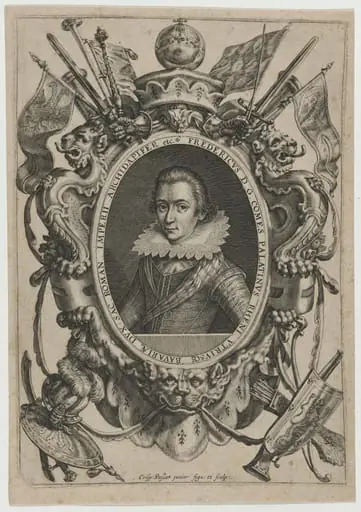
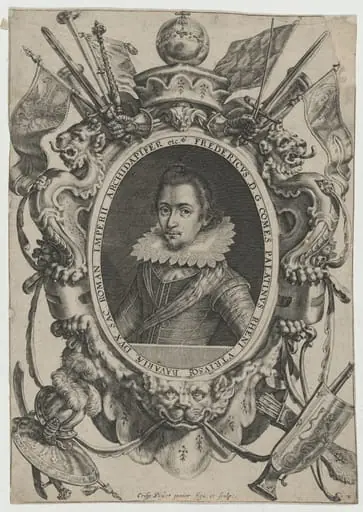
Artwork
Frederick V, King of Bohemia
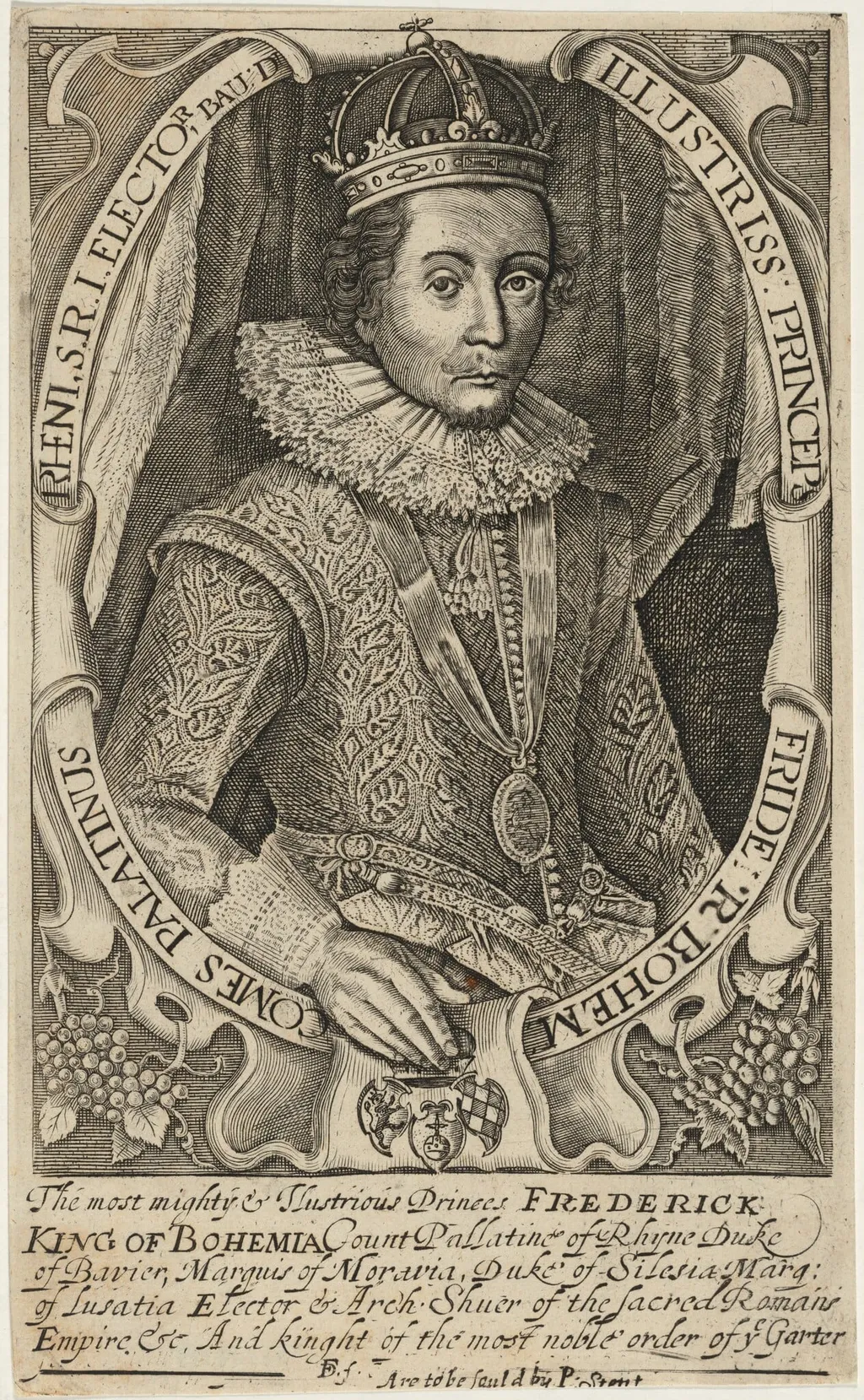
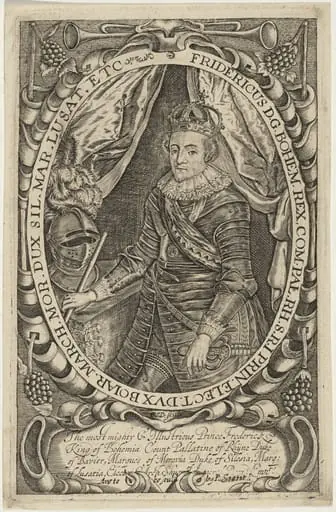
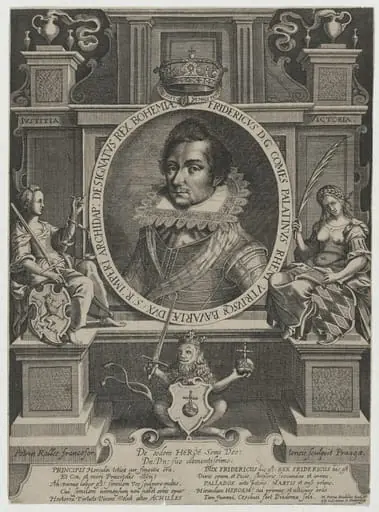
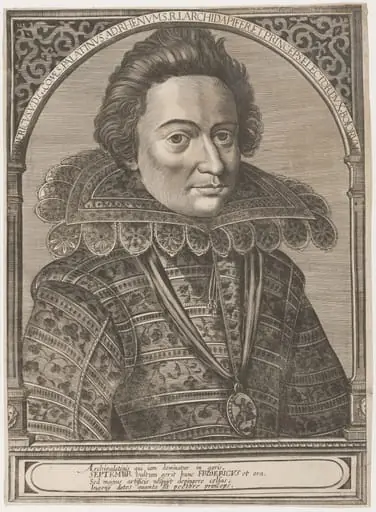
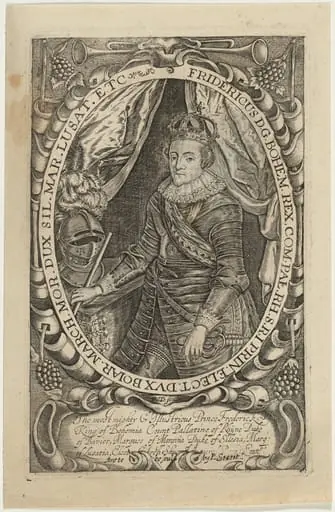
Frederick V, King of Bohemia is an ink print by the Renaissance artist Francis Delaram. It dates from 1608 and is held in the collection of the National Gallery of Art.
About this work
Overview
The composition is tightly focused on the figure, with a subdued background that enhances the subject’s presence without distraction.
This 1608 engraving by Francis Delaram presents Frederick V, King of Bohemia, in a formal portrait. Executed in fine line work, the image emphasizes the subject’s regal bearing through detailed rendering of attire and accessories. Delaram, an English engraver with probable Flemish roots, employed techniques common in Northern European printmaking of the period. The composition is tightly focused on the figure, with a subdued background that enhances the subject’s presence without distraction.
Subject & Meaning
Frederick V is depicted in full regalia: a crown, ornate robe, and ceremonial sword signify his royal authority. The shield he holds alludes to his role as a defender of his realm, while the elaborate ruff and draped cloak reflect contemporary courtly fashion. His direct gaze and composed expression convey solemn dignity rather than overt triumph, aligning with the gravity of his brief reign. The imagery serves as a visual assertion of legitimacy during a turbulent political era.
Technique & Style
Delaram’s engraving displays meticulous line work, particularly in the rendering of fabric textures, armor details, and the intricate patterns of the crown. The background, intentionally less refined, creates contrast that draws focus to the figure. Decorative elements such as cherubs echo Flemish print traditions, possibly influenced by Cornelis Boel’s biblical engravings. The technique demonstrates mastery of burin work, with subtle tonal gradations achieved through controlled hatching.
History & Provenance
Created in 1608, the engraving emerged during Frederick’s early years as Elector Palatine, before his ascension to the Bohemian throne in 1619. It likely served as a diplomatic or propagandistic tool, circulating among European courts to affirm his status. Delaram’s known association with London’s print trade suggests it may have been produced for an English audience sympathetic to Protestant causes. Its survival indicates continued interest in his image despite his later downfall.
Context
The print was made amid rising tensions between Protestant and Catholic powers in Central Europe. Frederick’s marriage to Elizabeth Stuart, daughter of James I of England, linked him to a powerful Protestant alliance. Portraits like this one were instrumental in shaping public perception of rulers during the lead-up to the Thirty Years’ War. Delaram’s work reflects the broader trend of using engraved portraiture to project political identity across borders.
Legacy
Though Frederick V’s reign in Bohemia lasted only a year, this engraving endured as a visual record of his brief sovereignty. It remains one of the most recognizable depictions of him, valued for its technical precision and historical specificity. The work contributes to the corpus of early 17th-century Northern European printmaking, illustrating how portraiture functioned as both art and political instrument in an age of religious and dynastic conflict.
Artist & collection
Artist
Francis Delaram (born around 1590, fl. 1615–1624 or 1627), was an English engraver. Delaram left a substantial collection of engraved portraits, landscapes and book illustrations (specifically, William Camden's…

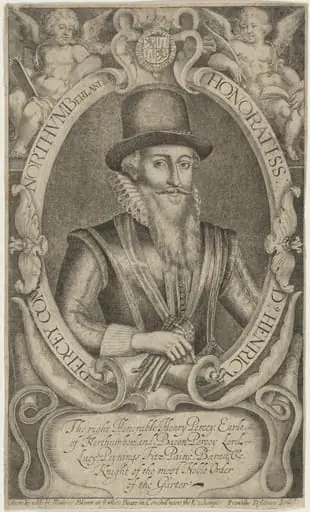 Henricus Percye (Henry Percy, Ninth Earl of Northumberland)
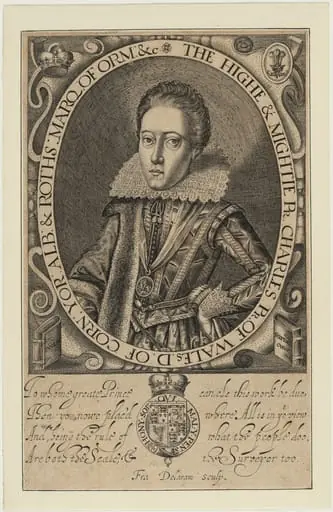 Charles I, as Prince of Wales
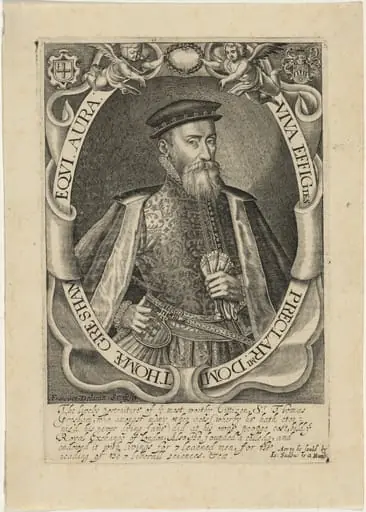 Sir Thomas Grisham
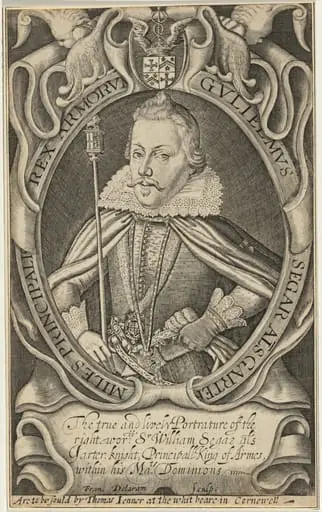 Guliemus Segar (Sir William Segar)
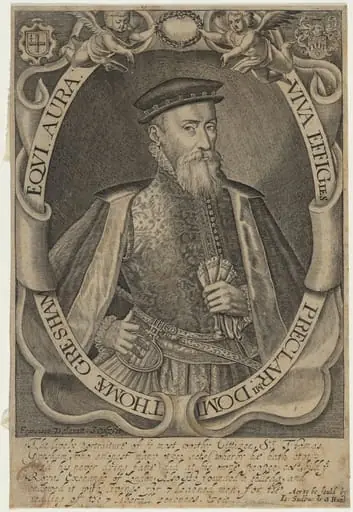 Thomae Gresham Equi. Aura (Sir Thomas Gresham)
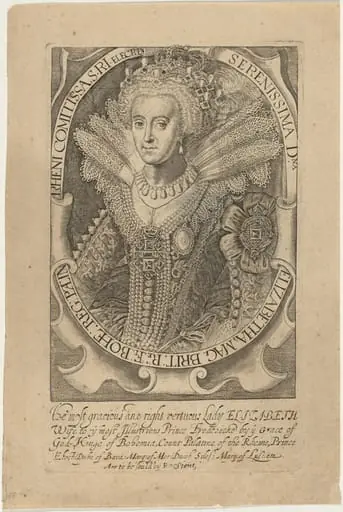 Elizabeth, Queen of Bohemia
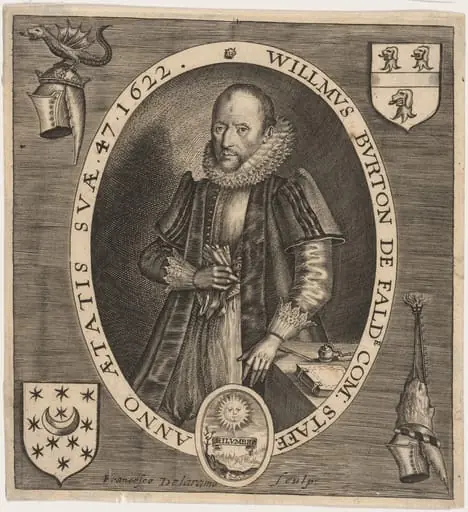 Willmus Burton de Falde (William Burton)
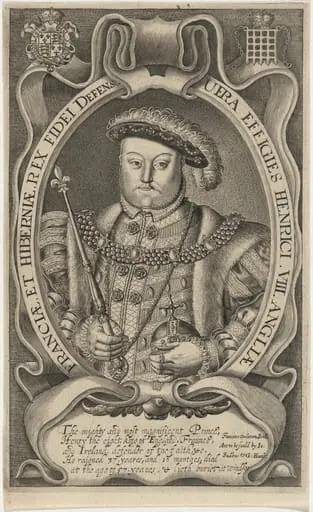 Henrici VIII Angliae, Franciae et Hiberniam Rex (King Henry VIII)