Artwork
Head of a Faun
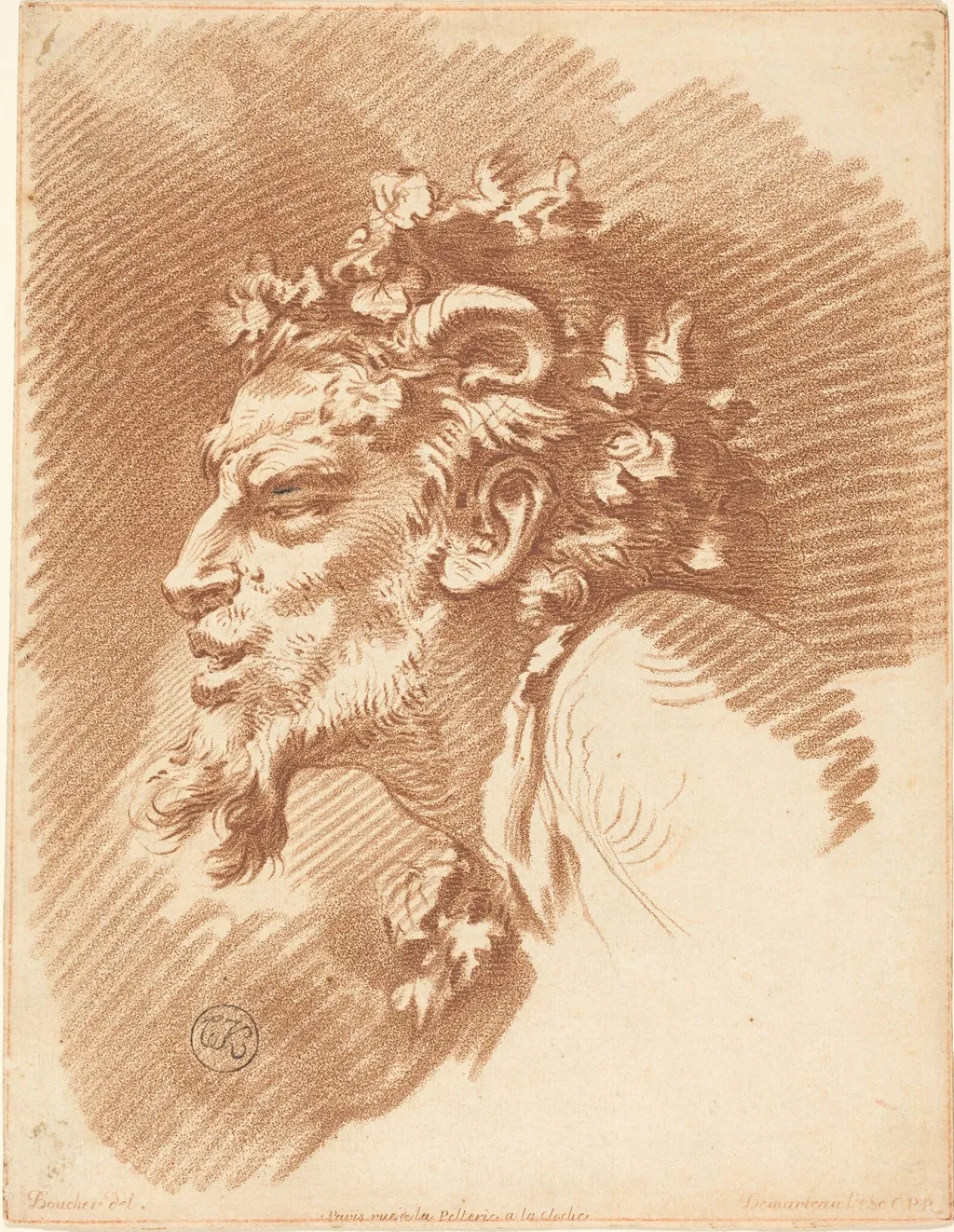
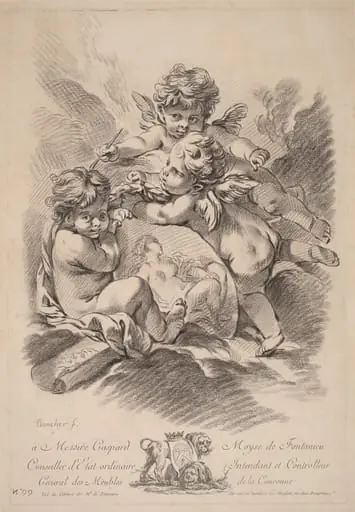
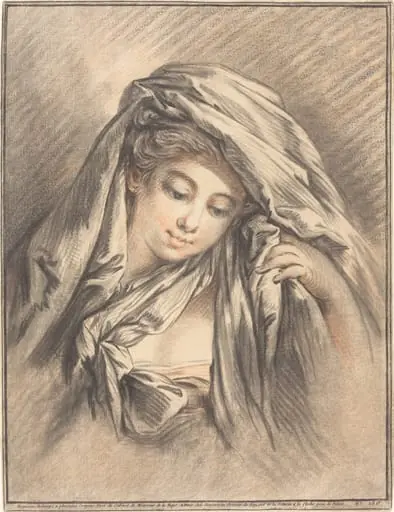
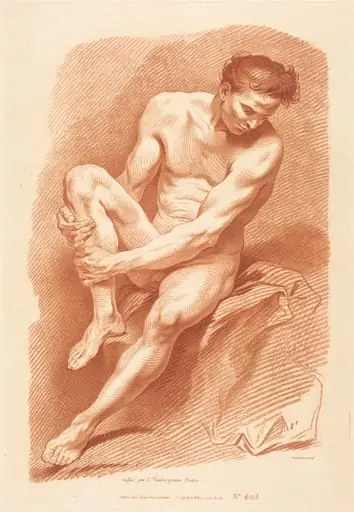
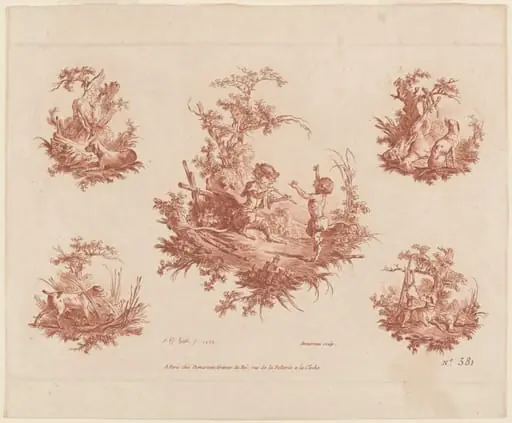
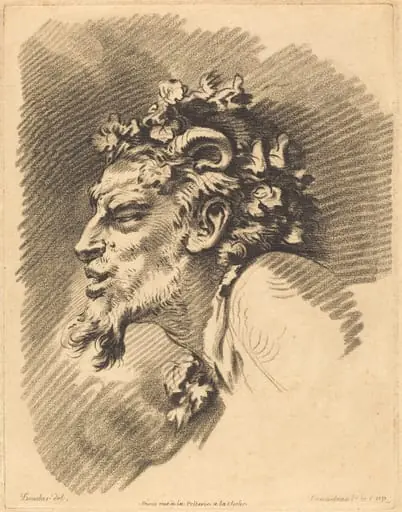
Head of a Faun is a chalk print by the Baroque artist Gilles Demarteau the Elder. It dates from 1749 and is held in the collection of the National Gallery of Art.
About this work
Overview
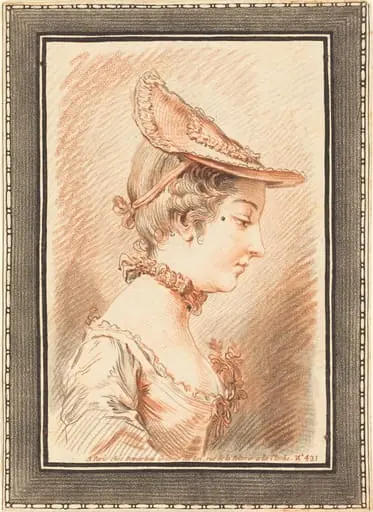
Head of a Faun is a 1749 print produced by the French engraver Gilles Demarteau the Elder. Executed in the chalk‑manner on laid paper, the work measures a modest size and presents a solitary faun’s head in profile, rendered in soft brown tones that suggest the texture of hair and the curve of the ears.
Subject & Meaning
The image captures the mythological creature’s head, its wild curls and tapered ears outlined in delicate shading. The faintly illuminated eye gives the figure a fleeting sense of presence, inviting contemplation of the faun’s dual nature as both rustic and lyrical within classical iconography.
Technique & Style
Demarteau employed the chalk‑manner, a printmaking process that imitates the effect of a chalk drawing. After incising a metal plate, he filled the lines with powdered chalk, then transferred the pigment onto laid paper. The result is a tonal surface that reproduces the softness of a drawing while retaining the reproducibility of an intaglio print.
History & Provenance
Created in the mid‑18th century, the print reflects the period’s fascination with classical subjects and the rise of reproductive print techniques. It entered the collection of the National Gallery of Art in Washington, where it is currently held and displayed for public viewing.
Context
The work belongs to a broader trend among French printmakers who sought to emulate the chiaroscuro effects of drawing through innovative intaglio methods. Demarteau’s chalk‑manner prints were often used to disseminate designs for artists and collectors, bridging the gap between original drawings and mass‑produced images.
Artist & collection