Artwork
Guy Little Theatrical Photographs
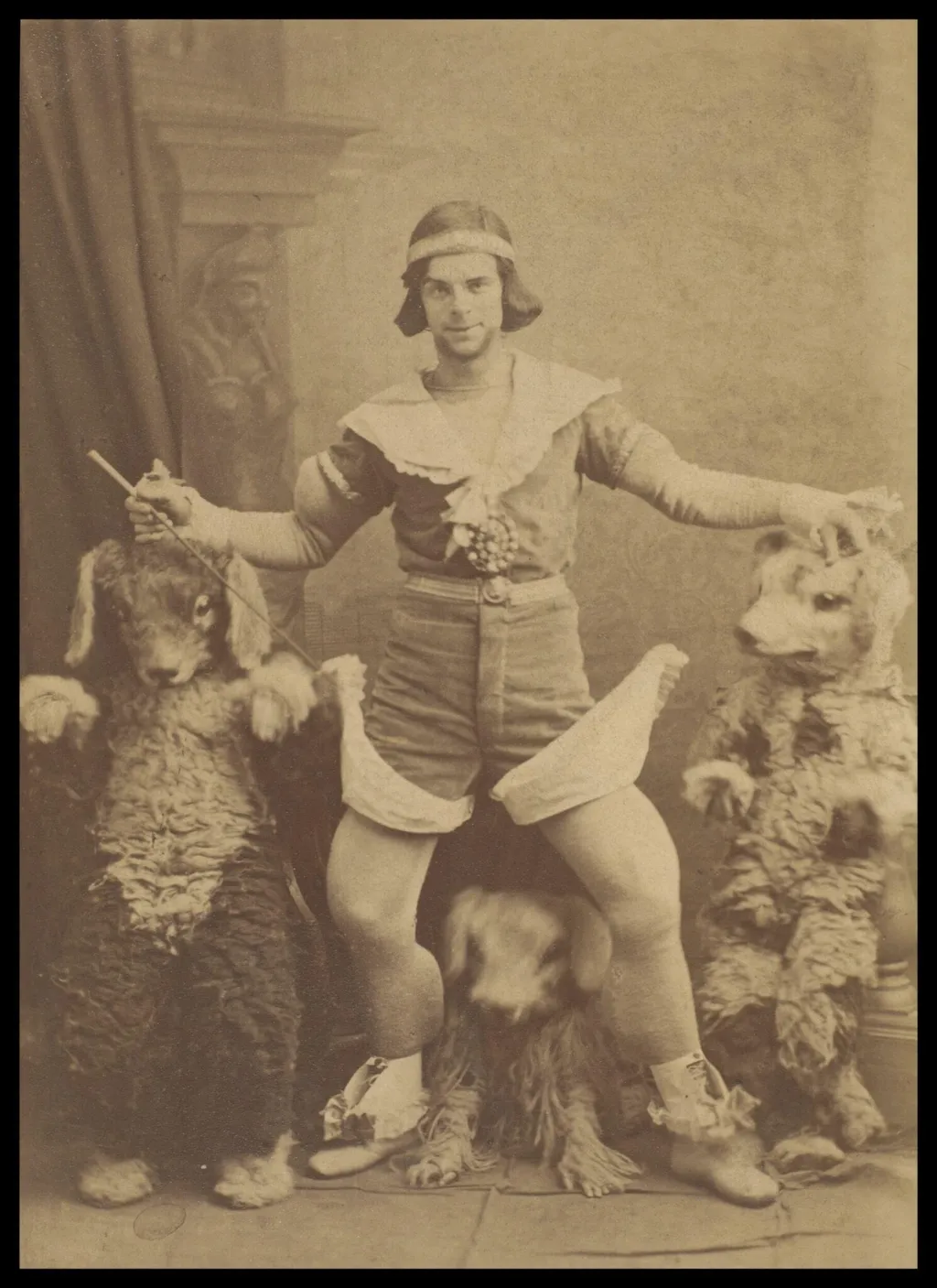
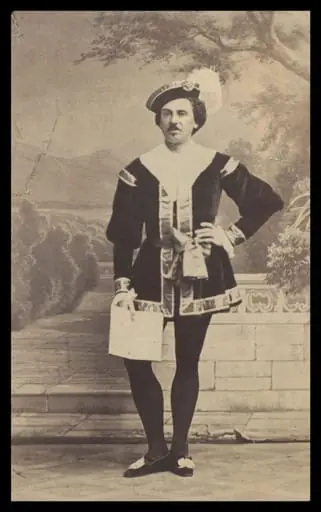
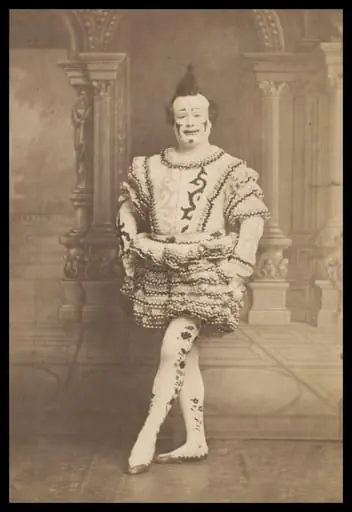
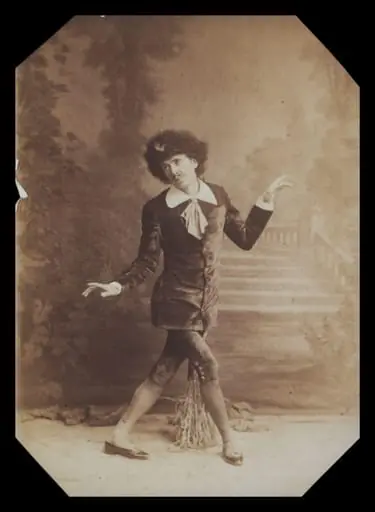
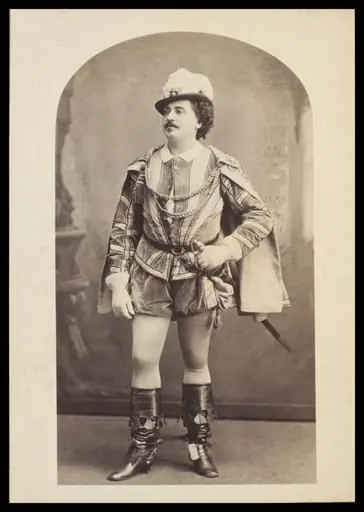
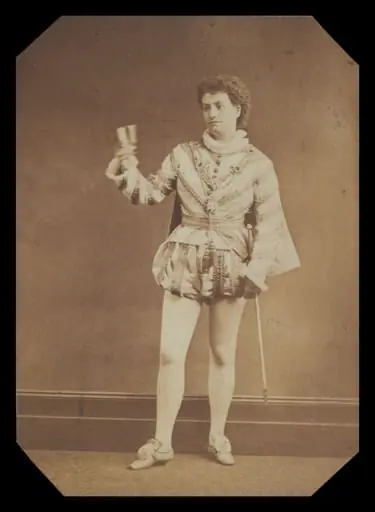
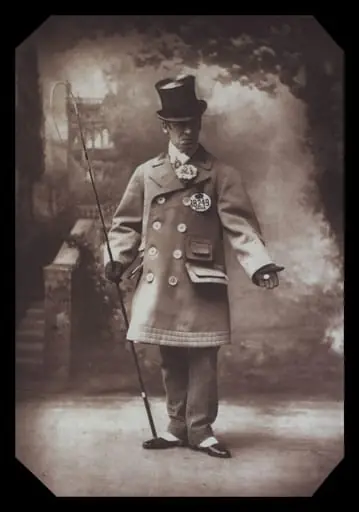
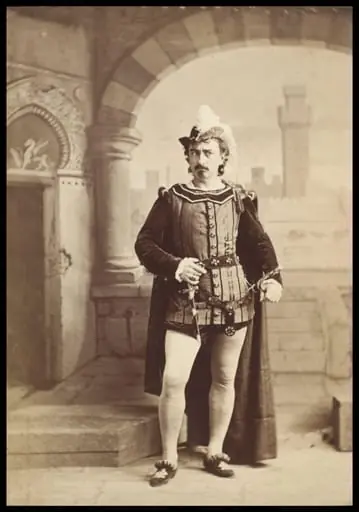
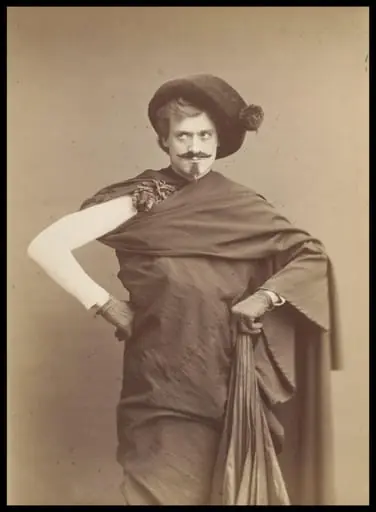
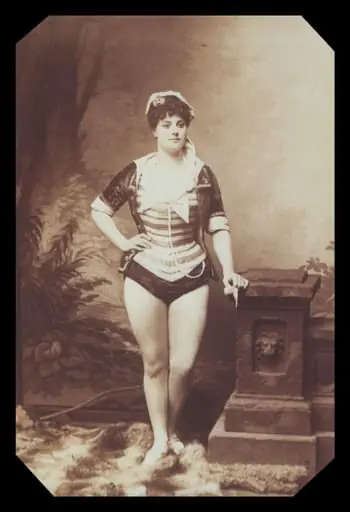
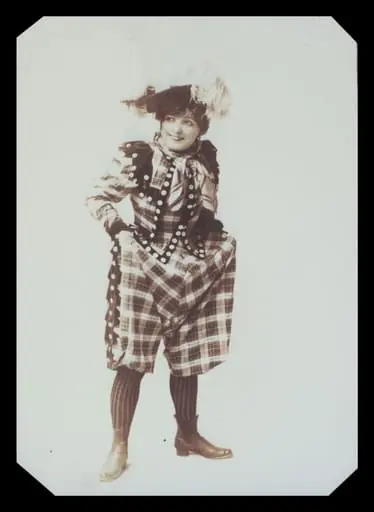
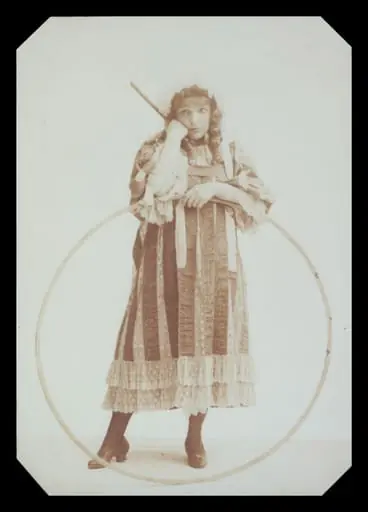
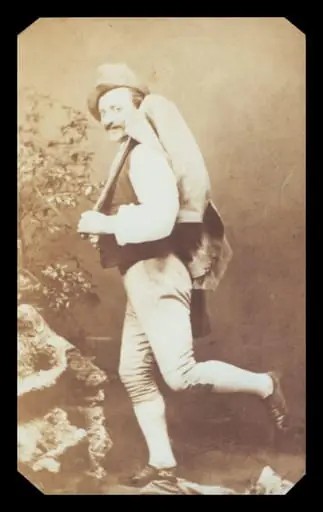
Guy Little Theatrical Photographs is a photographic photography by Albert Deneulain. It dates from 1850 and is held in the collection of the Victoria and Albert Museum. This photograph is part of a personal archive assembled by Guy Tristram Little, a solicitor and avid collector of visual ephemera.
About this work
Overview
Little bequeathed this collection to the Victoria and Albert Museum, where it contributes to the foundation of its theatre holdings.
This photograph is part of a personal archive assembled by Guy Tristram Little, a solicitor and avid collector of visual ephemera. It depicts the actor Edward Terry and originates from a trove of theatrical portraits—mostly cartes de visite and cabinet cards—removed from their original mounts and carefully reorganized into albums. Little bequeathed this collection to the Victoria and Albert Museum, where it contributes to the foundation of its theatre holdings.
Subject & Meaning
Edward Terry, a prominent Victorian stage actor, is captured here in a formal studio portrait, likely in costume or attire associated with a role he performed. Such images served as both promotional tools and personal mementos, allowing audiences to connect with performers beyond the stage. The photograph reflects the era’s fascination with celebrity and the growing market for collectible portraiture among middle-class households.
Technique & Style
The image is an albumen print, made from a glass negative and affixed to a card backing bearing the photographer’s imprint. This method dominated mid-to-late 19th-century portraiture, offering sharp detail and a glossy finish. Whether a carte de visite or cabinet card, the format adheres to standardized sizing and presentation norms, emphasizing clarity and reproducibility over artistic experimentation.
History & Provenance
The photograph was once part of a commercial trade in theatrical memorabilia, circulating widely during the 1860s–1890s. It was later detached from its original mount and integrated into Guy Little’s personal albums, which he compiled systematically. After his death in 1953, the entire collection was donated to the V&A, preserving not only the images but also the curatorial intent behind their reorganization.
Context
During the Victorian era, photographic portraits of actors became cultural artifacts, mirroring the rise of mass media and consumer culture. Cartes de visite, introduced in 1854, enabled widespread collection and exchange, while cabinet cards offered a more durable alternative. These formats bridged the gap between fine art and popular culture, making theatrical figures accessible in domestic settings.
Legacy
Little’s collection, now housed at the V&A, provides a rare glimpse into how theatrical imagery was preserved and curated by private individuals. His meticulous re-mounting of these photographs reveals an early form of archival practice, transforming commercial products into historical documents. The archive remains a vital resource for understanding 19th-century performance culture and visual collecting habits.
Artist & collection
Artist
Albert Deneulain made Guy Little Theatrical Photographs: small, square albumen prints from the 1870s–1890s, each labeled in ink on the back with the actor’s name and role.