Artwork
An Elegant Parisiènne Seated in a Café
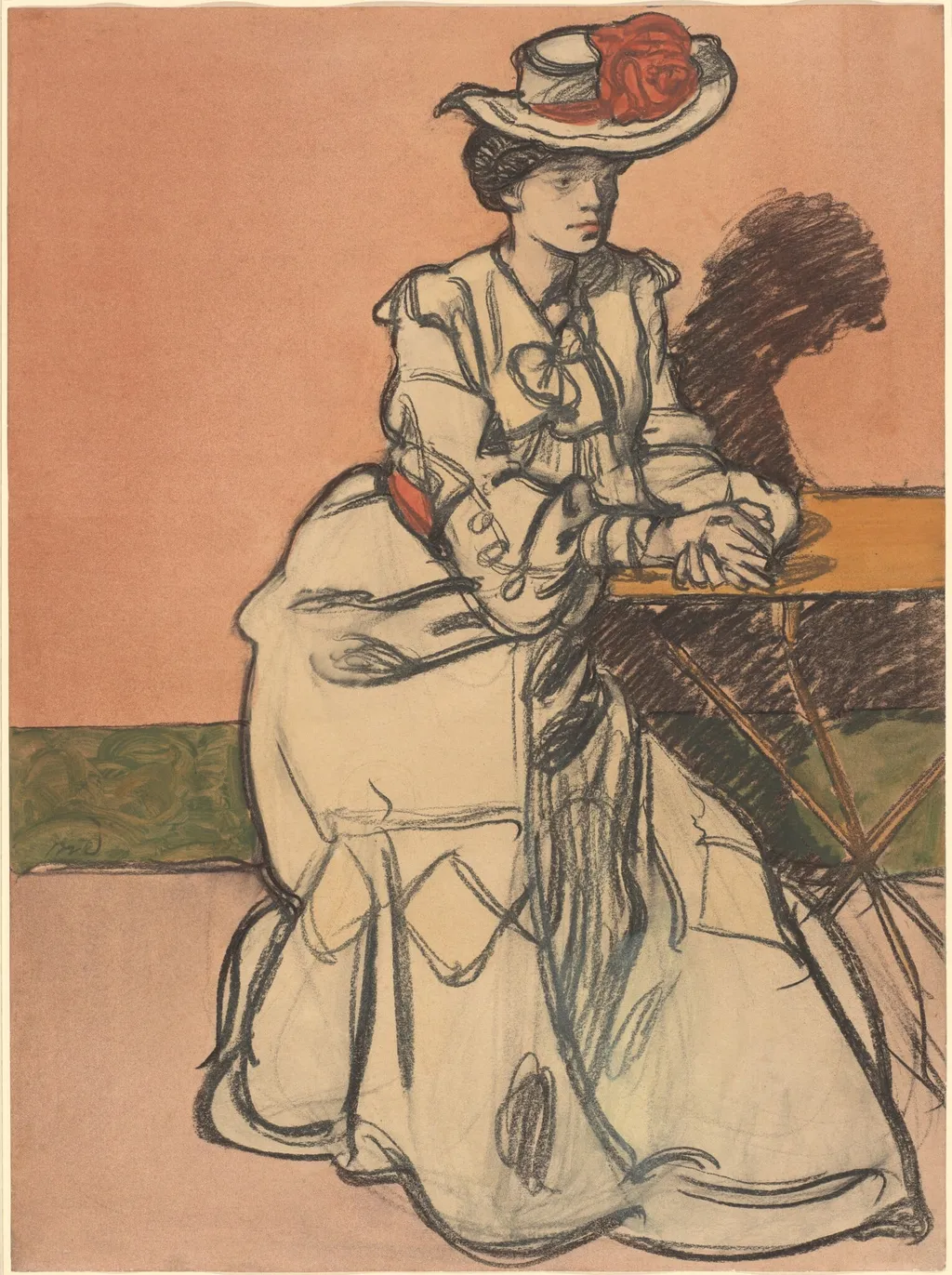
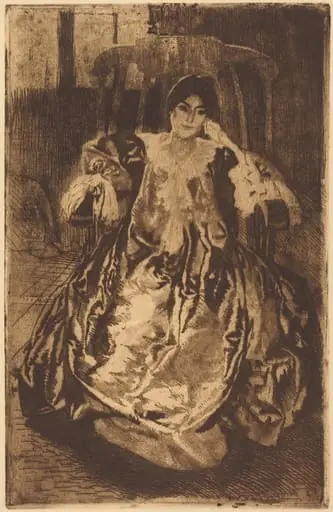
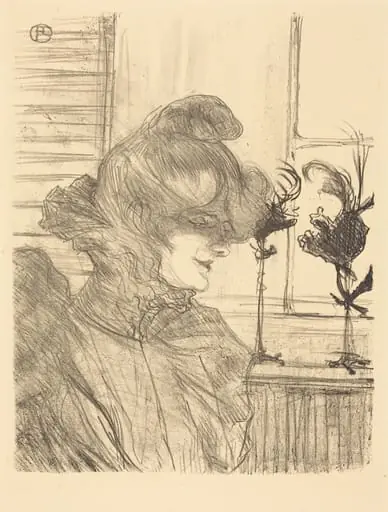
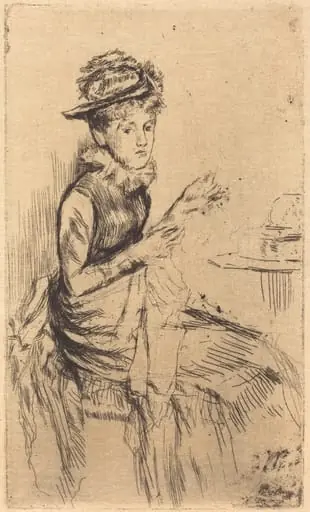
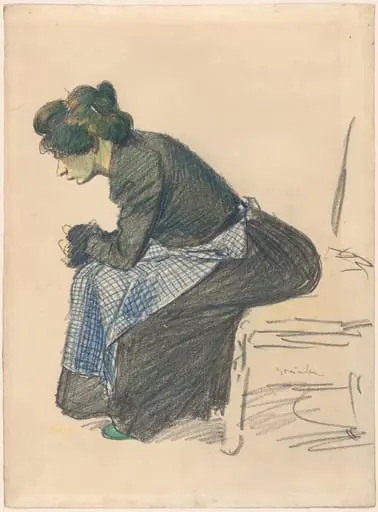
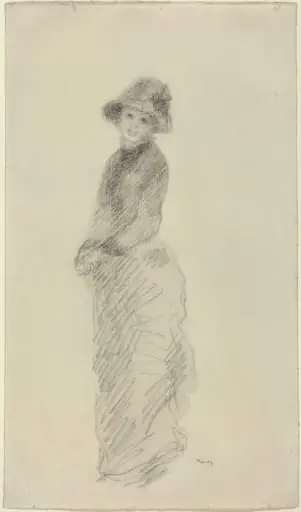
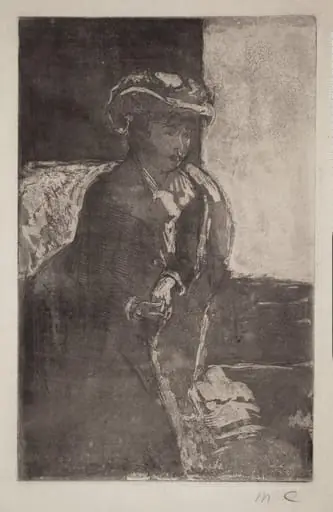
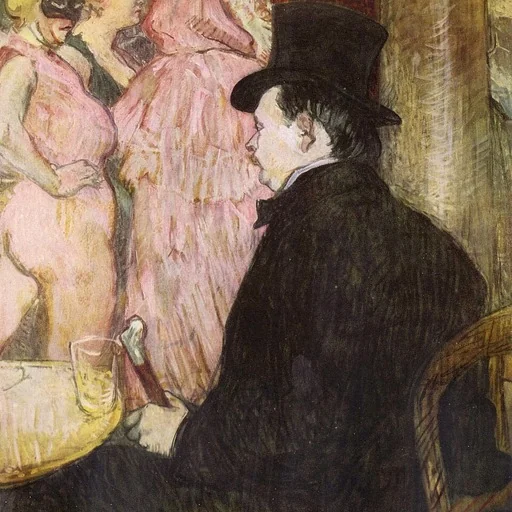
An Elegant Parisiènne Seated in a Café is a chalk drawing by the Impressionist artist Maxime Dethomas. It dates from 1895 and is held in the collection of the National Gallery of Art.
About this work
Overview
Created circa 1895, this drawing by Maxime Dethomas captures a seated woman in a Parisian café using black chalk, watercolor, and gouache on wove paper.
Created circa 1895, this drawing by Maxime Dethomas captures a seated woman in a Parisian café using black chalk, watercolor, and gouache on wove paper. Dethomas, primarily recognized for his theatrical design work, applied his sensitivity to atmosphere and costume to this intimate genre scene. The medium’s versatility allowed for both precise line and soft washes, reflecting the quiet elegance of urban life in fin-de-siècle Paris.
Subject & Meaning
The figure is a woman of apparent refinement, dressed in contemporary fashion, alone yet composed in a public space. Her posture and attire suggest the emerging independence of urban women in late 19th-century France. The café, a social hub for the middle and upper classes, becomes a stage for quiet self-possession rather than interaction, conveying a sense of introspective solitude amid urban bustle.
Technique & Style
Dethomas employed black chalk for crisp contours and subtle shading, layered with translucent watercolor and opaque gouache to define fabric textures and ambient light. The technique balances observational accuracy with expressive freedom—delicate washes suggest the glow of interior lighting, while loose strokes imply movement in the surrounding space. This hybrid approach aligns with the era’s interest in capturing fleeting moments through varied media.
History & Provenance
The drawing emerged during Dethomas’s active years in Parisian artistic circles, when he collaborated with figures like Toulouse-Lautrec and contributed to the founding of the Salon d'Automne in 1903. Though not widely exhibited in his lifetime, the work reflects his engagement with modern life as a subject. Its survival as a standalone drawing suggests it may have been a study or personal exercise rather than a commissioned piece.
Context
In the 1890s, Parisian cafés were central to social and cultural life, frequented by artists, writers, and the emerging bourgeoisie. Dethomas’s depiction aligns with broader trends in Impressionist and Symbolist art that favored intimate, everyday scenes over grand narratives. His theatrical background informed his attention to costume and spatial staging, distinguishing his approach from purely plein-air painters.
Legacy
Though Dethomas is less remembered today than his contemporaries, this drawing exemplifies the quiet sophistication of lesser-known artists who documented Parisian modernity. His fusion of drawing and color techniques influenced later illustrators and stage designers. The work remains a modest but telling record of gender, class, and public space in late 19th-century France.
Artist & collection
Artist
Maxime-Pierre Jules Dethomas (French: ; October 13, 1867 – January 21, 1929) was a French painter, draughtsman, printmaker, illustrator, and was among the best known theater-set and costume designers of his era.