Artwork
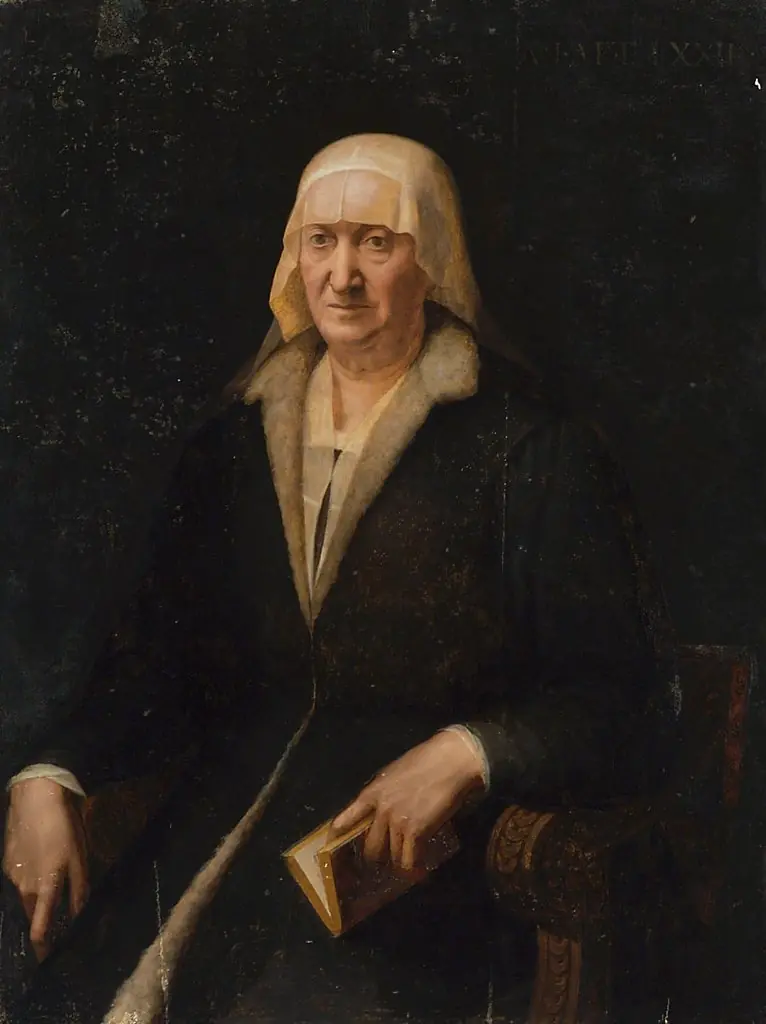
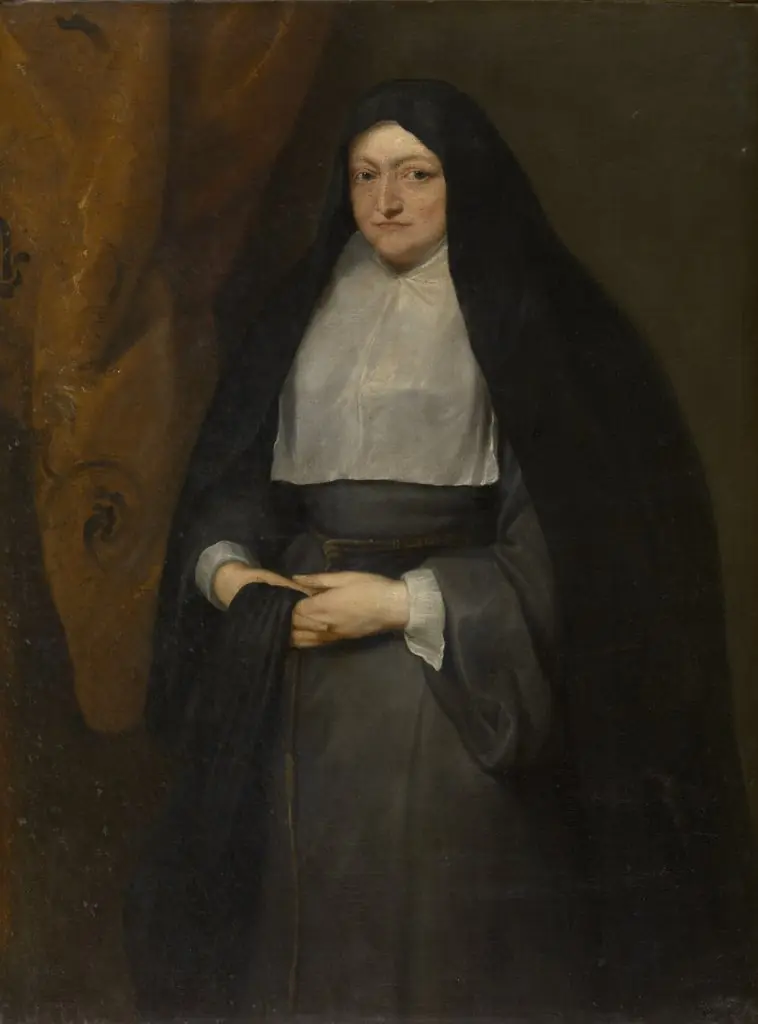
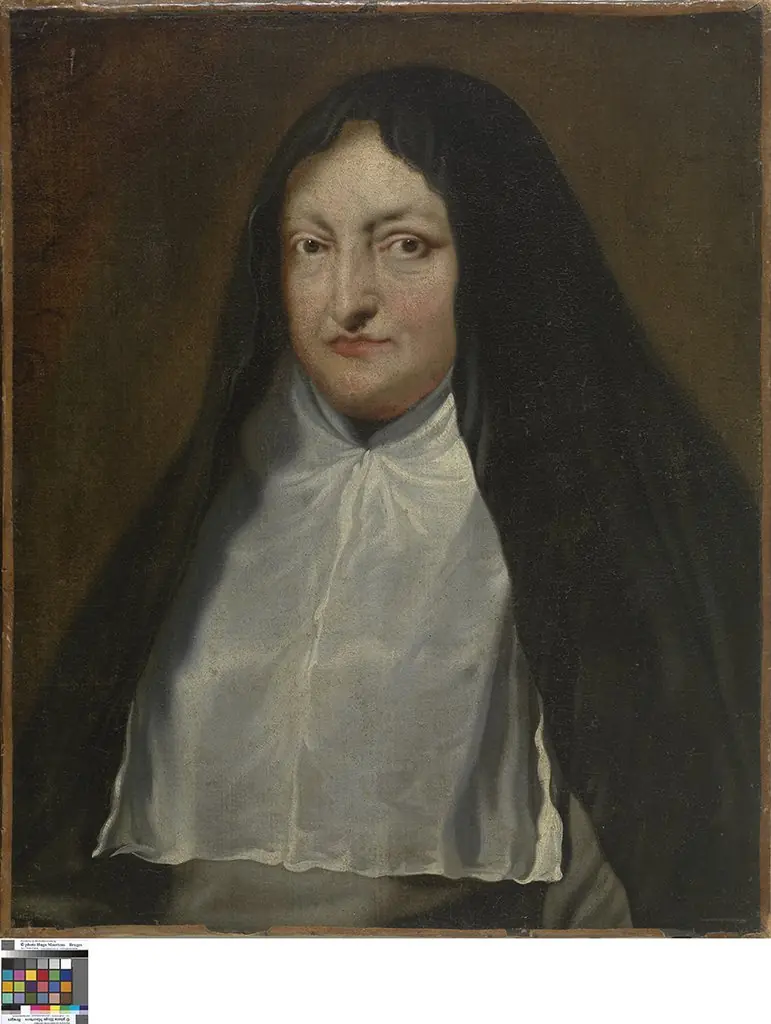
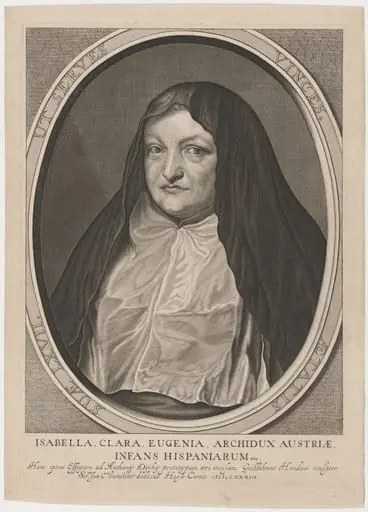
Portrait of Katharine Elliot (died 1688), Dresser of Duchess Anne of York and First Woman of the Bedchamber of Queen Mary of Modena, the first and second Wives of James II of England, respectively
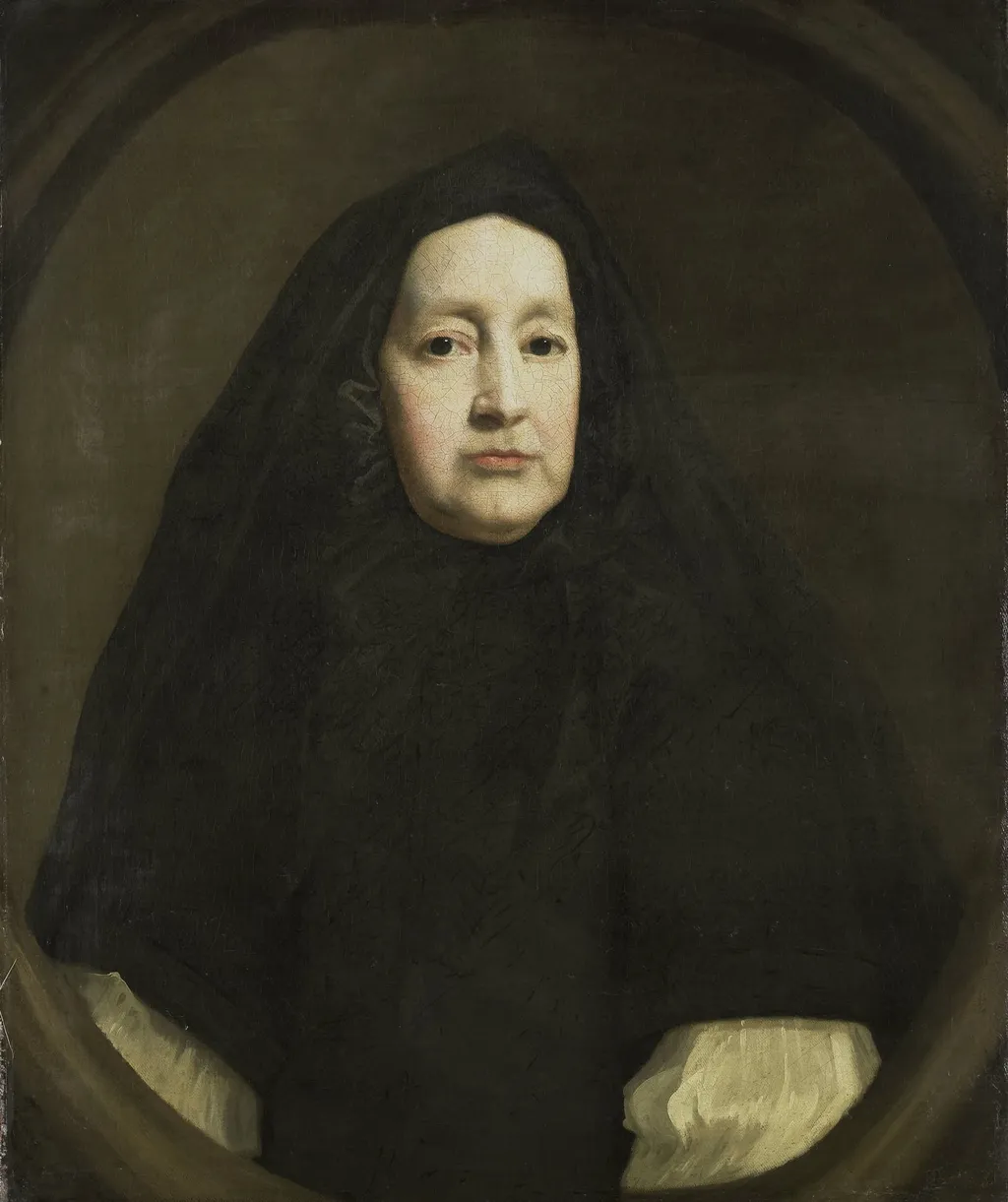
Portrait of Katharine Elliot (died 1688), Dresser of Duchess Anne of York and First Woman of the Bedchamber of Queen Mary of Modena, the first and second Wives of James II of England, respectively is an unspecified painting by the Rococo painting artist Unknown. It dates from 1680 and is held in the collection of the Rijksmuseum.
About this work
Overview
Her composed expression and folded hands convey quiet dignity, reflecting her position rather than noble birth.
This painting is a copy of an original portrait held in Kensington Palace, depicting Katharine Elliot, a trusted servant in the royal households of late 17th-century England. Rendered in an oval frame, she is shown half-length, dressed in somber black attire. Her composed expression and folded hands convey quiet dignity, reflecting her position rather than noble birth. The work belongs to a small category of portraits honoring non-royal figures who held intimate roles at court.
Subject & Meaning
Katharine Elliot served as dresser to Anne, Duchess of York, and later as First Woman of the Bedchamber to Mary of Modena, wife of James II. These roles granted her privileged access to the queens’ private lives, making her a figure of subtle influence. The portrait’s restrained composition underscores her status as a loyal attendant, not a noblewoman—yet her placement in a formal portrait signals the respect she commanded within the court’s inner circle.
Technique & Style
The painting employs a muted palette dominated by black fabric, with careful attention to the texture of lace and the soft modeling of the face. The oval format, common in intimate portraiture of the period, focuses attention on the sitter’s presence without ornate background distractions. Brushwork is precise but unadorned, emphasizing realism over grandeur, consistent with the depiction of a servant whose authority derived from proximity, not title.
History & Provenance
The original portrait, likely commissioned during Elliot’s service, resided in Kensington Palace. This version is a later copy, possibly made to preserve or disseminate her image after her death in 1688. The existence of such a copy suggests her role was deemed noteworthy enough to warrant replication, though the original artist remains unidentified. The copy’s survival reflects ongoing interest in the lives of court attendants beyond the monarchy.
Context
In late 17th-century England, portraits of non-royal women were uncommon unless they were aristocrats. Elliot’s depiction is exceptional because it honors a woman whose power stemmed from daily service, not lineage. Her position placed her at the heart of courtly rituals, making her a key figure in the private sphere of two queens. Such portraits reveal the hidden hierarchies that sustained royal life.
Legacy
Katharine Elliot’s portrait stands as a rare visual record of a woman whose influence operated behind the scenes of the Stuart court. It contributes to broader historical recognition of female servants who shaped royal life through trust and routine. The survival of her image, even in copy, invites reconsideration of who merits representation in art and history beyond titles and bloodlines.
Artist & collection

 Domestic Scene
 Giacomo and Cardinal Marco, investing Andrea, Abbot of San Zeno, with his Benefice
 The Nymph of Fontainebleau
 Portrait of a Woman
 Madonna and Child with Saints in the Enclosed Garden
 Venus and Minerva
 Family Group of Four on Sofa
 Wall painting from Room H of the Villa of P. Fannius Synistor at Boscoreale