Artwork
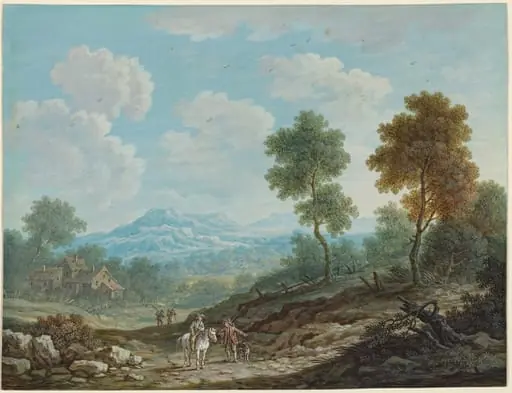
Cattle Drover in an Italian Landscape
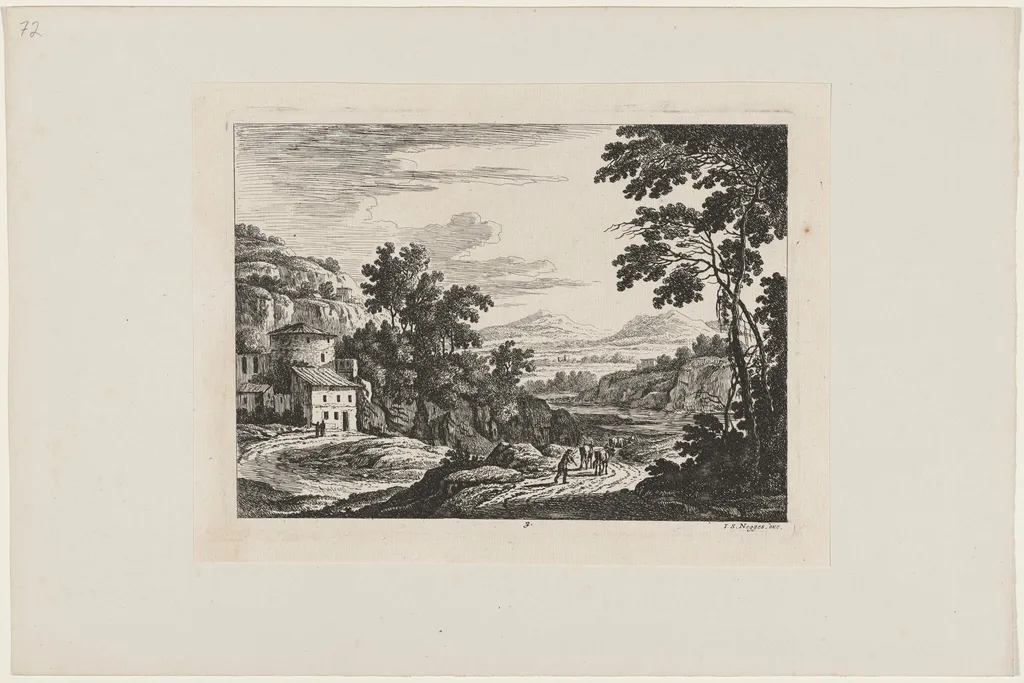
Cattle Drover in an Italian Landscape is an ink print by the Baroque artist Johann Christoph Dietzsch. It dates from 1734 and is held in the collection of the National Gallery of Art.
About this work
Overview
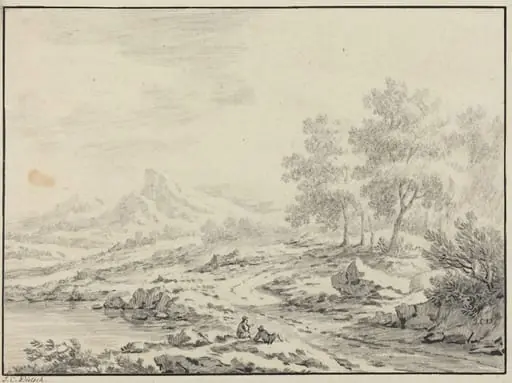
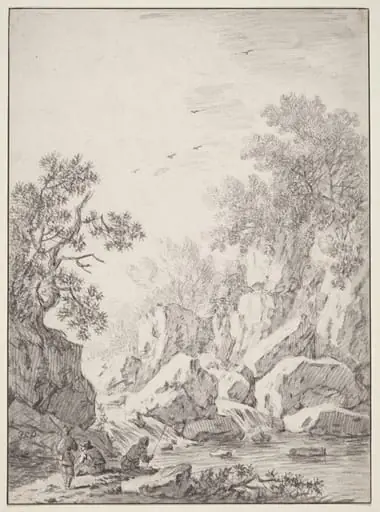
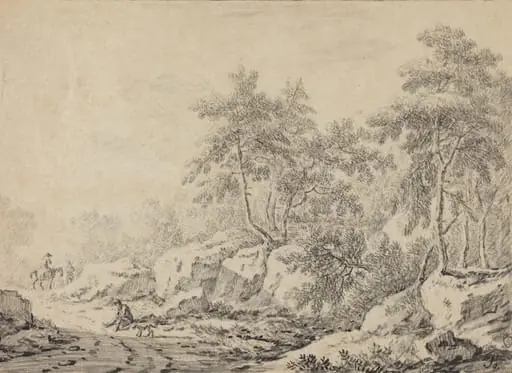
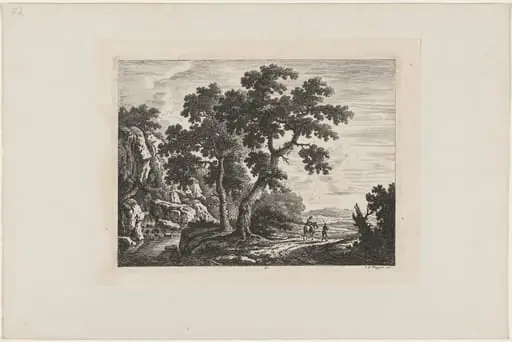
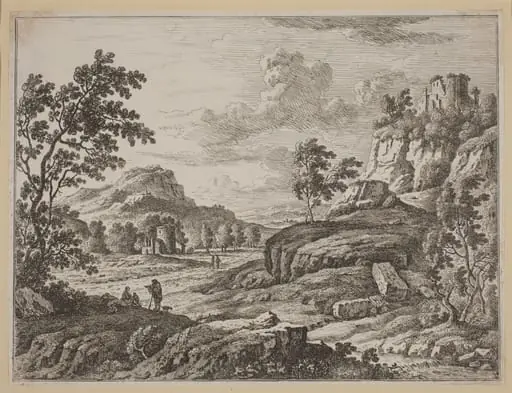
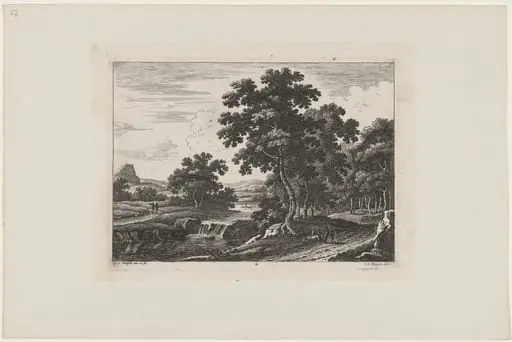
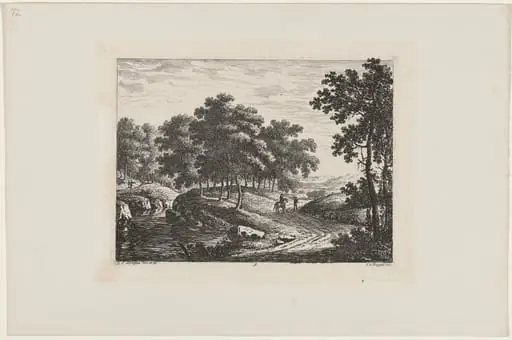
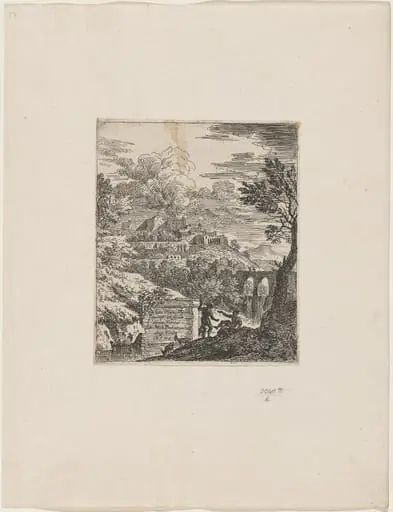
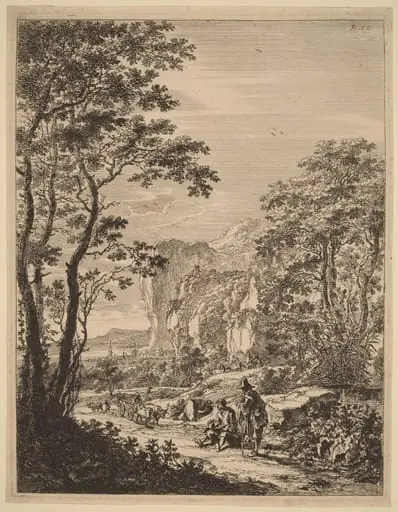
Johann Christoph Dietzsch’s etching *Cattle Drover in an Italian Landscape* dates from 1734. Executed on laid paper, the work presents a tranquil rural scene rendered in monochrome, with a winding river, modest dwellings, and distant hills forming a balanced composition.
Subject & Meaning
The image depicts a drover guiding cattle along a riverbank, accompanied by a few figures and livestock. The quiet arrangement of houses, trees, and water suggests a peaceful, everyday moment in an Italian countryside, emphasizing the harmony between human activity and the natural environment.
Technique & Style
Dietzsch employed the traditional etching process, incising lines into a metal plate and transferring ink onto paper. His use of fine, controlled strokes conveys textures such as bark, fabric folds, and water ripples, while the subtle gradations of tone create depth and atmospheric perspective.
History & Provenance
Created in the early eighteenth century, the print reflects the popularity of landscape etchings among German artists who idealized Italian scenery. It remains documented as part of Dietzsch’s oeuvre, illustrating his skill in combining topographical detail with a lyrical treatment of light and shadow.
Context
During the 1700s, etching was a favored medium for disseminating images of foreign locales, catering to collectors interested in travel and pastoral themes. Dietzsch’s work aligns with this trend, offering a view of an imagined Italian setting that would have appealed to contemporary tastes for picturesque rural vistas.
Artist & collection