Artwork
Et in Arcadia Ego
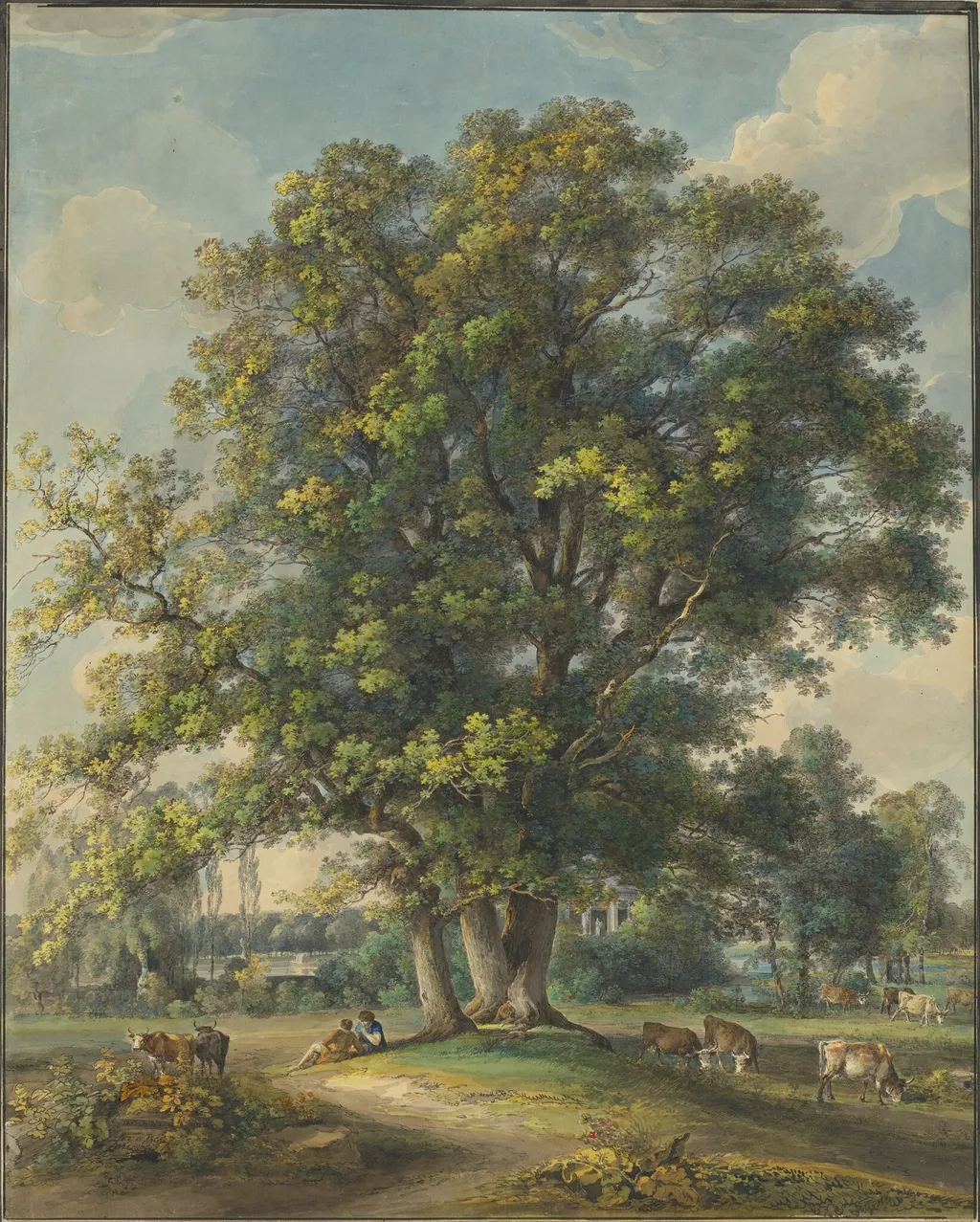
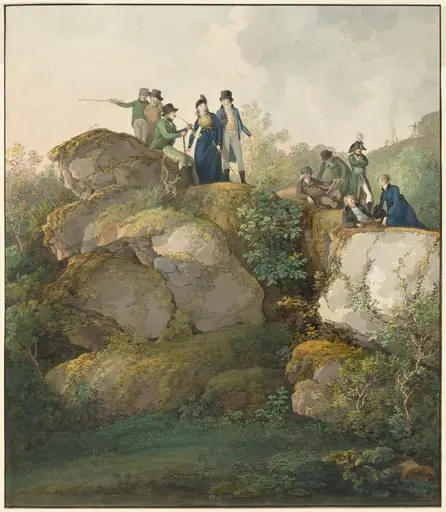
Et in Arcadia Ego is an ink drawing by the Romanticist artist Johann Georg von Dillis. It dates from 1795 and is held in the collection of the National Gallery of Art.
About this work
Overview
Created in 1795 by Johann Georg von Dillis, this drawing employs pen, gray and black ink, and watercolor over graphite on wove paper.
Created in 1795 by Johann Georg von Dillis, this drawing employs pen, gray and black ink, and watercolor over graphite on wove paper. It presents a tranquil rural landscape, rendered with delicate tonal gradations and restrained color. The composition centers on a gnarled tree, around which figures and animals are arranged with quiet harmony. The work’s title, drawn from classical Latin, introduces a contemplative tension between idyll and mortality.
Subject & Meaning
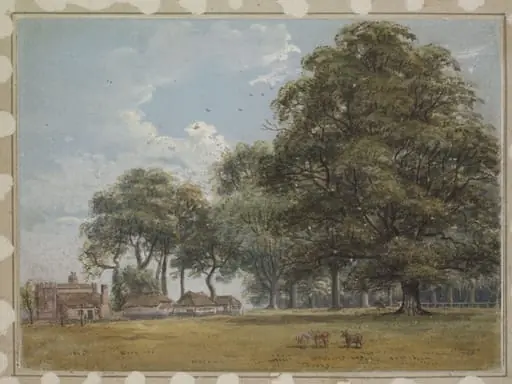
Two figures rest beneath a massive, twisted tree in a pastoral setting, while cattle graze nearby and a winding path leads toward a distant structure. The scene evokes an idealized Arcadia, yet the Latin phrase 'Et in Arcadia Ego'—often interpreted as 'Even in Arcadia, I am there'—suggests the presence of death within paradise. This subtle allusion invites reflection on the impermanence of peace and the quiet inevitability of loss.
Technique & Style
Dillis used fine pen lines to define forms, layered with translucent watercolor washes to soften edges and unify the landscape. Graphite underdrawing guided the composition, while gray and black ink added depth without harshness. The palette—muted greens, earthy browns, and pale sky tones—enhances the hushed, lyrical mood. The technique avoids dramatic contrast, favoring atmospheric subtlety and tactile texture.
History & Provenance
The drawing was completed in 1795 during Dillis’s early career, before his later prominence as a court painter in Bavaria. It reflects his engagement with classical themes and landscape traditions circulating in German-speaking artistic circles. The work remained in private collections until entering a public museum’s holdings in the 20th century, where it is now preserved as part of a broader study of Romantic-era draftsmanship.
Context
Produced during the rise of Romanticism, the work aligns with a broader European turn toward nature as a vessel for emotional and philosophical inquiry. While not overtly dramatic, its quiet symbolism resonates with contemporaries like Caspar David Friedrich, who also used landscape to evoke existential themes. The Latin inscription connects it to Renaissance and Baroque memento mori traditions, reinterpreted through a serene, observational lens.
Legacy
Though less widely known than major Romantic paintings, this drawing exemplifies the quiet power of graphic media in conveying complex ideas. Its restrained execution and layered symbolism influenced later German artists interested in landscape as a site of memory and contemplation. It remains a key example of how draftsmanship could carry philosophical weight without grandeur or spectacle.
Artist & collection


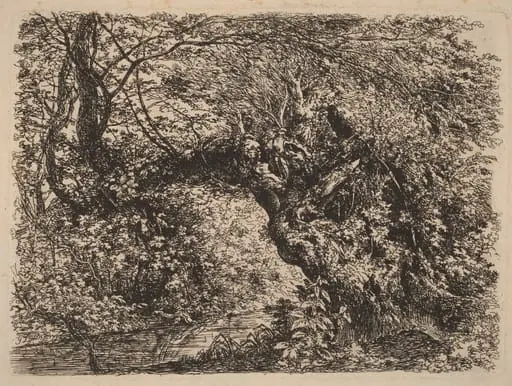
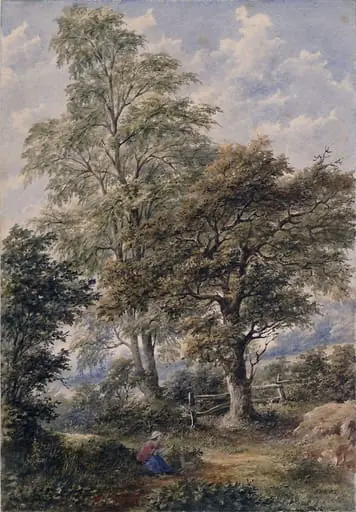 The skirts of a wood, with a girl and a dog
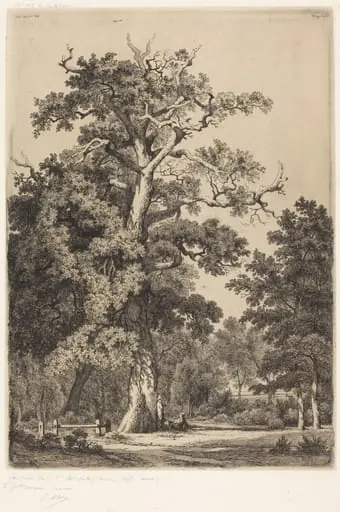 Ancient Oak in the Bois de Boulougne
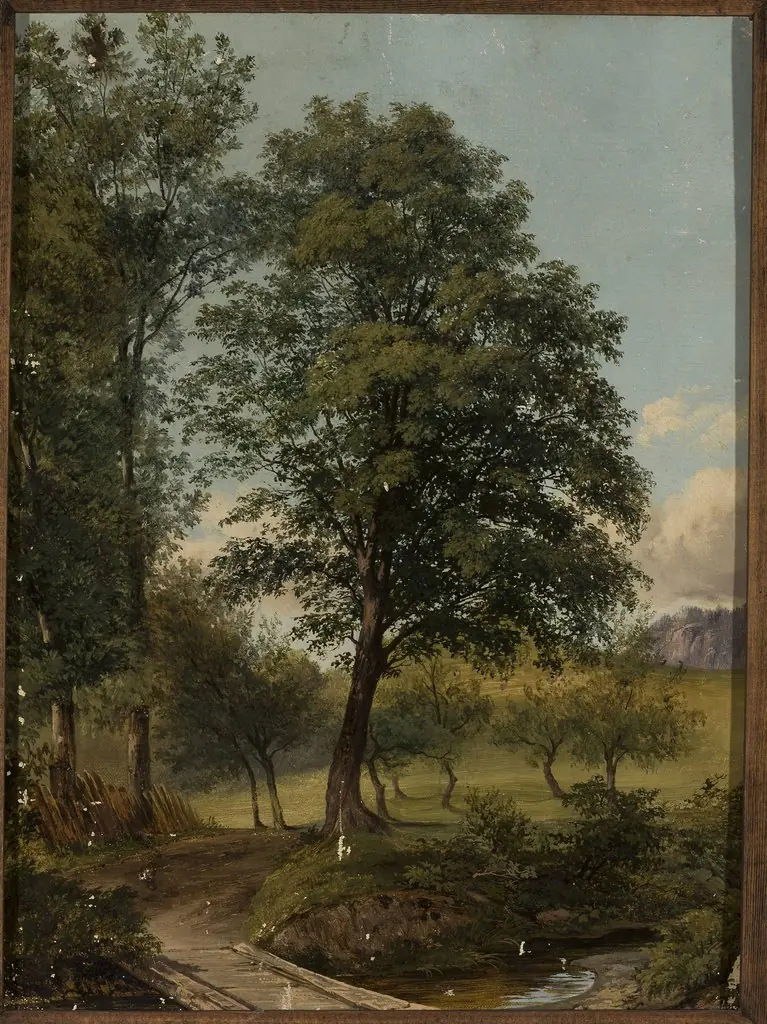 View with a bridge over a creek
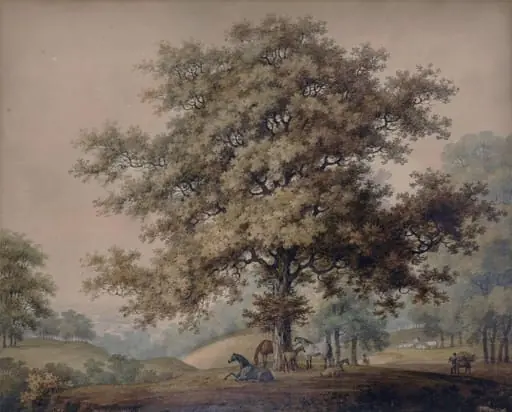 Landscape with Horses
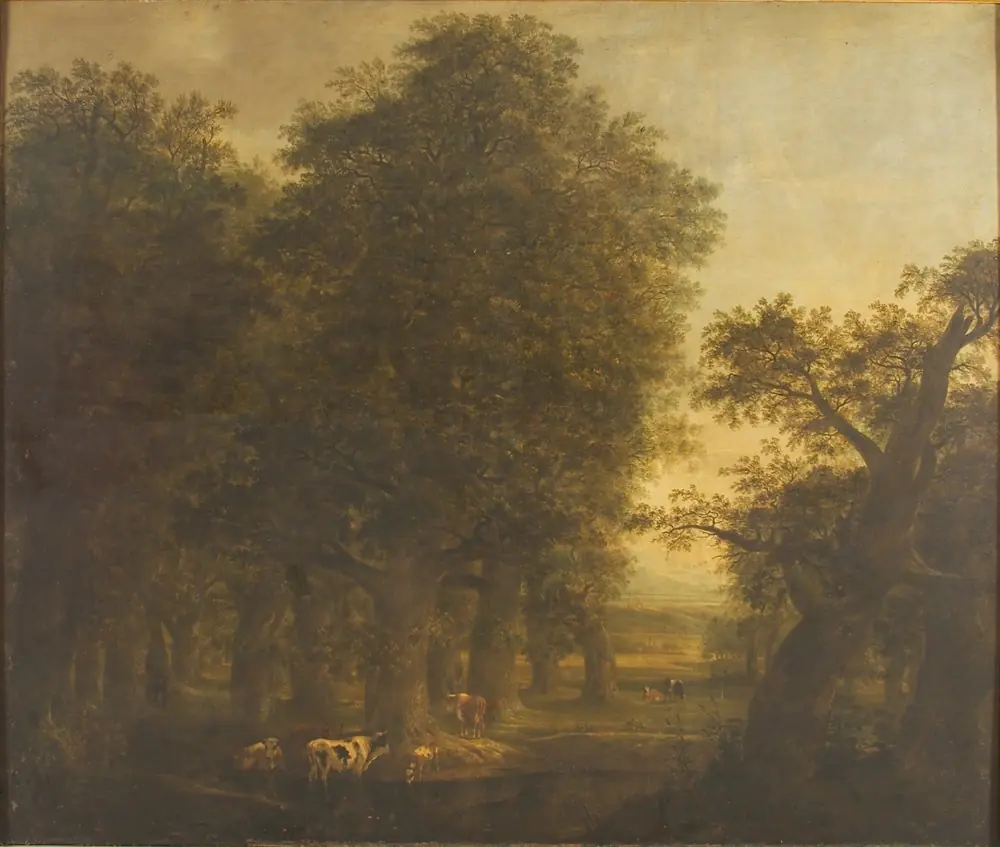 Oak Wood
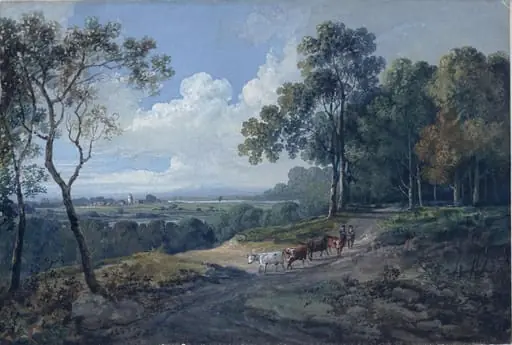 Landscape with cattle
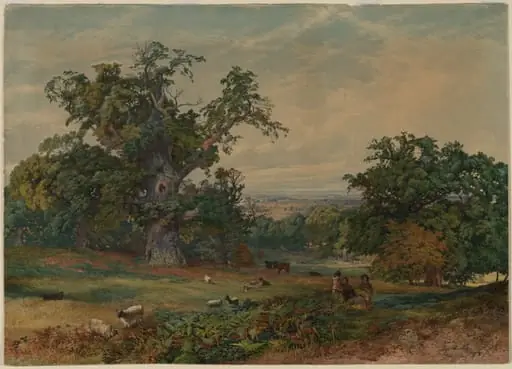 View near Bedford
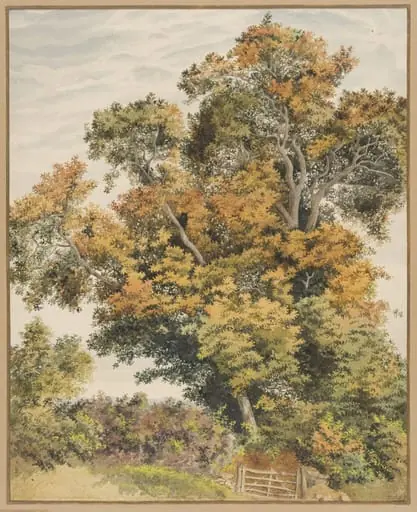 Study of an Oak Tree
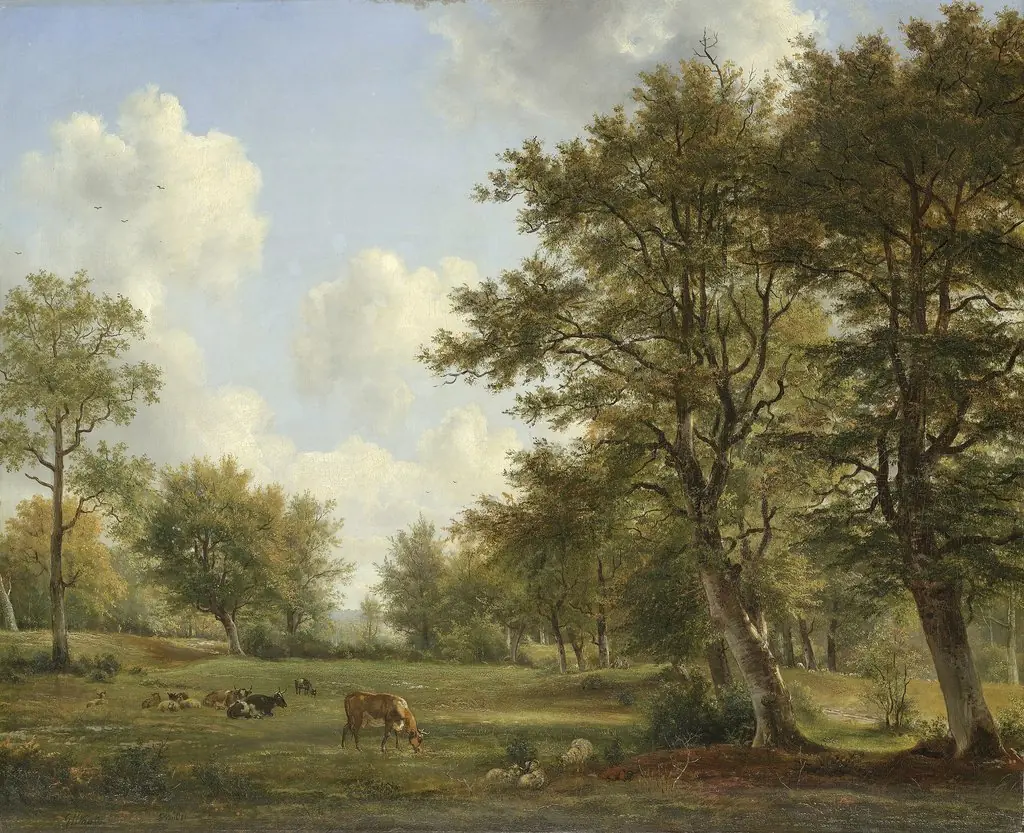 Landscape near Hilversum
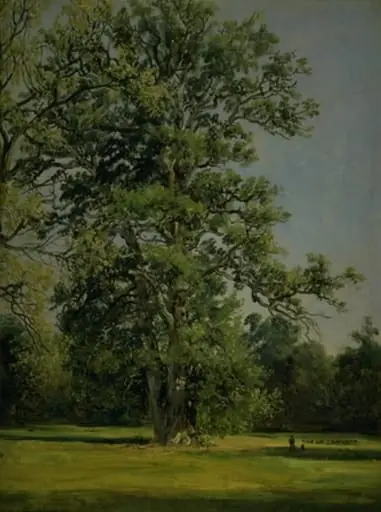 An Oak. View of the Garden at Wörlitz near Dessau
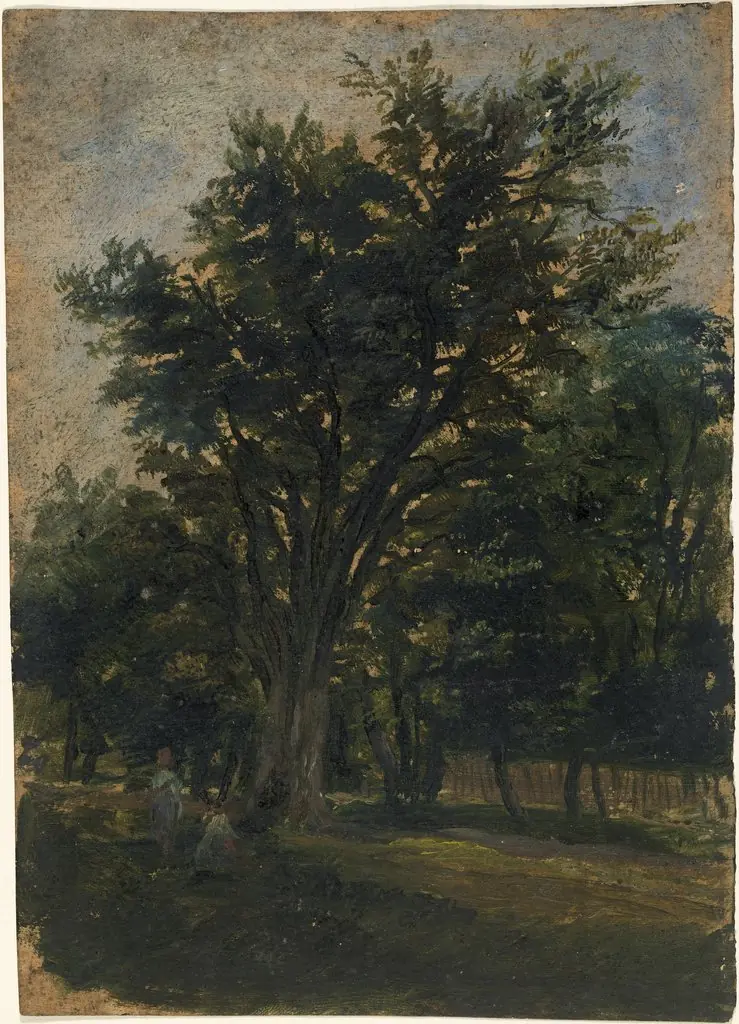 Figures against Trees
 Easton Park