Artwork
Ionel Teodoreanu
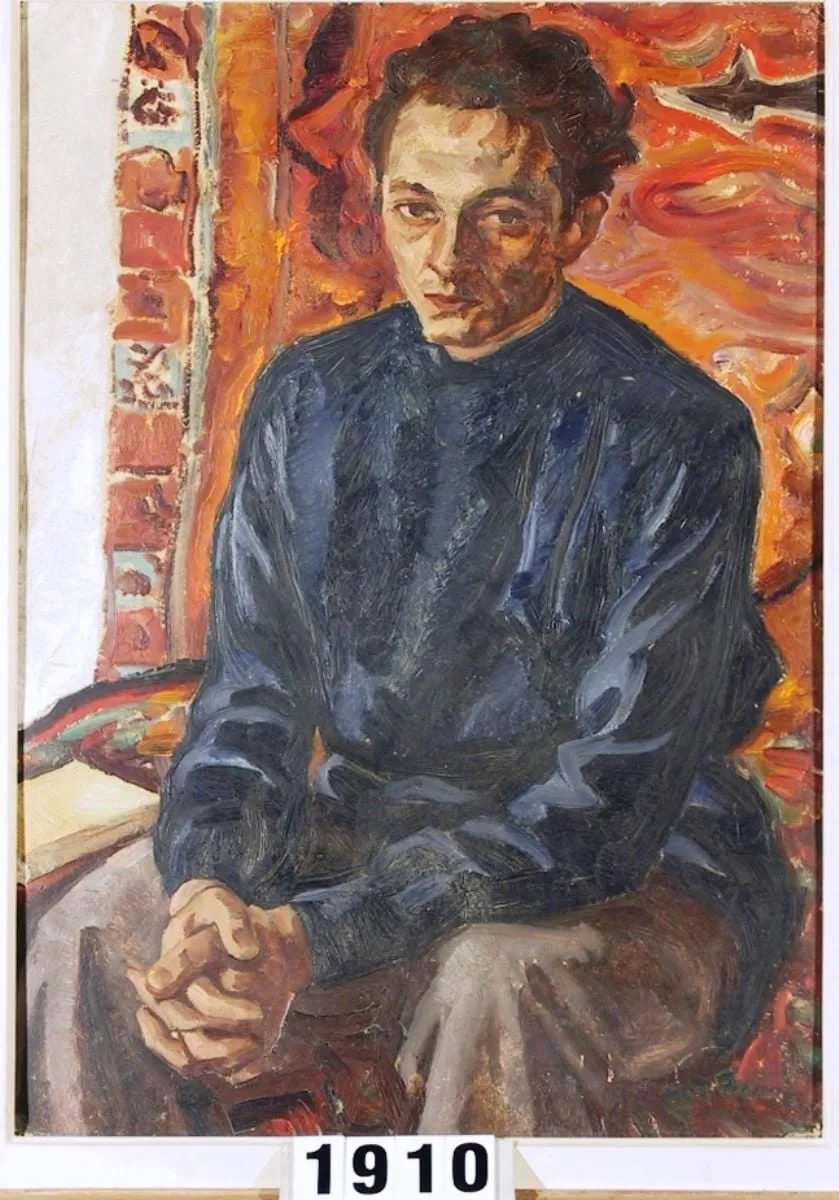
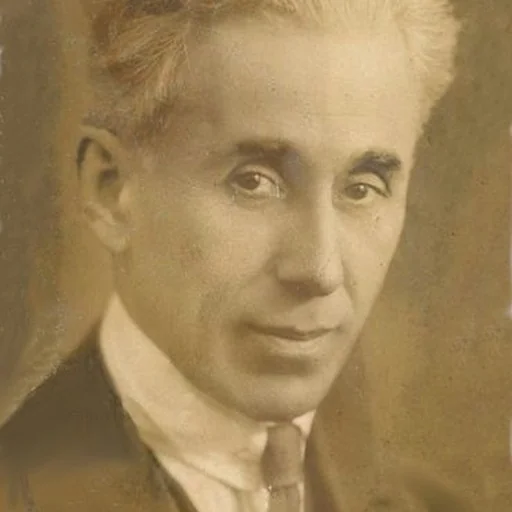
Ionel Teodoreanu is a print by Ștefan Dimitrescu. It dates from 1919 and is held in the collection of the Brukenthal National Museum.
About this work
Overview
The background, warm and textured, contrasts with the muted tones of his clothing, anchoring the figure in a space that feels both intimate and undefined.
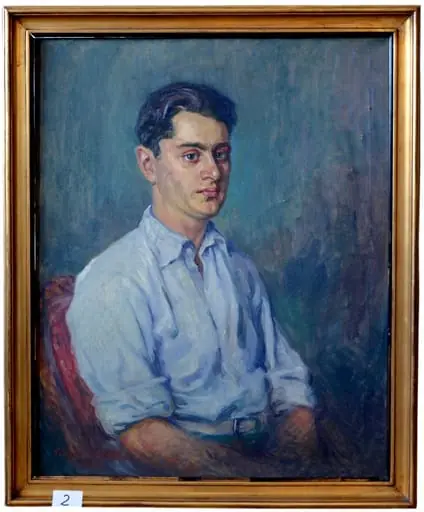
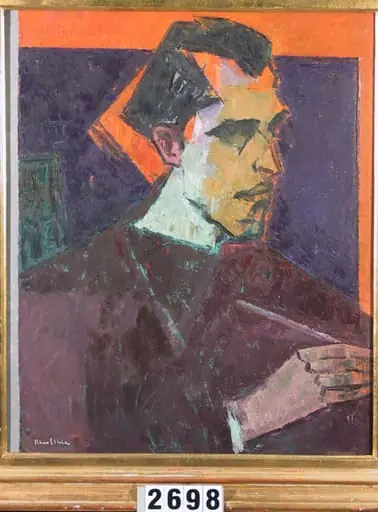
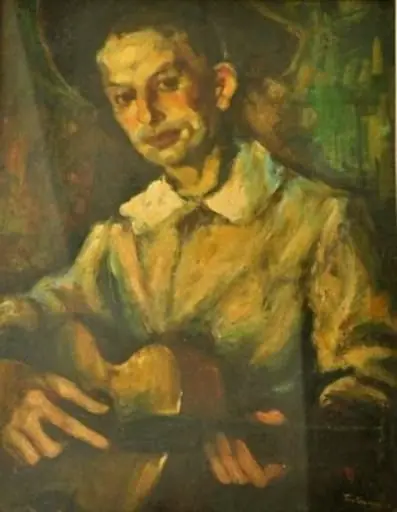
Painted around 1919 by Ștefan Dimitrescu, this portrait depicts Ionel Teodoreanu, a Romanian writer and intellectual. The composition centers on a seated male figure, rendered with restrained elegance. The subject faces the viewer directly, his posture calm and upright, inviting quiet engagement. The background, warm and textured, contrasts with the muted tones of his clothing, anchoring the figure in a space that feels both intimate and undefined.
Subject & Meaning
Ionel Teodoreanu, known for his literary contributions and cultural engagement, is portrayed not as a public figure but as a private individual. His serious expression and clasped hands suggest contemplation rather than performance. The direct gaze establishes a silent dialogue with the viewer, avoiding theatricality. The portrait conveys inner stillness, reflecting the introspective temperament often associated with literary figures of the era, without overt symbolism or narrative.
Technique & Style
Dimitrescu employs thick, deliberate brushwork to model the figure’s form, particularly in the rendering of the shirt and hands. The background blends orange and red washes with areas of exposed canvas, creating atmospheric depth without literal detail. Color is used expressively rather than naturallyistically, enhancing emotional tone. The lack of sharp outlines and the soft transitions between light and shadow contribute to a sense of quiet presence, characteristic of post-impressionist tendencies in Romanian modernism.
History & Provenance
The painting was created shortly after the end of World War I, during a period of cultural redefinition in Romania. It remained in private hands for much of the 20th century before entering a public collection. Its survival through political upheavals reflects its status as a personal rather than monumental work. Documentation is limited, but its consistent attribution to Dimitrescu and its stylistic alignment with his known oeuvre from the period support its authenticity.
Context
In early 20th-century Romania, portraiture often bridged academic tradition and emerging modernist sensibilities. Dimitrescu, influenced by French post-impressionism and local folk motifs, sought to capture psychological depth over idealized likeness. Teodoreanu, a contemporary intellectual, represented the new cultural elite—educated, reserved, and engaged with European thought. This portrait aligns with a broader trend of depicting writers and artists as introspective subjects, not merely social types.
Legacy
Though not widely exhibited, the portrait remains a significant example of Dimitrescu’s mature style and his commitment to psychological realism. It contributes to the understanding of Romanian modernism as a quiet, inward-looking movement, distinct from more radical European avant-gardes. The work continues to be referenced in studies of interwar Romanian art for its restraint, emotional nuance, and technical sensitivity to light and texture.
Artist & collection