Artwork
Banquet of Eighteen Guardsmen of Squad L, Amsterdam 1566, known as 'The Perch Eaters'
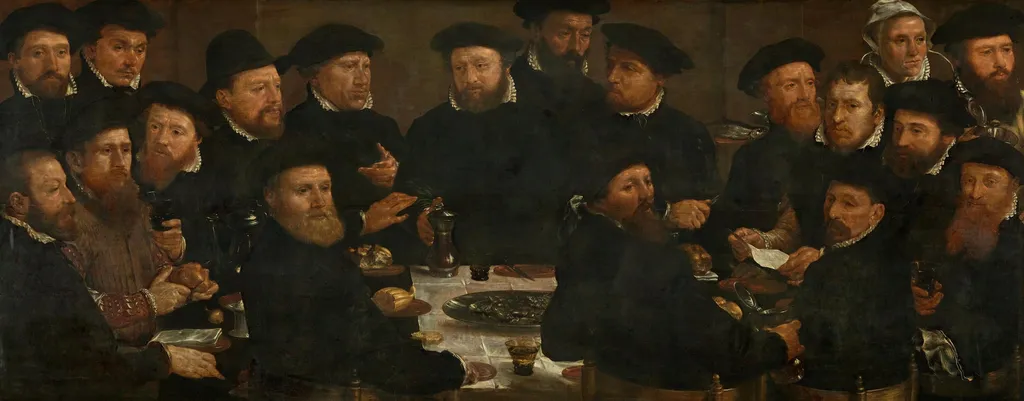
Banquet of Eighteen Guardsmen of Squad L, Amsterdam 1566, known as 'The Perch Eaters' is an unspecified painting by the Northern Renaissance artist Dirck Barendsz.. It dates from 1566 and is held in the collection of the Rijksmuseum. The work records a 1566 banquet of the eighteen members of Amsterdam’s Squad L civic guard.
About this work
You see eighteen men in black coats and ruffled collars sitting around a long table covered in bread, fish, and wine.
You see eighteen men in black coats and ruffled collars sitting around a long table covered in bread, fish, and wine.
This painting shows a real civic guard meal from 1566 Amsterdam. The men are all named on the back—ordinary citizens, not nobles. They’re eating perch, a cheap fish, which gives the work its nickname.
To see more paintings of Dutch civic guards eating together, look up the Rijksmuseum.
Overview
The work records a 1566 banquet of the eighteen members of Amsterdam’s Squad L civic guard. Rendered in a group portrait, the men sit around a long table laden with bread, wine and a whole fish, identified as perch. Their black coats and ruffled collars give the scene a formal, municipal tone.
Subject & Meaning
The painting captures a real civic guard meal, emphasizing the communal aspect of local militia life. Each figure is identified on the reverse, underscoring that the participants were ordinary citizens rather than aristocrats, and the choice of perch—a modest, inexpensive fish—reflects the everyday nature of the gathering.
Technique & Style
Executed in the mid‑sixteenth‑century Dutch style, the composition arranges the figures in a linear perspective that draws the viewer’s eye along the length of the table. The muted palette of black garments contrasts with the lighter tones of the bread and fish, while the ruffled collars add a touch of contemporary fashion.
History & Provenance
Created in 1566, the painting originally served as a visual record for the Schuttersdoelen, the guard’s headquarters. The work has remained associated with the squad’s documentation, and the names of the participants are preserved on the back of the panel, providing a direct link to its historical context.
Context
Civic guard portraits were a common genre in the Netherlands, documenting the social and military responsibilities of city militias. This particular banquet reflects the modest means of the Amsterdam guard in the mid‑16th century, contrasting with later, more elaborate guard pieces that celebrated wealth and status.
Legacy
The piece is frequently cited as an early example of Dutch civic guard painting, and it informs the study of communal rituals in urban militia culture. Its depiction of a simple fish meal has earned it the nickname “The Perch Eaters,” a label that persists in scholarly references.
Artist & collection
Artist
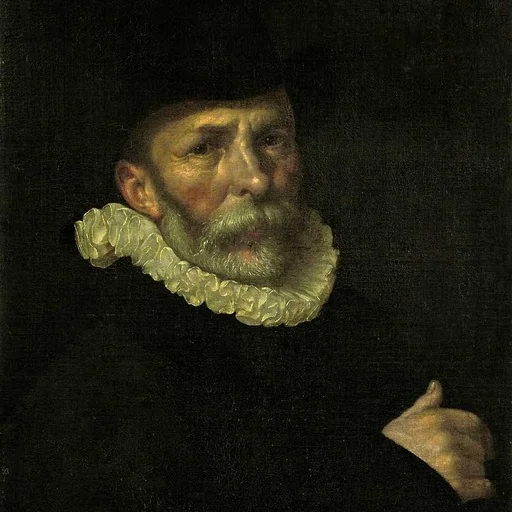
Dirck Barendsz or Theodor Barendszoon (1534–1592) was a Dutch Renaissance painter from Amsterdam who traveled to Italy in his youth to learn from the Italian masters, most notably Titian.

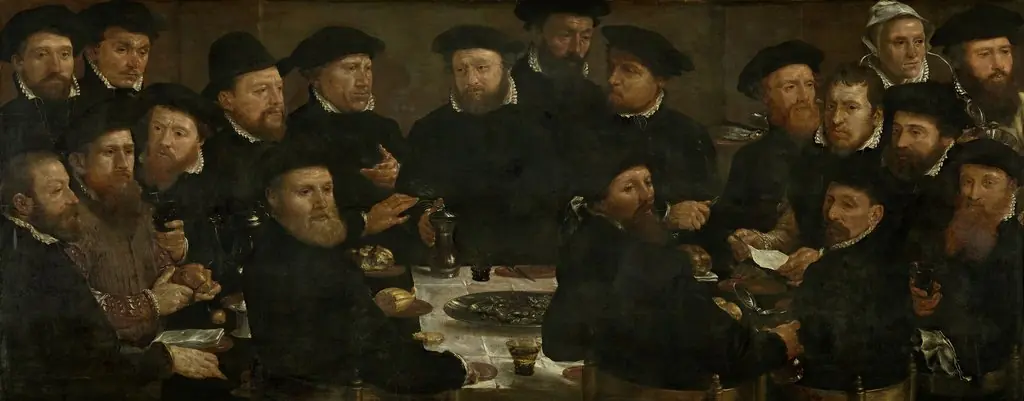 Meal of the Amsterdam militia
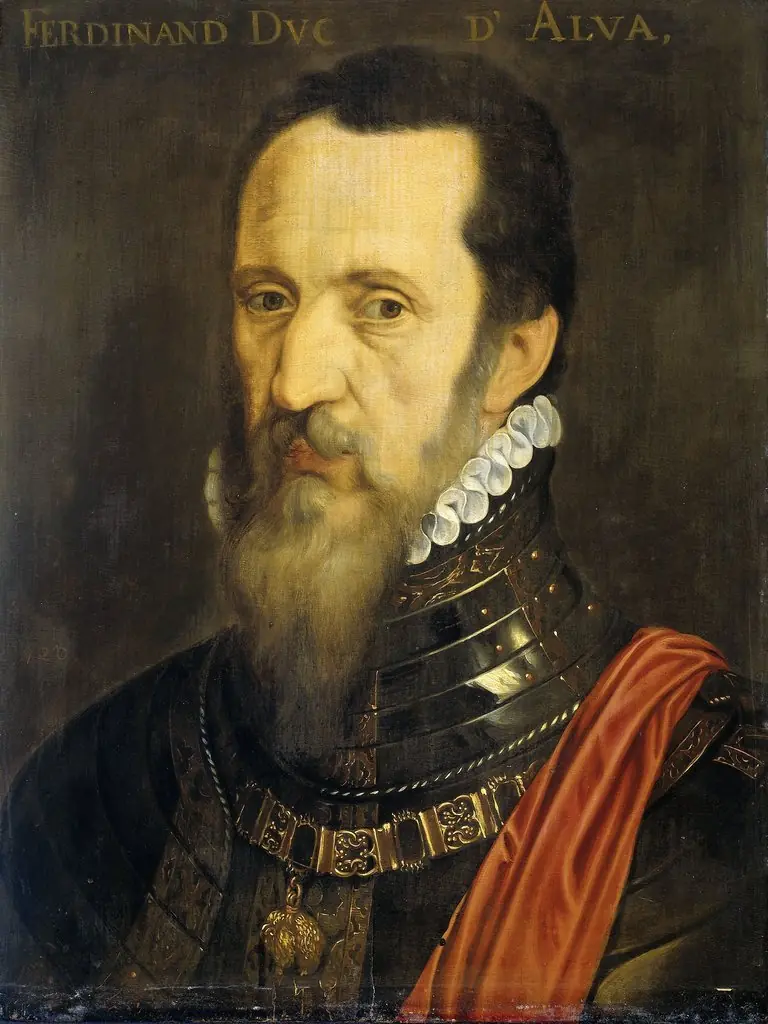 Portrait of Ferdinand Alvarez de Toledo (1507-82), Duke of Alba
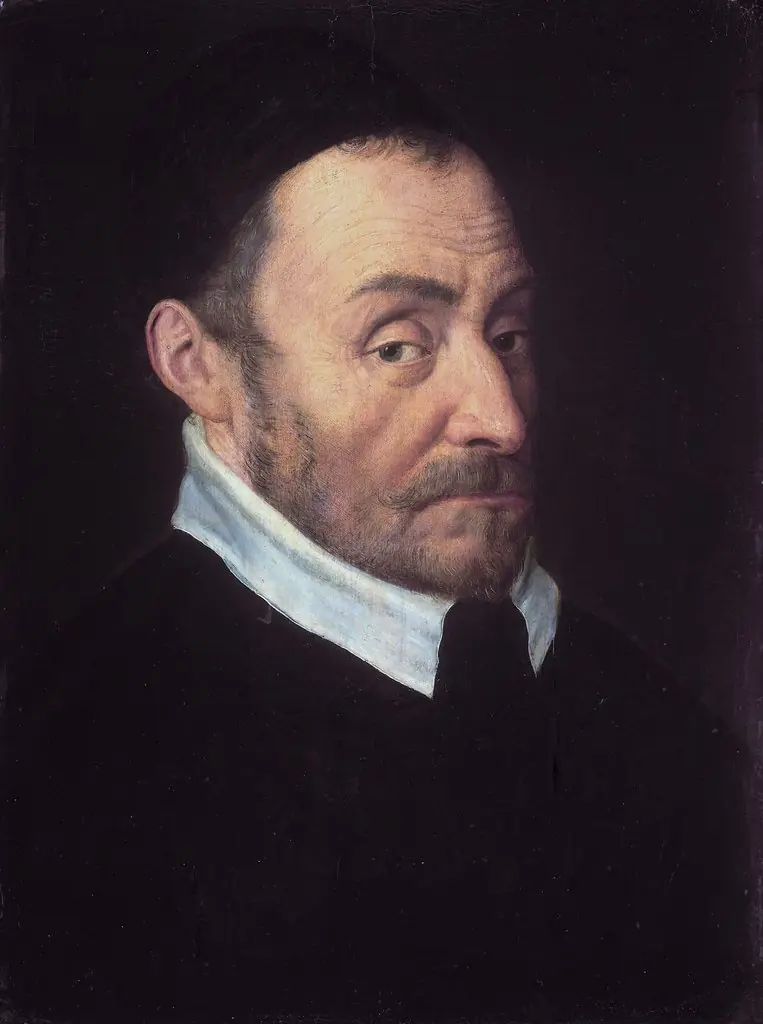 Portrait of William I. Prince of Orange, called William the Silent
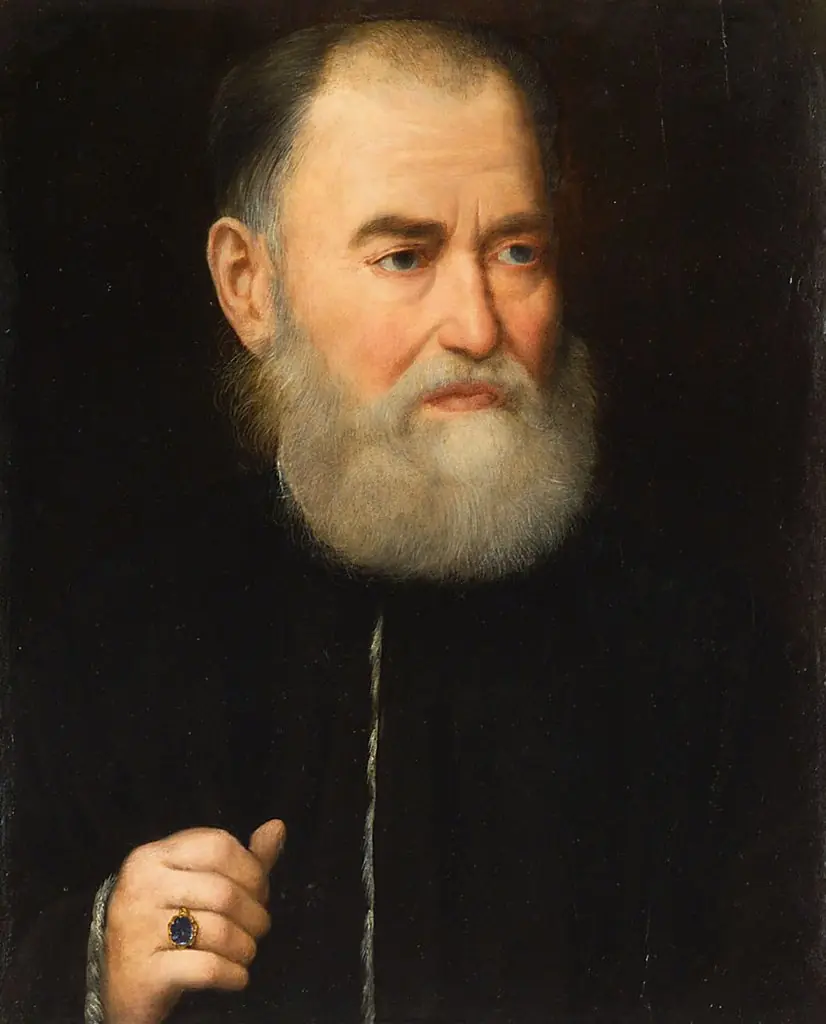 Bildnis eines älteren Mannes
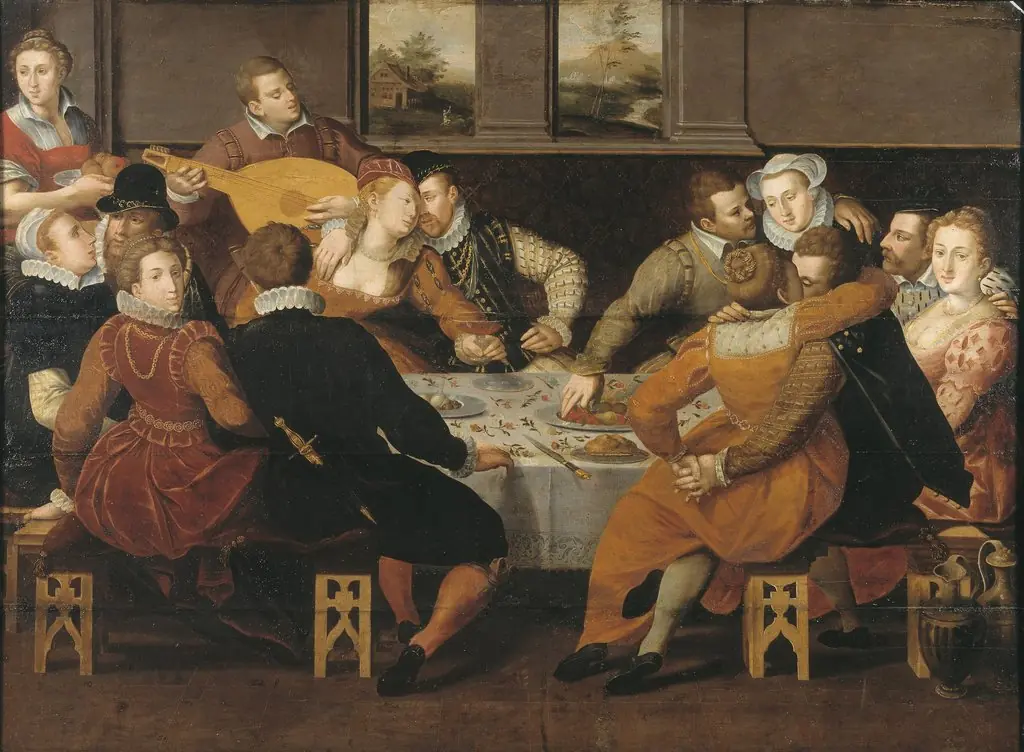 Sinful Mankind Surprised by the Day of Judgment
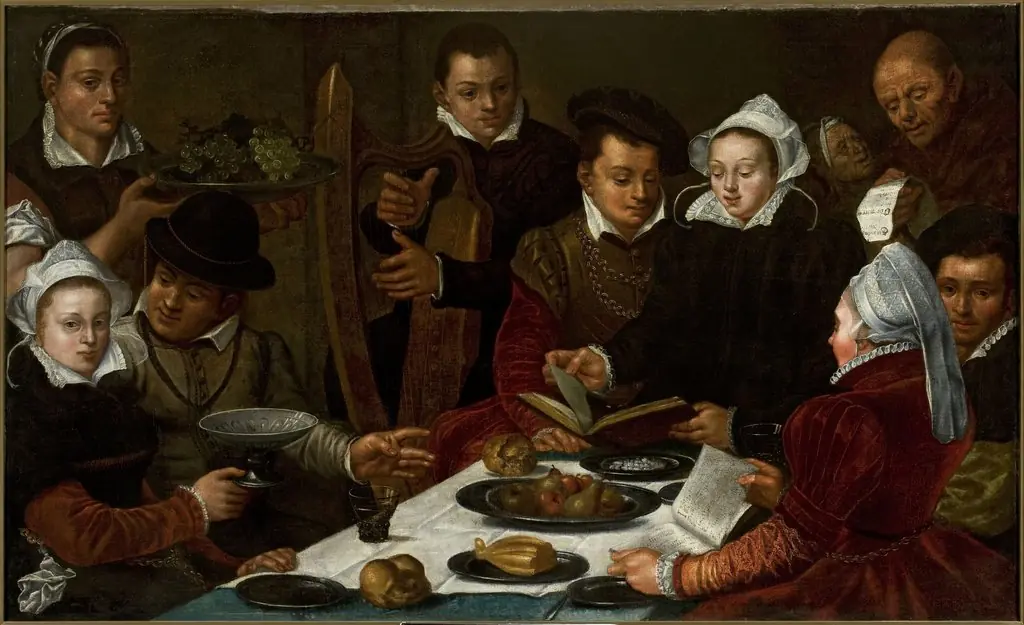 Company at the table
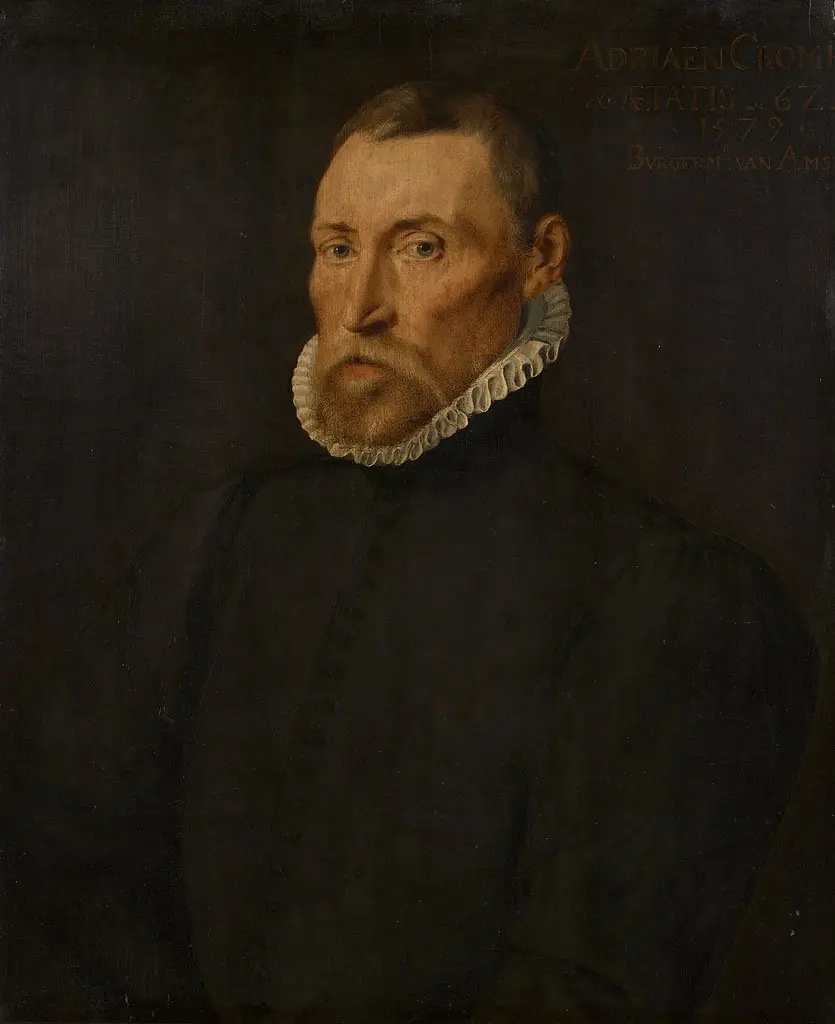 Portrait of Adriaen Cromhout (d.1588)
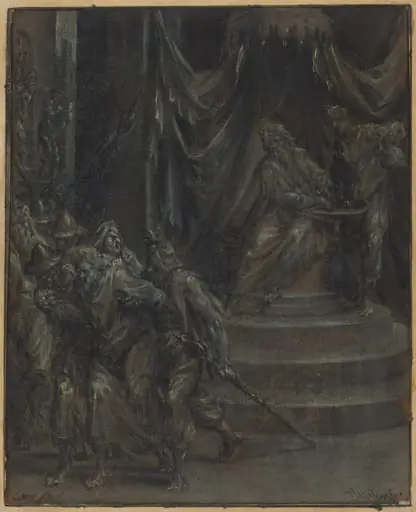 Pilate Washing His Hands as Christ Is Led Away
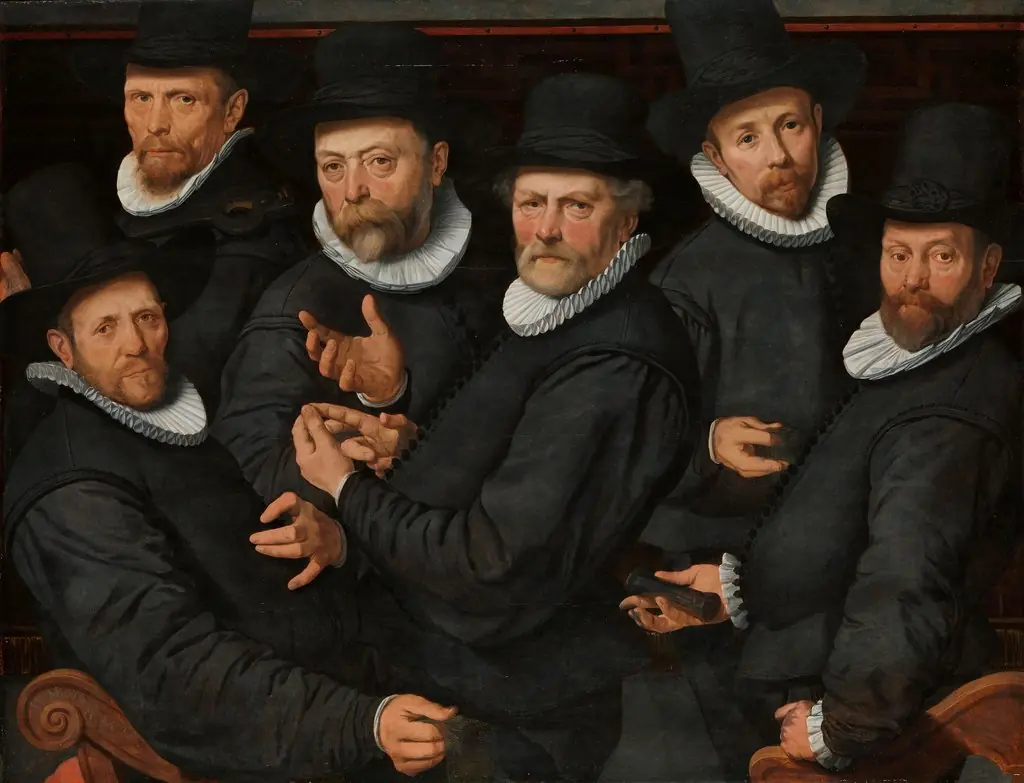 Six Wardens of the Drapers’ Guild
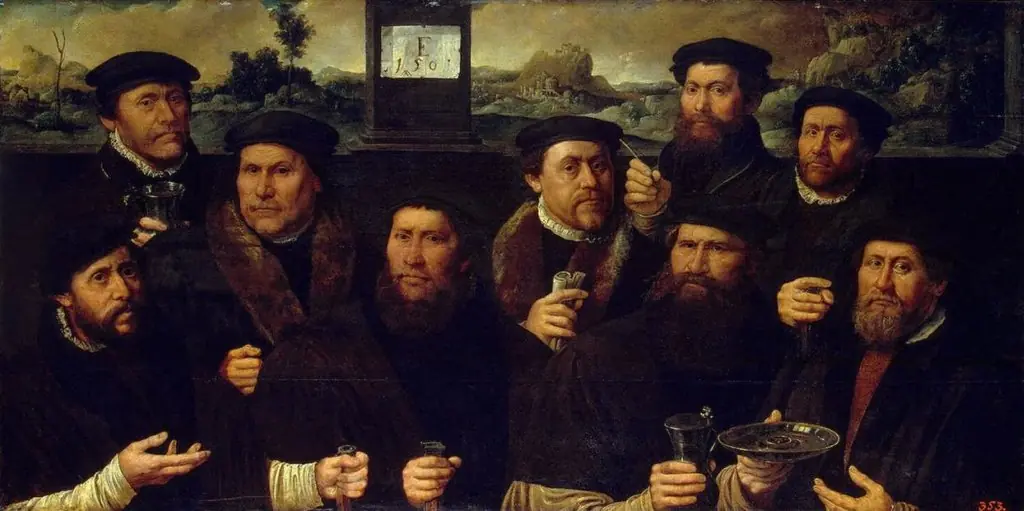 Group Portrait of the Amsterdam Shooting Corporation
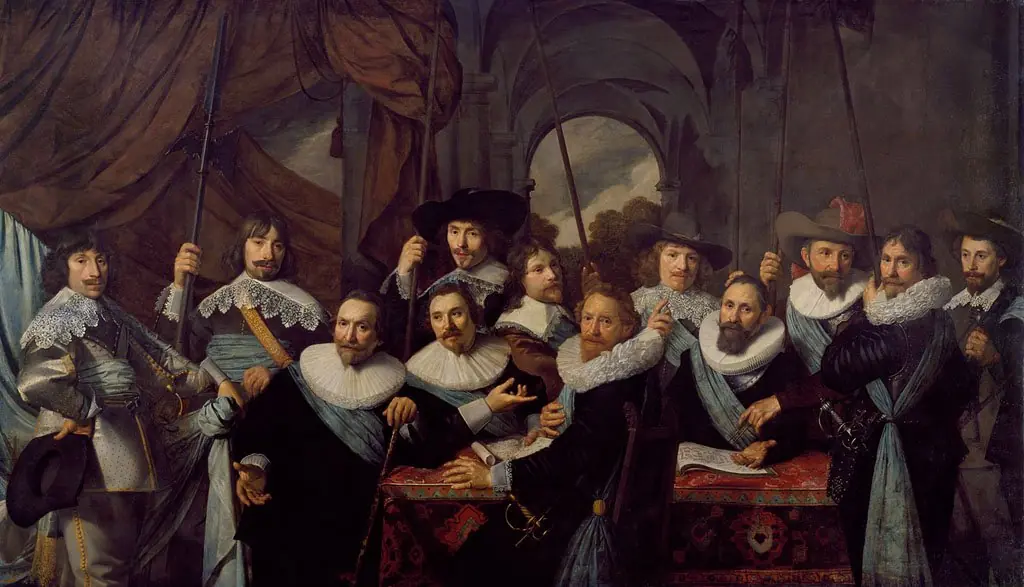 Members of the civic guard company of Captain Dirck Tholinx and Lieutenant Pieter Adriaenszn Raep
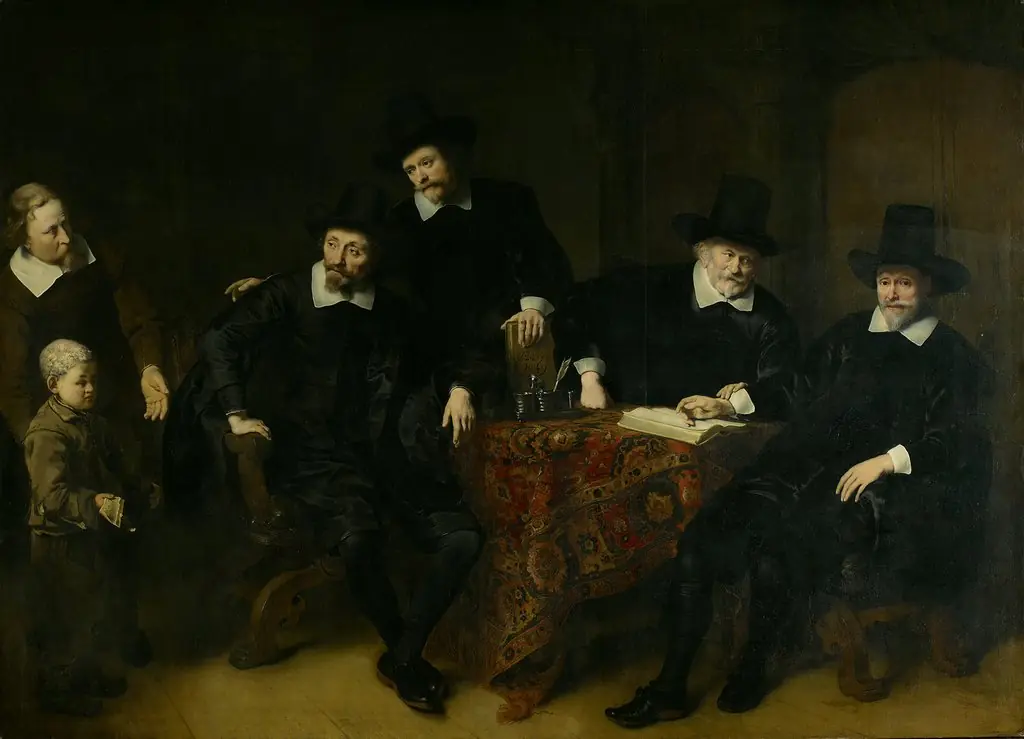 The Regents of the Leper's house in Amsterdam in 1649
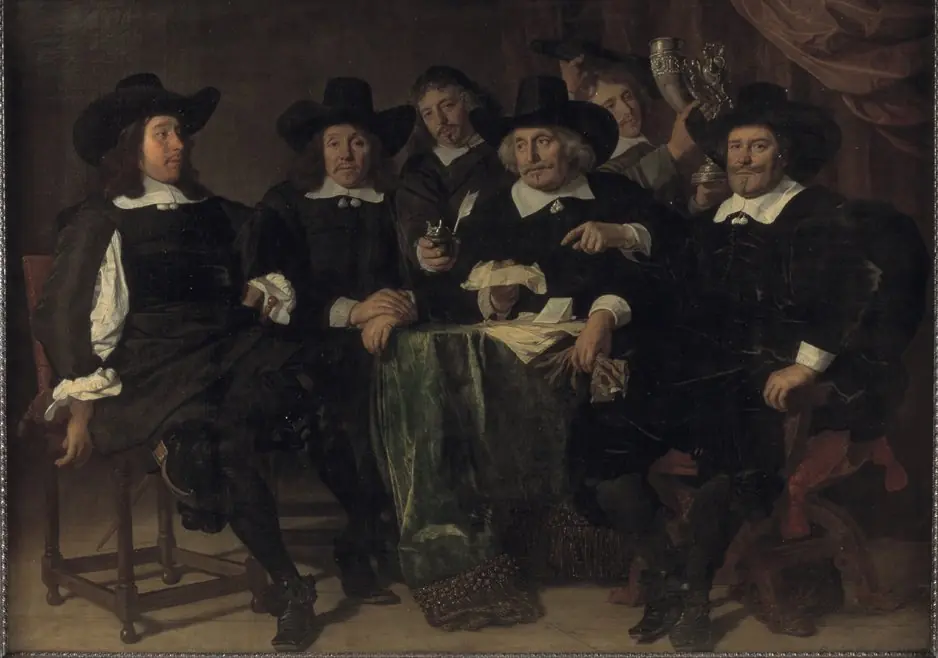 The directors of the Amsterdam civic guard of St. George in 1656
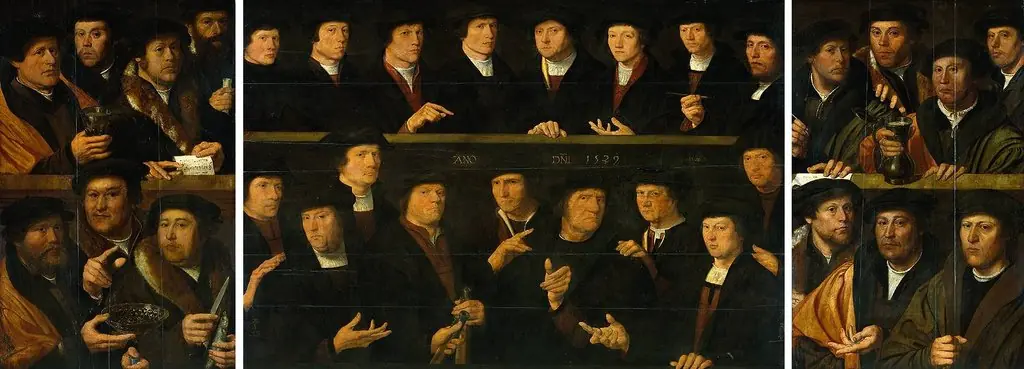 Triptych with guardsmen of the Amsterdam Kloveniersdoelen (headquarters of the arquebusiers’ civic guard)
 Four directors of the arquebusier's guild, Amsterdam, 1655
 Portrait of Pierre de Moucheron (1508-1567) and Isabeau de Gerbier, their 18 children, son-in-law Allard de la Dale and first grandchild